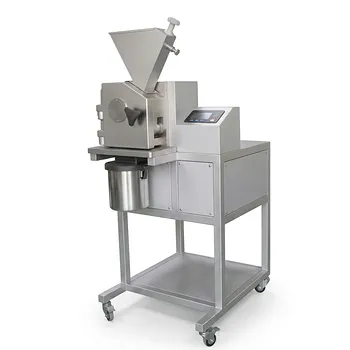
Why is a high-speed cutting mill used for secondary grinding? Improve Accuracy in Recycled Plastic Characterization
Updated 4 months ago
High-speed cutting mills are used for secondary grinding to transform irregular recycled plastic flakes into uniform particles, typically smaller than 4 mm. This process is essential for achieving sample homogenization, which directly reduces measurement errors in critical laboratory tests like Melt Flow Rate (MFR) and thermal analysis. By standardizing the physical form of the material, analysts ensure that small-scale samples are truly representative of the bulk recycled source.
The primary purpose of secondary grinding is to eliminate physical variables that compromise data integrity. By refining material into a consistent, granular state, laboratories can achieve the repeatability necessary for certifying recycled plastic components.
The Role of Particle Uniformity in Characterization
Converting Irregular Flakes into Standardized Feedstock
Recycled plastic often enters the laboratory as large, jagged flakes with highly inconsistent dimensions. A cutting mill uses precision sieves to refine these flakes into uniform particles, making the material easier to dose and process in sensitive analytical equipment.
Achieving Sample Homogenization
Inconsistency is the greatest challenge in recycling; different flakes may contain different additives or degradation levels. Secondary grinding ensures that the small volume of material used in a laboratory test is a homogeneous blend of the larger batch, minimizing the risk of "outlier" results caused by a single non-uniform flake.
Enhancing Surface-to-Volume Ratios
Uniform particles provide a predictable surface area, which is vital for processes involving heat transfer or chemical interaction. This level of control is often achieved through a two-stage grinding process, using progressively smaller screens to reach a specific target size.
Improving the Precision of Analytical Tests
Optimizing Melt Flow Rate (MFR) Testing
MFR testing requires the material to pack tightly and melt evenly within a heated barrel. Large or irregular flakes create air pockets and uneven melting rates, whereas uniform secondary-ground particles provide a consistent melt, leading to more accurate viscosity data.
Standardizing Thermal Analysis Results
Tests such as Differential Scanning Calorimetry (DSC) rely on milligram-sized samples that must be representative of the whole. Secondary grinding allows for the selection of a tiny, yet statistically significant sample, ensuring that the thermal transitions observed reflect the true nature of the polymer.
Ensuring Reliable 3D Extrusion and Prototyping
Beyond simple testing, precise particle size control is critical for secondary processes like laboratory-scale extrusion. Particles with lower aspect ratios and uniform distributions ensure smooth flow through narrow nozzles, preventing clogs and inconsistent layers during characterization via 3D printing.
Understanding the Trade-offs
Thermal Degradation Risks
High-speed cutting generates significant friction, which can lead to localized heating of the plastic. If the temperature is not managed, it may cause thermal degradation of the polymer chains, potentially altering the very properties the researcher is trying to measure.
The Impact of Blade Wear
The effectiveness of a cutting mill is entirely dependent on the sharpness of its internal components. Dull blades tend to tear the plastic rather than cut it, resulting in increased heat generation and irregular particle shapes that can reintroduce the measurement errors the process was intended to solve.
How to Optimize Your Grinding Strategy
Applying This to Your Characterization Workflow
Success in plastic characterization depends on selecting the right grinding parameters to match your specific material and testing goals.
- If your primary focus is analytical repeatability: Use a two-stage grinding process with fine precision sieves to ensure a narrow particle size distribution.
- If your primary focus is heat-sensitive polymers: Utilize intermittent grinding cycles or cryo-grinding to prevent the high-speed blades from degrading the sample's molecular weight.
- If your primary focus is mechanical prototyping: Prioritize achieving a low aspect ratio for particles to ensure consistent flow and density during subsequent molding or extrusion stages.
Properly executed secondary grinding turns inconsistent waste into a standardized technical material, providing the foundation for reliable and defensible data.
Summary Table:
| Feature | Primary Benefit | Impact on Characterization |
|---|---|---|
| Uniform Granulation | Converts flakes to <4mm particles | Reduces measurement errors in MFR tests |
| Homogenization | Blends inconsistent material batches | Ensures small samples represent the bulk |
| Controlled Surface Area | Optimizes heat transfer rates | Enhances accuracy of thermal analysis (DSC) |
| Precision Sieving | Narrow particle size distribution | Prevents clogs in lab-scale 3D extrusion |
Optimize Your Plastic Characterization with Precision Sample Prep
Achieving reliable analytical data starts with superior sample preparation. At [Company Name], we provide complete laboratory sample preparation solutions for material science, specializing in high-performance powder processing and compaction equipment.
Whether you are refining recycled plastics for MFR testing or preparing advanced polymers for thermal analysis, our extensive equipment line ensures repeatability and precision:
- Advanced Milling: Rotor mills, planetary ball mills, jet mills, and liquid nitrogen cryogenic grinders for heat-sensitive materials.
- Sieving & Mixing: Vibratory sieve shakers and high-efficiency powder/defoaming mixers.
- Material Compaction: A full spectrum of hydraulic presses, including Cold/Warm Isostatic Presses (CIP/WIP), vacuum hot presses, and XRF pellet presses.
Ready to eliminate variables and enhance your data integrity?
Contact Our Technical Experts Today to find the perfect grinding or pressing solution tailored to your research needs!
References
- Mohamad Hassan Akhras, Joerg Fischer. From Bottle Caps to Frisbee—A Case Study on Mechanical Recycling of Plastic Waste towards a Circular Economy. DOI: 10.3390/polym15122685
Mentioned Products
- High Efficiency High Speed Grinder Laboratory Mill 1300W 25000rpm
- Industrial Rotor Beater Mill for High Speed Impact and Shear Grinding in Laboratory Sample Preparation
- High Speed Laboratory Knife Mill for Oily Fibrous and Wet Sample Homogenization
- Ultra Centrifugal Mill High Speed Laboratory Grinder for Fibrous and Brittle Sample Preparation
- Industrial Knife Mill for Food and Biological Sample Preparation High Speed Laboratory Homogenizer
People Also Ask
- What role does a laboratory grinder play in the pretreatment of sunflower seed shell-based adsorbents? Boost Efficiency.
- How does high-speed grinding equipment facilitate the preparation of lignin binders? Optimize Powder for Stronger Bonds
- How does a laboratory grinder or mill enhance the adsorption performance of agricultural waste materials? Boost Surface Area
- Why is grinding equipment necessary for SnO2-Sb2O3 xerogels? Maximize surface area and photocatalytic activity.
- How does laboratory grinding or pulverizing equipment influence eggshell-derived adsorbents? Maximize Surface Area.

Tech Team · PowderPreparation
Last updated on Jun 03, 2026
Related Products
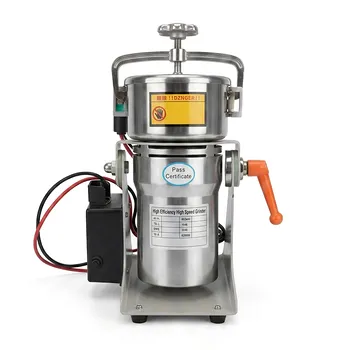
High Efficiency High Speed Grinder Laboratory Mill 1300W 25000rpm
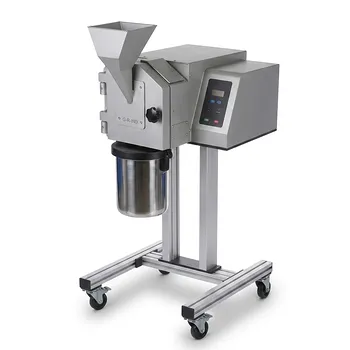
Industrial Rotor Beater Mill for High Speed Impact and Shear Grinding in Laboratory Sample Preparation
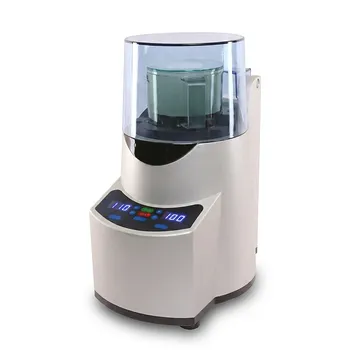
High Speed Laboratory Knife Mill for Oily Fibrous and Wet Sample Homogenization
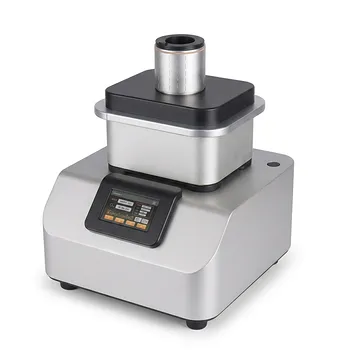
Ultra Centrifugal Mill High Speed Laboratory Grinder for Fibrous and Brittle Sample Preparation
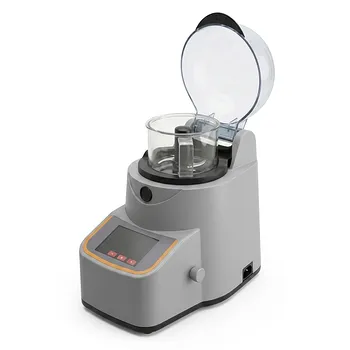
Industrial Knife Mill for Food and Biological Sample Preparation High Speed Laboratory Homogenizer
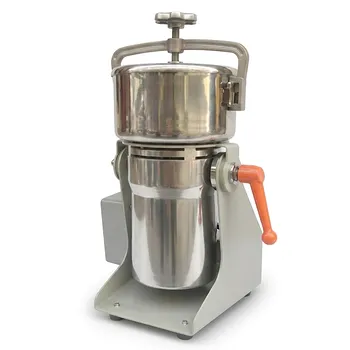
High Speed Laboratory Grinder Efficient Stainless Steel Powder Pulverizer Universal Material Science Mill for Sample Preparation
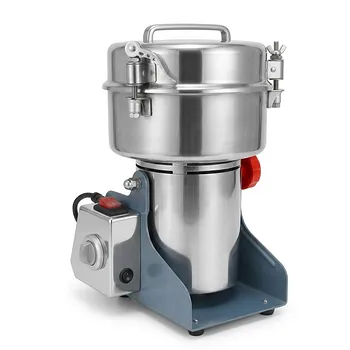
Small High-Speed Grinder for Efficient Laboratory Sample Preparation
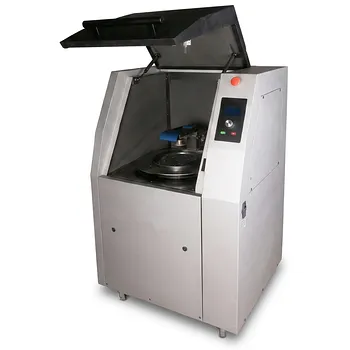
High Speed Vibratory Disc Mill for Spectral Analysis Sample Preparation and Rapid Powder Grinding
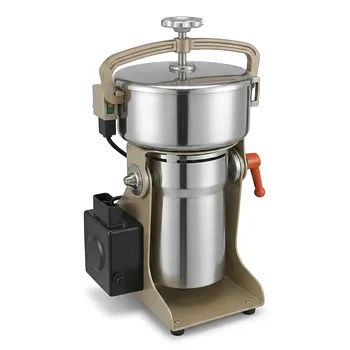
Multifunctional High Efficiency High Speed Laboratory Grinder
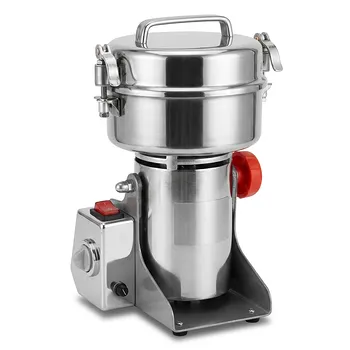
High Speed Laboratory Powder Grinder Small Batch Sample Preparation Mill
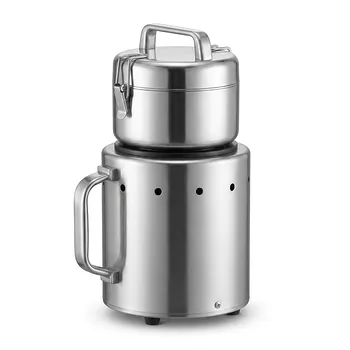
Small High Speed Grinder for Laboratory Sample Preparation
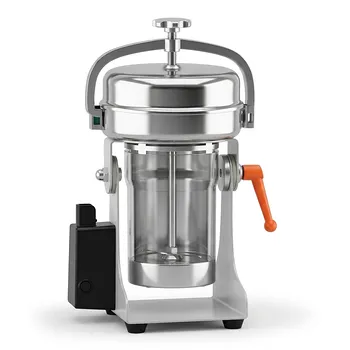
High Efficiency High Speed Grinder 2200W 25000 RPM Laboratory Sample Preparation
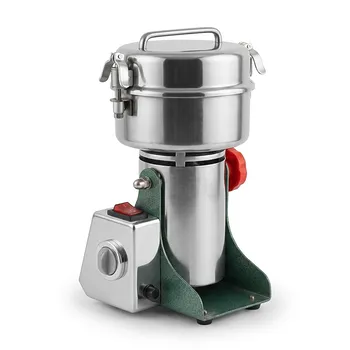
Small High-Speed Swing Grinder for Laboratory Sample Preparation
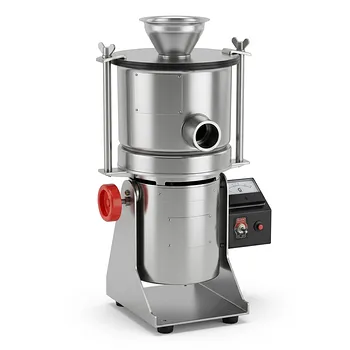
Laboratory Ultrafine Impact and Airflow Grinder for Precise Particle Size Control
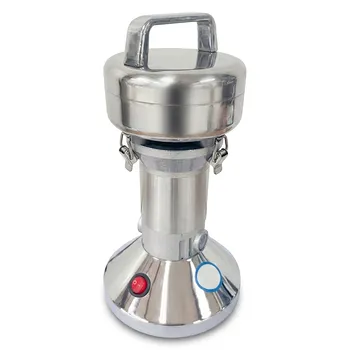
Small Trace Sample High Speed Pulverizer Grinder Laboratory Powder Mill
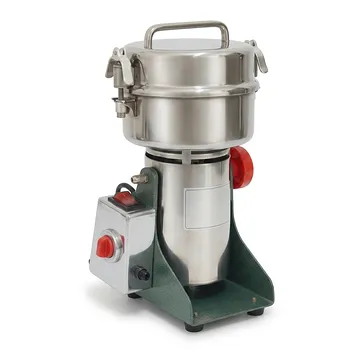
Small High Speed Grinder for Laboratory Sample Preparation
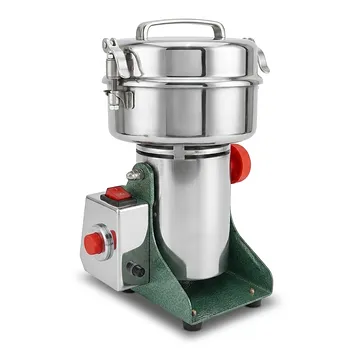
Small High-Speed Laboratory Grinder for Powder Processing
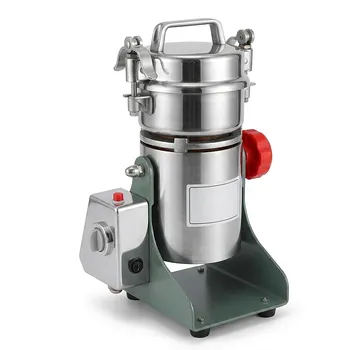
High Speed Swing Type Laboratory Pulverizer for Fine Powder Grinding and Sample Preparation
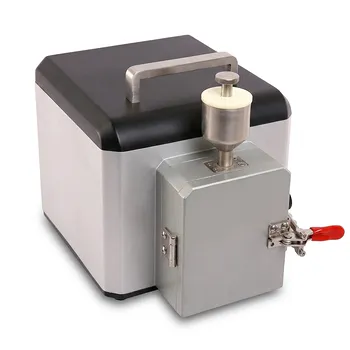
Portable Cutting Mill for Laboratory Sample Preparation and RoHS WEEE Compliance Testing