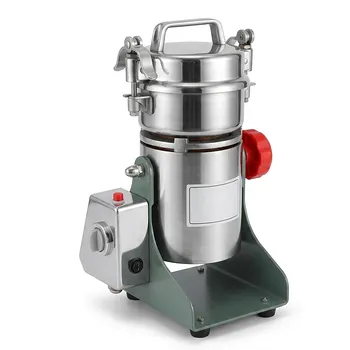
Why use a blade grinder and sieve shaker for Salvia officinalis? Achieve Precision Bio-Filler Particle Size
Updated 4 months ago
The precise coordination of a high-speed blade grinder and a vibratory sieve shaker is essential for transforming Salvia officinalis (sage) into a functional bio-filler. The grinder provides the raw mechanical force needed to pulverize dried leaves into fine particles, while the sieve shaker provides the classification necessary to isolate a specific size range, such as 150 to 200 µm. This dual-stage process ensures the filler integrates seamlessly into a polymer matrix without compromising its structural integrity.
Core Takeaway: This equipment pairing is used to achieve a strictly controlled particle size distribution, which is the primary factor in preventing mechanical degradation and cell structure collapse in bio-composite materials like polyurethane foam.
Achieving Structural Harmony in Bio-Composites
The Role of High-Speed Pulverization
A high-speed blade grinder is the first line of defense in processing Salvia officinalis. It uses rapid mechanical impact to break down the fibrous structure of the dried leaves into a fine powder.
Without this high-energy pulverization, the filler particles remain too large and irregular. These oversized pieces cannot be effectively distributed within the host material.
The Precision of Vibratory Classification
The vibratory sieve shaker acts as the quality control mechanism. It utilizes standard test sieves to separate the ground powder into specific fractions.
By isolating particles within a narrow window—specifically the 150 to 200 µm range—the shaker ensures that every grain of filler behaves predictably during the manufacturing process. This consistency is vital for maintaining the balance of the material's internal chemistry.
The Engineering Impact of Particle Control
Preventing Cell Wall Collapse
In polyurethane foam applications, the filler must be small enough to be uniformly embedded into the cell walls. If particles are oversized, they act as physical obstructions that can cause the foam's delicate cell structure to collapse during expansion.
By using the sieve shaker to remove these outliers, you ensure the foam maintains its density and insulating properties. This precision prevents the "coarsening" of the foam structure.
Eliminating Stress Concentration Points
Consistent particle size is critical for interfacial adhesion between the bio-filler and the polymer matrix. When particles are uniform, the internal stress is distributed evenly across the material.
If the distribution is uneven, large particles can create "stress concentration points." These points become the site of microscopic cracks, ultimately leading to the premature mechanical failure of the composite.
Ensuring Uniform Dispersion
A high-speed grinder ensures the sage is fine enough to flow, while the shaker ensures it is uniform enough to disperse. Uniform dispersion means the filler does not clump or settle during the curing process.
This uniformity is what allows bio-based fillers to enhance a material's properties—such as hardness or thermal stability—rather than acting as a contaminant that weakens the final product.
Understanding the Trade-offs
The Cost of Narrow Distribution
While a very narrow particle size distribution (e.g., exactly 150 µm) provides the highest performance, it also results in a lower "yield" from your raw material. Much of the pulverized sage may be filtered out as "fines" or oversized waste.
Heat Generation During Grinding
High-speed blade grinders generate significant heat during operation. This can potentially degrade the organic compounds in Salvia officinalis, which might be undesirable if the filler is intended to provide secondary benefits like antimicrobial properties.
Maintenance and Mesh Blinding
Vibratory shakers are highly effective but prone to "blinding," where fine particles clog the mesh openings. Regular cleaning and the use of anti-blinding accessories are necessary to maintain the accuracy of the classification process.
How to Apply This to Your Project
Recommendations for Material Processing
- If your primary focus is mechanical strength: Use the sieve shaker to strictly limit particles to below 100-150 µm to maximize interfacial adhesion and minimize stress points.
- If your primary focus is polyurethane foam stability: Target the 150-200 µm range to ensure particles are small enough for cell walls but large enough to provide structural reinforcement.
- If your primary focus is 3D printing or flowability: Prioritize the removal of all particles above the nozzle diameter and use the shaker to ensure a high concentration of "fines" for smooth extrusion.
By mastering the transition from raw pulverization to precise classification, you transform a natural byproduct into a high-performance engineering component.
Summary Table:
| Equipment | Primary Function | Impact on Bio-Filler Quality |
|---|---|---|
| High-Speed Blade Grinder | Mechanical pulverization | Breaks down fibrous leaves into fine, flowable powder. |
| Vibratory Sieve Shaker | Particle size classification | Isolates the 150-200 µm range for structural integrity. |
| Dual-Stage Process | Distribution control | Prevents cell wall collapse and eliminates stress points. |
Elevate Your Material Research with Precision Sample Prep
At [Your Brand Name], we provide complete laboratory sample preparation solutions tailored for material science. Whether you are developing bio-based fillers or advanced polymers, our equipment ensures the consistency your research demands.
Our extensive line includes:
- Size Reduction: High-speed blade grinders, planetary ball mills, jet mills, and jaw/roll crushers.
- Classification: Vibratory and air-jet sieve shakers with a full range of precision test sieves.
- Powder Processing: Advanced powder mixers and vacuum defoaming mixers.
- Compaction & Pressing: A full spectrum of hydraulic presses, including Cold/Warm Isostatic Presses (CIP/WIP), XRF pellet presses, and vacuum hot presses.
Ready to optimize your powder processing workflow? Contact our experts today to find the perfect equipment solution for your laboratory.
References
- Sara Sarraj, M. Szymiczek. Enhancing flexible polyurethane foams with bio-based sage filler: Effects on microstructure, mechanical properties, and sustainability. DOI: 10.12913/22998624/202852
Mentioned Products
- High Efficiency High Speed Grinder 2200W 25000 RPM Laboratory Sample Preparation
- High Efficiency High Speed Grinder Laboratory Mill 1300W 25000rpm
- Small High Speed Grinder for Laboratory Sample Preparation
- Small High-Speed Laboratory Grinder for Rapid Sample Preparation
- Small High-Speed Grinder for Efficient Laboratory Sample Preparation
People Also Ask
- What role does a laboratory grinder play in the pretreatment of sunflower seed shell-based adsorbents? Boost Efficiency.
- How does high-speed grinding equipment facilitate the preparation of lignin binders? Optimize Powder for Stronger Bonds
- How does a laboratory grinder or mill enhance the adsorption performance of agricultural waste materials? Boost Surface Area
- What is the role of laboratory grinding equipment in the preparation of waste glass powder for eco-friendly red bricks?
- Why is grinding equipment necessary for SnO2-Sb2O3 xerogels? Maximize surface area and photocatalytic activity.

Tech Team · PowderPreparation
Last updated on May 14, 2026
Related Products
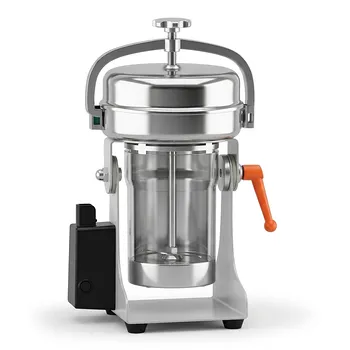
High Efficiency High Speed Grinder 2200W 25000 RPM Laboratory Sample Preparation
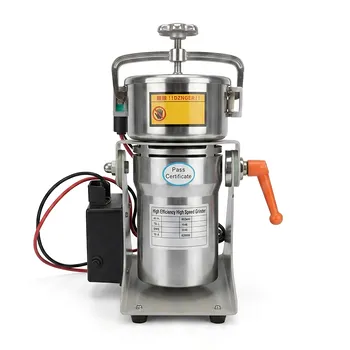
High Efficiency High Speed Grinder Laboratory Mill 1300W 25000rpm
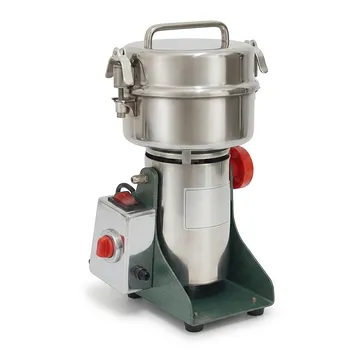
Small High Speed Grinder for Laboratory Sample Preparation
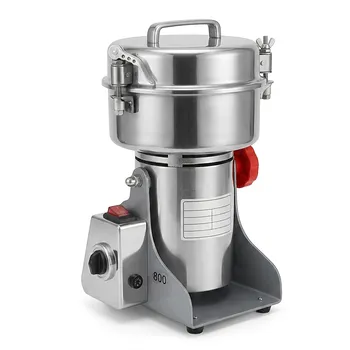
Small High-Speed Laboratory Grinder for Rapid Sample Preparation
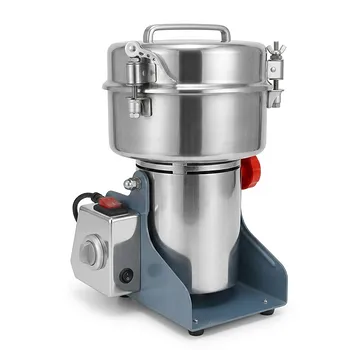
Small High-Speed Grinder for Efficient Laboratory Sample Preparation
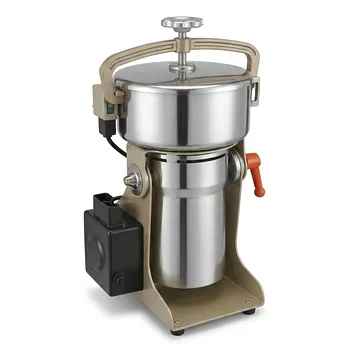
Multifunctional High Efficiency High Speed Laboratory Grinder
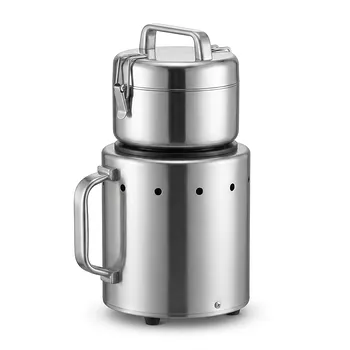
Small High Speed Grinder for Laboratory Sample Preparation
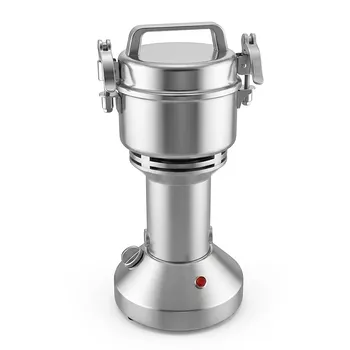
Small High Speed Upright Grinder for Laboratory Sample Preparation
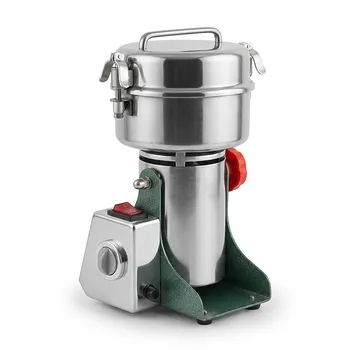
Small High-Speed Swing Grinder for Laboratory Sample Preparation
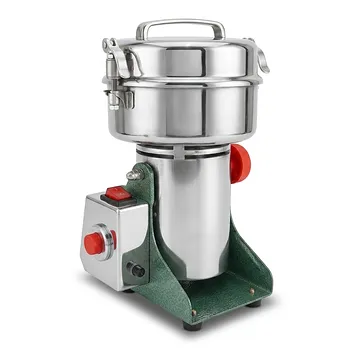
Small High-Speed Laboratory Grinder for Powder Processing
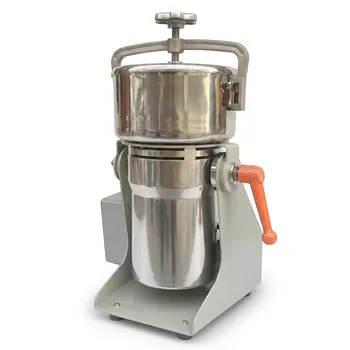
High Speed Laboratory Grinder Efficient Stainless Steel Powder Pulverizer Universal Material Science Mill for Sample Preparation
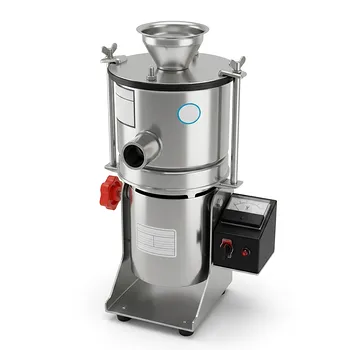
Air Guided Ultrafine Pulverizer High Speed Laboratory Powder Grinder for Chemical and Material Processing
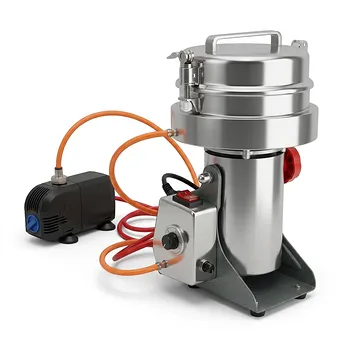
Water Cooled High Speed Grinder with Cryogenic Option for Laboratory Sample Preparation
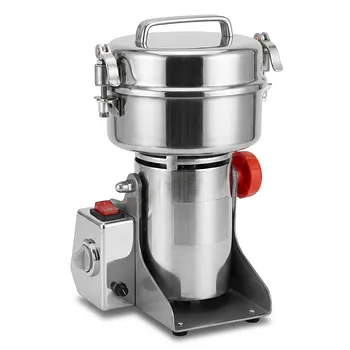
High Speed Laboratory Powder Grinder Small Batch Sample Preparation Mill
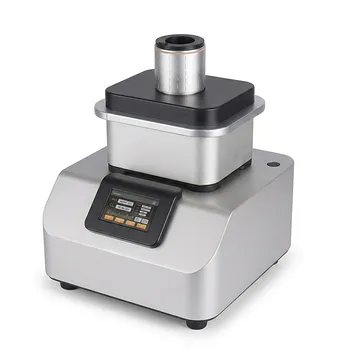
Ultra Centrifugal Mill High Speed Laboratory Grinder for Fibrous and Brittle Sample Preparation
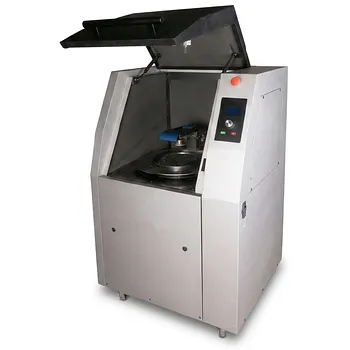
High Speed Vibratory Disc Mill for Spectral Analysis Sample Preparation and Rapid Powder Grinding
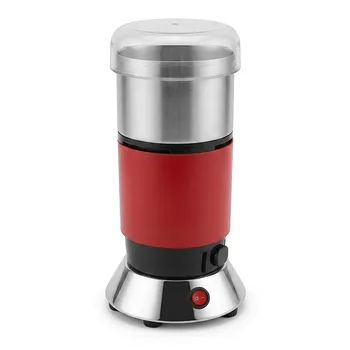
Micro Solid Sample Grinder High Speed Pulverizer for Laboratory Small Batch Grinding
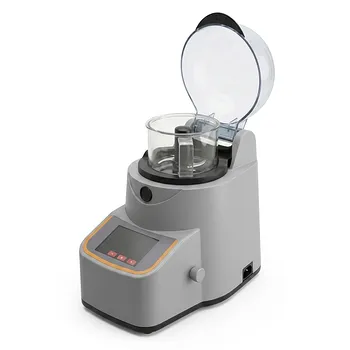
Industrial Knife Mill for Food and Biological Sample Preparation High Speed Laboratory Homogenizer
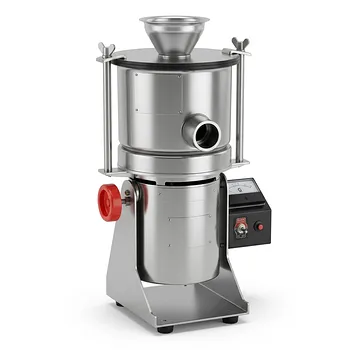
Laboratory Ultrafine Impact and Airflow Grinder for Precise Particle Size Control