Why is a high-purity argon gas environment required during the high-energy ball milling of titanium powders? Protect Purity
Updated 3 months ago
High-energy ball milling of titanium requires a high-purity argon environment to prevent catastrophic oxidation and nitridation of the powder. Titanium is exceptionally reactive, especially when refined into fine particles with high surface areas. Without an inert argon shield, the frictional heat generated during milling would cause the titanium to absorb oxygen and nitrogen, leading to material embrittlement and ruined chemical stoichiometry.
A high-purity argon atmosphere acts as a critical barrier that preserves the metallic integrity of titanium by isolating it from atmospheric contaminants during high-energy processing. This ensures the final material retains its designed mechanical properties and chemical purity.
The High Reactivity of Refined Titanium
The Problem of "Fresh" Surfaces
High-energy ball milling works by repeatedly fracturing and welding powder particles. This process constantly exposes fresh metallic surfaces that have not yet formed a protective oxide layer.
These newly exposed surfaces possess extremely high surface energy. They are chemically "hungry" and will immediately react with any available oxygen or nitrogen atoms in the surrounding environment.
Frictional Heat as a Catalyst
The mechanical energy of the falling balls generates significant frictional heat within the milling jar. This localized temperature spike acts as a catalyst for chemical reactions.
In the presence of even trace amounts of air, this heat accelerates the rate at which titanium absorbs interstitial atoms. This transformation can happen long before the milling cycle is complete.
The Impact of Contamination on Material Properties
Preventing Interstitial Atom Pickup
When titanium is exposed to air during milling, it doesn't just rust on the surface; it absorbs oxygen and nitrogen into its crystal lattice. These are known as interstitial contaminants.
This contamination leads to material embrittlement, making the resulting powder or sintered part brittle and prone to failure. High-purity argon prevents this by displacing air entirely.
Maintaining Stoichiometric Precision
For technical applications like cermets or specialized alloys, the chemical stoichiometry must be exact. Any unintended oxidation changes the ratio of elements in the final product.
By using argon, researchers ensure the metallic activity of the raw materials is preserved. This allows the final synthesized material to match the intended design values precisely.
Understanding the Trade-offs and Risks
Gas Purity vs. Contamination
Using low-grade argon can be a "false economy" in titanium processing. If the argon contains even minor moisture or oxygen impurities, the high surface activity of the titanium will find and react with them.
For critical applications, 99.999% purity is often the standard. Anything less risks oxidative degradation during long-duration, high-load grinding cycles.
The Risk of Seal Failure
An inert atmosphere is only effective if the milling jar remains hermetically sealed. Even a microscopic leak can allow the "breathing" of air due to pressure changes during the milling process.
Regularly inspecting gaskets and valves is essential. A failed seal during a long milling run will result in a contaminated batch that is often impossible to recover.
How to Apply This to Your Project
Making the Right Choice for Your Goal
- If your primary focus is mechanical strength: Ensure the highest purity argon (5N or 6N) is used to prevent interstitial oxygen pickup that causes embrittlement.
- If your primary focus is cost-efficiency: Invest in high-quality milling jars with superior vacuum seals rather than attempting to use lower-grade protective gases.
- If your primary focus is synthesizing new alloys: Monitor the milling temperature closely, as excessive heat can increase the reactivity of the powder even within an argon environment.
By maintaining a rigorous high-purity argon environment, you protect the chemical and structural integrity of titanium powders, ensuring the success of subsequent processing stages.
Summary Table:
| Key Factor | Impact Without Argon Shield | Role of High-Purity Argon |
|---|---|---|
| Surface Reactivity | Rapid oxidation of "fresh" metallic surfaces | Creates an inert barrier for exposed surfaces |
| Thermal Effects | Frictional heat catalyzes chemical reactions | Stabilizes the environment during heat spikes |
| Material Integrity | Absorption of N2/O2 leads to embrittlement | Prevents interstitial atom contamination |
| Stoichiometry | Unintended reactions ruin chemical ratios | Preserves precise metallic activity and design |
Elevate Your Material Research with Precision Engineering
At [Brand Name], we understand that achieving high-purity results in titanium processing requires more than just gas—it requires robust, hermetically sealed equipment. We provide complete laboratory sample preparation solutions for material science, specializing in the high-performance hardware needed to maintain controlled environments.
Our extensive product line supports your entire workflow:
- Advanced Milling: Planetary ball mills, jet mills, and cryogenic grinders designed for superior sealing and efficiency.
- Precision Compaction: A full spectrum of hydraulic presses, including Cold/Warm Isostatic Presses (CIP/WIP), hot presses, and XRF pellet presses.
- Powder Processing: Specialized mixers (powder/defoaming) and sieve shakers to ensure particle uniformity.
Whether you are synthesizing new alloys or optimizing mechanical strength, our equipment ensures your materials remain free from contamination. Contact us today to discuss how our powder processing and compaction solutions can enhance your lab's capabilities!
References
- Tamás Mikó, Zoltán Gácsi. A Novel Process to Produce Ti Parts from Powder Metallurgy with Advanced Properties for Aeronautical Applications. DOI: 10.3390/aerospace10040332
Mentioned Products
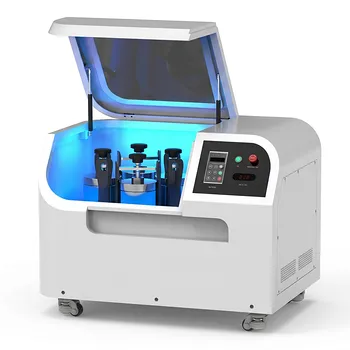
- Vertical Production Planetary Ball Mill for High Throughput Powder Processing
- Single Tank High Energy Vibratory Ball Mill for Laboratory Grinding and Mixing
- Vertical Square Planetary Ball Mill for Laboratory Sample Preparation and Nanoscale Grinding
- Heavy Duty Horizontal Planetary Ball Mill for Efficient Industrial Grinding and Sample Preparation
- 360° Rotating Omnidirectional Laboratory Planetary Ball Mill for Homogeneous Ultra-Fine Grinding and Mixing
People Also Ask
- What is the function of a high-performance planetary ball mill in AMZ laminates? Master Ceramic Homogenization.
- What is the role of a planetary ball mill in Al–Si3N4 nanocomposite prep? Achieve Uniform Homogenization
- What is the function of a planetary ball mill in lanthanum hexaaluminate synthesis? Master Micron-Level Homogenization
- What role does a planetary ball mill play in the synthesis of Er-doped PMN-PT ceramics? Enhancing Homogeneity & Purity
- What are the advantages of using a planetary ball mill for the fine grinding of barium silicate glass powder? Peak Results

Tech Team · PowderPreparation
Last updated on Jun 03, 2026
Related Products
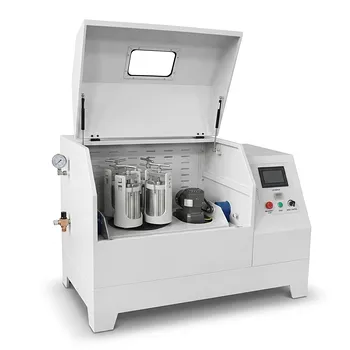
Vertical Production Planetary Ball Mill for High Throughput Powder Processing
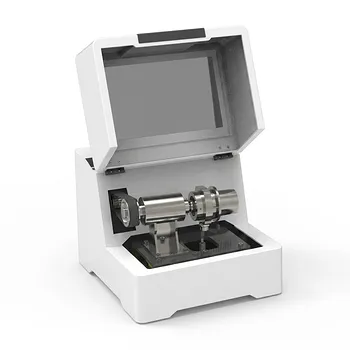
Single Tank High Energy Vibratory Ball Mill for Laboratory Grinding and Mixing
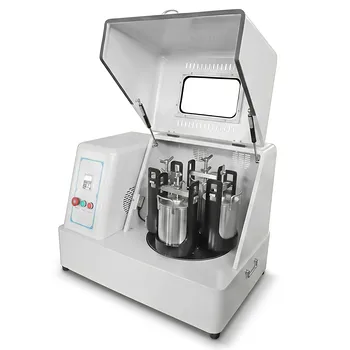
Vertical Square Planetary Ball Mill for Laboratory Sample Preparation and Nanoscale Grinding
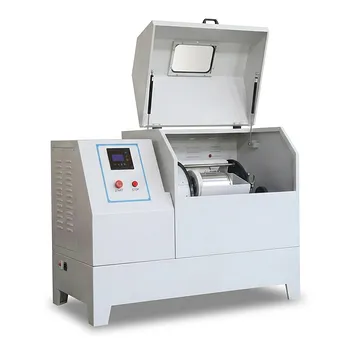
Heavy Duty Horizontal Planetary Ball Mill for Efficient Industrial Grinding and Sample Preparation
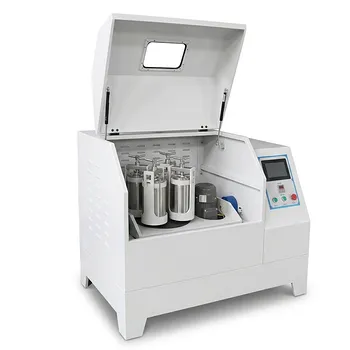
360° Rotating Omnidirectional Laboratory Planetary Ball Mill for Homogeneous Ultra-Fine Grinding and Mixing
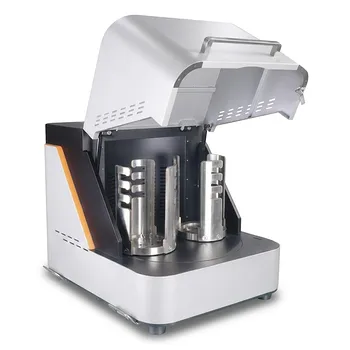
High Energy Laboratory Planetary Ball Mill for Nano Grinding and Colloidal Mixing of Hard and Brittle Materials
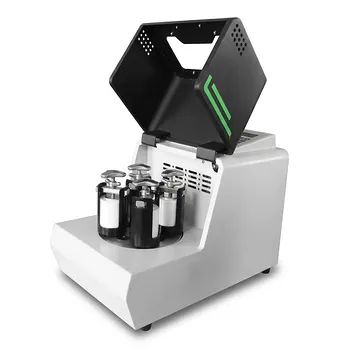
Miniature Planetary Ball Mill with Vacuum Grinding and High Efficiency for Laboratory Sample Preparation

High Energy Laboratory Planetary Ball Mill for Nano Grinding and Material Science Sample Preparation

8L Planetary Ball Mill for Laboratory Grinding and Sample Preparation
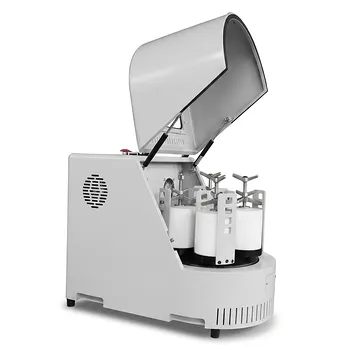
Vertical Semi Circular Planetary Ball Mill for Laboratory Precision Grinding
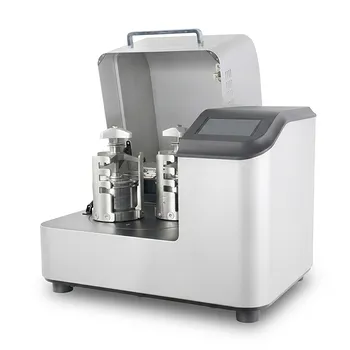
High Energy Planetary Ball Mill for Nano Scale Grinding and Mechanical Alloying
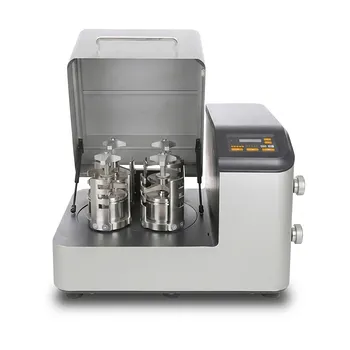
High Energy Planetary Ball Mill for Nano Scale Grinding and Colloidal Mixing in Material Science Research

Nano High Energy Vibratory Ball Mill for Laboratory Sample Preparation
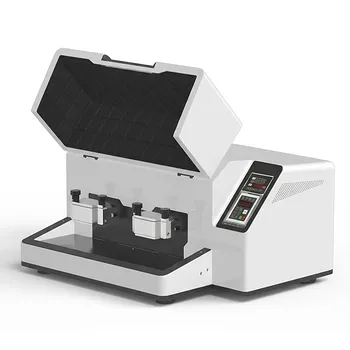
Nanoscale High-Energy Vibratory Ball Mill for Laboratory Sample Preparation, Mechanochemistry, and Mechanical Alloying
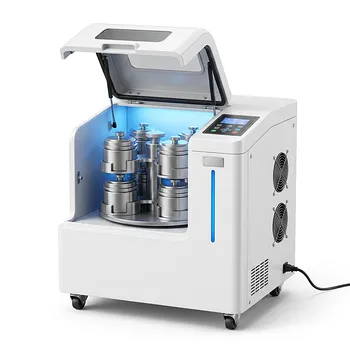
High Energy Omnidirectional Planetary Ball Mill 20L
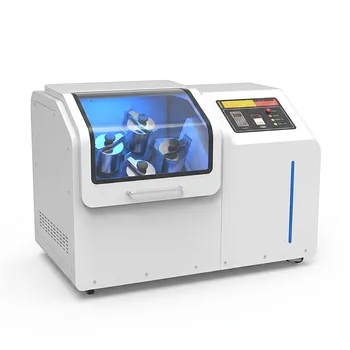
High Energy Omnidirectional Planetary Ball Mill 16L
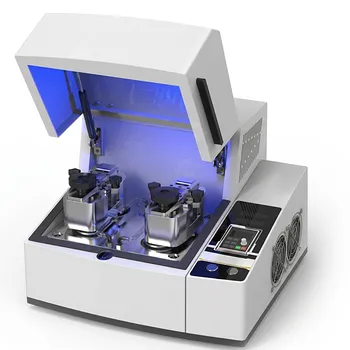
Laboratory Nano High Energy Ball Mill Ultrafine Grinding Mechanical Alloying
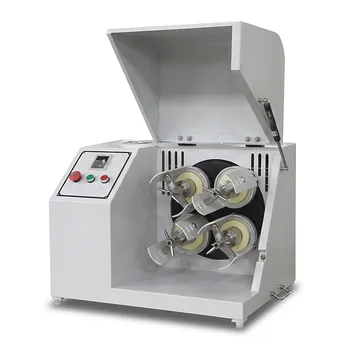
Horizontal Light Duty Planetary Ball Mill for Laboratory Sample Preparation
Dual Station Planetary Ball Mill 24L