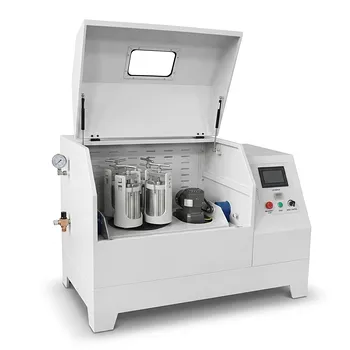
Why is a high-hardness disc mill with tungsten carbide necessary for alloy ingots? Achieve Pure, High-Power Crushing
Updated 4 months ago
High-hardness disc mills equipped with tungsten carbide components are essential for alloy ingots because they facilitate high-power impact crushing while maintaining strict material purity. These specialized mills generate the necessary kinetic energy to fracture chemically stable and extremely hard noble metal alloys. By using tungsten carbide, the equipment avoids introducing metallic impurities like iron or chromium into the high-value samples.
To successfully process noble metal alloy ingots, the equipment must overcome extreme material hardness without sacrificing chemical integrity. Tungsten carbide provides the unique combination of density and hardness required to deliver high-frequency impacts that achieve rapid particle reduction and uncontaminated results.
Overcoming Material Resilience and Hardness
Delivering High-Frequency Impact Power
Noble metal alloy ingots are characterized by extreme hardness and chemical stability, making them resistant to standard crushing methods. A high-hardness disc mill utilizes tungsten carbide striking rods to deliver high-frequency, high-power impacts directly to the bulky alloy. This mechanical stress is necessary to overcome the structural bonds of the ingot and initiate fragmentation.
Rapid Reduction to Uniform Particle Size
The efficiency of tungsten carbide allows for the rapid transformation of large blocks into a uniform base material. Similar to industrial rock crushing, these mills can reduce hard samples to a particle size of less than 0.5 mm in a matter of seconds. This speed is critical for creating a consistent powder that is ready for subsequent fine micronization or chemical analysis.
Generating Significant Kinetic Energy
Tungsten carbide is an ultra-high-density material, which allows grinding components to generate substantial kinetic energy during operation. This energy is vital for breaking down hardened composites that might otherwise resist deformation. The resulting impact forces ensure that the material is not just compressed, but effectively crushed and refined into the desired morphology.
Protecting Sample Integrity and Purity
Eliminating Cross-Contamination
When processing noble metals, the primary risk is contamination from the grinding media itself. Standard steel components often shed particles of iron or chromium due to the abrasive nature of the alloy ingots. Tungsten carbide’s extreme wear resistance ensures that the sample remains chemically pure throughout the preliminary crushing phase.
Maintaining Structural Integrity
The impact surfaces of the disc mill must withstand intense mechanical stress and friction without degrading. Tungsten carbide inserts maintain their shape and surface finish even after long-term exposure to high-hardness materials. This durability ensures consistent crushing quality and prevents the introduction of foreign micro-particles into the sample.
Extending Equipment Maintenance Cycles
Because tungsten carbide experiences minimal wear, the maintenance intervals for high-hardness disc mills are significantly longer than those using softer materials. This reliability is crucial in laboratory and industrial settings where downtime can delay critical analysis. Consistent component geometry also ensures that the impact dynamics remain stable over hundreds of cycles.
Understanding the Trade-offs
Brittleness vs. Hardness
While tungsten carbide is exceptionally hard, it is also more brittle than standard tool steels. This means that while it resists wear from abrasion, it can be susceptible to chipping if the mill is operated with improper clearances or if it encounters uncrushable debris. Users must ensure the mill is correctly calibrated to avoid catastrophic failure of the carbide components.
Cost and Weight Considerations
Tungsten carbide is significantly more expensive and heavier than traditional grinding media. The high density contributes to superior kinetic energy, but it also requires more robust motor systems to drive the mill. The initial investment is higher, though this is typically offset by the purity of the final sample and the longevity of the parts.
Making the Right Choice for Your Goal
How to Apply This to Your Project
To achieve the best results when crushing alloy ingots, you should align your equipment choice with your specific technical requirements.
- If your primary focus is analytical purity: Utilize tungsten carbide containers and rods to ensure that no trace iron or chromium interferes with your noble metal assays.
- If your primary focus is high-throughput processing: Leverage the high-density impact of tungsten carbide to reduce bulky ingots to fine powder in under 30 seconds.
- If your primary focus is process consistency: Select high-hardness disc mills to maintain stable particle size distributions across long production runs with minimal maintenance.
By prioritizing tungsten carbide components, you ensure that your preliminary crushing process is both powerful enough to handle resilient alloys and precise enough to protect your sample's chemical signature.
Summary Table:
| Feature | Tungsten Carbide Advantage | Benefit for Alloy Processing |
|---|---|---|
| Material Density | Ultra-high density and weight | Generates massive kinetic energy for fracturing hard ingots. |
| Chemical Purity | Iron and Chromium-free composition | Eliminates metallic cross-contamination in noble metal samples. |
| Wear Resistance | Extreme hardness and durability | Maintains consistent crushing dynamics and long maintenance cycles. |
| Processing Speed | High-frequency impact power | Reduces bulky alloy blocks to <0.5 mm particles in seconds. |
Elevate Your Material Science Research with Precision Preparation
Are you struggling with sample contamination or the resilience of high-hardness alloys? At [Company Name], we provide complete laboratory sample preparation solutions tailored for material science. We specialize in high-performance powder processing and compaction equipment designed to meet the strictest analytical standards.
Our extensive product line includes:
- Crushing & Grinding: High-hardness disc mills, jaw/roll crushers, planetary ball mills, and liquid nitrogen cryogenic grinders.
- Sieving & Mixing: Vibratory/air-jet sieve shakers and advanced powder/defoaming mixers.
- Compaction Excellence: A full spectrum of hydraulic presses, including Cold/Warm Isostatic Presses (CIP/WIP), XRF pellet presses, and vacuum hot presses.
Whether you are a researcher needing uncontaminated noble metal powders or a distributor seeking reliable OEM/ODM support and certified equipment, we are here to help. Contact us today to discuss your specific application and discover how our specialized tungsten carbide solutions can enhance your laboratory's efficiency and results!
References
- Yuki OIWA, Haruka TADA. Study on Oxygen Partial Pressure Dependence and Kinetic of Oxidation and Vaporization Behavior of Insoluble Residues (Noble Metal Precipitation) in High-Level Waste. DOI: 10.15669/pnst.8.257
Mentioned Products
- Laboratory Disc Mill for Fine Sample Preparation of Hard and Brittle Materials
- Laboratory Disc Mill Medium Hard Material Grinding Coal Coke Ore Pulverizer
- Vibratory Disc Mill for Rapid Fine Grinding and High Throughput Sample Preparation of Hard and Brittle Materials
- Laboratory Disc Mill for Ore and Mineral Sample Preparation
- Medium Hardness Material Disc Pulverizer for Coal Ore Sample Preparation
People Also Ask
- What is the primary function of a laboratory disc mill for oyster shells? Boost Reactivity & Analytical Precision
- What is the purpose of using a laboratory mill to grind dried precipitates? Optimize TiO2/AuNRs Catalyst Homogeneity
- What role does a laboratory mill play in the study of lignite coal co-combustion? Optimizing Fuel Blends and Reactivity
- What is the function of a laboratory mill in Cassia tora L. seed analysis? Master Precision Thermal Data Prep.
- What function does a laboratory mill serve in corn starch saccharification experiments? Optimize Surface Area & Reactions

Tech Team · PowderPreparation
Last updated on Jun 03, 2026
Related Products
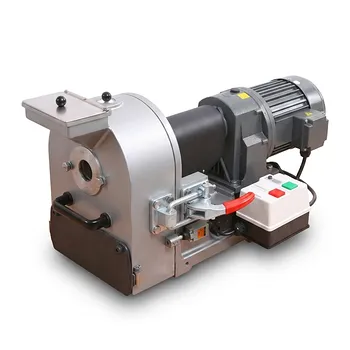
Laboratory Disc Mill for Fine Sample Preparation of Hard and Brittle Materials
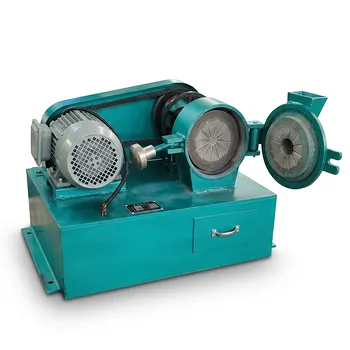
Laboratory Disc Mill Medium Hard Material Grinding Coal Coke Ore Pulverizer
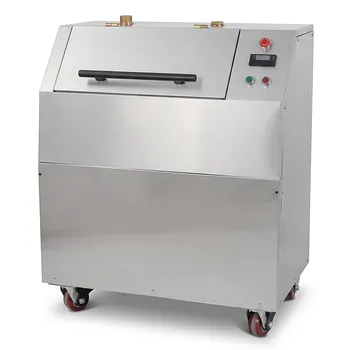
Vibratory Disc Mill for Rapid Fine Grinding and High Throughput Sample Preparation of Hard and Brittle Materials
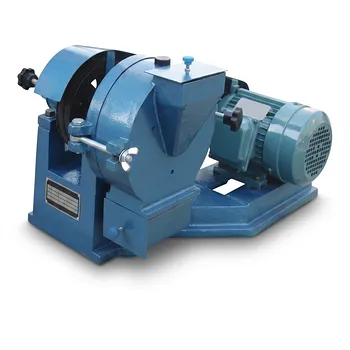
Laboratory Disc Mill for Ore and Mineral Sample Preparation
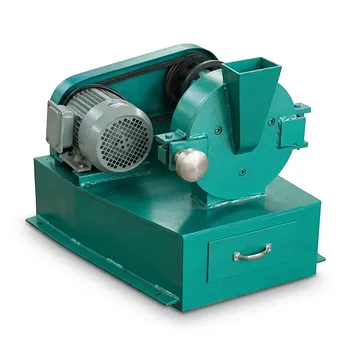
Medium Hardness Material Disc Pulverizer for Coal Ore Sample Preparation
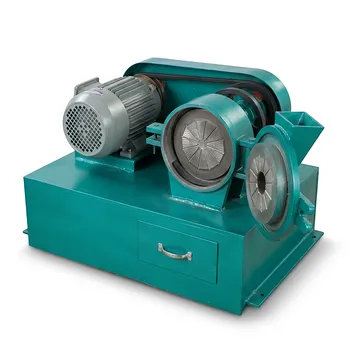
Laboratory Disc Pulverizer for Coal Coke Ore and Medium Hard Materials Sample Preparation
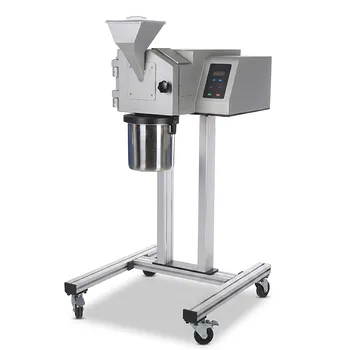
Cross Beater Mill for Brittle Material Grinding and Continuous Fine Crushing Industrial Sample Preparation
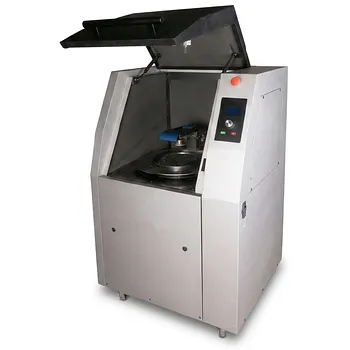
High Speed Vibratory Disc Mill for Spectral Analysis Sample Preparation and Rapid Powder Grinding
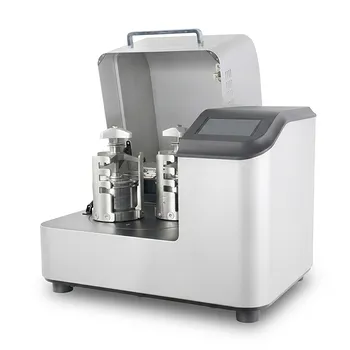
High Energy Planetary Ball Mill for Nano Scale Grinding and Mechanical Alloying
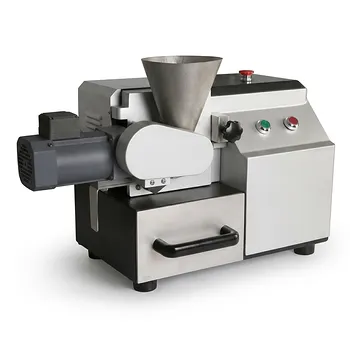
Laboratory Hammer Mill for Coal Quality Analysis and Brittle Mineral Grinding
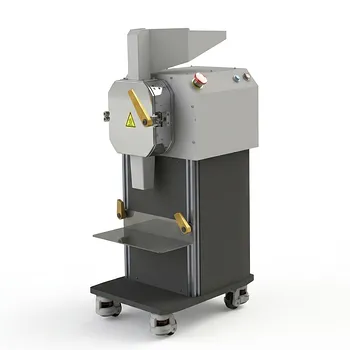
Small Laboratory Knife Crusher for Plastic Sample Preparation and Material Grinding
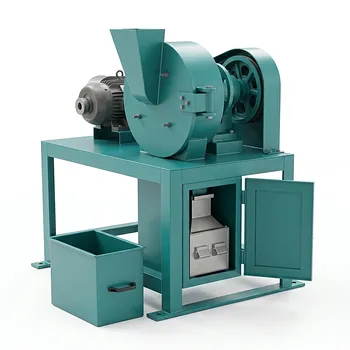
Sealed Disc Pulverizer Customized Model
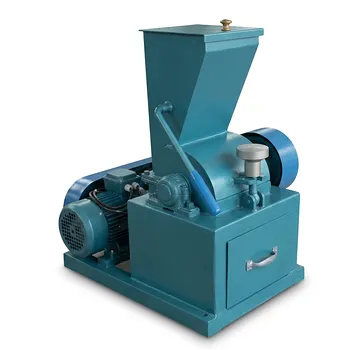
Small Hammer Crusher for Brittle Material Crushing in Mining Metallurgy and Lab Sample Preparation
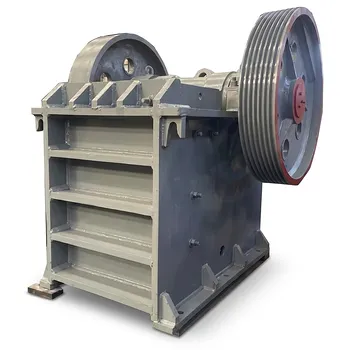
Heavy-Duty Jaw Crusher for Medium-Hard Ore and Industrial Mineral Crushing
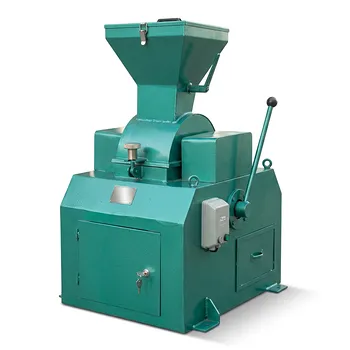
Laboratory Sealed Hammer Blade Crusher Divider for High Hardness Sample Preparation
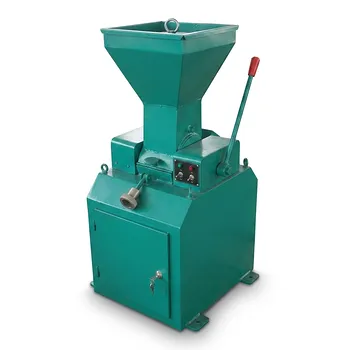
Laboratory Sealed Hammer Crusher for Coal and Mineral Sample Preparation
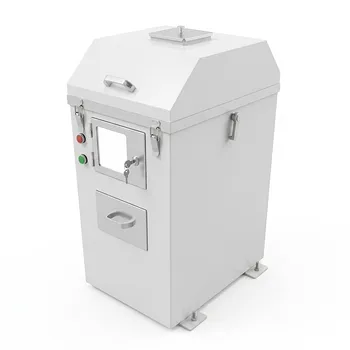
Sealed Double Roll Crusher for Laboratory Sample Preparation of Medium Hardness Materials
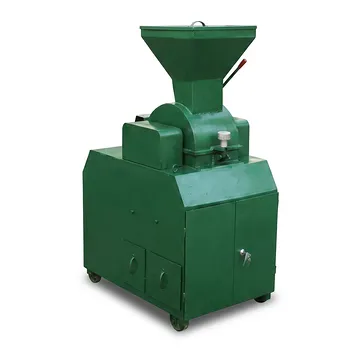
Industrial Sealed Hammer Knife Crusher for Mining Ore and Coal Sample Preparation
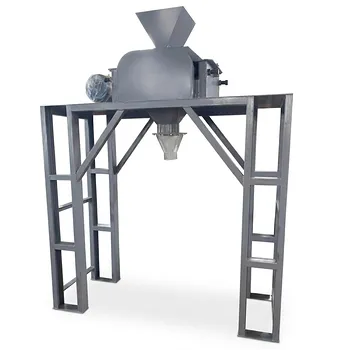
Heightened Customized Laboratory Double Roll Crusher for Coal Ore Rock Crushing