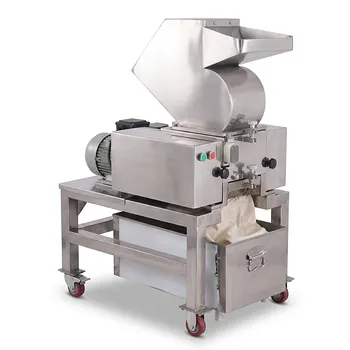
What is the primary function of a mechanical cutting pulverizer in sugarcane bagasse pretreatment? Maximize Reactivity
Updated 5 months ago
The primary function of a mechanical cutting pulverizer in sugarcane bagasse pretreatment is the precise reduction of dry fibrous residues into uniform, millimeter-scale particles.
This mechanical transformation is designed to break down the material’s rigid structural integrity, significantly increasing its specific surface area. By converting raw fibers into a fine powder or short fragments, the pulverizer creates the physical conditions necessary for chemical reagents to penetrate the biomass and for internal binders, such as lignin, to distribute evenly during subsequent molding or extraction processes.
The mechanical cutting pulverizer acts as the essential bridge between raw waste and reactive feedstock. It optimizes the biomass's physical geometry to ensure high chemical accessibility, structural consistency, and superior bonding performance in the final product.
Enhancing Physical and Chemical Reactivity
Maximizing Specific Surface Area
The most critical outcome of pulverization is the dramatic increase in the exposed surface area of the bagasse particles. This expanded surface facilitates more efficient contact between the biomass and external agents, such as ionic liquids or alkaline reagents used in hydrolysis.
Facilitating Reagent Penetration
By reducing the bagasse to a fine powder, the pulverizer removes the physical barriers inherent in the raw stalk and skin. This allows for the rapid dissolution of lignin and the penetration of chemical catalysts, which are essential prerequisites for producing microcrystalline cellulose or biofuels.
Improving Matrix Suspension
In applications like slow-release fertilizers, pulverizing bagasse into fibers smaller than 1 mm allows them to be suspended uniformly within a matrix. This high contact area enhances the physical barrier effect, effectively slowing the diffusion of nutrients into the environment.
Optimizing Structural Binding and Uniformity
Promoting Mechanical Interlocking
During the molding stage, smaller, uniform particles are more capable of mechanical interlocking. This physical entanglement between particles is vital for the structural integrity of molded biomass products, ensuring they do not crumble under stress.
Enabling Lignin Plasticization
Pulverization ensures that lignin binders are uniformly distributed throughout the biomass matrix. During processes like hot-pressing, this uniform distribution allows for efficient plasticization and self-bonding, which are key to achieving high-density, high-strength granules or boards.
Ensuring Batch Consistency
Mechanical cutting mills utilize rotational shearing forces to maintain consistent physical dimensions across different batches. This precision eliminates the impact of particle size fluctuations, ensuring that experimental and industrial results remain repeatable and reliable.
Understanding the Trade-offs
Energy Consumption vs. Particle Size
While finer particles generally increase reactivity, achieving ultra-fine powder requires significantly higher energy inputs. Operators must balance the desired particle size with the cost of electricity and the wear and tear on the pulverizer's cutting blades.
Potential for Thermal Degradation
The high-speed mechanical forces used in pulverizers generate frictional heat. If not carefully managed, this heat can cause the localized degradation of heat-sensitive components within the bagasse, potentially altering the chemical profile of the feedstock before it reaches the reaction phase.
Loss of Structural Reinforcement
In some composite applications, the aspect ratio (length-to-width) of the fiber is more important than the surface area. Over-pulverizing can destroy the long-fiber structure, reducing the tensile strength of the final material if the fibers were intended to act as a structural reinforcement.
Implementing Pulverization for Your Specific Goal
How to Apply This to Your Project
To achieve the best results with sugarcane bagasse, your pulverization strategy should align with your ultimate processing objective:
- If your primary focus is Chemical Extraction or Hydrolysis: Prioritize achieving a fine powder state to maximize surface area for reagent penetration and lignin dissolution.
- If your primary focus is Structural Molding or Pelleting: Focus on achieving a particle size that promotes mechanical interlocking and ensures the uniform distribution of lignin for thermal bonding.
- If your primary focus is Matrix Reinforcement: Use a controlled grind to maintain a specific fiber length (e.g., <1 mm) to ensure uniform suspension without losing the fiber's barrier properties.
By mastering the mechanical breakdown of bagasse, you transform a rigid agricultural byproduct into a highly versatile and reactive industrial resource.
Summary Table:
| Key Function | Primary Benefit | Application Goal |
|---|---|---|
| Surface Area Expansion | Increases chemical accessibility & reagent penetration | Chemical Extraction & Hydrolysis |
| Particle Size Uniformity | Enhances mechanical interlocking & consistency | Structural Molding & Pelleting |
| Lignin Distribution | Promotes uniform plasticization & self-bonding | High-Density Composite Boards |
| Matrix Dispersion | Enables uniform suspension & barrier effects | Slow-Release Fertilizers |
Elevate Your Biomass Research with Precision Engineering
To transform rigid sugarcane bagasse into a high-performance industrial resource, you need equipment that delivers consistency and precision. At [Brand Name], we provide complete laboratory sample preparation solutions tailored for material science.
We specialize in advanced powder processing and compaction equipment, offering a comprehensive line of mechanical cutting mills, planetary ball mills, and jet mills to achieve the perfect particle size for your feedstock. Following pulverization, our full spectrum of hydraulic presses—including Cold/Warm Isostatic Presses (CIP/WIP), standard lab presses, and vacuum hot presses—ensures superior structural binding and plasticization for your final materials.
Whether you are focusing on chemical extraction, biofuel research, or structural composites, our specialized crushers, sieve shakers, and powder mixers are designed to meet the rigorous demands of your laboratory.
Ready to optimize your sample preparation? Contact our experts today to find the perfect solution for your material processing needs!
References
- Ian Dominic F. Tabañag, Luis K. Cabatingan. Utilization of Lignin from Waste Degumming Liquor as Fuel Additive and Binder in Sugarcane Bagasse Briquettes. DOI: 10.4028/p-4ksdat
Mentioned Products
- High Speed Swing Type Laboratory Pulverizer for Fine Powder Grinding and Sample Preparation
- Laboratory Desktop Ultra Fine Powder Grinder High Speed Micronizing Pulverizer
- Airflow Ultrafine Pulverizer for Laboratory Ultra-fine Grinding
- Air Guided Ultrafine Pulverizer High Speed Laboratory Powder Grinder for Chemical and Material Processing
- Laboratory Disc Pulverizer for Coal Coke Ore and Medium Hard Materials Sample Preparation
People Also Ask
- What is the function of a laboratory high-speed pulverizer in the preparation of eggshell powder? Essential Pretreatment
- What is the function of a laboratory pulverizer in Boerhavia diffusa-based adsorbent prep? Maximize Surface Area
- What are the technical advantages of using a high-speed laboratory pulverizer for grinding tablets into powders? 20K RPM
- What role does a high-speed pulverizer play after battery pyrolysis? Maximize Black Mass Purity & Yield
- Why use laboratory pulverizers for blood clam shell concrete additives? Maximize Reactivity and Surface Area

Tech Team · PowderPreparation
Last updated on May 14, 2026
Related Products
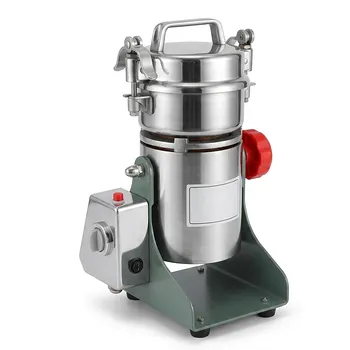
High Speed Swing Type Laboratory Pulverizer for Fine Powder Grinding and Sample Preparation
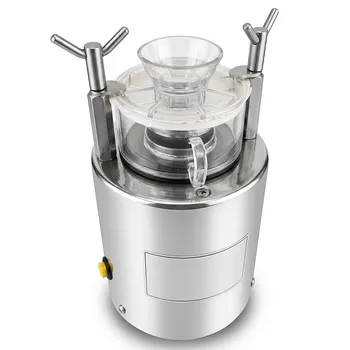
Laboratory Desktop Ultra Fine Powder Grinder High Speed Micronizing Pulverizer
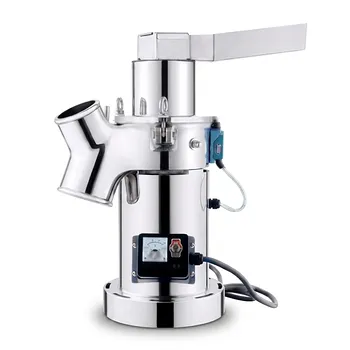
Airflow Ultrafine Pulverizer for Laboratory Ultra-fine Grinding
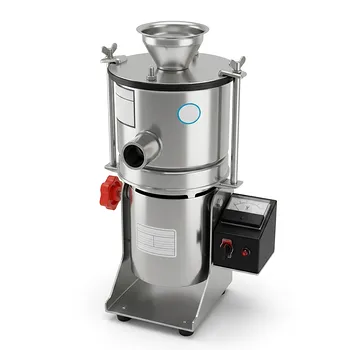
Air Guided Ultrafine Pulverizer High Speed Laboratory Powder Grinder for Chemical and Material Processing
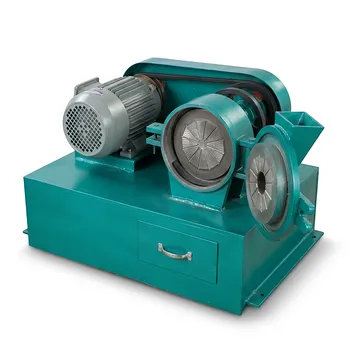
Laboratory Disc Pulverizer for Coal Coke Ore and Medium Hard Materials Sample Preparation
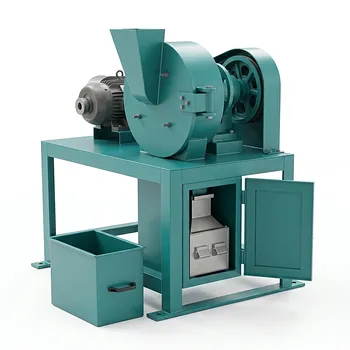
Sealed Disc Pulverizer Customized Model
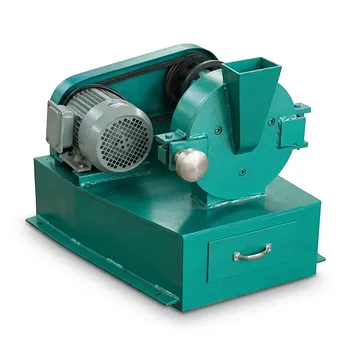
Medium Hardness Material Disc Pulverizer for Coal Ore Sample Preparation
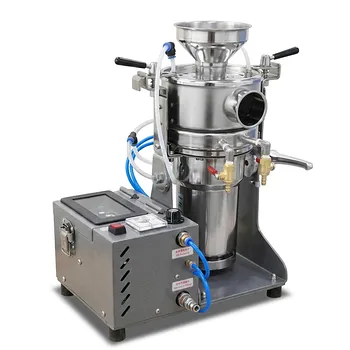
Water Cooled Pulse Jet Ultrafine Grinder
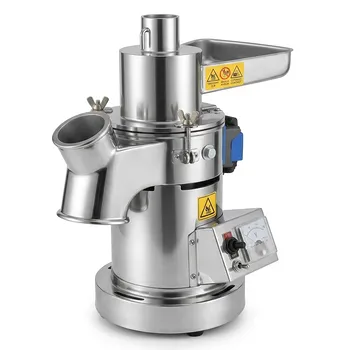
Continuous Feeding Grinder High Efficiency Pulverizer for Lab Sample Preparation
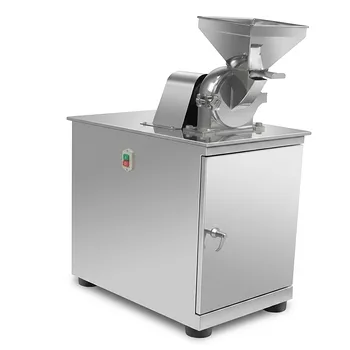
Universal Laboratory Pulverizer Grinder for Small Batch Powder Processing and Material Science Research
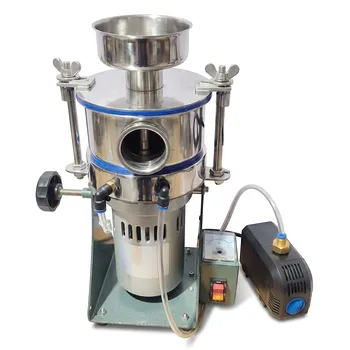
Water Cooled Airflow Ultra Fine Grinder for Low Temperature Material Processing
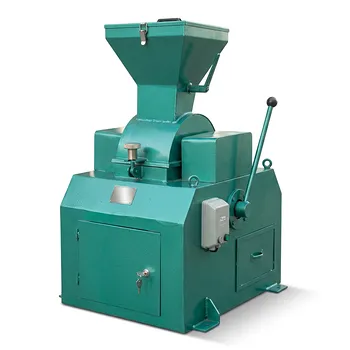
Laboratory Sealed Hammer Blade Crusher Divider for High Hardness Sample Preparation
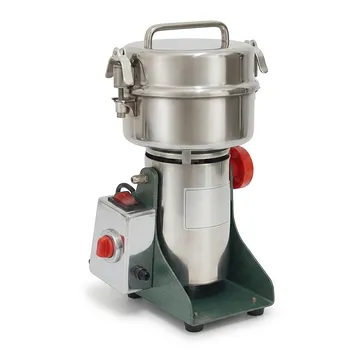
Small High Speed Grinder for Laboratory Sample Preparation
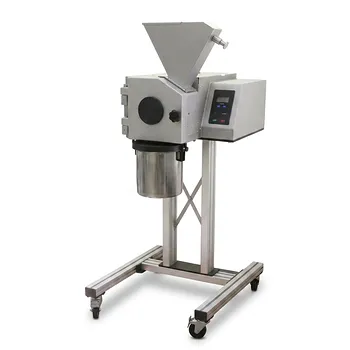
Industrial Cutting Mill for Tough Fibrous and Soft Materials
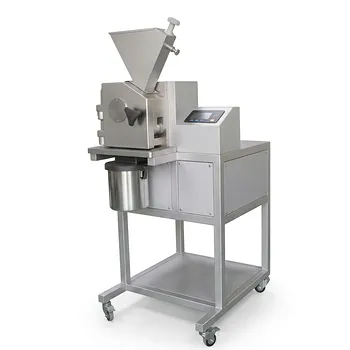
Heavy Metal Free RoHS WEEE Testing Sample Pretreatment Cutting Mill Industrial Solid Waste Grinder for Plastics and Electronics
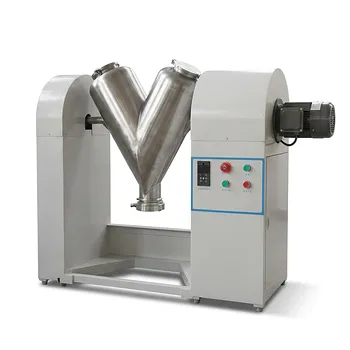
V-Type Powder Mixer for Uniform Blending of Dry Powders and Granules
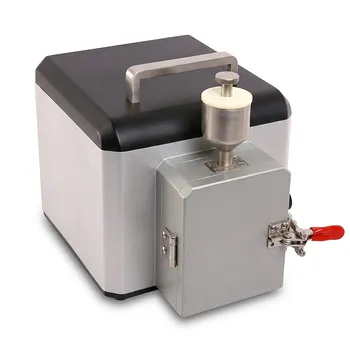
Portable Cutting Mill for Laboratory Sample Preparation and RoHS WEEE Compliance Testing
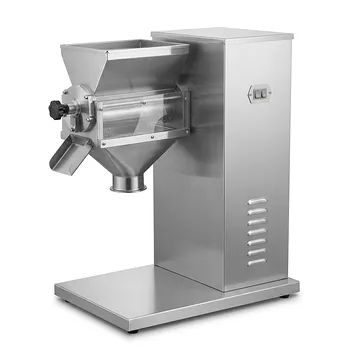
Small Swing Granulator Efficient Powder Granulation for Pharmaceutical Chemical Food Industries