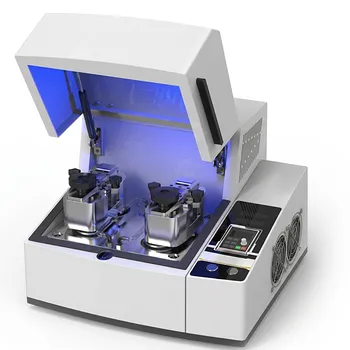
Why are zirconium oxide grinding balls and alumina ceramic jars selected for porcelain clay? Maximize Purity & Efficiency
Updated 5 months ago
Zirconium oxide grinding balls and alumina ceramic jars are selected to maximize grinding efficiency while ensuring the absolute purity of the porcelain clay. This combination provides the high kinetic energy required to reduce tough minerals like quartz and feldspar to a micron-level particle size (approximately 5.8 μm) within a standard 10-hour milling cycle. Crucially, the extreme wear resistance and chemical stability of these materials prevent media debris from contaminating the slurry, which is vital for maintaining the final color quality and structural integrity of the porcelain.
The selection of zirconia media and alumina jars balances high-impact energy with superior wear resistance. This configuration ensures rapid powder refinement while preventing the introduction of foreign impurities that would degrade the ceramic's aesthetic and mechanical properties.
The Mechanics of Efficient Particle Reduction
High Density and Kinetic Energy
Zirconium oxide (zirconia) is chosen primarily for its high density and extreme hardness. During the ball milling process, the high mass of the zirconia balls generates significantly greater impact kinetic energy compared to lighter media.
This energy is essential for pulverizing the hard mineral components of porcelain clay, such as quartz and feldspar. The increased force accelerates the refinement process, shortening the time required to reach the desired powder consistency.
Achieving Micron-Level Precision
The goal of milling porcelain clay is often to achieve a specific particle size distribution, typically around 5.8 μm. Zirconia's mechanical properties allow it to maintain consistent grinding performance over long durations, such as 10 to 16-hour cycles.
Because the media does not deform or wear down rapidly, it provides consistent pressure and friction. This results in a more uniform slurry, which is critical for the stability and "shrinkage control" of the porcelain during firing.
Preserving Material Integrity and Color
Minimizing Wear-Induced Contamination
High-purity alumina ceramic jars and zirconia balls are utilized because they exhibit exceptional wear resistance. In high-energy planetary mills, inferior materials often shed microscopic particles into the mixture due to mechanical abrasion.
In porcelain production, even trace amounts of metallic or low-grade ceramic impurities can cause discoloration or "specking" in the finished product. Using high-purity zirconia and alumina ensures that the clay remains free of foreign debris, preserving its bright white color.
Chemical Stability and Inertness
Zirconia and alumina are both chemically inert, meaning they do not react with the clay slurry or the liquid medium used during wet milling. This stability ensures that the elemental ratios of the porcelain composition remain precise.
This is particularly important for high-end electrical porcelain or medical-grade ceramics. The lack of chemical cross-contamination ensures that the dielectric properties and mechanical strength of the final material are not compromised.
Understanding the Trade-offs
The Cost of Performance
The primary disadvantage of using zirconium oxide and high-purity alumina is the initial capital investment. Zirconia is significantly more expensive than alumina or steel grinding media.
However, this cost is usually offset by the longevity of the media. Because zirconia wears down so slowly, the frequency of media replacement is reduced, and the risk of batch rejection due to contamination is nearly eliminated.
Weight and Equipment Stress
The high density of zirconia balls places a higher mechanical load on the ball mill’s motor and drive system. Operators must ensure that the mill is rated for the total weight of the zirconia media to prevent premature equipment failure.
Additionally, while alumina jars are excellent for purity, they are more brittle than steel. They require careful handling to avoid thermal shock or mechanical cracking during high-speed operations.
How to Apply This to Your Project
Selecting the right milling components depends on your specific production requirements and quality standards.
- If your primary focus is maximum purity and color clarity: Use high-purity zirconia balls in combination with alumina or zirconia-lined jars to eliminate the risk of dark-colored contaminants.
- If your primary focus is reducing processing time: Prioritize zirconia media for its high density, which provides the impact energy needed to break down hard minerals faster than standard alumina media.
- If your primary focus is cost-efficiency for low-grade ceramics: Consider using alumina balls and jars, which offer a balance of decent wear resistance at a lower price point than zirconia.
The synergy between zirconia media and alumina jars remains the gold standard for achieving high-performance porcelain ceramics with predictable, high-quality results.
Summary Table:
| Component | Key Property | Primary Benefit in Porcelain Milling |
|---|---|---|
| Zirconia Balls | High Density & Hardness | High kinetic energy for rapid micron-level (5.8 μm) reduction. |
| Alumina Jars | Wear Resistance | Prevents debris contamination and preserves white color. |
| The Combination | Chemical Inertness | Ensures precise elemental ratios and structural integrity. |
| System Impact | Low Wear Rate | Long-term cost savings despite higher initial investment. |
Optimize Your Material Preparation with Expert Solutions
At [Your Brand Name], we provide complete laboratory sample preparation solutions tailored for material science and high-performance ceramics. Whether you are refining porcelain clay or developing advanced technical materials, our specialized powder processing equipment ensures industry-leading precision.
Our extensive product lines include:
- Advanced Milling: Planetary ball mills, jet mills, and cryogenic grinders for micron-level refinement.
- Preparation Tools: High-purity alumina and zirconia jars, sieve shakers, and powder mixers.
- Compaction Excellence: A full spectrum of hydraulic presses, including Cold/Warm Isostatic Presses (CIP/WIP), vacuum hot presses, and XRF pellet presses.
Ready to enhance your lab's efficiency and ensure contamination-free results? Contact our technical team today to find the perfect equipment configuration for your specific application!
References
- Takashi Akatsu, Dong Hao. 天草磁器土を原料とする磁器の下絵付け・ 施釉前の素焼き温度. DOI: 10.34551/0002000009
Mentioned Products
- High Energy Omnidirectional Planetary Ball Mill 16L
- Vertical Nano Bead Mill for Ceramic Materials with Permanent Magnet Motor and High Efficiency Grinding
- 8L Planetary Ball Mill for Laboratory Grinding and Sample Preparation
- High Energy Omnidirectional Planetary Ball Mill 20L
- Single Tank High Energy Vibratory Ball Mill for Laboratory Grinding and Mixing
People Also Ask
- What role does an omni-directional planetary ball mill play in brass/cobalt antimonide pretreatment? Achieve Nano-Scale Homogeneity.
- What is the role of a high-energy planetary ball mill in Li2ZrO3 and LBS prep? Achieve Superior Electrolyte Density
- What role does a high-energy planetary ball mill play in processing quenched bioactive glass? Achieve Nano-Scale Precision
- What role does a planetary ball mill play in nano-mineral filler prep? Achieve Sub-100nm Precision & Performance
- What role does a high-energy planetary ball mill play in magnesium-based hydrogen storage alloy preparation?

Tech Team · PowderPreparation
Last updated on May 14, 2026
Related Products
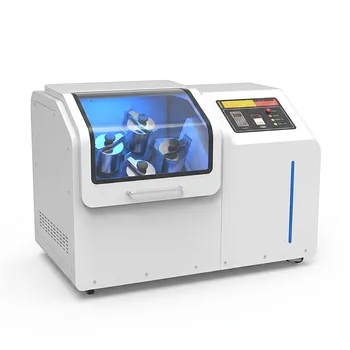
High Energy Omnidirectional Planetary Ball Mill 16L
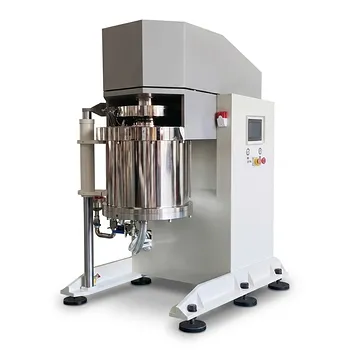
Vertical Nano Bead Mill for Ceramic Materials with Permanent Magnet Motor and High Efficiency Grinding
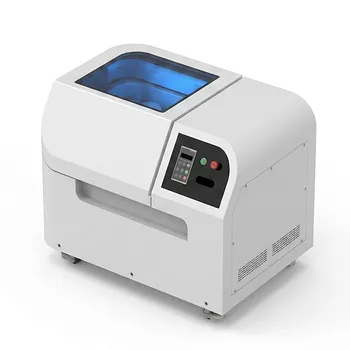
8L Planetary Ball Mill for Laboratory Grinding and Sample Preparation
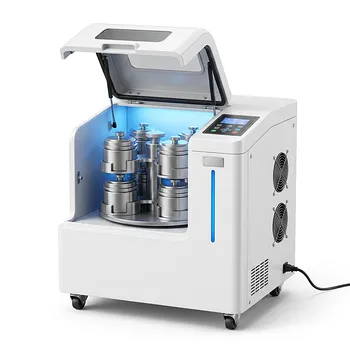
High Energy Omnidirectional Planetary Ball Mill 20L
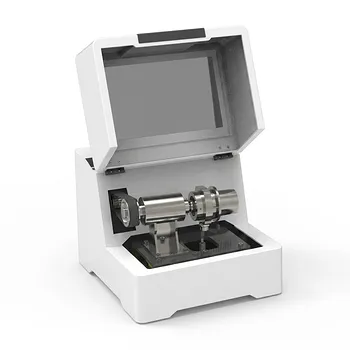
Single Tank High Energy Vibratory Ball Mill for Laboratory Grinding and Mixing