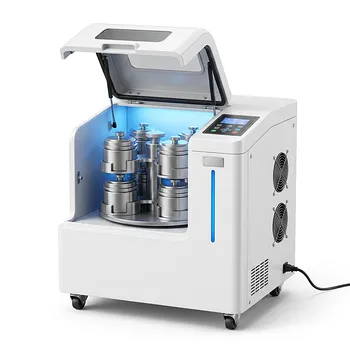
Why are zirconia grinding jars and milling balls preferred for the ball milling process of LSiPSCl? High-Purity Milling
Updated 5 months ago
Zirconia (ZrO2) grinding media are the preferred choice for processing Li-Si-P-S-Cl (LSiPSCl) electrolytes due to their exceptional mechanical hardness and chemical inertness. These properties ensure that the media can withstand high-intensity impacts during ball milling without shedding debris or reacting with the sensitive sulfide-based materials. By preventing the introduction of impurities, zirconia preserves the high ionic conductivity and electrochemical stability essential for high-performance solid-state batteries.
To maintain the strict chemical purity required for sulfide solid electrolytes like LSiPSCl, zirconia media provide a "zero-contamination" environment that balances extreme wear resistance with the high impact energy necessary for material refinement.
The Mechanical Necessity of High Hardness
Resistance to High-Intensity Impacts
The synthesis of LSiPSCl often requires high-energy ball milling to achieve full amorphization and the necessary nanocompositing of the precursor materials. Zirconia possesses the extreme hardness required to endure these severe mechanical stresses over long durations—sometimes exceeding 100 hours—without physical failure.
Minimizing Mechanical Wear Debris
Standard grinding media, such as alumina or stainless steel, can shed micro-particles under the intense friction of the milling process. Because zirconia has superior wear resistance, it exhibits extremely low wear rates, ensuring that the final electrolyte powder is not contaminated by mechanical debris from the jars or balls.
Effective Powder Refinement
The high density of zirconia provides the necessary kinetic energy during collisions to effectively reduce particle size. This energy is critical for achieving the homogeneous particle distribution and fine microstructure required for optimal ion transport within the solid electrolyte.
Protecting Chemical and Electrochemical Integrity
Chemical Inertness in Sulfide Systems
Sulfide-based electrolytes like LSiPSCl are highly sensitive to their environment and can easily react with foreign materials. Zirconia is chemically inert in the presence of these precursors, meaning it will not trigger unwanted secondary reactions that could alter the chemical composition of the electrolyte.
Preventing Degradation of Ionic Conductivity
The introduction of even trace amounts of metallic or oxide impurities can significantly hinder the movement of lithium ions. By using zirconia, researchers and manufacturers ensure that the ionic conductivity of the LSiPSCl is not compromised by foreign ions, which is vital for the battery's overall power density.
Maintaining Electrochemical Stability
Impurities introduced during milling can create localized instabilities that lead to side reactions during battery cycling. Zirconia's ability to maintain high chemical purity ensures that the electrolyte remains stable when in contact with the lithium-metal anode or high-voltage cathodes.
Understanding the Trade-offs
Cost and Material Weight
Zirconia is significantly more expensive than alumina or hardened steel media, making the initial capital investment higher. Additionally, while its density is high enough for effective milling, it is lower than that of tungsten carbide, which may be required for even more specialized, ultra-high-density applications.
Thermal Management
During high-speed milling, the friction and impact generate significant heat. While zirconia has excellent thermal stability, its low thermal conductivity means that heat can build up within the jar if the milling process is not carefully cycled or cooled, potentially affecting the phase stability of the LSiPSCl.
Making the Right Choice for Your Project
Guidelines for Media Selection
When preparing to mill sulfide solid electrolytes, the choice of media grade and milling parameters should align with your specific performance targets.
- If your primary focus is maximum ionic conductivity: Use high-purity yttria-stabilized zirconia (YSZ) to eliminate all metallic contamination.
- If your primary focus is high-throughput production: Opt for larger zirconia grinding jars with integrated cooling systems to mitigate heat build-up during long milling cycles.
- If your primary focus is achieving full amorphization: Select smaller-diameter zirconia milling balls to increase the number of contact points and impact frequency.
The use of zirconia media is the most reliable method for ensuring that the inherent electrochemical advantages of LSiPSCl are fully realized in the final solid-state battery architecture.
Summary Table:
| Feature | Advantage for LSiPSCl Processing | Impact on Battery Performance |
|---|---|---|
| High Hardness | Resists wear during long milling cycles (>100h) | Prevents mechanical impurity buildup |
| Chemical Inertness | No reaction with sensitive sulfide precursors | Maintains chemical and phase stability |
| High Density | Provides high kinetic energy for refinement | Ensures fine, homogeneous particle size |
| Wear Resistance | Minimal shedding of media debris | Preserves high ionic conductivity |
| Thermal Stability | Withstands heat generated during high-speed milling | Protects material integrity |
Elevate Your Solid-State Battery Research with Specialized Sample Prep Solutions
Achieving the perfect LSiPSCl electrolyte requires more than just high-purity materials—it demands precision equipment. At [Brand Name], we provide complete laboratory sample preparation solutions for material science, specializing in powder processing and compaction equipment.
From achieving full amorphization with our planetary ball mills, jet mills, and rotor mills to perfecting sample density with our full spectrum of hydraulic presses (including Cold/Warm Isostatic Presses, hot presses, and XRF pellet presses), we offer the tools necessary for high-performance battery development. Our range also includes crushers, cryogenic grinders, and advanced powder mixers to streamline your entire workflow.
Whether you are a researcher focused on maximizing ionic conductivity or a distributor looking for reliable OEM/ODM support and certified supply chains, our team is ready to assist.
Contact our experts today to optimize your milling and compaction process!
References
- Kazuhiro Hikima, Atsunori Matsuda. Rapid Synthesis of Li<sub>10</sub>GeP<sub>2</sub>S<sub>12</sub>-type Li-Si-P-S-Cl Solid Electrolytes via a Solution Method. DOI: 10.5796/electrochemistry.25-71029
Mentioned Products
- High Energy Omnidirectional Planetary Ball Mill 16L
- Heavy Duty Horizontal Planetary Ball Mill for Efficient Industrial Grinding and Sample Preparation
- 8L Planetary Ball Mill for Laboratory Grinding and Sample Preparation
- Vertical Square Planetary Ball Mill for Laboratory Sample Preparation and Nanoscale Grinding
- Vertical Semi Circular Planetary Ball Mill for Laboratory Precision Grinding
People Also Ask
- What role does an omni-directional planetary ball mill play in brass/cobalt antimonide pretreatment? Achieve Nano-Scale Homogeneity.
- What is the role of a high-energy planetary ball mill in Li2ZrO3 and LBS prep? Achieve Superior Electrolyte Density
- What role does a high-energy planetary ball mill play in processing quenched bioactive glass? Achieve Nano-Scale Precision
- What role does a planetary ball mill play in nano-mineral filler prep? Achieve Sub-100nm Precision & Performance
- What role does a high-energy planetary ball mill play in magnesium-based hydrogen storage alloy preparation?

Tech Team · PowderPreparation
Last updated on May 14, 2026
Related Products
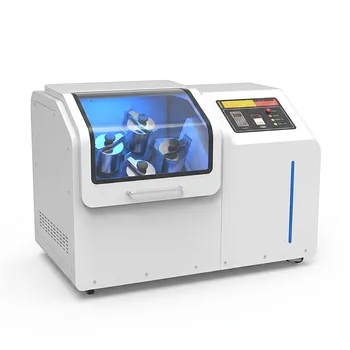
High Energy Omnidirectional Planetary Ball Mill 16L
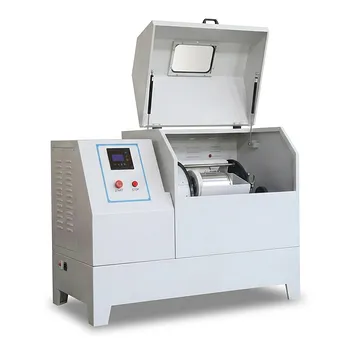
Heavy Duty Horizontal Planetary Ball Mill for Efficient Industrial Grinding and Sample Preparation
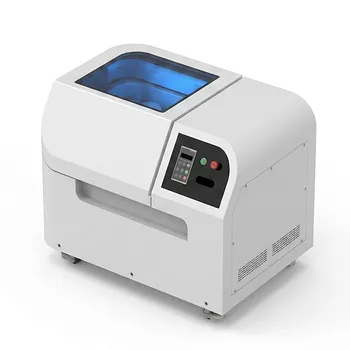
8L Planetary Ball Mill for Laboratory Grinding and Sample Preparation
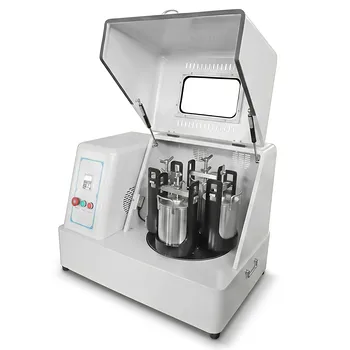
Vertical Square Planetary Ball Mill for Laboratory Sample Preparation and Nanoscale Grinding
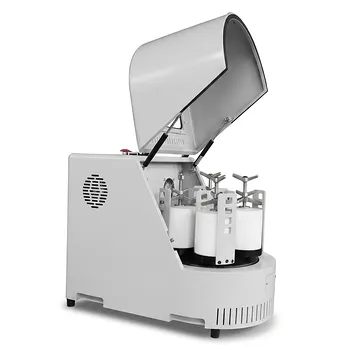
Vertical Semi Circular Planetary Ball Mill for Laboratory Precision Grinding
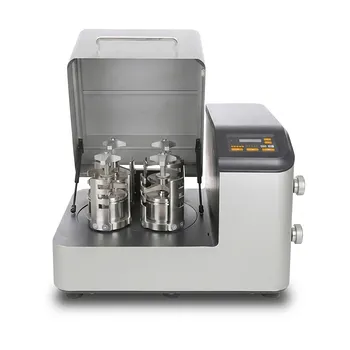
High Energy Planetary Ball Mill for Nano Scale Grinding and Colloidal Mixing in Material Science Research
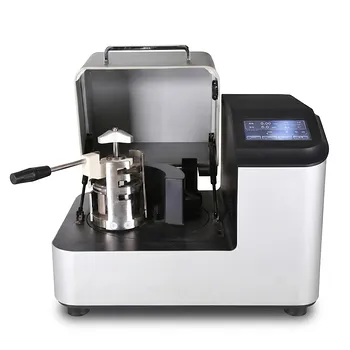
High Energy Laboratory Planetary Ball Mill for Nano Grinding and Material Science Sample Preparation
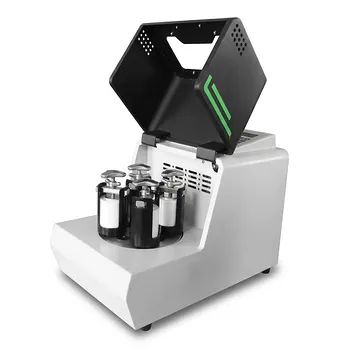
Miniature Planetary Ball Mill with Vacuum Grinding and High Efficiency for Laboratory Sample Preparation
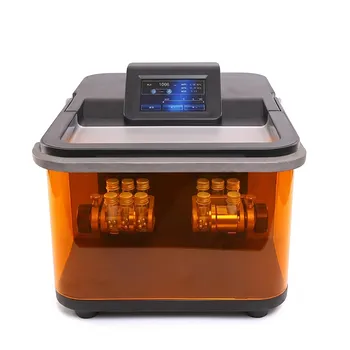
High Throughput Micro Ball Mill for Cryogenic Grinding and Laboratory Cell Disruption
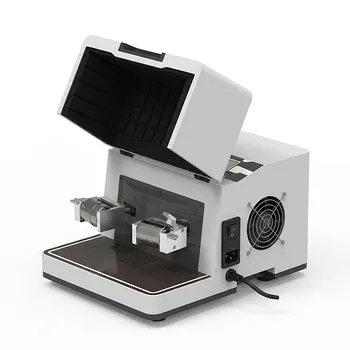
High Energy Hybrid Vibratory Ball Mill for Grinding Mixing and Cell Disruption
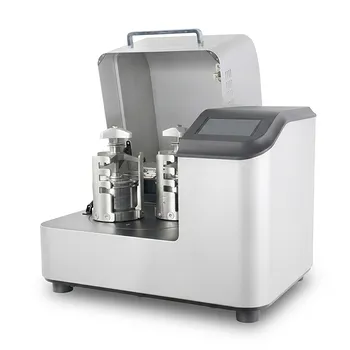
High Energy Planetary Ball Mill for Nano Scale Grinding and Mechanical Alloying
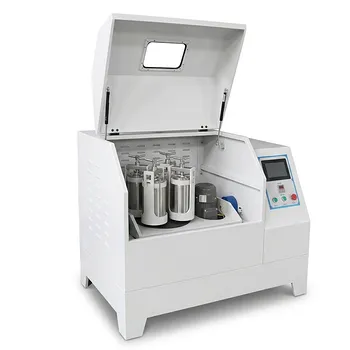
360° Rotating Omnidirectional Laboratory Planetary Ball Mill for Homogeneous Ultra-Fine Grinding and Mixing