Why are high-purity zirconia grinding media considered essential consumables in high-performance ceramic processing?
Updated 5 months ago
High-purity zirconia grinding media are indispensable in high-performance ceramic processing because they simultaneously maximize grinding efficiency and eliminate material contamination. These media utilize exceptional density and hardness to reduce particle sizes rapidly while their chemical inertness ensures that the final ceramic maintains its precise stoichiometry and intended physical properties.
Zirconia media solve the fundamental conflict between high-energy milling and material purity by providing a wear-resistant, chemically stable solution that adheres to the principle of homogeneous grinding. This ensures that the structural and electrical characteristics of advanced ceramics remain uncompromised during intensive processing.
Maximizing Grinding Efficiency and Precision
High Density and Impact Energy
Zirconia media possess a high density and extreme hardness, which are critical for generating the kinetic energy required to fracture hard ceramic raw materials. This high-impact force allows manufacturers to significantly reduce the time required to reach a target particle size.
Achieving Ultra-Fine Particle Sizes
The mechanical strength of zirconia allows it to maintain its stable physical form even during prolonged, high-energy milling cycles exceeding 24 hours. This stability is essential for laboratory and industrial applications where consistent powder refinement is necessary for high-performance applications.
Safeguarding Material Purity and Integrity
Superior Wear Resistance
In the production of electronic and structural ceramics, even trace amounts of impurities can trigger abnormal grain growth or degrade electrical properties. High-purity zirconia exhibits an ultra-low wear rate, which minimizes the introduction of foreign particles caused by media attrition.
Chemical Inertness and Stability
Zirconia is chemically inert, meaning it does not react with the raw material slurries or powders during the milling process. This preservation of chemical stoichiometry is vital for sensitive materials like potassium sodium niobate-based piezoelectric ceramics and high-entropy ceramics.
The Principle of Homogeneous Grinding
When processing zirconia-based composites or high-entropy ceramics, using zirconia media follows the homogeneous grinding principle. Any negligible wear that does occur introduces material that is already compatible with the chemical system, preventing the degradation of thermophysical properties.
Understanding the Trade-offs and Limitations
Cost vs. Performance
High-purity zirconia media represent a higher initial investment compared to alumina or steel media. However, this cost is usually offset by the media's longevity and the reduction in scrapped batches due to impurity contamination.
Density Matching and Equipment Wear
While the high density of zirconia improves grinding efficiency, it also places greater mechanical stress on grinding jars and milling equipment. Users must ensure that their machinery is rated for high-density media to avoid premature equipment failure or unintended wear on the mill liners.
How to Apply This to Your Project
When selecting grinding media, your choice should align with the specific performance requirements of your final ceramic product.
- If your primary focus is electrical or piezoelectric properties: Use high-purity zirconia to prevent trace metal or oxide impurities from altering impedance and dielectric characteristics.
- If your primary focus is rapid particle size reduction: Leverage the high density of zirconia to maximize kinetic impact, especially when dealing with high-hardness materials like cubic zirconia.
- If your primary focus is zirconia-based composites: Employ the homogeneous grinding principle by using zirconia media to ensure that any minor wear remains chemically consistent with your product.
Ultimately, high-purity zirconia media serve as a critical insurance policy for the repeatability and quality of advanced ceramic manufacturing.
Summary Table:
| Feature | Benefit | Key Outcome |
|---|---|---|
| High Density | Increases kinetic energy and impact force | Rapid reduction to ultra-fine particle sizes |
| Extreme Hardness | Resists deformation during high-energy milling | Consistent performance over long cycles |
| Wear Resistance | Minimizes media attrition and debris | Prevents trace impurity contamination |
| Chemical Inertness | No reaction with raw material slurries | Maintains precise chemical stoichiometry |
| Homogeneous Grinding | Compatible with zirconia-based systems | Preserves thermophysical properties |
Elevate your material research with premium grinding and compaction solutions. At [Company Name], we provide complete laboratory sample preparation solutions for material science, specializing in high-performance powder processing equipment.
Our extensive line includes everything from planetary ball mills, jet mills, and cryogenic grinders to a full spectrum of hydraulic presses such as Cold/Warm Isostatic Presses (CIP/WIP) and vacuum hot presses. Whether you are aiming for zero-contamination milling or precise pellet pressing, our expertise ensures your advanced ceramics meet the highest standards of purity and density.
Contact our technical team today to optimize your laboratory workflow and achieve superior material performance!
References
- D. Kolář. Chemical research needed to improve high-temperature processing of advanced ceramic materials (Technical report). DOI: 10.1351/pac200072081425
Mentioned Products
- Continuous Feeding Grinder High Efficiency Pulverizer for Lab Sample Preparation
- Small High-Speed Laboratory Grinder for Rapid Sample Preparation
- Small High Speed Grinder for Laboratory Sample Preparation
- Laboratory Disc Mill Medium Hard Material Grinding Coal Coke Ore Pulverizer
- Small High-Speed Laboratory Grinder for Powder Processing
People Also Ask
- Why must soil samples be ground before XRD or XRF analysis? Ensure Precision & Homogeneity in Lab Results
- What is the function of a laboratory blender for mixed fuels? Achieving Microscopic Uniformity for Accurate Analysis
- What is the function of a laboratory pulverizer in Boerhavia diffusa-based adsorbent prep? Maximize Surface Area
- What are the technical advantages of using a high-speed laboratory pulverizer for grinding tablets into powders? 20K RPM
- What is the function of laboratory-scale pulverizing equipment in bio-adsorptive film prep? Maximize Surface Area

Tech Team · PowderPreparation
Last updated on May 14, 2026
Related Products
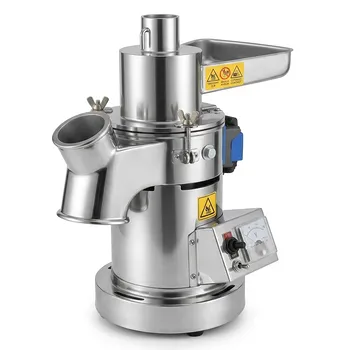
Continuous Feeding Grinder High Efficiency Pulverizer for Lab Sample Preparation
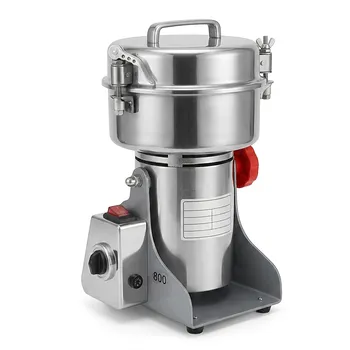
Small High-Speed Laboratory Grinder for Rapid Sample Preparation
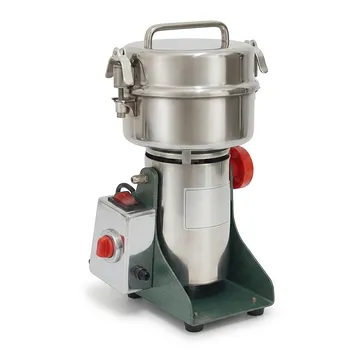
Small High Speed Grinder for Laboratory Sample Preparation
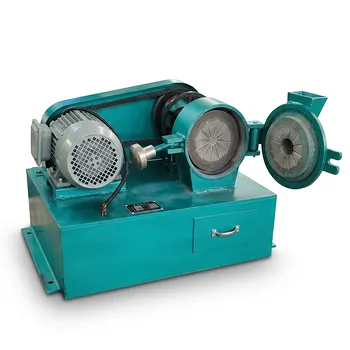
Laboratory Disc Mill Medium Hard Material Grinding Coal Coke Ore Pulverizer
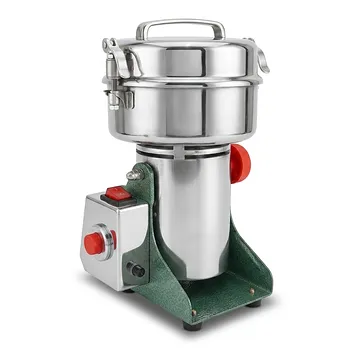
Small High-Speed Laboratory Grinder for Powder Processing
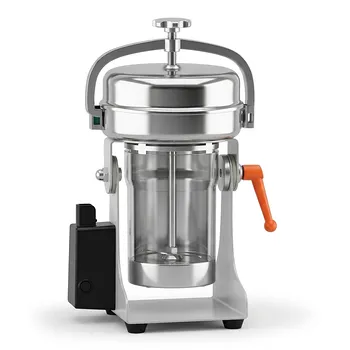
High Efficiency High Speed Grinder 2200W 25000 RPM Laboratory Sample Preparation
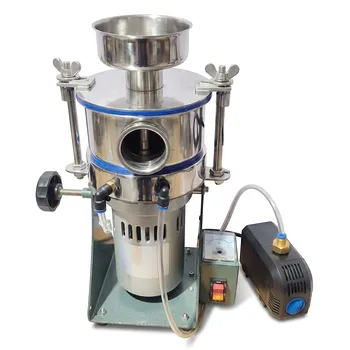
Water Cooled Airflow Ultra Fine Grinder for Low Temperature Material Processing
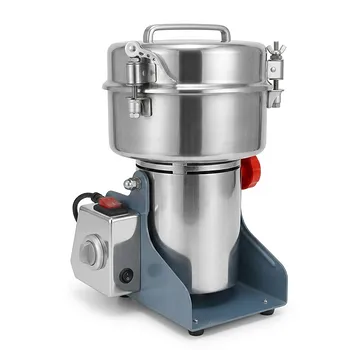
Small High-Speed Grinder for Efficient Laboratory Sample Preparation
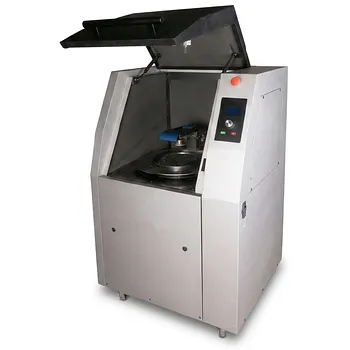
High Speed Vibratory Disc Mill for Spectral Analysis Sample Preparation and Rapid Powder Grinding
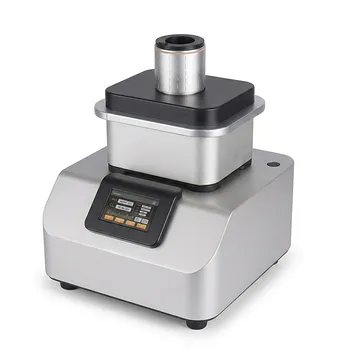
Ultra Centrifugal Mill High Speed Laboratory Grinder for Fibrous and Brittle Sample Preparation