Why must soil samples be ground before XRD or XRF analysis? Ensure Precision & Homogeneity in Lab Results
Updated 5 months ago
The integrity of XRD and XRF analysis depends entirely on the physical state of the sample. Processing plastering soil with laboratory-grade pulverizing equipment is necessary to reduce heterogeneous clods into a uniform, micron-level powder. This standardization eliminates physical interferences, such as particle size effects and preferred orientation, ensuring that the resulting signals are representative of the sample's true chemical and mineralogical composition.
Effective sample preparation via grinding is the bridge between raw soil and reliable data. By achieving a uniform particle size—typically below 50 to 150 microns—analysts eliminate measurement noise and ensure the high-resolution signals required for precise mineral identification and oxide quantification.
Enhancing Analytical Precision
Eliminating Preferred Orientation
In X-ray Diffraction (XRD), large or irregular particles tend to align themselves in specific directions rather than randomly. This preferred orientation biases the diffraction peaks, leading to inaccurate identification of crystalline phases like quartz or calcite.
Grinding the soil into an extremely fine powder ensures that crystal particles are randomly oriented. This allows the X-ray equipment to capture clear, distinct characteristic signals that reflect the true mineralogical proportions of the plastering soil.
Overcoming Matrix and Particle Size Effects
X-ray Fluorescence (XRF) requires X-rays to penetrate and interact with the sample uniformly. Large particles and voids in unground soil create shadowing effects and inconsistent scattering, which distort the analysis of major oxides and trace elements.
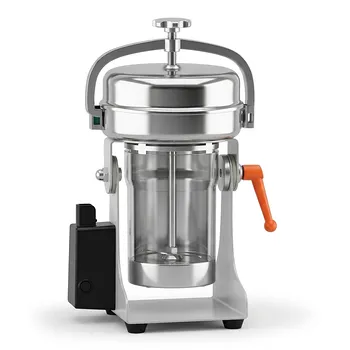
Laboratory pulverizing equipment, such as vibratory mills or disc grinders, homogenizes the sample to eliminate these "matrix effects." This ensures that the tin grade or tantalum concentration detected is a result of the chemistry, not the physical texture.
Ensuring Representative Results
Achieving Chemical Homogenization
Plastering soil is naturally heterogeneous, containing a mix of minerals and organic matter. Using a laboratory sample pulverizer ensures the chemical composition is uniform across the entire specimen.
When the sample is reduced to a consistent micron level (such as 38 microns), the sub-sample used in the instrument becomes truly representative of the original bulk material. This is critical for the reliable quantification of rare earth elements (REEs) and other trace materials.
Maximizing Specific Surface Area
Reducing soil to a fine powder significantly increases its specific surface area. This physical change is vital for supplementary testing, such as acid digestion or fusion processes, where reagents must fully contact the particles.
For techniques like FTIR spectroscopy, a higher surface area allows light to penetrate the sample more effectively. This ensures the detection of characteristic absorption peaks, such as hydrocarbon bonds or carboxylate groups, which might otherwise be masked in coarse samples.
Understanding the Trade-offs
The Risk of Cross-Contamination
While grinding is necessary, the choice of equipment can introduce impurities. Grinding bowls made of chrome steel or tungsten carbide may shed trace amounts of metal into the soil sample. Analysts must select grinding media that do not contain the specific elements they are trying to measure.
Structural Changes Due to Heat
High-energy grinding generates significant heat through friction. In some cases, this thermal energy can trigger phase transitions or dehydrate sensitive clay minerals in the soil. It is often necessary to use interval grinding or cooling cycles to preserve the original mineralogical state of the plastering soil.
Material Loss and Dusting
Extremely fine pulverization increases the risk of losing material in the form of fine dust. This loss can be problematic if the lost particles contain specific minerals that are more prone to "dusting" than others, potentially skewing the final quantitative results.
Applying Preparation Standards to Your Project
Accurate analysis begins in the sample preparation lab, not the spectrometer. The level of refinement required depends specifically on your analytical goals and the sensitivity of your equipment.
- If your primary focus is Phase Identification (XRD): Grind the sample to less than 50 micrometers to ensure random orientation and clear diffraction peaks for crystalline phases.
- If your primary focus is Elemental Quantification (XRF): Prioritize homogeneity and the elimination of grain size deviations by pulverizing the sample to a uniform 38-to-150 micron range.
- If your primary focus is Trace Element Extraction: Use high-energy pulverizers to maximize surface area, ensuring that acid digestion can fully access and extract all target elements.
Properly processed soil samples transform raw environmental data into actionable scientific insights.
Summary Table:
| Analysis Type | Particle Size Requirement | Key Benefit of Grinding |
|---|---|---|
| XRD | < 50 microns | Eliminates preferred orientation for accurate phase ID |
| XRF | 38 - 150 microns | Removes matrix/shadowing effects for elemental accuracy |
| Trace Elements | Ultra-fine micron level | Ensures chemical homogenization and representative sampling |
| General Testing | High surface area | Increases reactivity for acid digestion and FTIR analysis |
Optimize Your Material Analysis with Precision Sample Prep
At [Your Brand Name], we provide complete laboratory sample preparation solutions tailored for material science. Accurate XRD and XRF results begin with superior powder processing. We specialize in high-performance equipment designed to eliminate contamination and ensure particle uniformity.
Our extensive product line includes:
- Size Reduction: Jaw and roll crushers, disc grinders, and rotor mills.
- Advanced Milling: Planetary ball mills, jet mills, and liquid nitrogen cryogenic grinders for heat-sensitive samples.
- Sizing & Mixing: Vibratory/air-jet sieve shakers and high-efficiency powder or defoaming mixers.
- Compaction Solutions: A full spectrum of hydraulic presses, including Cold/Warm Isostatic Presses (CIP/WIP), XRF pellet presses, and vacuum hot presses.
Whether you are a researcher or a high-volume testing facility, our equipment ensures your soil and material samples meet the highest analytical standards.
Contact our experts today to find the perfect grinding or pressing solution for your lab!
References
- Chukwubude, L.N, Nwakaire, C.M. Geotechnical, Physicochemical, and Mineralogical Characterization of Locally Available Plaster Soils in Awka Municipality, Anambra State, Nigeria. DOI: 10.36348/sjet.2025.v10i12.003
Mentioned Products
- High Speed Laboratory Grinder Efficient Stainless Steel Powder Pulverizer Universal Material Science Mill for Sample Preparation
- Laboratory Desktop Ultra Fine Powder Grinder High Speed Micronizing Pulverizer
- Industrial High Speed Small Sample Pulverizer Swing Type Laboratory Grinder for Powder Processing
- Universal Laboratory Pulverizer Grinder for Small Batch Powder Processing and Material Science Research
- Micro Solid Sample Grinder High Speed Pulverizer for Laboratory Small Batch Grinding
People Also Ask
- What role does a laboratory grinder play in the pretreatment of sunflower seed shell-based adsorbents? Boost Efficiency.
- How does a laboratory grinder or mill enhance the adsorption performance of agricultural waste materials? Boost Surface Area
- What is the function of a laboratory high-speed pulverizer in the preparation of eggshell powder? Essential Pretreatment
- What are the technical advantages of using a high-speed laboratory pulverizer for grinding tablets into powders? 20K RPM
- How does high-speed grinding equipment facilitate the preparation of lignin binders? Optimize Powder for Stronger Bonds

Tech Team · PowderPreparation
Last updated on May 14, 2026
Related Products
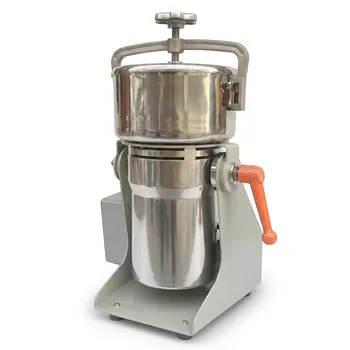
High Speed Laboratory Grinder Efficient Stainless Steel Powder Pulverizer Universal Material Science Mill for Sample Preparation
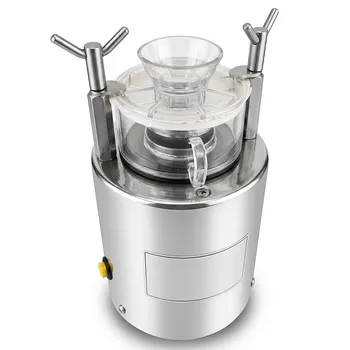
Laboratory Desktop Ultra Fine Powder Grinder High Speed Micronizing Pulverizer
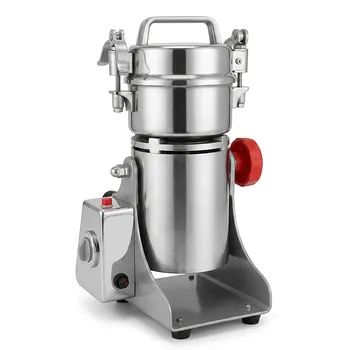
Industrial High Speed Small Sample Pulverizer Swing Type Laboratory Grinder for Powder Processing
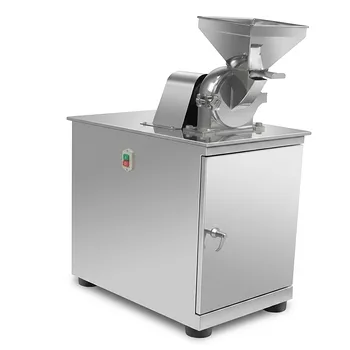
Universal Laboratory Pulverizer Grinder for Small Batch Powder Processing and Material Science Research
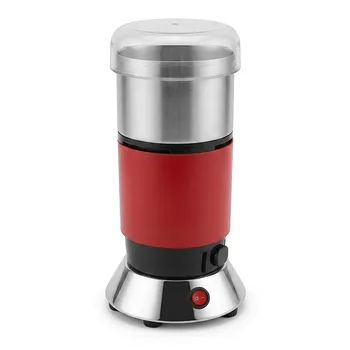
Micro Solid Sample Grinder High Speed Pulverizer for Laboratory Small Batch Grinding
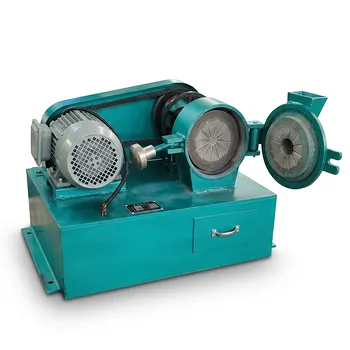
Laboratory Disc Mill Medium Hard Material Grinding Coal Coke Ore Pulverizer
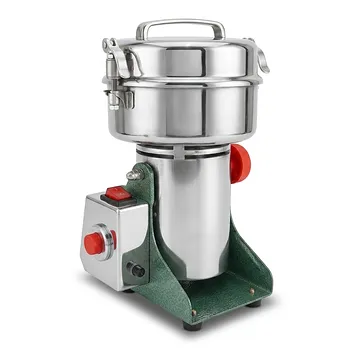
Small High-Speed Laboratory Grinder for Powder Processing
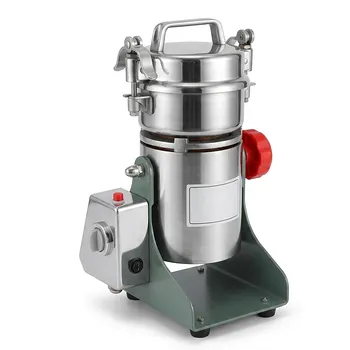
High Speed Swing Type Laboratory Pulverizer for Fine Powder Grinding and Sample Preparation
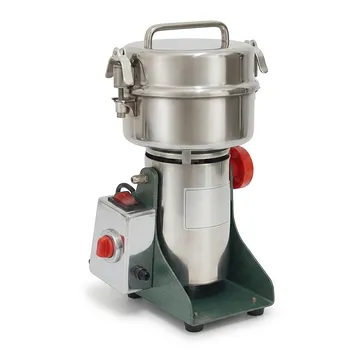
Small High Speed Grinder for Laboratory Sample Preparation
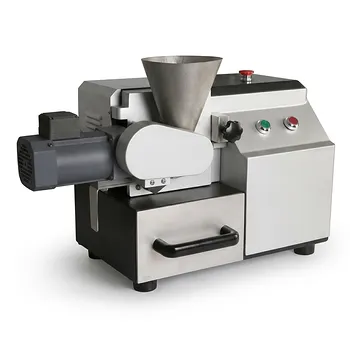
Laboratory Hammer Mill for Coal Quality Analysis and Brittle Mineral Grinding
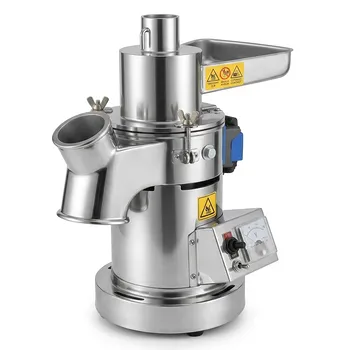
Continuous Feeding Grinder High Efficiency Pulverizer for Lab Sample Preparation
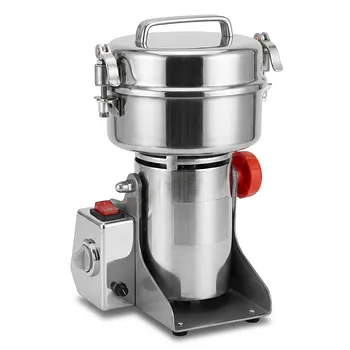
High Speed Laboratory Powder Grinder Small Batch Sample Preparation Mill
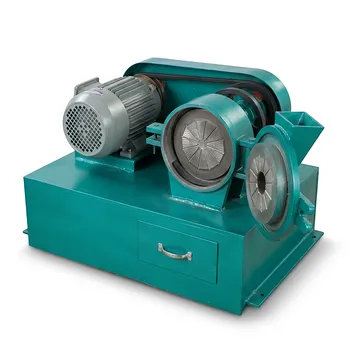
Laboratory Disc Pulverizer for Coal Coke Ore and Medium Hard Materials Sample Preparation
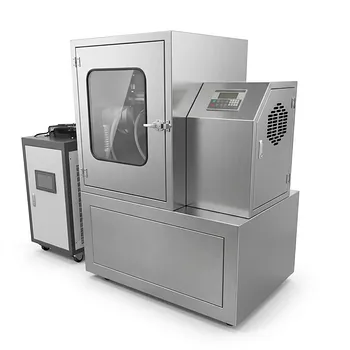
Vibratory Superfine Grinder for Ultra Fine Laboratory Powder Milling
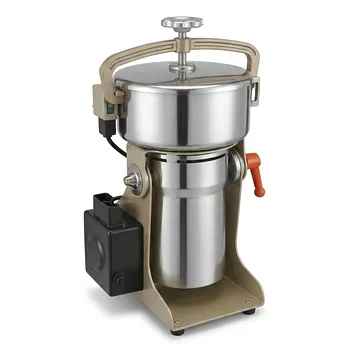
Multifunctional High Efficiency High Speed Laboratory Grinder
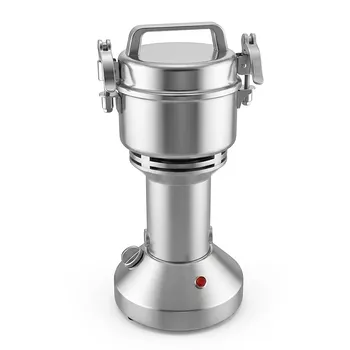
Small High Speed Upright Grinder for Laboratory Sample Preparation
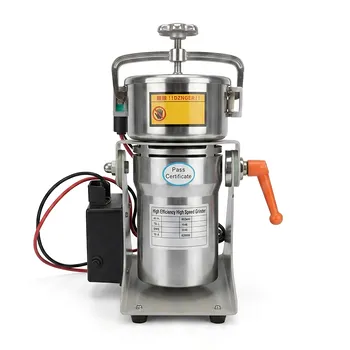
High Efficiency High Speed Grinder Laboratory Mill 1300W 25000rpm
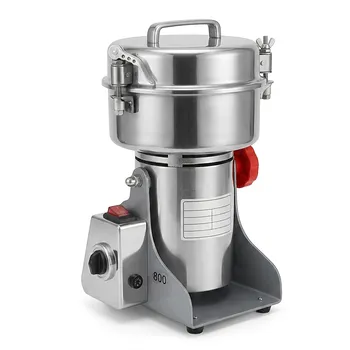
Small High-Speed Laboratory Grinder for Rapid Sample Preparation
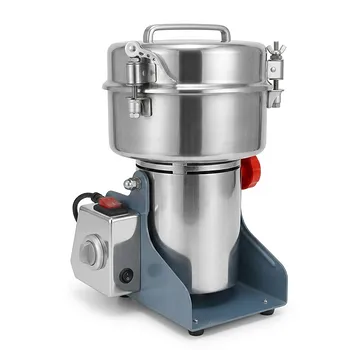
Small High-Speed Grinder for Efficient Laboratory Sample Preparation