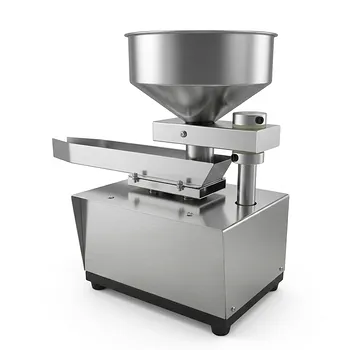
Which core processing conditions does a laboratory hydraulic hot press provide when preparing biocomposite specimens?
Updated 4 months ago
Precisely controlled thermal energy and mechanical pressure are the two core processing conditions provided by a laboratory hydraulic hot press. These systems integrate heating elements and hydraulic actuators to transform raw biocomposite mixtures into dense, standardized specimens with uniform internal structures.
The laboratory hydraulic hot press serves as the bridge between raw material and viable test specimen by simultaneously applying heat to melt the polymer matrix and pressure to eliminate voids. This dual-action process is essential for achieving the target density and interfacial bonding strength required for accurate mechanical and physical testing.
The Role of Precise Thermal Control
Heat is the primary catalyst that enables the biocomposite ingredients to transition from a loose mixture into a unified material.
Re-melting and Polymer Flow
The hot press provides a stable temperature environment, often ranging from 80°C to 180°C, depending on the thermoplastic matrix. This heat allows the polymer to reach its melting point or glass transition temperature, enabling it to flow around and fully encapsulate the reinforcement fibers.
Facilitating Interfacial Bonding
Consistent thermal input ensures that the matrix effectively wets the surfaces of natural fibers like flax or hemp. This creates a tight interfacial bond, which is critical for transferring mechanical loads between the polymer and the reinforcement.
Inducing Chemical and Structural Changes
In specific applications using bio-binders, sustained heat triggers cross-linking reactions in polysaccharides and hemicellulose. Furthermore, controlled heating and staged cooling programs help establish a consistent crystalline morphology within the polymer, ensuring the specimen is representative of the material's true properties.
The Impact of Mechanical Pressure
While heat facilitates flow, pressure provides the physical force necessary to shape the material and ensure its structural integrity.
Elimination of Internal Voids
The hydraulic system applies stable pressure (often between 2.5 MPa and 12 MPa) to compress the material within a mold. This force is vital for eliminating air bubbles, micro-pores, and residual moisture, which would otherwise act as stress concentrators and lead to premature failure during testing.
Achieving Uniform Density
By maintaining constant pressure, the press eliminates internal density gradients throughout the specimen. This results in a "green body" or plate with a uniform thickness and a dense internal structure, preventing deformation or cracking during subsequent cooling or sintering stages.
Geometric Standardization
The press uses precise pressure-holding functions to force the compounded granules into specific geometries, such as dumbbell-shaped specimens or standardized plates. This accuracy is necessary to collect reliable data for Young’s modulus, tensile strength, and hardness.
Understanding the Trade-offs
Achieving the perfect specimen requires a delicate balance between temperature, pressure, and time.
Thermal Degradation vs. Incomplete Melting
Applying excessive heat can lead to the thermal degradation of sensitive natural fibers, weakening the composite. Conversely, insufficient heat prevents the matrix from flowing, resulting in "dry" fibers and poor encapsulation.
Over-Pressuring and Flash formation
Excessive hydraulic pressure can force the molten matrix out of the mold—a phenomenon known as "flash"—which alters the fiber-to-matrix ratio of the final specimen. However, if the pressure is too low, the specimen will retain internal voids, leading to inconsistent data in water absorption or flame retardancy tests.
The Necessity of Venting
In many biocomposite processes, a "venting" or degassing stage is required. Failure to briefly release pressure during the heating phase can trap volatile gases inside the material, causing internal delamination or surface bubbles.
How to Apply This to Your Project
Selecting the right parameters depends entirely on the chemical composition of your matrix and the thermal sensitivity of your biomass filler.
- If your primary focus is mechanical strength testing: Prioritize high-pressure stability and accurate dwell times to ensure the elimination of all internal micro-pores and density gradients.
- If your primary focus is natural fiber integrity: Focus on the lowest possible melting temperature and utilize multi-stage cooling to prevent thermal damage to the biomass.
- If your primary focus is standardized benchmarking: Use a multi-stage program including preheating, venting, and staged cooling to ensure consistent crystalline morphology across all samples.
By mastering the synergy of heat and pressure, you ensure that every specimen produced is a high-performance, accurate representation of your material's potential.
Summary Table:
| Processing Condition | Key Function | Impact on Specimen Quality |
|---|---|---|
| Thermal Energy | Polymer melting & wetting | Ensures strong interfacial bonding & matrix flow |
| Mechanical Pressure | Void elimination | Removes air bubbles & ensures uniform density |
| Staged Cooling | Morphology control | Establishes consistent crystalline structures |
| Venting Phase | Degassing | Prevents internal delamination & surface bubbles |
Elevate Your Material Research with Precision Specimen Preparation
Achieving reliable results in biocomposite testing starts with the perfect specimen. We provide complete laboratory sample preparation solutions tailored for material science, specializing in advanced powder processing and high-precision compaction equipment.
Our extensive product range is designed to give you total control over your material's properties:
- Advanced Pressing Technology: A full spectrum of hydraulic presses, including Cold/Warm Isostatic Presses (CIP/WIP), standard lab presses, XRF pellet presses, and vacuum hot presses for sensitive materials.
- Precision Milling & Grinding: Jaw/roll crushers, liquid nitrogen cryogenic grinders, and various mills (planetary ball, jet, sand/bead, disc, rotor) to achieve perfect particle size.
- Material Handling: Vibratory and air-jet sieve shakers, plus high-efficiency powder and defoaming mixers for uniform compounding.
Whether you are focusing on natural fiber integrity or mechanical strength benchmarking, our equipment ensures your samples are accurate representations of your material's potential.
Ready to optimize your lab's efficiency? Contact us today to discuss your specific requirements!
References
- Farah Nurasyikin Md Rosdi, Siti Noorbaini Sarmin. Potential Red Algae Fibre Waste as a Raw Material for Biocomposite. DOI: 10.37934/araset.30.1.303310
Mentioned Products
- 6-Ton Small Single-Punch Tablet Press — Laboratory Powder & Granule Tableting Equipment / Tablet Forming Machine
- 5 Ton Single Punch Tablet Press Laboratory Small Batch Production
- Manual Tablet Press with Dual Scale Pressure Gauge for Pharmaceutical Food Chemical Laboratory Sample Preparation
- 6 Ton Variable Frequency Single Punch Tablet Press
- High Efficiency High Speed Grinder Laboratory Mill 1300W 25000rpm
People Also Ask
- What is the function of a laboratory press in Cr-Ti alloy evaluation? Quantify Fracture Stress & Strength
- What is the function of a laboratory press in assessing the hydrophobic performance of modified vermiculite fillers?
- What is the core function of a laboratory press in the forming of ceramic filter element green bodies? Maximize Density.
- What is the function of a laboratory press in the preparation of ceramic feed rods? Master Density and Precision
- Why is vacuum sealing and flexible packaging necessary for Aluminum Titanate powders during CIP? Ensure Peak Density

Tech Team · PowderPreparation
Last updated on Jun 03, 2026
Related Products
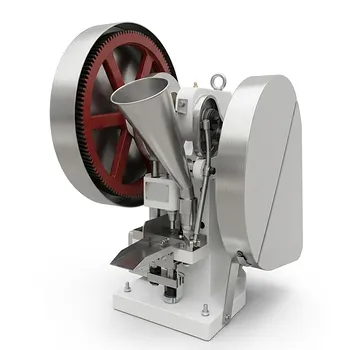
6-Ton Small Single-Punch Tablet Press — Laboratory Powder & Granule Tableting Equipment / Tablet Forming Machine
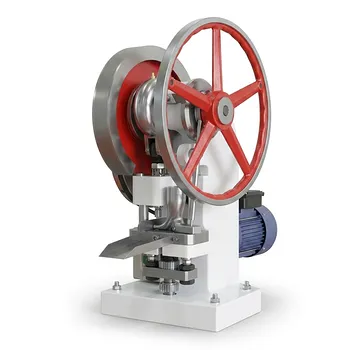
5 Ton Single Punch Tablet Press Laboratory Small Batch Production
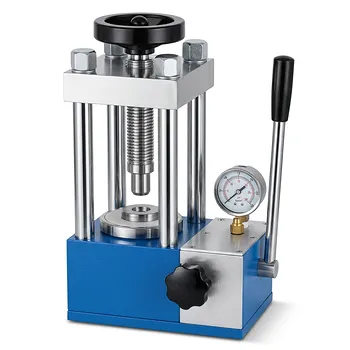
Manual Tablet Press with Dual Scale Pressure Gauge for Pharmaceutical Food Chemical Laboratory Sample Preparation
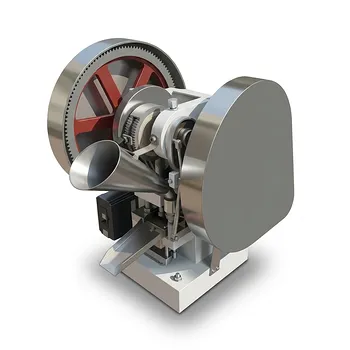
6 Ton Variable Frequency Single Punch Tablet Press
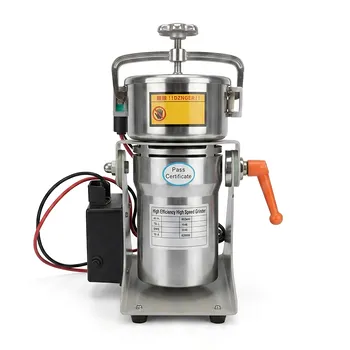
High Efficiency High Speed Grinder Laboratory Mill 1300W 25000rpm
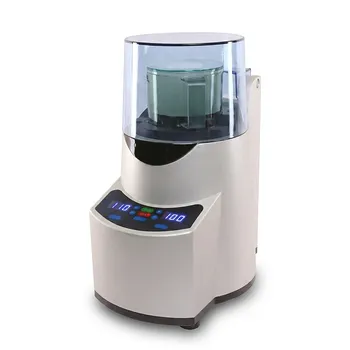
High Speed Laboratory Knife Mill for Oily Fibrous and Wet Sample Homogenization
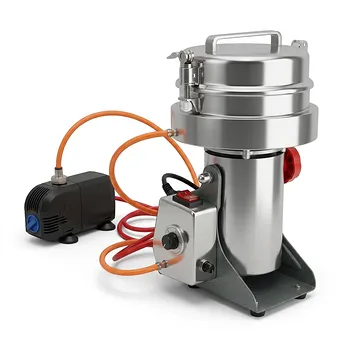
Water Cooled High Speed Grinder with Cryogenic Option for Laboratory Sample Preparation
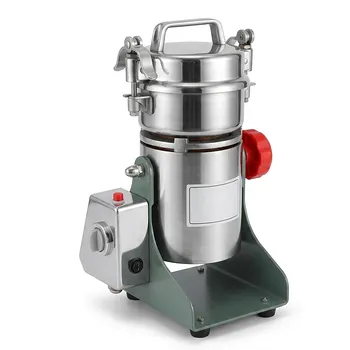
High Speed Swing Type Laboratory Pulverizer for Fine Powder Grinding and Sample Preparation
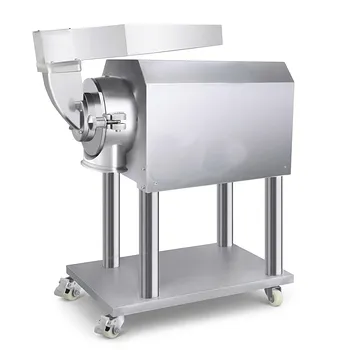
High Speed Small Laboratory Crusher for Dry Material Sample Preparation
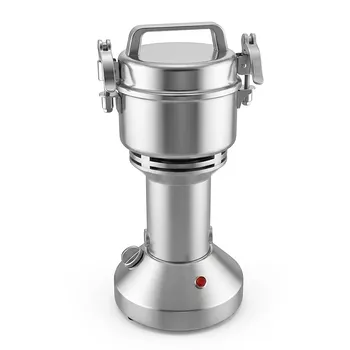
Small High Speed Upright Grinder for Laboratory Sample Preparation
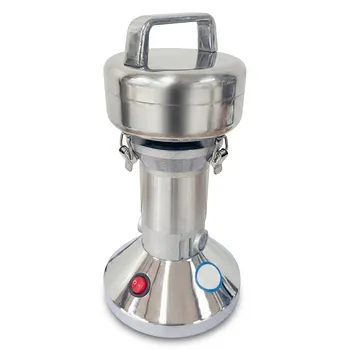
Small Trace Sample High Speed Pulverizer Grinder Laboratory Powder Mill
Industrial Knife Mill for Food and Biological Sample Preparation High Speed Laboratory Homogenizer
Laboratory Knife Mill for Large Volume Sample Homogenization and Food Preparation
Sealed Laboratory Double Roll Crusher for Coal, Mineral, Ore Sample Preparation