What sieve mesh configurations are recommended for bioretention media? Expert Guide for High Sand Content Analysis
Updated 5 months ago
Optimizing sieve configurations for bioretention media requires a multi-stage approach ranging from #5 to #270 mesh sizes. For media with sand content exceeding 80%, laboratory protocols should prioritize a fine-mesh boundary at 53μm (#270) or 63μm (#230) to ensure precise separation of sand from fine particles before subsequent hydrometer or laser diffraction testing.
Core Takeaway: To accurately characterize high-sand bioretention media, use a graduated sieve stack anchored by a fine-particle cutoff (53μm–63μm). This specific configuration ensures that "fines" are cleanly separated, preventing sand-heavy samples from skewing secondary analysis results.
The Engineering Behind Multi-Stage Sieving
Managing High Sand Concentrations
Bioretention media typically consists of over 80% sand, making a standard soil sieve set often inadequate for capturing the nuance of particle distribution. A multi-stage configuration allows for the gradual removal of larger aggregates, preventing the smaller, critical sieves from becoming overwhelmed by volume.
The Critical Boundary: 53μm vs. 63μm
Using a 53μm (#270) or 63μm (#230) sieve serves as the definitive threshold between sand and silt/clay fractions. This boundary is essential because it dictates the accuracy of any "wet" analysis performed later, such as hydrometer testing or laser diffraction.
Ensuring Sample Representativeness
By isolating the fine particles at the 53μm/63μm mark, labs can ensure that the subsequent chemical or physical analysis of the "fines" is not contaminated by stray sand grains. This precision is vital for determining the media's long-term infiltration rate and nutrient-retention capacity.
Improving Accuracy in Secondary Analysis
Preparing for Laser Diffraction
When using laser diffraction to analyze the fine fraction of bioretention media, pre-sieving at the 53μm–63μm level is a prerequisite. This step ensures the equipment only processes particles within its optimal detection range, leading to more repeatable and stable data.
Enhancing Hydrometer Consistency
For labs utilizing hydrometer analysis, the clean separation provided by a #270 sieve reduces the "noise" created by rapidly settling sand particles. This results in a much more accurate measurement of the clay and silt components, which are responsible for the majority of the media's pollutant removal.
Understanding Technical Trade-offs
The Risk of Sieve Blinding
Using extremely fine sieves like the #270 (53μm) increases the risk of "blinding," where fine particles clog the mesh openings. This is particularly common in bioretention media with high organic matter content, requiring careful wet-sieving techniques to ensure a complete separation.
Sample Loss and Handling Time
A high-resolution sieve stack requires more handling and increases the cumulative risk of material loss between stages. While more stages provide a more detailed curve, they also lengthen the processing time per sample, which may impact laboratory throughput.
Strategic Implementation for Lab Success
To achieve the highest degree of accuracy when analyzing sand-heavy bioretention media, align your sieve selection with your ultimate reporting goals.
- If your primary focus is regulatory compliance for infiltration: Use a standard stack from #5 down to #200 (75μm), as most engineering specs are calibrated to these common thresholds.
- If your primary focus is advanced research on pollutant removal: Employ the #270 (53μm) sieve as your cutoff to ensure the most precise measurement of the reactive fine-particle fraction.
- If your primary focus is high-throughput commercial testing: Standardize on a 63μm (#230) boundary, which offers a balance between fine-particle resolution and faster processing times compared to the #270.
By implementing a multi-stage sieve configuration anchored by a precise fine-mesh boundary, you ensure that your bioretention media analysis is both technically sound and highly representative of real-world performance.
Summary Table:
| Application | Recommended Mesh Cutoff | Primary Benefit |
|---|---|---|
| Regulatory Compliance | #200 (75μm) | Aligns with standard engineering & infiltration specs |
| Advanced Research | #270 (53μm) | Precise measurement of reactive fine-particle fractions |
| Commercial Testing | #230 (63μm) | Optimal balance between resolution and processing speed |
| Pre-Analysis Prep | #230 or #270 | Prevents sand 'noise' in hydrometer & laser diffraction |
Elevate Your Material Analysis Precision
Achieve unparalleled accuracy in bioretention and material science research with our comprehensive laboratory solutions. We specialize in providing complete sample preparation equipment designed for precision and durability.
- Particle Separation: Our high-performance vibratory and air-jet sieve shakers, paired with precision test sieves and meshes, ensure clean separation even for challenging high-sand media.
- Advanced Processing: From jaw crushers and cryogenic grinders to planetary ball and jet mills, we offer the tools needed for superior powder processing.
- Compaction & Synthesis: Explore our full spectrum of hydraulic presses, including Cold/Warm Isostatic Presses (CIP/WIP), vacuum hot presses, and specialized XRF pellet presses.
Ready to optimize your lab's workflow? Contact our technical team today to discuss how our powder processing and compaction equipment can enhance your research outcomes.
References
- Joseph S. Smith, Ryan J. Winston. Comparing dry and wet sieving with laser diffraction to the hydrometer method for particle size analysis of sandy bioretention soil media. DOI: 10.1002/saj2.70079
Mentioned Products
- Three Dimensional Rotary Vibrating Sieve
- Stainless Steel Rotary Vibrating Sieve High Precision Circular Vibratory Separator Industrial Powder Grading Machine Multi Layer Sifting Equipment
- Laboratory Air Jet Sieving Machine for Fine Powder Particle Size Analysis and Deagglomeration
- Laboratory Basket Sand Mill for Wet Grinding and Dispersion of Viscous Slurries
- Heavy Duty Dry Three Dimensional Vibratory Sieve Shaker for Particle Separation
People Also Ask
- How do multi-dimensional vibratory sieve shakers contribute to the testing of grain particle size distribution? mPS Guide
- What is the role of vibratory sieving systems in ISRU feedstock preparation? Optimize Your Space Resource Processing
- What is the purpose of using 0.038 mm sieves in magnetite grinding? Quantify Kinetics and Boost Grinding Efficiency
- How does a 3D vibratory sieve shaker fractionate sorghum flour? Optimize Texture & Nutritional Quality
- Why is a 0.08mm standard sieve required for testing the fineness of cement? Optimize Recycled Pervious Concrete Quality

Tech Team · PowderPreparation
Last updated on May 14, 2026
Related Products

Three Dimensional Rotary Vibrating Sieve

Stainless Steel Rotary Vibrating Sieve High Precision Circular Vibratory Separator Industrial Powder Grading Machine Multi Layer Sifting Equipment
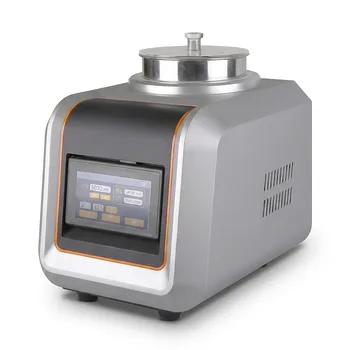
Laboratory Air Jet Sieving Machine for Fine Powder Particle Size Analysis and Deagglomeration
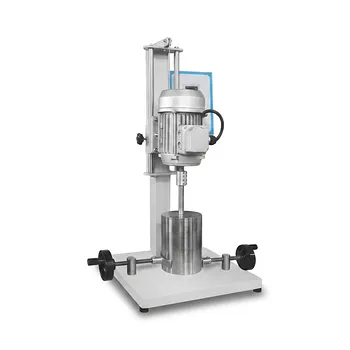
Laboratory Basket Sand Mill for Wet Grinding and Dispersion of Viscous Slurries

Heavy Duty Dry Three Dimensional Vibratory Sieve Shaker for Particle Separation
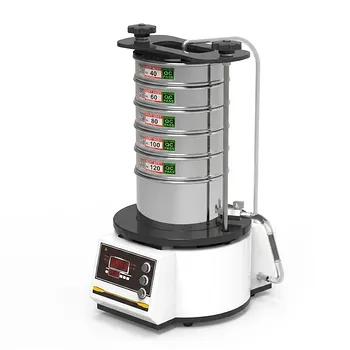
High Frequency Wet Three-Dimensional Vibrating Sieve Shaker for Dry and Wet Particle Size Analysis

Dry Three Dimensional Vibratory Sieve Shaker
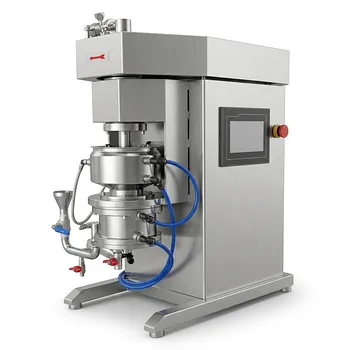
Small Ceramic Structure Laboratory Sand Mill Nanoscale Grinding Dispersion Equipment Seal-less Screen-less Design
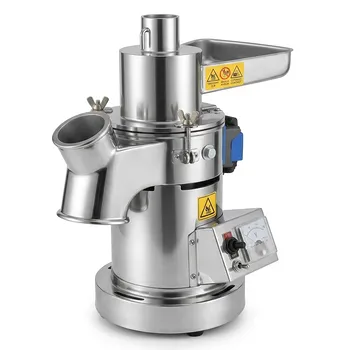
Continuous Feeding Grinder High Efficiency Pulverizer for Lab Sample Preparation
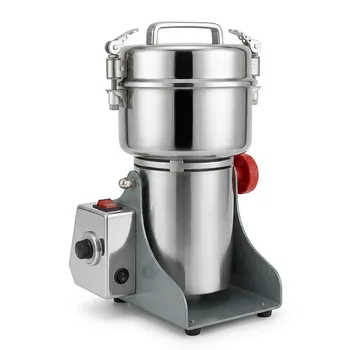
Versatile Industrial Crusher for Laboratory Crushing and Material Processing

Laboratory Vibratory Test Sieve Shaker for Precision Particle Size Analysis and Powder Grading
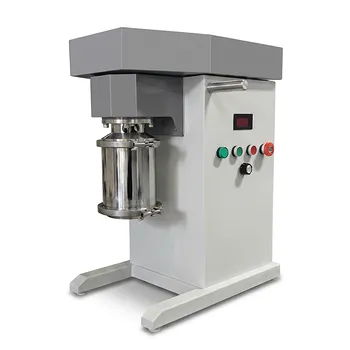
Nano Laboratory Bead Mill Desktop Sub Micron Sand Mill Screenless Seal Less Powder Grinder

三维电磁微量振动筛分仪

Small Laboratory Vibrating Sieve Shaker for Precise Particle Size Analysis

Laboratory Dry and Wet Three Dimensional Vibratory Sieve Shaker for Particle Analysis
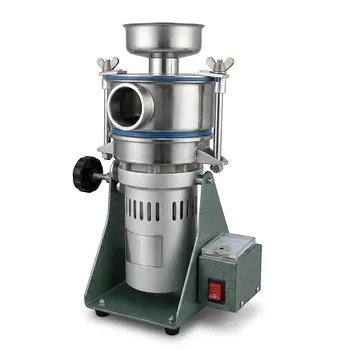
Small Airflow Ultra-Fine Grinder for Laboratory Sample Preparation
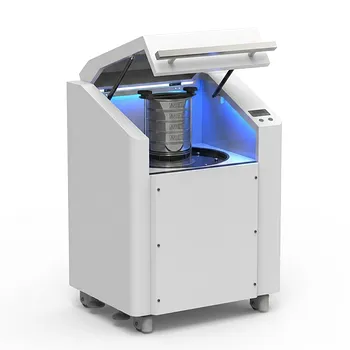
High Frequency Cabinet Type Three-Dimensional Rotary Vibrating Sieve Shaker for Dry Sieving and Particle Classification
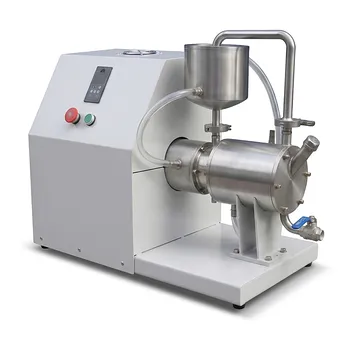
Laboratory Small Horizontal Sand Mill for Nano Materials Wet Grinding
Small Swing Granulator Efficient Powder Granulation for Pharmaceutical Chemical Food Industries
