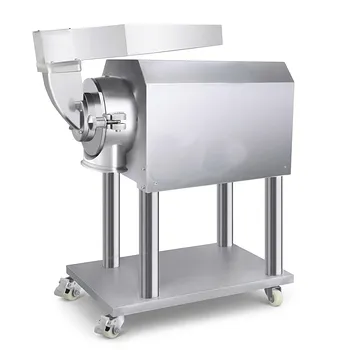
What Role Does Lab Grinding Play in Mullite Precursor Processing? Optimize Particle Size for Superior Synthesis
Updated 4 months ago
Laboratory grinding and milling are the fundamental catalysts for low-temperature mullite synthesis.
This equipment refines dried mullite precursor blocks into fine powders with a target average particle size of approximately 35.3 microns. By significantly increasing the effective specific surface area, the milling process enhances the physical contact between aluminum and silicon components, allowing amorphous precursors to transform directly into single-phase mullite crystals via solid-state reactions at reduced temperatures.
The core role of laboratory grinding is to transition mullite precursors from inert bulk materials into highly reactive, chemically homogenous powders. This mechanical activation is essential for ensuring uniform crystal growth and preventing the formation of undesirable secondary phases during sintering.
Enhancing Reaction Kinetics through Particle Refinement
The Impact of Specific Surface Area
Grinding equipment uses mechanical force to break down precursor blocks, which dramatically increases the specific surface area available for reaction. This higher surface energy acts as a driving force for the chemical transformation, making the powder more responsive to heat treatment.
Facilitating Low-Temperature Solid-State Reactions
By refining particles to the 35.3-micron range, the milling process ensures that aluminum and silicon atoms are in closer proximity. This intimate contact allows for a direct solid-state reaction, bypassing the need for the extreme temperatures typically required to fuse coarser raw materials.
Achieving Direct Crystal Transformation
Effective milling enables the amorphous precursor to transition straight into a single-phase crystalline structure. Without this level of refinement, the material may require multiple heating cycles or higher energy inputs to achieve the same structural integrity.
Ensuring Chemical Homogeneity and Structural Consistency
Preventing Localized Phase Separation
High-efficiency milling ensures that alumina and silica are distributed with microscopic uniformity. This prevents "clumping" or localized chemical imbalances that would otherwise lead to the formation of heterogeneous phases or weak spots in the final ceramic.
The Role of High-Energy Ball Milling
Using zirconia grinding balls in high-energy mills generates intense impact and shear forces. This specific mechanical action achieves atomic-level distribution of components, providing a stable foundation for subsequent melting or sintering processes.
Homogenization for Composite Ceramics
In the production of reinforced composites, such as those using kaolin or bio-sourced additives, milling ensures that secondary particles are deeply integrated. This preliminary homogenization is critical for maintaining consistent thermal and mechanical properties across the entire material volume.
Understanding the Trade-offs and Potential Pitfalls
Contamination from Grinding Media
While milling increases reactivity, it also introduces the risk of impurities from the wear of grinding balls or mill linings. Choosing the correct media, such as zirconia, is essential to ensure that the chemical purity of the mullite is not compromised during high-energy processing.
Over-Milling and Agglomeration
Processing the powder for too long can lead to excessive fineness, which sometimes causes particles to re-agglomerate due to van der Waals forces. These clumps can trap air or create density gradients, which may negatively affect the performance of the powder during hydraulic pressing or sintering.
Energy Consumption vs. Reactivity
There is a point of diminishing returns where further grinding does not significantly improve the reaction kinetics. Engineers must balance the energy costs of extended milling against the specific requirements of the final mullite application to maintain a cost-effective workflow.
Optimizing the Milling Process for Your Application
Laboratory grinding is not a one-size-fits-all step; the intensity and duration must align with your specific material goals.
- If your primary focus is lowering synthesis temperatures: Prioritize refining the powder to a uniform 35.3-micron size to maximize Al-Si contact points.
- If your primary focus is phase purity and consistency: Utilize high-energy ball milling to ensure an atomic-level distribution and prevent localized chemical inhomogeneities.
- If your primary focus is preparing for high-density forming: Ensure the milling process is followed by proper granulation to avoid agglomeration issues during hydraulic pressing.
Properly executed grinding transforms mullite precursors into a highly reactive state, serving as the essential bridge between raw chemical components and a high-performance ceramic structure.
Summary Table:
| Key Aspect | Impact on Mullite Processing | Technical Benefit |
|---|---|---|
| Particle Refinement | Achieves target ~35.3 micron size | Increases effective specific surface area |
| Reaction Kinetics | Facilitates direct solid-state reactions | Lowers required synthesis temperatures |
| Homogeneity | Prevents localized phase separation | Ensures uniform Al-Si atomic distribution |
| Phase Purity | Enables direct amorphous-to-crystal transition | Minimizes formation of secondary phases |
| Media Selection | Use of high-purity zirconia grinding balls | Prevents contamination during high-energy milling |
Elevate Your Material Synthesis with Precision Grinding Solutions
Achieving the perfect 35.3-micron mullite precursor requires more than just a mill—it requires a complete, high-purity sample preparation strategy. At Our Laboratory Solutions, we provide the industry's most comprehensive range of equipment to transition your materials from inert bulk to high-performance ceramics.
How we add value to your research and production:
- Advanced Milling: Utilize our high-energy planetary ball mills, jet mills, and rotor mills to achieve atomic-level homogeneity and precise particle size control.
- Contamination Control: We offer a variety of specialized grinding media and sieving solutions (vibratory/air-jet) to maintain absolute chemical purity.
- Superior Compaction: Finalize your process with our full spectrum of hydraulic presses, including Cold/Warm Isostatic Presses (CIP/WIP), vacuum hot presses, and XRF pellet presses for high-density forming.
Whether you are a researcher refining new composites or a manufacturer scaling production, our expertise in powder processing and material science ensures your success.
Ready to optimize your mullite synthesis? Contact our technical team today to find the perfect equipment configuration for your lab!
References
- Ajay Kumar Jana, Debjyoti Ray. Synthesis and characterization of sol-gel derived monophasic mullite powder. DOI: 10.1590/0366-69132020663792907
Mentioned Products
- Laboratory Disc Mill for Fine Sample Preparation of Hard and Brittle Materials
- Laboratory Disc Mill Medium Hard Material Grinding Coal Coke Ore Pulverizer
- Laboratory Disc Mill for Ore and Mineral Sample Preparation
- Laboratory Micro Vibration Grinding Mill for Trace Sample Preparation
- Small Laboratory Colloid Mill for Ultra-Fine Wet Grinding and Emulsification
People Also Ask
- What is the primary function of a laboratory disc mill for oyster shells? Boost Reactivity & Analytical Precision
- What is the purpose of using a laboratory mill to grind dried precipitates? Optimize TiO2/AuNRs Catalyst Homogeneity
- What role does a laboratory mill play in the study of lignite coal co-combustion? Optimizing Fuel Blends and Reactivity
- What is the function of a laboratory mill in Cassia tora L. seed analysis? Master Precision Thermal Data Prep.
- What function does a laboratory mill serve in corn starch saccharification experiments? Optimize Surface Area & Reactions

Tech Team · PowderPreparation
Last updated on Jun 03, 2026
Related Products
Laboratory Disc Mill for Fine Sample Preparation of Hard and Brittle Materials
Laboratory Disc Mill Medium Hard Material Grinding Coal Coke Ore Pulverizer
Laboratory Disc Mill for Ore and Mineral Sample Preparation
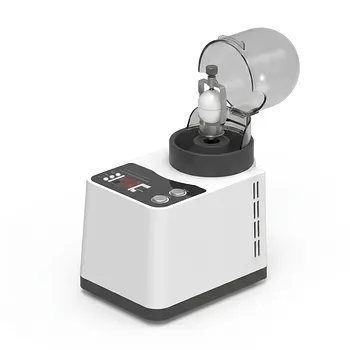
Laboratory Micro Vibration Grinding Mill for Trace Sample Preparation
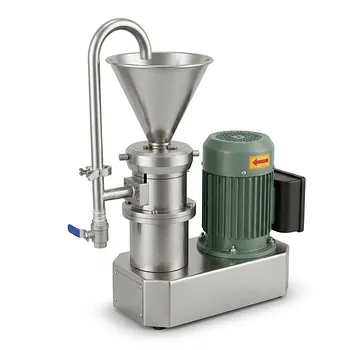
Small Laboratory Colloid Mill for Ultra-Fine Wet Grinding and Emulsification
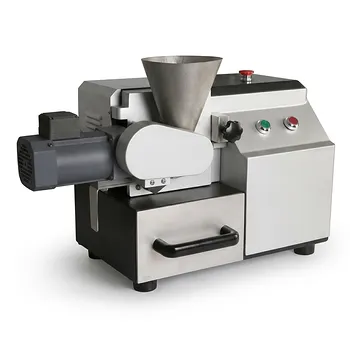
Laboratory Hammer Mill for Coal Quality Analysis and Brittle Mineral Grinding
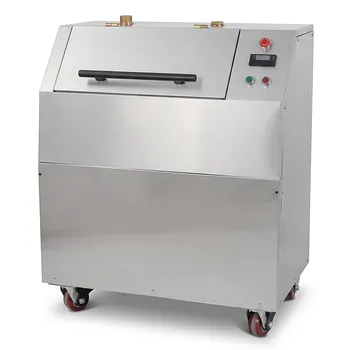
Vibratory Disc Mill for Rapid Fine Grinding and High Throughput Sample Preparation of Hard and Brittle Materials
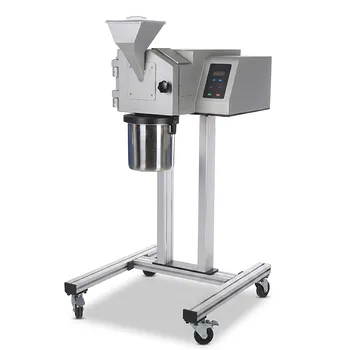
Cross Beater Mill for Brittle Material Grinding and Continuous Fine Crushing Industrial Sample Preparation
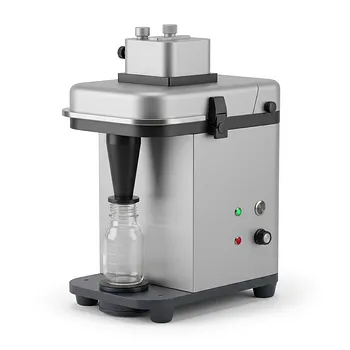
Cyclonic Laboratory Mill for NIR Spectroscopy Sample Preparation Food and Feed Grinding
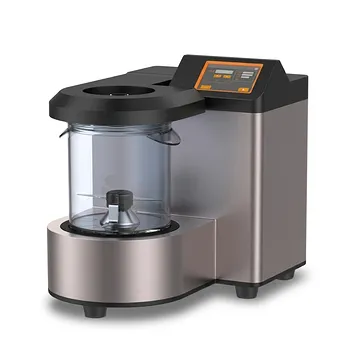
Laboratory Knife Mill for Large Volume Sample Homogenization and Food Preparation
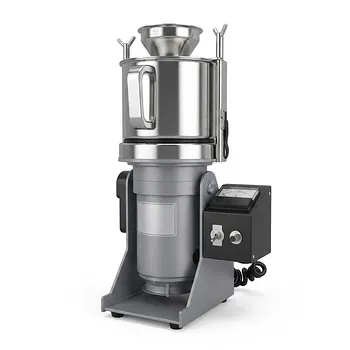
High Speed Air Induced Ultrafine Pulverizer Laboratory Superfine Powder Mill for Pharmaceutical and Material Science Sample Preparation
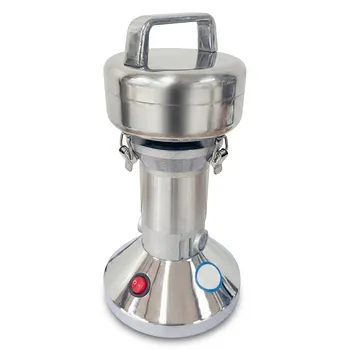
Small Trace Sample High Speed Pulverizer Grinder Laboratory Powder Mill
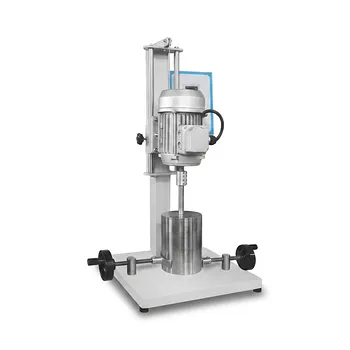
Laboratory Basket Sand Mill for Wet Grinding and Dispersion of Viscous Slurries
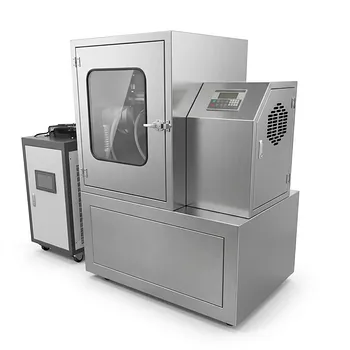
Vibratory Superfine Grinder for Ultra Fine Laboratory Powder Milling
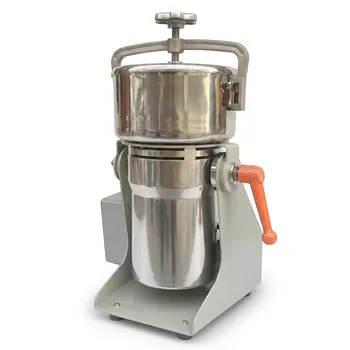
High Speed Laboratory Grinder Efficient Stainless Steel Powder Pulverizer Universal Material Science Mill for Sample Preparation
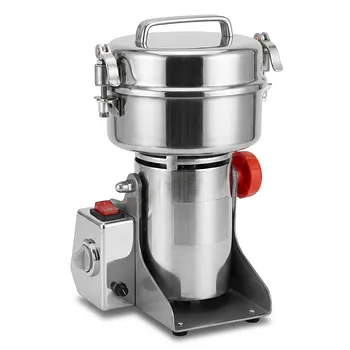
High Speed Laboratory Powder Grinder Small Batch Sample Preparation Mill
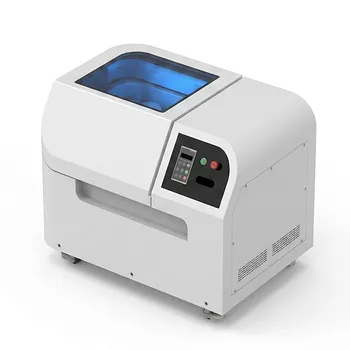
8L Planetary Ball Mill for Laboratory Grinding and Sample Preparation
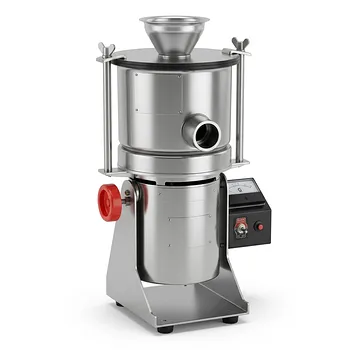
Laboratory Ultrafine Impact and Airflow Grinder for Precise Particle Size Control
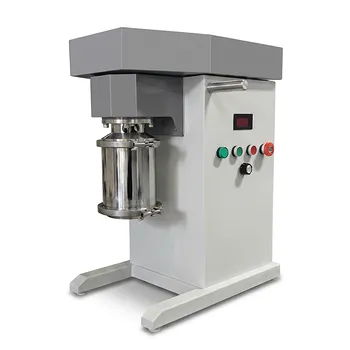
Nano Laboratory Bead Mill Desktop Sub Micron Sand Mill Screenless Seal Less Powder Grinder