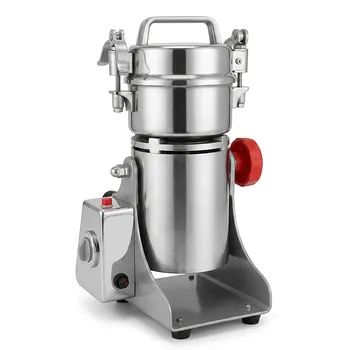
What role do high-performance laboratory mixers play in UHP-FRC production? Engineering Microstructural Homogeneity
Updated 4 months ago
High-performance laboratory mixers are the fundamental engine for UHP-FRC production. They provide the intense mechanical shear force required to transform dry, low-water mixtures into a homogenous, high-density slurry. By ensuring the uniform dispersion of micro-materials and reinforcement fibers, these mixers create the microstructural foundation necessary for the material's signature extreme strength and ductility.
High-performance mixers solve the dual challenge of fiber clumping and poor powder wetting in environments with extremely low water-binder ratios. Their primary role is to utilize high-intensity mechanical agitation to break down particle flocculation and ensure every component is uniformly distributed at a microscopic level.
Overcoming the Challenges of Low Water-Binder Ratios
Breaking Cement Flocculation
In UHP-FRC, the scarcity of water often causes cement particles to clump together, or flocculate, trapping water inside. High-shear mixing provides the mechanical energy necessary to break these clusters apart, releasing trapped water and ensuring the mixture reaches the desired fluidity.
Promoting Full Wetting of Fine Powders
UHP-FRC relies on a dense packing of fine powders like silica fume and copper slag to achieve its strength. The mixer’s powerful action ensures that these fine powders are fully wetted, even with minimal liquid, leading to a high-density slurry structure that minimizes voids.
Fiber Management and Homogenization
Preventing Fiber Clumping and Balling
The addition of steel or synthetic fibers is essential for ductility, but these fibers tend to "ball" or agglomerate during mixing. High-performance mixers use programmed mixing cycles and forced shear to keep fibers separated, ensuring they do not form weak points within the matrix.
Ensuring Uniform Stress Distribution
When fibers are dispersed uniformly, they can effectively bridge micro-cracks throughout the entire volume of the concrete. This microstructural homogeneity prevents stress concentration points, which is the technical requirement for achieving the "ultra-high" performance characteristics of the material.
The Mechanics of Chemical Activation
Optimizing Superplasticizer Distribution
High-efficiency water reducers, or superplasticizers, must be distributed evenly across the microscopic interfaces of the cement particles. The shear action of a high-performance mixer ensures these chemical additives are fully dispersed, allowing them to work effectively at the lowest possible water-to-binder ratios.
Enhancing Rheological Properties
By maintaining controlled stirring speeds and mixing times, laboratory mixers ensure that viscosity-modifying agents and other additives are thoroughly blended. This creates a non-segregating and self-compacting mixture that maintains its integrity from the mixer to the mold.
Understanding the Trade-offs and Pitfalls
Heat Generation and Workability
The high mechanical energy required for UHP-FRC mixing naturally generates internal friction heat. If not monitored, this temperature rise can accelerate the setting time of the cement, potentially reducing the window of workability for the fresh concrete.
The Risk of Over-Mixing
While high shear is necessary, excessive mixing can eventually damage certain types of delicate reinforcement fibers, such as glass or polypropylene. Finding the optimal mixing duration is a critical balance between achieving homogeneity and maintaining the physical integrity of the reinforcement materials.
How to Apply This to Your Project
When selecting or operating a mixer for UHP-FRC, your approach should vary based on your specific technical objectives.
- If your primary focus is Maximum Compressive Strength: Prioritize mixers capable of the highest shear forces to ensure the densest possible particle packing and total elimination of dry powder pockets.
- If your primary focus is Ductility and Crack Control: Focus on programmed, multi-stage mixing cycles that introduce fibers at specific intervals to prevent agglomeration and ensure 3D distribution.
- If your primary focus is Consistent Rheology: Ensure your mixer allows for precise control over stirring speeds to effectively activate superplasticizers without inducing excessive heat.
The right high-performance mixer does not just stir ingredients; it fundamentally engineers the material's microstructure for peak performance.
Summary Table:
| Mixing Function | Technical Challenge Addressed | Impact on UHP-FRC Quality |
|---|---|---|
| High-Shear Agitation | Cement flocculation & powder clumping | Releases trapped water; increases slurry density |
| Forced Dispersion | Fiber balling & agglomeration | Ensures uniform stress distribution & ductility |
| Chemical Activation | Uneven superplasticizer distribution | Optimizes rheology at ultra-low water ratios |
| Precision Control | Internal friction heat generation | Maintains workability & prevents premature setting |
| Homogenization | Microstructural voids | Creates a non-segregating, self-compacting matrix |
Elevate Your Material Research with Precision Engineering
Achieving the extreme performance of Ultra-High Performance Fiber-Reinforced Concrete (UHP-FRC) requires more than just ingredients—it requires the right mechanical energy. We provide complete laboratory sample preparation solutions for material science, specializing in high-performance powder processing and compaction equipment designed to handle the toughest mixing and pressing challenges.
Our extensive product range includes:
- Advanced Mixing: High-performance powder mixers and vacuum defoaming mixers for perfect homogenization.
- Powder Processing: Planetary ball mills, jet mills, and cryogenic grinders to achieve the finest particle sizes.
- Compaction Excellence: A full spectrum of hydraulic presses, including Cold/Warm Isostatic Presses (CIP/WIP), vacuum hot presses, and XRF pellet presses.
- Classification & Sizing: Vibratory and air-jet sieve shakers with precision test sieves.
Whether you are refining concrete microstructures or developing advanced ceramics, our equipment ensures the consistency and reliability your lab demands. Contact our technical experts today to discuss your specific application and find the ideal equipment solution!
References
- Agnimesh Singh Tomar, Pratiksha Malviya. Review Paper on Properties of Concrete of by Partial Replacement of Sand and Cement with Copper Slag and Rice Ask Ash. DOI: 10.31142/ijtsrd23538
Mentioned Products
- Multi Dimensional Universal Mixer for High Uniformity Powder Blending
- High Shear Laboratory Emulsifier for Mixing and Homogenization
- High Efficiency Vacuum Planetary Centrifugal Mixer and Defoaming Machine for Industrial Material Research and Precise Laboratory Powder Dispersion
- High Viscosity Planetary Centrifugal Mixing and Vacuum Defoaming Machine for Laboratory Material Preparation
- Horizontal Ribbon Mixer for Uniform Powder and Slurry Mixing
People Also Ask
- What is the role of a multi-dimensional powder mixer in the preparation of Ce-TZP ceramics? Optimize Homogenization
- What is the importance of using a high-efficiency powder mixer when preparing sand and soil mixtures? Accurate Results.
- What is the role of a powder mixer in SiC mechanical seal ring production? Ensure Homogeneity and Structural Integrity
- Why is high-uniformity powder mixing essential for antibacterial ceramic glazes? Ensure Consistent Bioactive Protection
- How do powder mixers and additives influence ZTA ceramics? Optimize microstructure for superior toughness and density

Tech Team · PowderPreparation
Last updated on Jun 03, 2026
Related Products
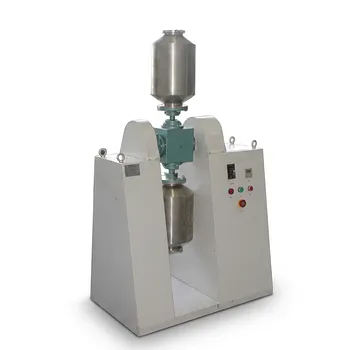
Multi Dimensional Universal Mixer for High Uniformity Powder Blending
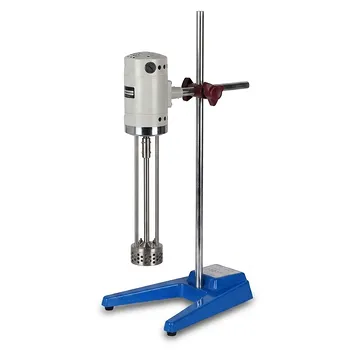
High Shear Laboratory Emulsifier for Mixing and Homogenization
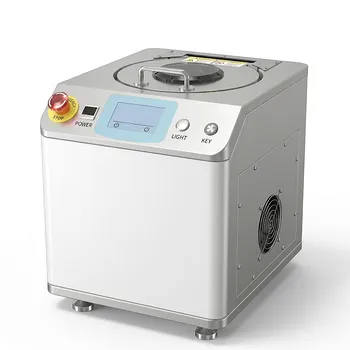
High Efficiency Vacuum Planetary Centrifugal Mixer and Defoaming Machine for Industrial Material Research and Precise Laboratory Powder Dispersion
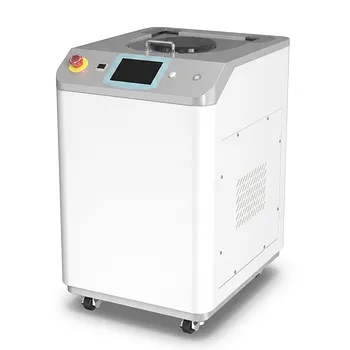
High Viscosity Planetary Centrifugal Mixing and Vacuum Defoaming Machine for Laboratory Material Preparation
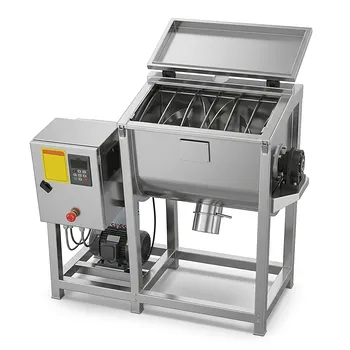
Horizontal Ribbon Mixer for Uniform Powder and Slurry Mixing
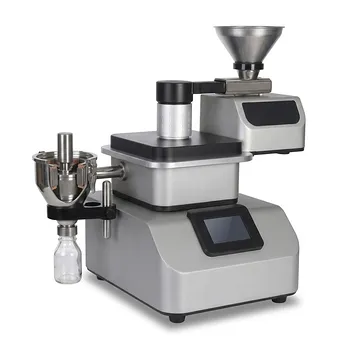
Ultra Centrifugal Mill for Rapid Laboratory Sample Preparation and Fine Powder Grinding
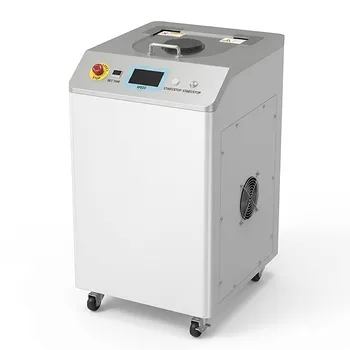
High Viscosity Planetary Centrifugal Vacuum Mixer for Material Defoaming and Uniform Mixing
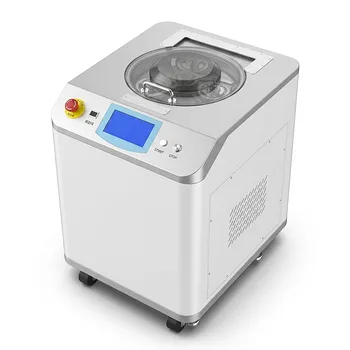
Dual Cup Vacuum Centrifugal Mixer Planetary Paste Defoaming Machine Industrial Material Processor
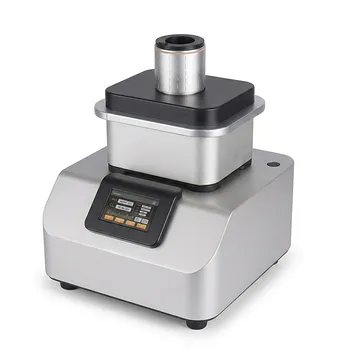
Ultra Centrifugal Mill High Speed Laboratory Grinder for Fibrous and Brittle Sample Preparation
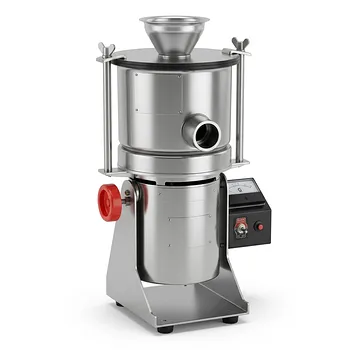
Laboratory Ultrafine Impact and Airflow Grinder for Precise Particle Size Control
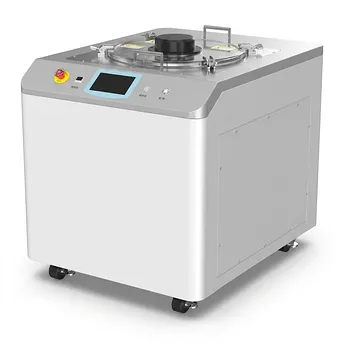
Industrial Planetary Centrifugal Vacuum Defoaming Mixer for High Viscosity Paste and Powder Homogenization
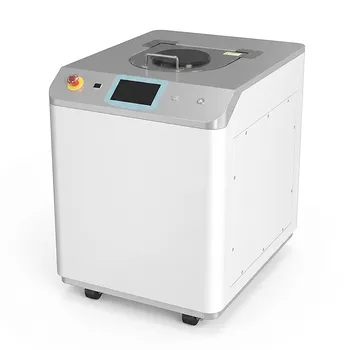
Industrial Planetary Centrifugal Vacuum Defoaming Mixer for High Viscosity Paste and Advanced Material Science
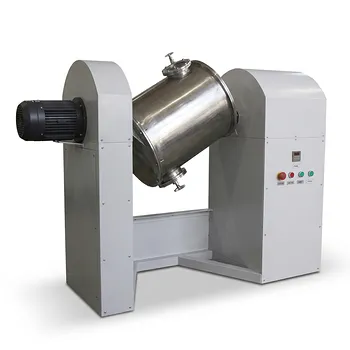
Inclined Mixer for Homogeneous Powder Blending and Grinding
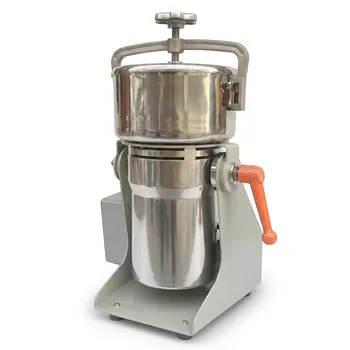
High Speed Laboratory Grinder Efficient Stainless Steel Powder Pulverizer Universal Material Science Mill for Sample Preparation
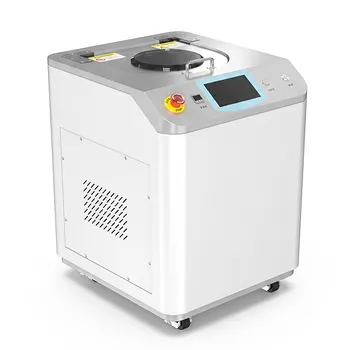
High Speed Vacuum Planetary Centrifugal Mixer and Defoamer for Industrial Paste Processing
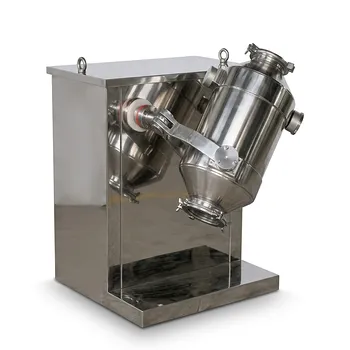
Three-Dimensional Motion Mixer for Laboratory Powder and Granule Blending
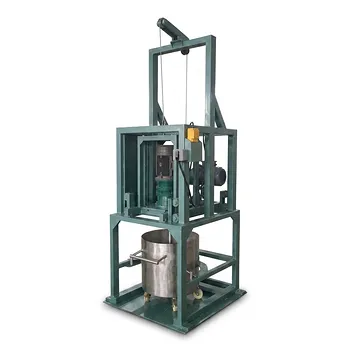
High-Speed Simple Disperser for Efficient Mixing, Dispersion, and Emulsification
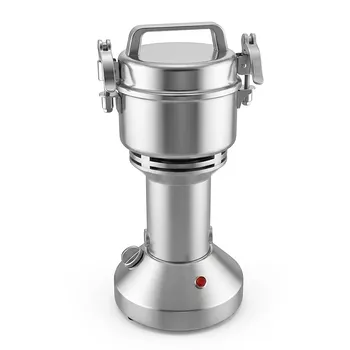
Small High Speed Upright Grinder for Laboratory Sample Preparation
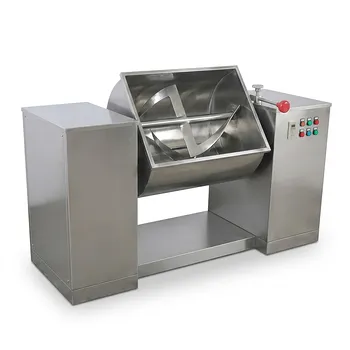
Horizontal Trough Mixer for Uniform Powder and Paste Blending