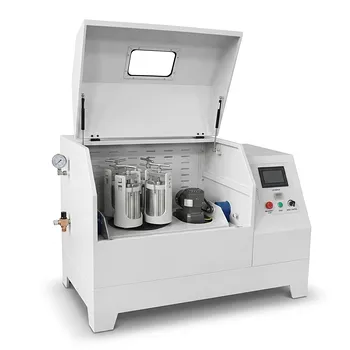
What is the function of high-efficiency mixing and defoaming equipment in catalyst systems? Achieve Molecular Uniformity
Updated 4 months ago
High-efficiency mixing and defoaming equipment is the critical engine for achieving molecular-level uniformity in complex catalyst systems.
This technology utilizes centrifugal gravity or intense shear forces to rapidly disperse active components and eliminate micro-bubbles within a slurry or solution. By ensuring a homogeneous distribution of active sites and removing structural air pockets, it provides the essential foundation for high-quality, repeatable catalytic research and material performance.
Precision mixing and defoaming transform heterogeneous mixtures into stable, uniform systems by neutralizing particle agglomeration and removing entrapped air. This dual action is vital for ensuring that catalytic performance is consistent and that the final material is free from structural micro-defects.
Achieving Molecular-Level Homogeneity
Dispersing Active Catalytic Sites
High-efficiency equipment uses centrifugal gravity to ensure that active components are distributed evenly across the matrix. This prevents "hot spots" or inactive zones, maximizing the efficiency of the catalyst and ensuring high-quality research outcomes.
Breaking Down Nano-Agglomerates
Fine powders, especially nano-sized particles, naturally tend to clump together due to inter-particle forces. High-energy mixing provides the necessary force to break these agglomerates, ensuring that dispersants, binders, and powders are uniformly integrated.
Ensuring Compositional Uniformity
In systems like photopolymerization-based 3D printing, slurries may contain up to 50% ceramic particles by volume. High-performance mixing is essential to maintain a consistent ratio of particles to resin, which is necessary for rheological stability and uniform curing.
The Critical Role of Defoaming
Eliminating Micro-Bubble Defects
Entrapped air can lead to micron-sized pore defects in the final material structure after curing or casting. Defoaming equipment removes these internal bubbles, ensuring the material achieves its intended density and mechanical strength.
Preventing Particle Sedimentation
A thoroughly mixed and defoamed slurry is less likely to experience particle sedimentation. By achieving a stable, homogeneous suspension, the equipment ensures that the chemical properties of the catalyst remain consistent from the top to the bottom of the batch.
Enhancing Experimental Repeatability
Manual or low-energy mixing often introduces human error and inconsistent results. Automated high-efficiency equipment provides a standardized environment, allowing researchers to replicate successful catalyst formulations with high precision.
Understanding the Trade-offs and Pitfalls
Heat Generation During Processing
Intense mechanical energy and high shear forces can cause localized temperature spikes within the mixture. If not carefully monitored, this heat can prematurely trigger chemical reactions, such as the curing of photosensitive resins or the degradation of heat-sensitive precursors.
Potential for Over-Processing
Applying excessive energy for too long can sometimes lead to the mechanical degradation of delicate fillers or even re-agglomeration. Finding the optimal "sweet spot" between total dispersion and material integrity requires careful calibration of the equipment settings.
Equipment Complexity and Cost
High-efficiency mixers represent a higher initial investment and require more specialized training than standard laboratory stirrers. However, the reduction in material waste and the improvement in final product quality usually justify the long-term expenditure.
How to Apply This to Your Project
Successful catalyst synthesis requires balancing the energy input used for dispersion with the physical sensitivities of your specific material components.
- If your primary focus is maximizing catalytic activity: Prioritize equipment that offers high centrifugal gravity to ensure the widest possible distribution of active sites at the molecular level.
- If your primary focus is structural integrity and durability: Focus on the vacuum defoaming capabilities to ensure the complete removal of micro-bubbles that could lead to structural failure under reaction conditions.
- If your primary focus is scaling from lab to production: Select equipment that allows for precise digital control over shear forces to ensure the mixing protocols can be reliably replicated at larger volumes.
Mastering the interplay between high-energy dispersion and bubble elimination is the key to unlocking the full potential of modern multiphase catalyst systems.
Summary Table:
| Key Function | Technical Mechanism | Impact on Catalyst Performance |
|---|---|---|
| Active Site Dispersal | High centrifugal gravity | Maximizes efficiency by preventing "hot spots." |
| Agglomerate Breakdown | Intense shear forces | Ensures nano-particles are uniformly integrated. |
| Micro-Bubble Removal | Vacuum/Centrifugal defoaming | Eliminates structural defects and increases density. |
| Suspension Stability | Homogeneous integration | Prevents particle sedimentation and ensures consistency. |
Optimize Your Catalyst Synthesis with Precision Lab Solutions
Are you struggling with inconsistent results or structural micro-defects in your material research? Achieving molecular-level uniformity requires the right tools. At [Brand Name], we provide complete laboratory sample preparation solutions specifically designed for material science and advanced powder processing.
From achieving perfect dispersion with our defoaming and powder mixers to ensuring high-density samples with our Cold/Warm Isostatic Presses (CIP/WIP), we support every stage of your workflow. Our expertise includes:
- Mixing & Homogenizing: High-efficiency powder and defoaming mixers for stable, uniform systems.
- Grinding & Milling: Planetary ball mills, jet mills, and cryogenic grinders for fine particle control.
- Compaction & Pressing: A full spectrum of hydraulic presses, including XRF pellet presses and vacuum hot presses.
- Sizing & Analysis: Vibratory and air-jet sieve shakers for precise particle distribution.
Ready to elevate your material performance? Contact our technical experts today to find the ideal processing or compaction equipment for your specific application.
References
- Albin Conde Reis, Mohammadhosein Safari. Revisiting the Importance of Sulfur Electrode‐Current‐Collector Interface in Lithium‐Sulfur Batteries. DOI: 10.1002/batt.202300286
Mentioned Products
- High Efficiency Vacuum Planetary Centrifugal Mixer and Defoaming Machine for Industrial Material Research and Precise Laboratory Powder Dispersion
- High Viscosity Planetary Centrifugal Mixing and Vacuum Defoaming Machine for Laboratory Material Preparation
- High Viscosity Planetary Centrifugal Vacuum Mixer for Material Defoaming and Uniform Mixing
- High Speed Vacuum Planetary Centrifugal Mixer and Defoamer for Industrial Paste Processing
- 非介入式材料均质机真空脱泡行星搅拌高粘度混合设备
People Also Ask
- Why is a planetary centrifugal mixer recommended for geopolymer slurries? Achieve high-shear, air-free homogenization.
- What core functions does a planetary centrifugal mixer perform? Optimize Hard Carbon Anode Slurry & Degassing
- Why is a planetary centrifugal mixer utilized for wood powder and HPMC? Achieve uniform dispersion & rapid defoaming.
- What role does a planetary centrifugal mixer play in flexible sensor inks? Achieve Nano-Scale Homogenization
- What is the role of a planetary centrifugal mixer in preparing DCPD resin-based matrices? Ensure Flawless Homogeneity

Tech Team · PowderPreparation
Last updated on May 14, 2026
Related Products
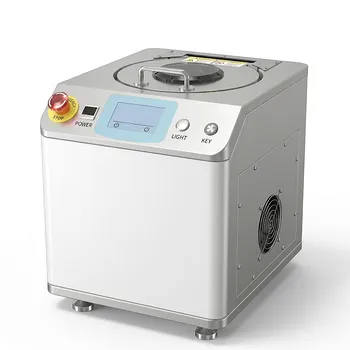
High Efficiency Vacuum Planetary Centrifugal Mixer and Defoaming Machine for Industrial Material Research and Precise Laboratory Powder Dispersion
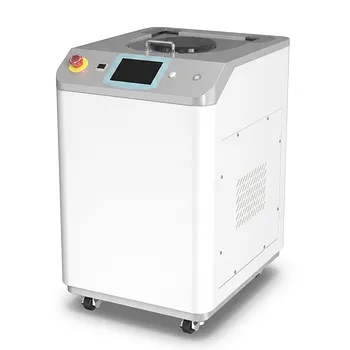
High Viscosity Planetary Centrifugal Mixing and Vacuum Defoaming Machine for Laboratory Material Preparation
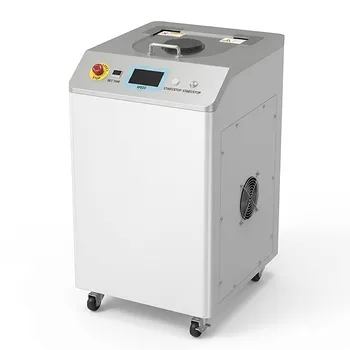
High Viscosity Planetary Centrifugal Vacuum Mixer for Material Defoaming and Uniform Mixing
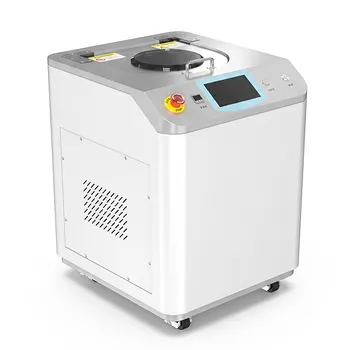
High Speed Vacuum Planetary Centrifugal Mixer and Defoamer for Industrial Paste Processing
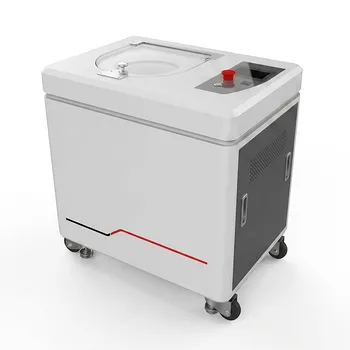
非介入式材料均质机真空脱泡行星搅拌高粘度混合设备
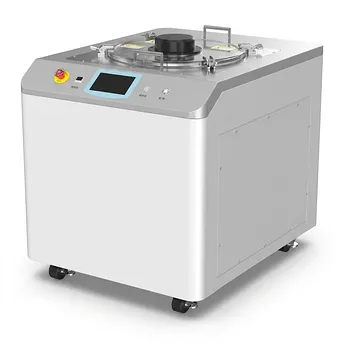
Industrial Planetary Centrifugal Vacuum Defoaming Mixer for High Viscosity Paste and Powder Homogenization
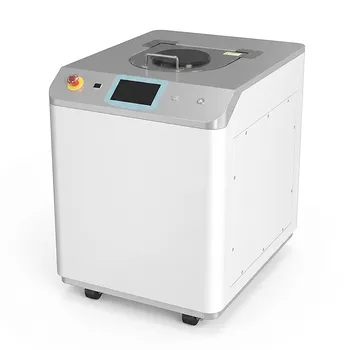
Industrial Planetary Centrifugal Vacuum Defoaming Mixer for High Viscosity Paste and Advanced Material Science
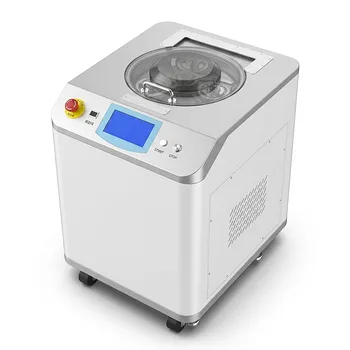
Dual Cup Vacuum Centrifugal Mixer Planetary Paste Defoaming Machine Industrial Material Processor
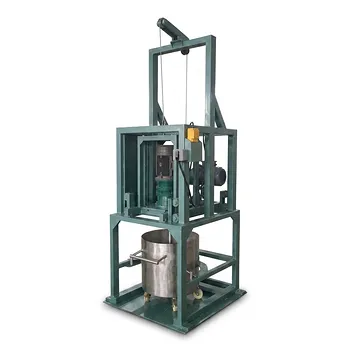
High-Speed Simple Disperser for Efficient Mixing, Dispersion, and Emulsification
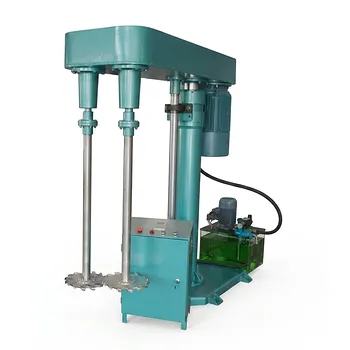
Hydraulic Double Shaft Disperser for High Viscosity Liquid Mixing and Dispersion
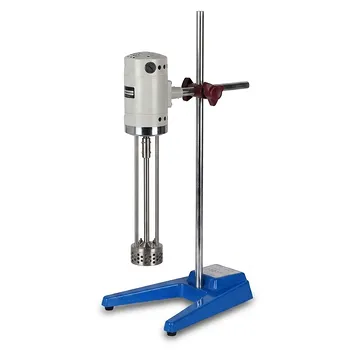
High Shear Laboratory Emulsifier for Mixing and Homogenization
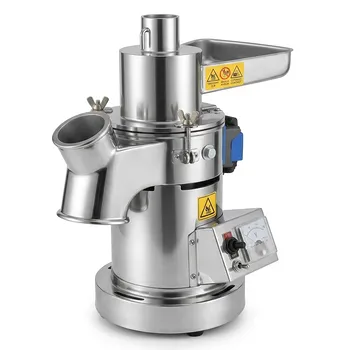
Continuous Feeding Grinder High Efficiency Pulverizer for Lab Sample Preparation
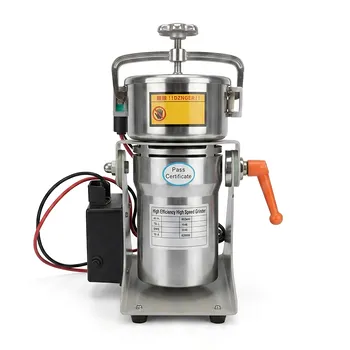
High Efficiency High Speed Grinder Laboratory Mill 1300W 25000rpm
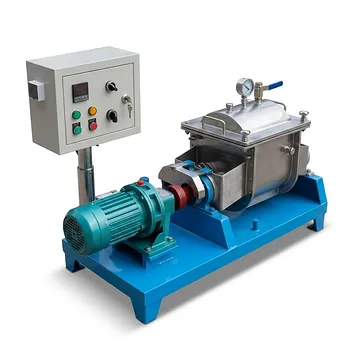
Industrial Vacuum Kneader for High-Viscosity Silicone, Rubber, and Compound Mixing
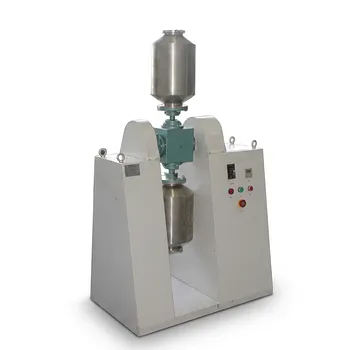
Multi Dimensional Universal Mixer for High Uniformity Powder Blending
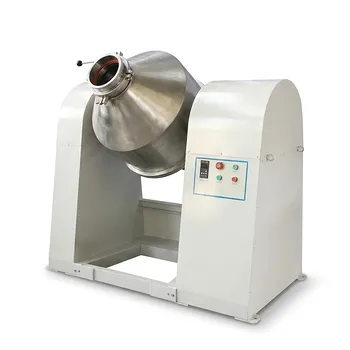
Industrial Double Cone Mixer for Powder Blending and Homogeneous Mixing
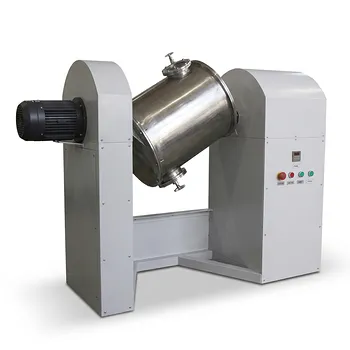
Inclined Mixer for Homogeneous Powder Blending and Grinding
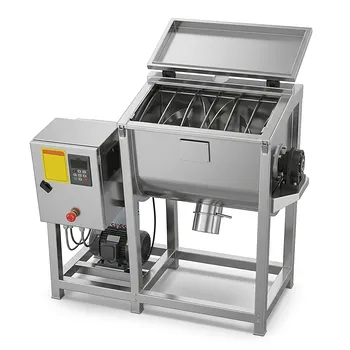
Horizontal Ribbon Mixer for Uniform Powder and Slurry Mixing
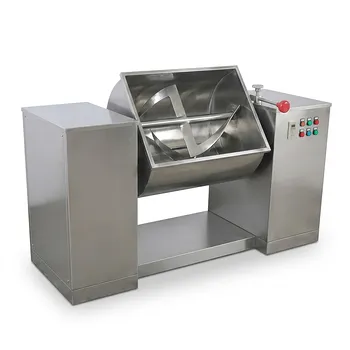
Horizontal Trough Mixer for Uniform Powder and Paste Blending