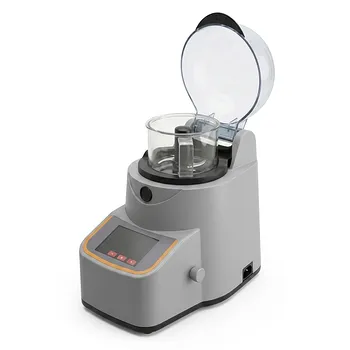
What role does high-energy grinding equipment play in mixing Al2O3/Ce-TZP? Enhance Homogeneity and Efficiency
Updated 5 months ago
High-energy grinding equipment acts as the critical catalyst for achieving microscopic homogeneity and production efficiency in Al2O3/Ce-TZP composites. This equipment utilizes powerful impact and shear forces to ensure that sub-micron reinforcing phases are distributed with extreme uniformity throughout the alumina matrix. By replacing traditional methods, these mills compress the mixing cycle from over 24 hours to just one hour, fundamentally optimizing the manufacturing timeline.
High-energy grinding transforms the mixing stage from a passive blending process into an active mechanochemical refinement. This ensures a high-degree of component dispersion and increased surface reactivity, which are essential for producing high-performance, fine-grained ceramics.
Achieving Microscopic Uniformity
Overcoming Phase Segregation
High-energy friction mills and planetary ball mills generate intense mechanical energy that prevents the gravity-driven segregation of different powders. This is vital for composite systems like Ce-TZP/Al2O3, where the reinforcing phase must be perfectly dispersed to improve fracture toughness. The equipment ensures that even sub-micron particles achieve an atomic-level uniform distribution within the primary matrix.
Particle Size Refinement
The equipment uses high-speed rotation to provide the physical impact necessary to refine raw materials into ultra-fine or nano-scale powders. This refinement increases the specific surface area of the composite powder. A higher surface area enhances the reactivity of the material, creating a more responsive powder for the subsequent forming stages.
Enhancing Sintering and Microstructure
Increasing the Sintering Driving Force
By mechanically activating the powder, high-energy grinding increases the chemical potential difference, also known as the sintering driving force. This allows for more efficient grain rearrangement and faster densification during the heating process. Consequently, high-quality ceramics can often be achieved at lower temperatures or within shorter timeframes.
Inhibiting Abnormal Grain Growth
The uniform dispersion of zirconia and silica particles within the alumina matrix acts as a barrier during the sintering process. This high level of dispersion is critical for inhibiting abnormal grain growth, resulting in a refined, reinforced microstructure. The consistency of the final material's properties depends heavily on this initial mechanical blending quality.
Understanding the Trade-offs
Media Contamination and Wear
The intense mechanical forces required for high-energy grinding can lead to the abrasion of the grinding media (balls and liners). If not carefully managed, fragments of the milling media can contaminate the ceramic powder, potentially altering its chemical purity. Using high-purity alumina or zirconia media that matches the composite composition is a common strategy to mitigate this risk.
Heat Generation and Material Stability
The friction generated during high-speed milling can lead to significant temperature increases within the grinding chamber. Excessive heat can sometimes trigger unwanted phase changes or oxidation in sensitive materials. In many industrial applications, cooling systems or controlled atmospheric environments are necessary to maintain the structural stability of the composite powder.
Applying This to Your Production Goal
Making the Right Choice for Your Goal
- If your primary focus is Production Throughput: Utilize high-energy friction mills to reduce your mixing cycle from 24 hours to 1 hour without sacrificing distribution quality.
- If your primary focus is Material Strength and Toughness: Focus on high-energy planetary ball mills to ensure the ultra-fine dispersion required to inhibit abnormal grain growth.
- If your primary focus is Lowering Energy Costs during Sintering: Leverage the increased chemical potential generated by forced refinement to achieve densification at lower furnace temperatures.
Ultimately, high-energy grinding equipment is the foundation for creating advanced Al2O3 composites with predictable, high-performance mechanical properties.
Summary Table:
| Key Function | Impact on Al2O3/Ce-TZP Composites |
|---|---|
| Microscopic Uniformity | Ensures sub-micron phase distribution and prevents gravity-driven segregation. |
| Particle Refinement | Reduces materials to ultra-fine/nano-scale, increasing surface reactivity. |
| Process Efficiency | Compresses traditional mixing cycles from over 24 hours to just 1 hour. |
| Sintering Activation | Increases chemical potential for faster densification at lower temperatures. |
| Microstructure Control | Inhibits abnormal grain growth, resulting in superior fracture toughness. |
Elevate Your Material Performance with Precision Equipment
Achieving the perfect Al2O3/Ce-TZP composite requires more than just mixing; it requires advanced powder engineering. As experts in complete laboratory sample preparation solutions, we specialize in the equipment necessary to transform your material science research into high-performance reality.
Our extensive range includes:
- High-Energy Processing: Planetary ball mills, jet mills, and rotor mills for ultra-fine refinement.
- Homogeneous Mixing: Advanced powder mixers and defoaming mixers for microscopic consistency.
- Advanced Compaction: A full spectrum of hydraulic presses, including Cold/Warm Isostatic Presses (CIP/WIP), vacuum hot presses, and XRF pellet presses.
- Preparation & Analysis: Jaw crushers, cryogenic grinders, and precision sieve shakers.
Whether you are refining sub-micron powders or seeking to inhibit abnormal grain growth during sintering, our solutions are designed to maximize your lab's efficiency and material quality.
Ready to optimize your powder processing workflow? Contact our technical team today to find the perfect solution for your application!
References
- Anne Caroline de Paula Nascimento, Cosme Roberto Moreira Silva. Effect of Addition of Previously-Synthesized Ce-TZP/Al2O3 Submicrometric Powder on the Properties of Al2O3-Based Ceramics. DOI: 10.1590/1980-5373-mr-2021-0510
Mentioned Products
- High Energy Laboratory Planetary Ball Mill for Nano Grinding and Material Science Sample Preparation
- High Efficiency High Speed Grinder Laboratory Mill 1300W 25000rpm
- High Efficiency High Speed Grinder 2200W 25000 RPM Laboratory Sample Preparation
- Multifunctional High Efficiency High Speed Laboratory Grinder
- Vertical Square Planetary Ball Mill for Laboratory Sample Preparation and Nanoscale Grinding
People Also Ask
- How does the size distribution of steel ball grinding media affect ore grindability? Optimize Energy & Lab Accuracy
- What role does a laboratory ball mill play in the study of chalcopyrite mineral liberation? Key for Recovery Success
- What are the primary functions of a laboratory ball mill or powder mixer when synthesizing multi-component standard reference materials?
- What core function does a laboratory ball mill perform during phosphate ore grinding? Achieve Monomer Dissociation
- What role does a laboratory ball mill serve in the Berry and Bruce modified Bond method? Standardizing Ore Analysis

Tech Team · PowderPreparation
Last updated on May 14, 2026
Related Products
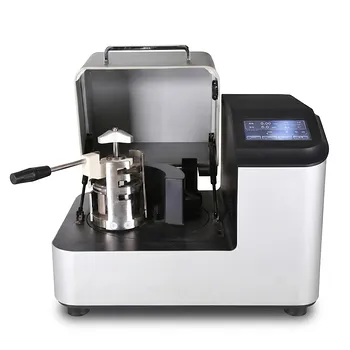
High Energy Laboratory Planetary Ball Mill for Nano Grinding and Material Science Sample Preparation
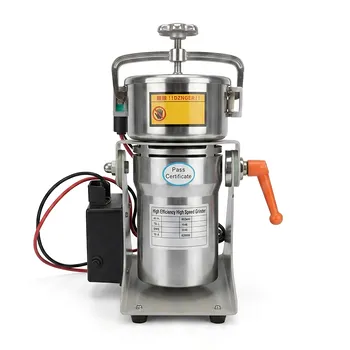
High Efficiency High Speed Grinder Laboratory Mill 1300W 25000rpm
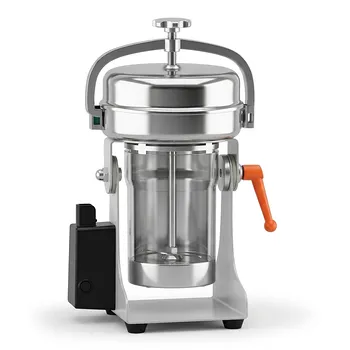
High Efficiency High Speed Grinder 2200W 25000 RPM Laboratory Sample Preparation
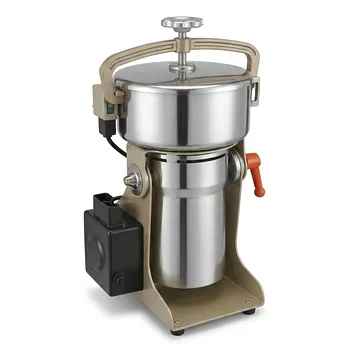
Multifunctional High Efficiency High Speed Laboratory Grinder
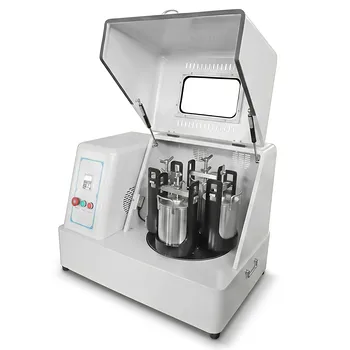
Vertical Square Planetary Ball Mill for Laboratory Sample Preparation and Nanoscale Grinding
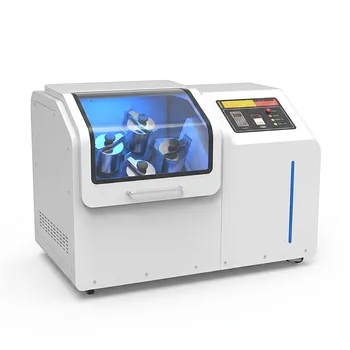
High Energy Omnidirectional Planetary Ball Mill 16L
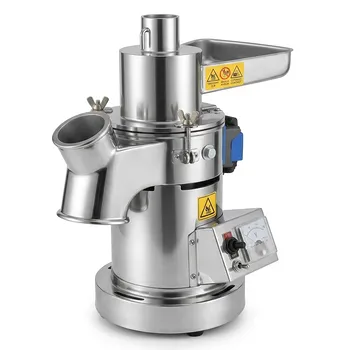
Continuous Feeding Grinder High Efficiency Pulverizer for Lab Sample Preparation
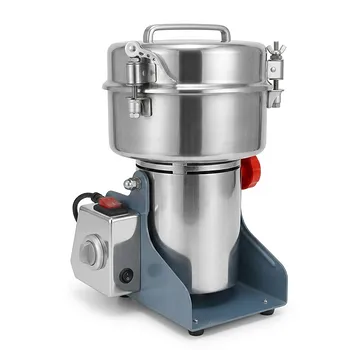
Small High-Speed Grinder for Efficient Laboratory Sample Preparation
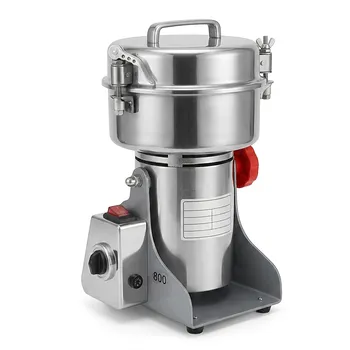
Small High-Speed Laboratory Grinder for Rapid Sample Preparation
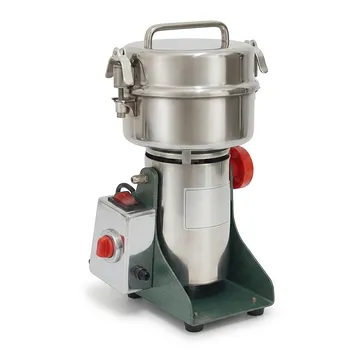
Small High Speed Grinder for Laboratory Sample Preparation
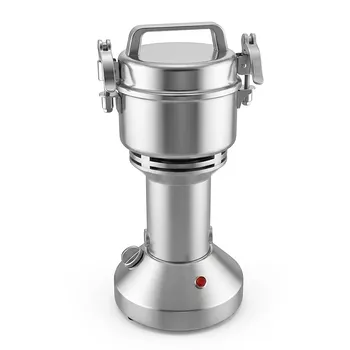
Small High Speed Upright Grinder for Laboratory Sample Preparation
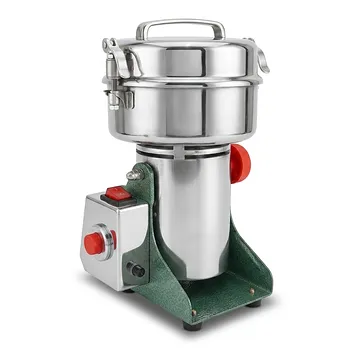
Small High-Speed Laboratory Grinder for Powder Processing
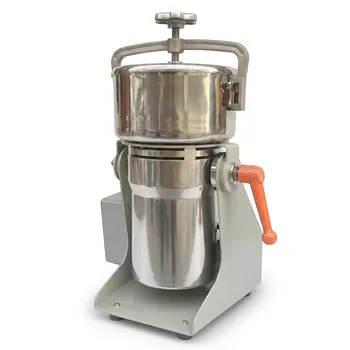
High Speed Laboratory Grinder Efficient Stainless Steel Powder Pulverizer Universal Material Science Mill for Sample Preparation
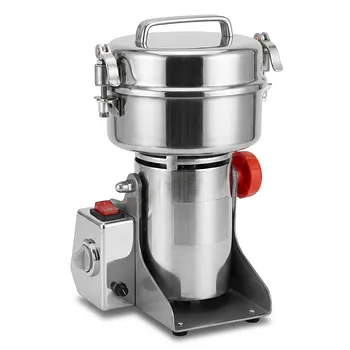
High Speed Laboratory Powder Grinder Small Batch Sample Preparation Mill
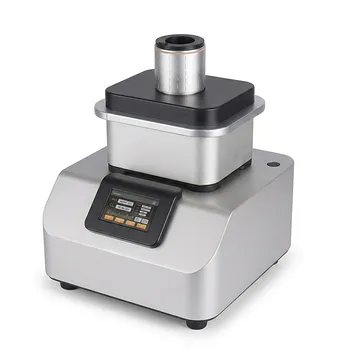
Ultra Centrifugal Mill High Speed Laboratory Grinder for Fibrous and Brittle Sample Preparation
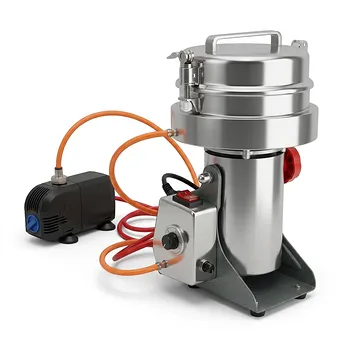
Water Cooled High Speed Grinder with Cryogenic Option for Laboratory Sample Preparation
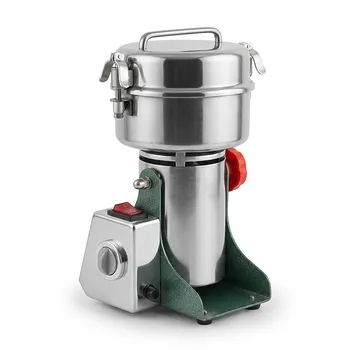
Small High-Speed Swing Grinder for Laboratory Sample Preparation
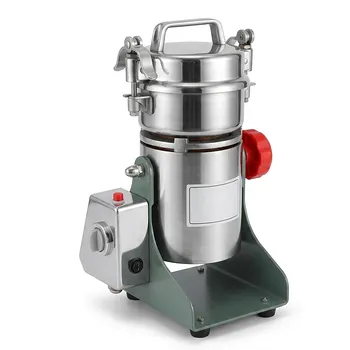
High Speed Swing Type Laboratory Pulverizer for Fine Powder Grinding and Sample Preparation
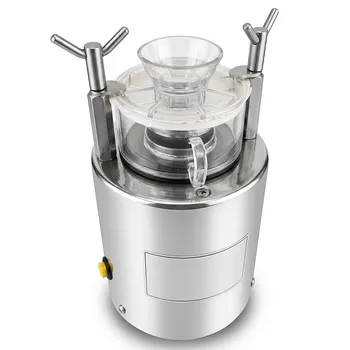
Laboratory Desktop Ultra Fine Powder Grinder High Speed Micronizing Pulverizer