What role does a two-roll mill play in the refining of graphene-filled rubber composites? Master Material Homogeneity
Updated 5 months ago
The two-roll mill serves as the definitive refining mechanism for graphene-filled rubber composites, employing mechanical shear to ensure molecular-level homogeneity. By passing pre-mixed compounds through adjustable roll gaps, the mill applies intense squeezing and shearing forces that break down filler clusters. This process is essential for transforming a simple mixture into a high-performance material with a stable, reinforced internal structure.
A two-roll mill is the primary tool for eliminating graphene agglomerates and establishing a bound rubber layer. It acts as a bridge between crude mixing and a fully optimized composite by facilitating a stable filler network.
The Mechanics of Mechanical Refinement
High-Shear Homogenization
The primary function of the two-roll mill is to utilize powerful shearing actions created by the differential speeds of the rolls. This mechanical energy is necessary to overcome the van der Waals forces that cause graphene particles to clump together.
Precision Gap Control
The adjustable roll gaps allow operators to control the intensity of the squeezing force applied to the compound. By narrowing the gap, the mill increases the shear rate, ensuring that the graphene is dispersed uniformly throughout the rubber matrix.
Structural Transformation at the Molecular Level
Eliminating Graphene Agglomerates
Graphene has a natural tendency to form agglomerates, which act as stress concentrators and weaken the final product. The two-roll mill effectively eliminates these clusters, ensuring the filler provides reinforcement rather than introducing defects.
Establishing the Bound Rubber Layer
The refining process promotes a tighter bond between the graphene fillers and the rubber molecular chains. This interaction creates what is known as "bound rubber," where the polymer chains are chemically or physically anchored to the graphene surface.
Building a Stable Filler Network
A successful refinement stage results in a stable filler network that extends throughout the composite. This network is the primary driver behind the significant improvements in the mechanical strength and physical properties of the final material.
Understanding the Trade-offs
Thermal Management and Scorching
The intense friction generated during the milling process creates significant heat buildup. If the temperature is not carefully managed, the rubber may undergo premature vulcanization, commonly known as "scorching," which ruins the batch.
Risk of Polymer Degradation
While high shear is necessary for graphene dispersion, excessive milling can lead to molecular chain scission. Over-processing reduces the molecular weight of the rubber, which can inadvertently lower the tensile strength and elasticity you are trying to improve.
Achieving Optimal Composite Performance
Applying This to Your Project
To maximize the efficacy of the two-roll mill in your production line, consider the specific requirements of your graphene grade and rubber base.
- If your primary focus is maximizing tensile strength: Ensure the roll gap is minimized during the final passes to maximize the formation of the bound rubber layer.
- If your primary focus is preventing material degradation: Utilize integrated cooling systems within the rolls to maintain a stable temperature and prevent polymer chain scission.
- If your primary focus is processing efficiency: Use the two-roll mill as a secondary refining step only after a robust pre-mixing phase to reduce total residence time on the mill.
By mastering the balance of shear force and thermal control, you can fully realize the transformative potential of graphene within a rubber matrix.
Summary Table:
| Feature | Refining Mechanism | Key Benefit |
|---|---|---|
| Homogenization | High-shear force via differential roll speeds | Eliminates graphene agglomerates and clusters |
| Precision Control | Adjustable roll gaps for specific shear rates | Ensures uniform filler dispersion in rubber matrix |
| Bonding | Mechanical energy application | Establishes the bound rubber layer and filler network |
| Risk Management | Thermal & residence time control | Prevents scorching and polymer chain scission |
Elevate Your Material Research with Precision Engineering
Achieving the perfect graphene-filled composite requires more than just mixing—it requires precision equipment designed for molecular-level refinement. At [Your Brand Name], we provide complete laboratory sample preparation solutions tailored for material science professionals.
Whether you are refining rubber composites or processing advanced powders, our extensive product line supports every stage of your workflow:
- Milling & Grinding: High-energy planetary ball mills, jet mills, and cryogenic grinders for superior particle reduction.
- Compaction Solutions: A full spectrum of hydraulic presses, including Cold/Warm Isostatic Presses (CIP/WIP), hot presses, and XRF pellet presses.
- Processing & Mixing: High-performance powder mixers, defoaming mixers, and specialized crushers.
Ready to optimize your lab’s efficiency and material performance? Contact our experts today to find the ideal equipment for your specific application.
References
- Ali A. El‐Samak, Tony McNally. Graphite precursor processing controlled performance of graphene nanoplatelet (GNP)–filled SBR. DOI: 10.1007/s42114-025-01502-y
Mentioned Products
- Heightened Customized Laboratory Double Roll Crusher for Coal Ore Rock Crushing
- Laboratory Sealed Double Roll Crusher for Coal Ore Rock and Medium Hardness Materials Sample Preparation
- Laboratory Double Roll Crusher for Medium Hardness Materials Coal Ore Sample Preparation
- Laboratory Double Roller Crusher for Mining Construction Chemical Sample Preparation
- Sealed Double Roll Crusher for Laboratory Sample Preparation of Medium Hardness Materials
People Also Ask
- Why is a double roll crusher used for tin & tantalum? Prevent over-crushing & optimize gravity separation recovery.
- Why use a lab roll crusher after jaw crushing for magnetite? Optimize kinetics and preserve material integrity.
- Why is material selection for crusher rollers critical for abrasive materials? Balance Purity and Tool Longevity
- What is the primary function of laboratory crushing equipment during the clay pretreatment stage? Improve Sample Accuracy
- Why Pre-Crush Bulk ZnFeS Before Ball Milling? Essential Steps for Efficiency and High-Purity Micron Refinement

Tech Team · PowderPreparation
Last updated on May 14, 2026
Related Products
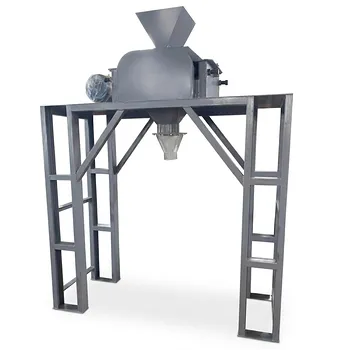
Heightened Customized Laboratory Double Roll Crusher for Coal Ore Rock Crushing
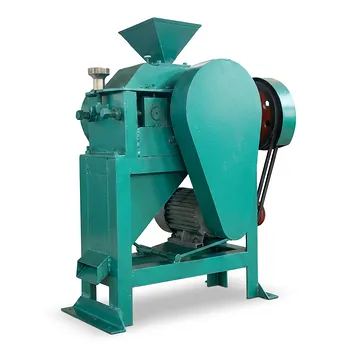
Laboratory Sealed Double Roll Crusher for Coal Ore Rock and Medium Hardness Materials Sample Preparation
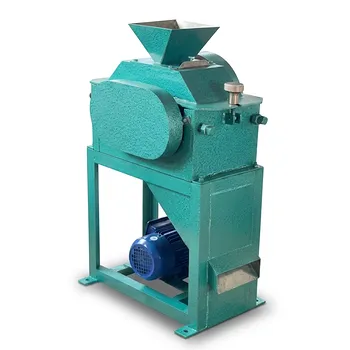
Laboratory Double Roll Crusher for Medium Hardness Materials Coal Ore Sample Preparation
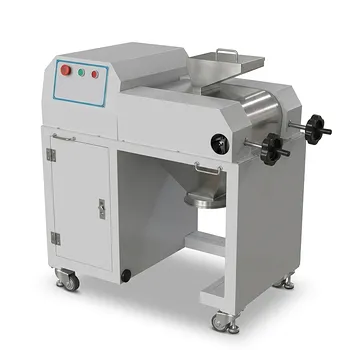
Laboratory Double Roller Crusher for Mining Construction Chemical Sample Preparation
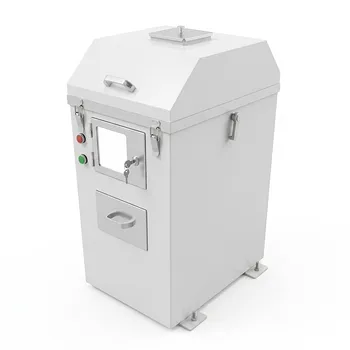
Sealed Double Roll Crusher for Laboratory Sample Preparation of Medium Hardness Materials
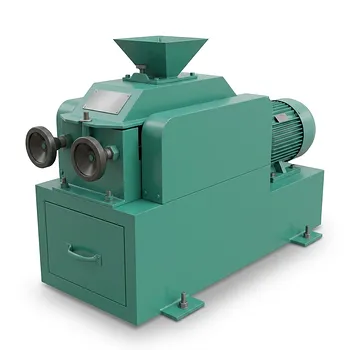
Horizontal Double Roll Crusher for Medium Fine Crushing of Coal Limestone and Ores
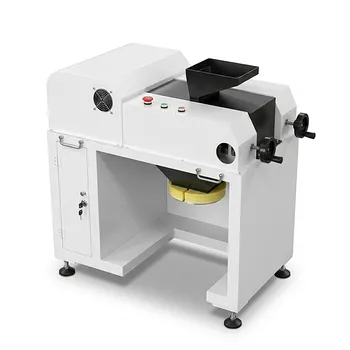
Precision Toothed Roll Crusher for Laboratory Coal and Mineral Sample Preparation
Dual Station Planetary Ball Mill 24L
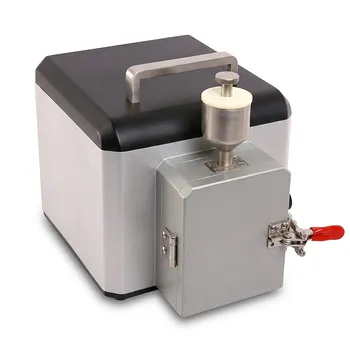
Portable Cutting Mill for Laboratory Sample Preparation and RoHS WEEE Compliance Testing
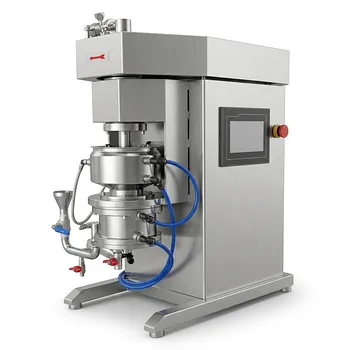
Small Ceramic Structure Laboratory Sand Mill Nanoscale Grinding Dispersion Equipment Seal-less Screen-less Design
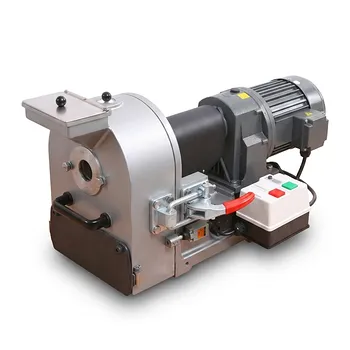
Laboratory Disc Mill for Fine Sample Preparation of Hard and Brittle Materials
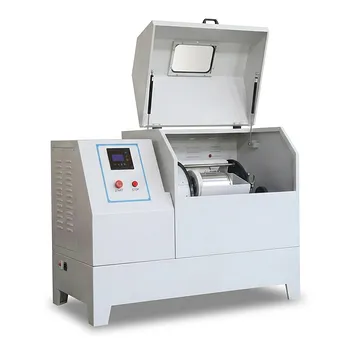
Heavy Duty Horizontal Planetary Ball Mill for Efficient Industrial Grinding and Sample Preparation
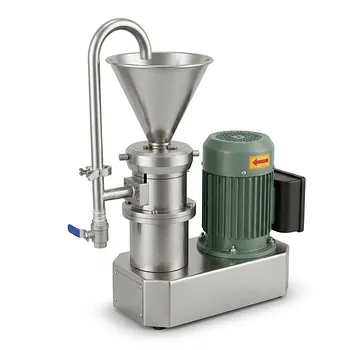
Small Laboratory Colloid Mill for Ultra-Fine Wet Grinding and Emulsification

Vertical Square Planetary Ball Mill for Laboratory Sample Preparation and Nanoscale Grinding
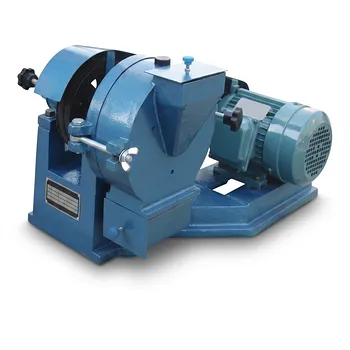
Laboratory Disc Mill for Ore and Mineral Sample Preparation

High Energy Omnidirectional Planetary Ball Mill 20L

Miniature Planetary Ball Mill with Vacuum Grinding and High Efficiency for Laboratory Sample Preparation

Vertical Production Planetary Ball Mill for High Throughput Powder Processing
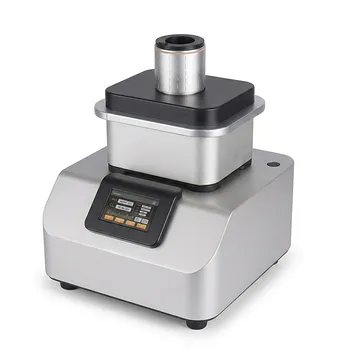
Ultra Centrifugal Mill High Speed Laboratory Grinder for Fibrous and Brittle Sample Preparation
