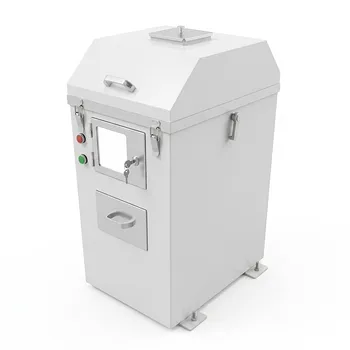
What is the primary function of laboratory crushing equipment during the clay pretreatment stage? Improve Sample Accuracy
Updated 5 months ago
The primary function of laboratory crushing equipment is to transform bulk, heterogeneous clay into a fine, uniform powder. This physical transformation significantly increases the specific surface area of the material, which is essential for ensuring uniform moisture removal during air drying and improving the precision of subsequent chemical composition analysis.
The central goal of laboratory crushing is to create a standardized physical state that allows for consistent chemical reactions and analytical results. By maximizing surface area, the equipment ensures that both heat and chemical reagents can interact with the material predictably and thoroughly.
The Role of Surface Area in Clay Pretreatment
Optimizing Moisture and Heat Transfer
Crushing raw clay into smaller particles creates a higher surface-to-volume ratio, allowing moisture to escape more easily. This ensures that the air-drying process is uniform throughout the sample, preventing internal dampness that could skew experimental results.
In thermal applications, such as the preparation of Calcined Kaolin Clay (CKC), the increased surface area allows heat to penetrate the particles rapidly. This is critical for the complete removal of hydroxyl ions (OH-) and the successful transformation of the mineral crystalline structure.
Ensuring Sample Representativeness
Raw clay often arrives in large, irregular blocks that may vary in composition. Crushing is the first step in homogenization, reducing bulk ore to a granularity that allows for effective mixing and splitting.
This process ensures that the tiny sub-samples used in laboratory tests accurately represent the larger batch of material. Without this stage, "nugget effects" or localized mineral concentrations could lead to highly inaccurate data.
Downstream Impacts on Analysis and Processing
Enhancing Chemical and Mineralogical Accuracy
Fine grinding is a prerequisite for advanced analytical techniques like X-ray diffraction (XRD). A uniform powder ensures that the sample can be sieved evenly, providing the standardized surface required for accurate mineral component identification.
Furthermore, increasing the available reaction sites is vital for thermal activation. In calcareous low-grade clays, a finer grind provides more surface area for dehydroxylation, ensuring the chemical reaction is both thorough and uniform.
Improving Energy and Process Efficiency
In a broader mineral processing workflow, the laboratory crusher acts as a primary size reduction tool. It prepares the "feed" for secondary systems like ball mills or stirred mills.
By reducing the material to a specific granularity (often passing through a 2mm sieve), the crusher minimizes the energy required for the final fine-grinding stages. This staged approach to comminution is the most energy-efficient way to reach the desired final fineness.
Understanding the Trade-offs and Limitations
Risk of Material Contamination
The mechanical action of crushing involves high-energy impacts between the clay and the equipment's grinding media (such as steel or ceramic). There is an inherent risk of cross-contamination from the abrasion of the crusher’s internal components, which can introduce trace elements into the clay.
Heat-Induced Alterations
High-speed grinding can generate significant localized heat. If not managed, this heat can trigger premature moisture loss or even early-stage chemical changes in sensitive clay minerals, potentially compromising the integrity of the "raw" sample data.
The Problem of Over-Grinding
Reducing particle size too aggressively can sometimes lead to agglomeration, where fine particles stick together due to electrostatic forces. This effectively reduces the usable surface area and can complicate subsequent sieving or mixing processes.
How to Apply This to Your Project
When selecting or operating laboratory crushing equipment, your approach should be dictated by your ultimate analytical or industrial goal.
- If your primary focus is Chemical Analysis (XRD/XRF): Prioritize equipment that can achieve a very fine, uniform powder (micron-scale) to ensure the highest possible precision in mineral identification.
- If your primary focus is Thermal Processing (Calcination): Focus on achieving a consistent particle size distribution that facilitates even heat penetration without causing excessive material loss or dust.
- If your primary focus is Pilot-Scale Simulation: Use a crusher that mimics the mechanical action of industrial impact or compression grinders to better predict how the clay will behave in a full-scale production environment.
Proper mechanical pretreatment is the foundation of all reliable clay research, transforming raw earth into a standardized technical material.
Summary Table:
| Aspect | Function of Crushing | Impact on Analysis |
|---|---|---|
| Surface Area | Maximizes surface-to-volume ratio | Ensures uniform moisture removal and rapid heat penetration |
| Homogenization | Breaks down irregular blocks | Eliminates "nugget effects" for representative sampling |
| Analytical Prep | Produces fine, uniform powder | Essential for accurate XRD/XRF mineral identification |
| Process Flow | Primary size reduction | Minimizes energy consumption in downstream fine-milling |
Optimize Your Clay Pretreatment with Professional Solutions
Achieving consistent analytical results starts with superior sample preparation. At [Brand Name], we provide complete laboratory sample preparation solutions for material science, specializing in high-performance powder processing and compaction equipment.
Whether you need robust jaw or roll crushers for primary size reduction, planetary ball mills for fine grinding, or XRF pellet presses for final analysis, our equipment is engineered to prevent contamination and ensure uniformity. We support researchers and industrial labs with a full spectrum of tools, including:
- Crushing & Grinding: Liquid nitrogen cryogenic grinders, jet mills, and disc mills.
- Sieving & Mixing: Vibratory sieve shakers and high-efficiency powder mixers.
- Compaction: Cold/Warm Isostatic Presses (CIP/WIP) and vacuum hot presses.
Ready to enhance your lab's efficiency and data precision? Contact our experts today to find the ideal crushing and milling solution for your materials!
References
- Dyah Setyaningrum, Aprilia Nur Azizah. CHARACTERIZATION OF CLAY MATERIALS USED FOR POTTERY PURPOSES FROM RENDENG, MALO, BOJONEGORO. DOI: 10.18860/neu.v14i1.12753
Mentioned Products
- Horizontal Jaw Crusher Medium Hard Material Crushing Laboratory Sample Preparation Equipment
- 150×125mm Laboratory Jaw Crusher for Medium and Fine Crushing of Brittle Materials
- High Speed Small Laboratory Crusher for Dry Material Sample Preparation
- Laboratory Sealed Hammer Crushers for Coal Sample Preparation and Medium Strength Material Crushing
- Laboratory Jaw Crusher 200x300mm Opening for Primary Crushing of Ores and Aggregates
People Also Ask
- What is the primary role of a laboratory jaw crusher in the initial stages of tin and tantalum ore reprocessing? Explained
- What is the primary function of a laboratory jaw crusher? Master Initial Hard Rock Ore Preparation & Feed Sizing
- What is the role of a laboratory jaw crusher in the initial preparation of silicate-type low-grade copper ore?
- Why is a laboratory jaw crusher necessary for processing biomass materials? Essential Prep for Material Science
- What is the primary function of a laboratory jaw crusher in the pretreatment process of galena ore? Initial Prep Guide

Tech Team · PowderPreparation
Last updated on May 14, 2026
Related Products
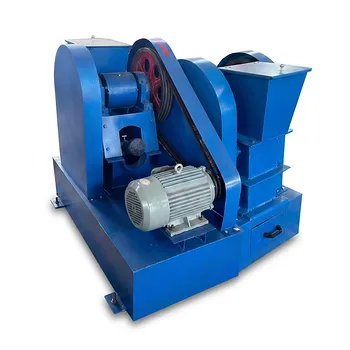
Horizontal Jaw Crusher Medium Hard Material Crushing Laboratory Sample Preparation Equipment
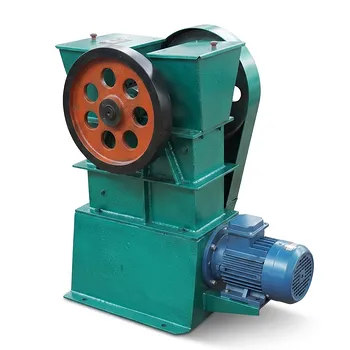
150×125mm Laboratory Jaw Crusher for Medium and Fine Crushing of Brittle Materials
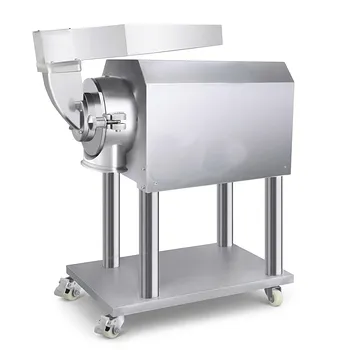
High Speed Small Laboratory Crusher for Dry Material Sample Preparation
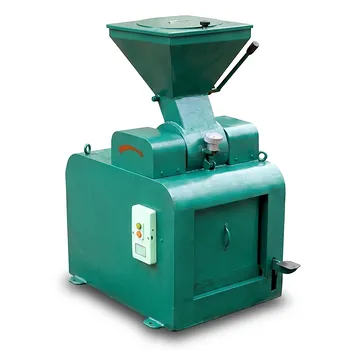
Laboratory Sealed Hammer Crushers for Coal Sample Preparation and Medium Strength Material Crushing
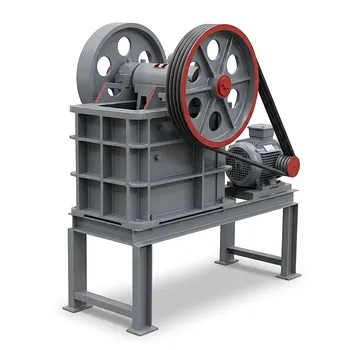
Laboratory Jaw Crusher 200x300mm Opening for Primary Crushing of Ores and Aggregates
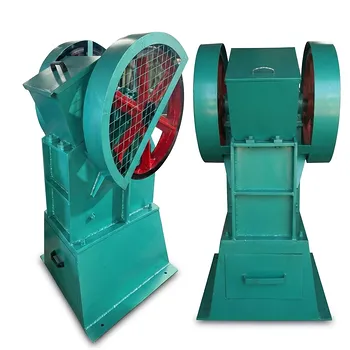
Sealed Jaw Crusher for Laboratory Material Crushing and Sample Preparation
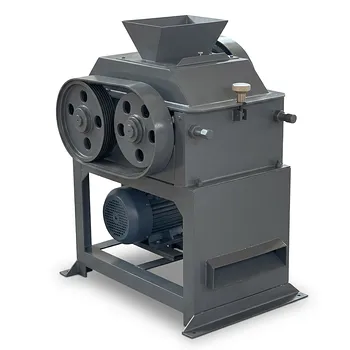
Sealed Laboratory Double Roll Crusher for Coal, Mineral, Ore Sample Preparation
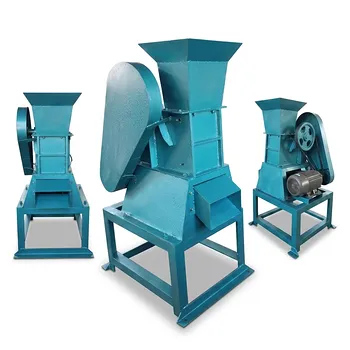
Custom Raised Height Laboratory Jaw Crusher for Precision Sample Preparation in Material Science
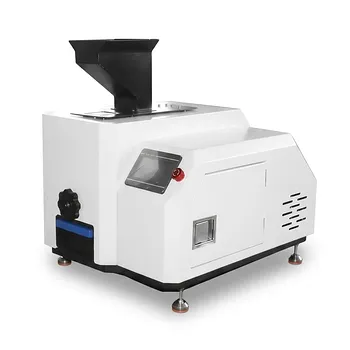
Laboratory Jaw Crusher 2025 Model for Ore and Brittle Material Crushing
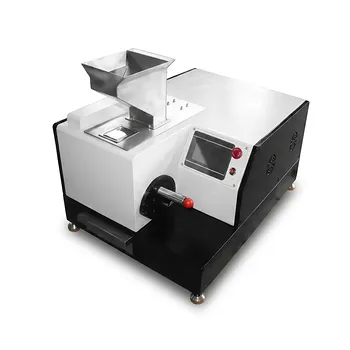
Experimental Jaw Crusher for Laboratory Ore Crushing and Sample Preparation
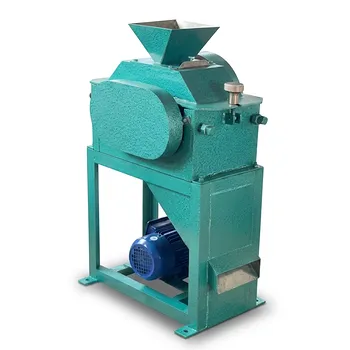
Laboratory Double Roll Crusher for Medium Hardness Materials Coal Ore Sample Preparation
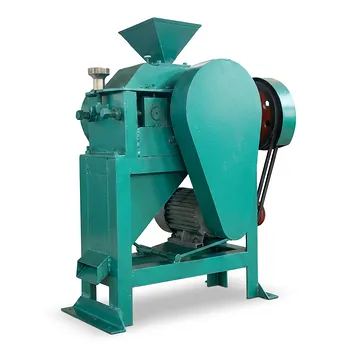
Laboratory Sealed Double Roll Crusher for Coal Ore Rock and Medium Hardness Materials Sample Preparation
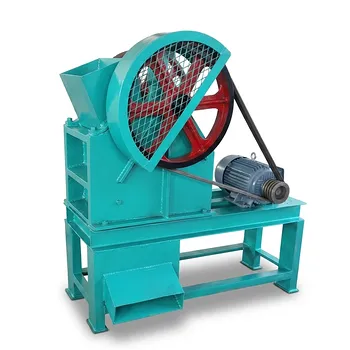
150x250mm Custom Laboratory Jaw Crusher for Coal Ore Mineral Crushing
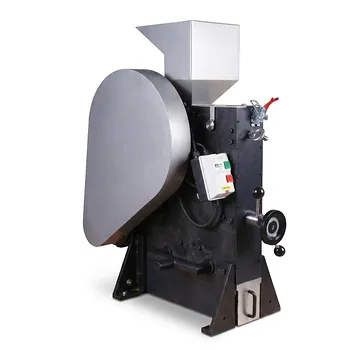
Heavy Duty Industrial Laboratory Jaw Crusher for Primary Sample Preparation and Hard Material Size Reduction
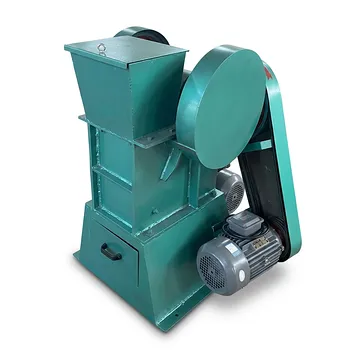
Small Laboratory Jaw Crusher 150x200mm Feed Opening for Sample Preparation and Medium Fine Crushing
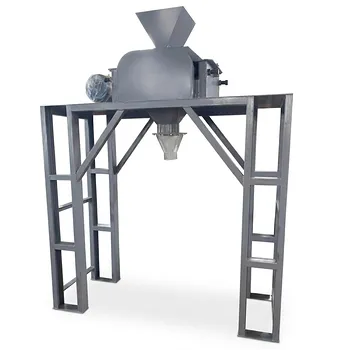
Heightened Customized Laboratory Double Roll Crusher for Coal Ore Rock Crushing
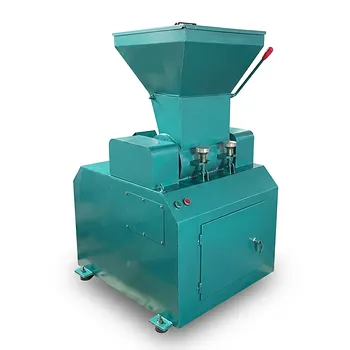
Sealed Hammer Crusher for Laboratory Coal Sample Preparation Adjustable Output Size
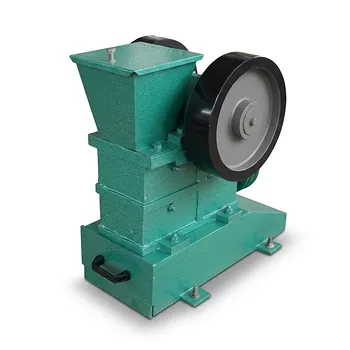
Laboratory Small Jaw Crusher 100x60mm
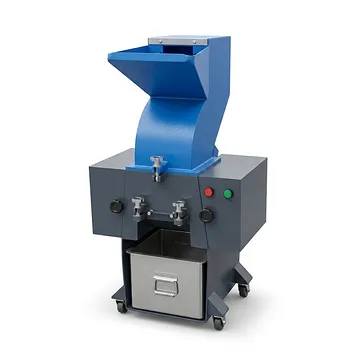
Heavy-Duty Crusher for Laboratory and Industrial Material Size Reduction