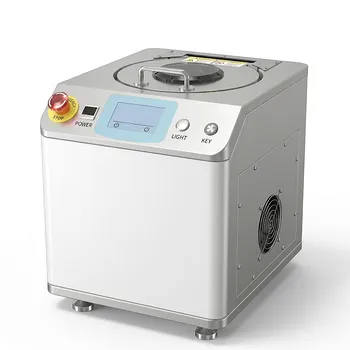
What role does a mechanical mixer play in Rice Straw Ash cement mortar? Ensure Uniform RSA Dispersion & Strength
Updated 3 months ago
Mechanical mixing is the critical process that transforms a heterogeneous blend of materials into a stable, high-performance Rice Straw Ash (RSA) cement mortar. By providing consistent shear force, the mixer ensures that ultra-fine RSA particles are uniformly dispersed throughout the binder system, preventing the formation of clumps that would otherwise compromise the structural integrity of the final product.
The primary role of a mechanical mixer is to achieve a microscopic level of homogeneity by breaking down particle agglomerates and ensuring a uniform hydration reaction. This process is essential for producing specimens that yield consistent, repeatable results during mechanical strength and durability testing.
Overcoming the Challenge of Particle Agglomeration
The Nature of Ultra-Fine Rice Straw Ash
Rice Straw Ash consists of ultra-fine particles that possess a high surface-area-to-volume ratio. These particles have a natural tendency to stick together, forming clusters or "agglomerates" that can trap unhydrated cement or air.
Breaking Physical Bonds Through Mechanical Shear
A mechanical mixer applies a specific level of energy and shear that manual mixing cannot replicate. This force is necessary to physically separate RSA particles, allowing them to be fully coated by the liquid phase of the mortar.
Preventing "Dry Pockets" in the Matrix
When particles are properly dispersed, the risk of "dry pockets"—areas where the binder has not reacted—is virtually eliminated. This leads to a significantly more stable and dense microstructure in the hardened mortar.
Facilitating Chemical Homogeneity and Hydration
Ensuring Uniform Hydration Reactions
The mechanical mixer ensures that water and chemical admixtures reach every part of the cementitious blend simultaneously. This results in a uniform hydration reaction across the entire specimen, preventing localized weak spots caused by uneven curing.
Maximizing Pozzolanic Activity
RSA acts as a pozzolan, reacting with calcium hydroxide to form additional strength-giving compounds. Mechanical agitation ensures that the RSA is in intimate contact with the cement paste, maximizing its chemical contribution to the mortar's strength.
Consistency in Experimental Testing
For researchers, the mechanical mixer provides a constant stirring rate and duration. This standardization is vital to ensure that subsequent mechanical strength tests are representative of the material's true potential rather than a result of mixing variability.
Managing Density and Component Distribution
Addressing Density Differences
Rice Straw Ash often has a different density compared to heavy sand or cement. Mechanical mixing prevents material segregation, where lighter particles float to the top and heavier aggregates settle at the bottom.
Uniformity at the Microscopic Scale
Controlled mechanical agitation ensures that all components, including fibers or supplementary powders, are distributed at a microscopic scale. This is a prerequisite for a homogenous reaction once the water or activator solution is introduced.
Integration of Additives and Pollutants
In specialized mortars, mechanical mixing ensures that any dissolved salts or pollutants are dispersed evenly. This prevents localized high concentrations of substances that could otherwise severely delay the setting time or interfere with hydration.
Understanding the Trade-offs and Pitfalls
The Risk of Over-Mixing
While thorough blending is necessary, excessive mixing can introduce unwanted air entrainment. This can increase the porosity of the mortar and lead to a reduction in compressive strength.
Heat Generation During Mixing
High-intensity mechanical mixing can generate friction-induced heat. In some cementitious systems, this temperature rise can accelerate the initial set prematurely, making the mortar difficult to work with.
Equipment Maintenance and Consistency
The effectiveness of the mix is highly dependent on the blade geometry and clearance. Worn-out mixing paddles or inconsistent speeds between different machines can lead to variability in the RSA distribution across different batches.
Making the Right Choice for Your Goal
How to Apply This to Your Project
To achieve the best results when preparing Rice Straw Ash cement mortar, consider your primary objective:
- If your primary focus is Research and Validation: Use a laboratory-grade mechanical mixer with programmable speeds to ensure your results are repeatable and scientifically sound.
- If your primary focus is Structural Strength: Prioritize a high-shear mixing cycle to ensure the RSA is fully integrated and the pozzolanic reaction is maximized.
- If your primary focus is Workability and Placing: Monitor mixing duration closely to prevent excessive air entrainment or heat buildup that could shorten your pot life.
By mastering the mechanical mixing process, you ensure that the innovative properties of Rice Straw Ash are fully realized in the final cementitious matrix.
Summary Table:
| Key Mixing Function | Primary Benefit to Mortar | Impact on Performance |
|---|---|---|
| High-Shear Force | Breaks RSA particle agglomerates | Prevents dry pockets & weak spots |
| Homogenization | Even distribution of ultra-fine ash | Maximizes pozzolanic activity & strength |
| Chemical Uniformity | Standardized hydration reaction | Consistent, repeatable experimental results |
| Segregation Control | Prevents density-based settling | Ensures a stable, dense microstructure |
| Process Control | Managed mixing speed & duration | Prevents air entrainment & premature setting |
Elevate Your Material Research with Precision Mixing Solutions
Achieving the perfect dispersion in Rice Straw Ash (RSA) mortar requires equipment that provides consistent shear and reliability. [Your Brand Name] provides complete laboratory sample preparation solutions for material science, specializing in high-performance powder processing and compaction equipment.
Our extensive range includes powder mixers and defoaming mixers specifically designed to handle ultra-fine particles, alongside planetary ball mills, jet mills, and vibratory sieve shakers for precise particle size control. To complete your workflow, we manufacture a full spectrum of hydraulic presses, including Cold/Warm Isostatic Presses (CIP/WIP) and vacuum hot presses for advanced material characterization.
Ready to enhance your lab's efficiency and ensure structural integrity in every specimen? Contact our experts today to find the ideal mixing and pressing solutions for your specific research needs!
References
- Surajit Munshi, Richi Prasad Sharma. Use of Rice Straw Ash as Pozzolanic Material in Cement Mortar. DOI: 10.7763/ijet.2013.v5.626
Mentioned Products
- Laboratory Mortar Grinder for Sample Preparation and Cryogenic Powder Homogenization
- Three-Dimensional Motion Mixer for Laboratory Powder and Granule Blending
- Inclined Mixer for Homogeneous Powder Blending and Grinding
- Horizontal Trough Mixer for Uniform Powder and Paste Blending
- Industrial Double Cone Mixer for Powder Blending and Homogeneous Mixing
People Also Ask
- What role does a laboratory grinder play in the pretreatment of sunflower seed shell-based adsorbents? Boost Efficiency.
- How does a laboratory grinder or mill enhance the adsorption performance of agricultural waste materials? Boost Surface Area
- How does cryogenic milling affect the dispersion and structural integrity of graphene in polymer nanocomposites? Guide.
- How do steel grinding balls contribute to the production of inhalable powders within a cryogenic grinder? Key Insights
- Why is a cryogenic grinder essential for nano-encapsulated materials? Protect Integrity and Boost Remediation Success

Tech Team · PowderPreparation
Last updated on Jun 03, 2026
Related Products
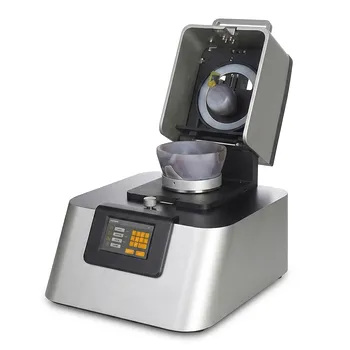
Laboratory Mortar Grinder for Sample Preparation and Cryogenic Powder Homogenization
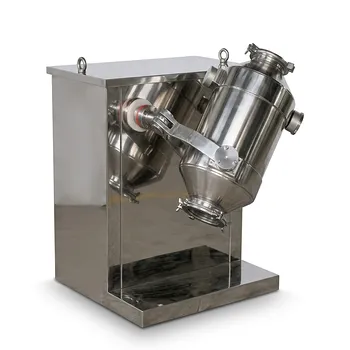
Three-Dimensional Motion Mixer for Laboratory Powder and Granule Blending
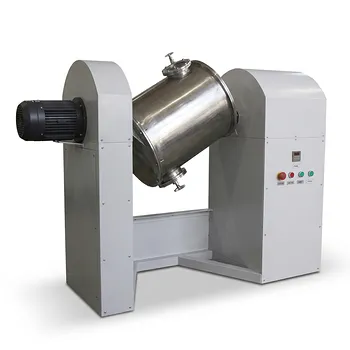
Inclined Mixer for Homogeneous Powder Blending and Grinding
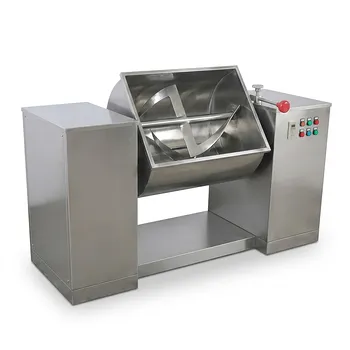
Horizontal Trough Mixer for Uniform Powder and Paste Blending
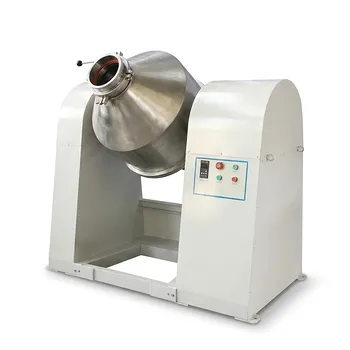
Industrial Double Cone Mixer for Powder Blending and Homogeneous Mixing
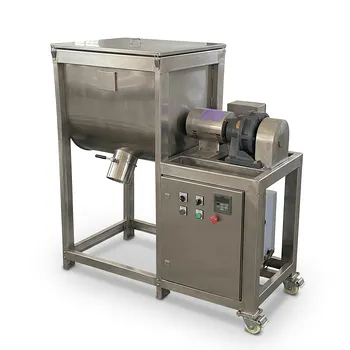
Horizontal Ribbon Mixer for Dry Powder and Slurry Blending
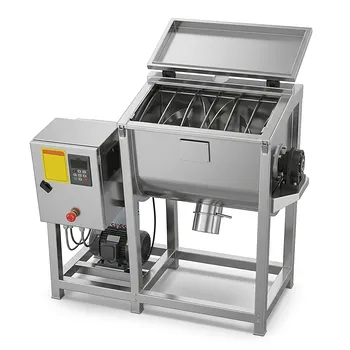
Horizontal Ribbon Mixer for Uniform Powder and Slurry Mixing
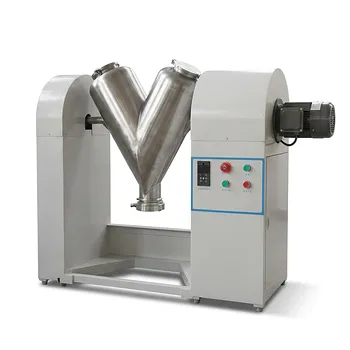
V-Type Powder Mixer for Uniform Blending of Dry Powders and Granules
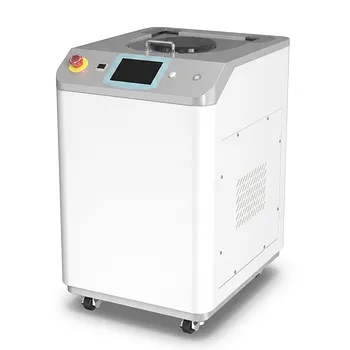
High Viscosity Planetary Centrifugal Mixing and Vacuum Defoaming Machine for Laboratory Material Preparation
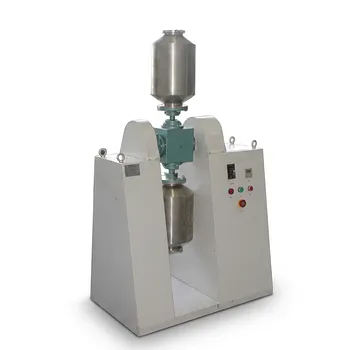
Multi Dimensional Universal Mixer for High Uniformity Powder Blending
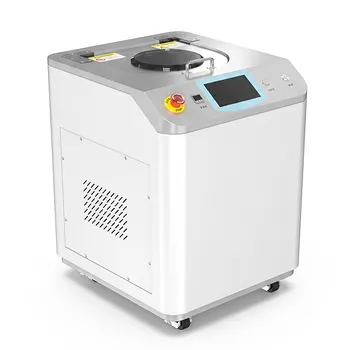
High Speed Vacuum Planetary Centrifugal Mixer and Defoamer for Industrial Paste Processing
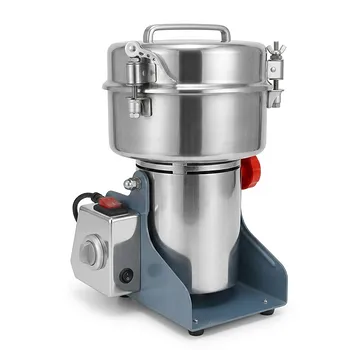
Small High-Speed Grinder for Efficient Laboratory Sample Preparation
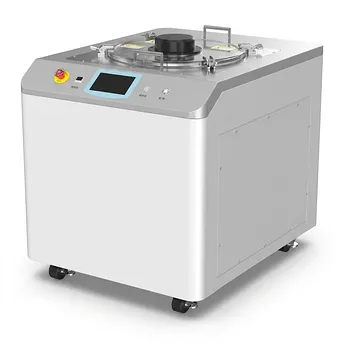
Industrial Planetary Centrifugal Vacuum Defoaming Mixer for High Viscosity Paste and Powder Homogenization
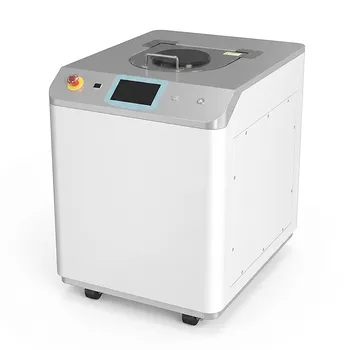
Industrial Planetary Centrifugal Vacuum Defoaming Mixer for High Viscosity Paste and Advanced Material Science
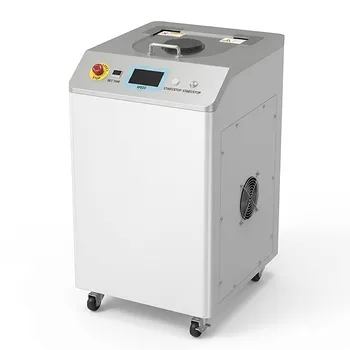
High Viscosity Planetary Centrifugal Vacuum Mixer for Material Defoaming and Uniform Mixing
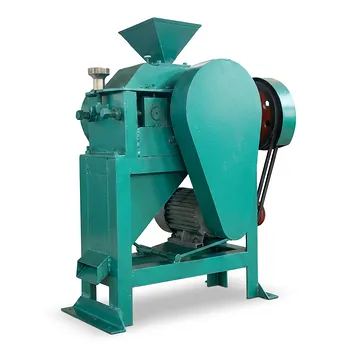
Laboratory Sealed Double Roll Crusher for Coal Ore Rock and Medium Hardness Materials Sample Preparation
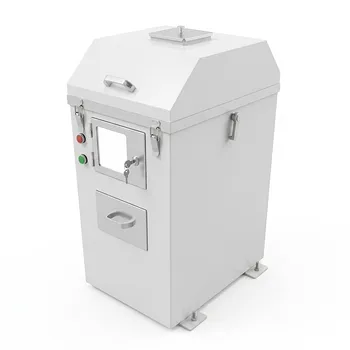
Sealed Double Roll Crusher for Laboratory Sample Preparation of Medium Hardness Materials
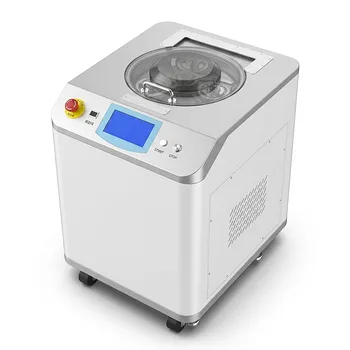
Dual Cup Vacuum Centrifugal Mixer Planetary Paste Defoaming Machine Industrial Material Processor
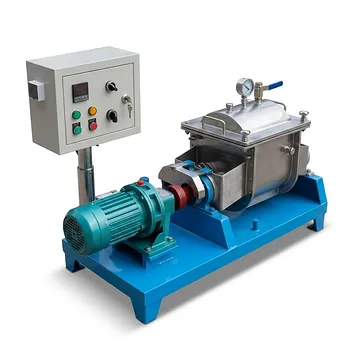
Industrial Vacuum Kneader for High-Viscosity Silicone, Rubber, and Compound Mixing