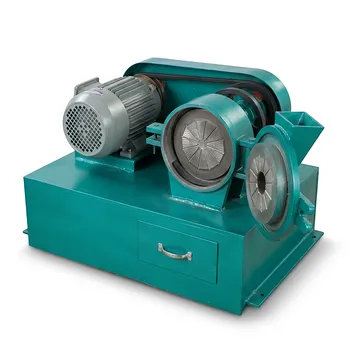
What role does a laboratory mixer play in the preparation of pyrophyllite? Achieve Micro-Level Homogenization
Updated 5 months ago
The laboratory mixer serves as the critical bridge between raw powder components and a high-performance functional coating. Its primary role is to achieve thorough microscopic homogenization of pyrophyllite and reinforcing materials, such as mullite or corundum, in their dry state before any liquid binders are introduced.
Achieving a uniform distribution of multi-component fillers at a microscopic level is essential for preventing compositional segregation. This ensures that the final protective coating maintains consistent physical properties and performance throughout the application process.
Achieving Micro-Level Homogenization
The Critical Sequence of Dry Mixing
The process begins by blending pyrophyllite with reinforcing powders in a dry state. This sequence is vital because it allows the mixer to distribute fine particles without the interference of liquid surface tension.
By establishing a uniform dry matrix first, you ensure that every part of the mixture has an identical ratio of ingredients. This prevents "pockets" of unreinforced pyrophyllite which would weaken the final coating.
Preventing Material Segregation
During the coating process, materials of different densities—like pyrophyllite and corundum—naturally tend to separate or segregate. The laboratory mixer uses high-intensity mechanical action to lock these particles into a stable, homogeneous state.
Without this level of precision, the protective coating would exhibit localized failures. Uniformity at the microscopic level ensures that the reinforcement is present exactly where it is needed most.
Mechanical Dynamics and Surface Preparation
De-agglomeration and Surface Area
Natural minerals and powders often exist in an agglomerated state, where particles clump together due to moisture or electrostatic forces. The laboratory mixer provides the mechanical force necessary to break these clumps into smaller, individual granules.
This process significantly increases the exposed surface area of the particles. A higher surface area is essential for the next stage of preparation, as it allows for more efficient chemical reactions and physical bonding.
Facilitating Binder Interaction
Once the dry powders are homogenized, the mixer ensures that liquid binders can fully wet every particle. In complex mixtures involving metakaolin or polymers, the mixer's shear force pushes the liquid into the gaps between solid grains.
This deep wetting prevents the formation of dry "cores" within the mixture. Proper wetting is the foundation of a strong geopolymerization reaction or a stable viscoelastic composite.
Understanding the Trade-offs
Shear Sensitivity and Overheating
While high shear is necessary to break down clumps, it can also generate significant localized heat. In polymer-based or temperature-sensitive mixtures, excessive friction can lead to premature hardening or degradation of the matrix.
It is critical to balance rotation speeds with the material's thermal limits. Over-mixing can sometimes lead to the breakdown of the reinforcing fibers themselves, reducing the structural integrity of the final product.
The Risks of Improper Batch Sizing
Laboratory mixers are designed for specific volumes; operating outside these limits can compromise homogeneity. If the batch is too small, the blades may not engage the material effectively; if too large, "dead zones" can form where material remains unmixed.
Consistency in batch size is just as important as the mixing time itself. Engineers must validate that the mixing intensity is uniform across the entire volume to avoid batch-to-batch variability.
Applying Mixing Principles to Your Process
Recommendations for Success
- If your primary focus is coating consistency: Ensure a dedicated dry-mixing phase of at least several minutes before introducing any liquid binders to prevent microscopic segregation.
- If your primary focus is structural reinforcement: Use high-shear settings to eliminate fiber clumping and ensure that the reinforcing materials are fully integrated into the pyrophyllite matrix.
- If your primary focus is reaction stability: Monitor the temperature during mixing to ensure that mechanical friction does not trigger premature chemical reactions or binder degradation.
The precise control of mechanical energy within a laboratory mixer is what transforms a simple blend of powders into a high-performance, engineered material.
Summary Table:
| Mixing Function | Key Benefit | Impact on Final Coating |
|---|---|---|
| Dry Stage Mixing | Microscopic Homogenization | Prevents compositional segregation and weak spots. |
| High-Shear Action | De-agglomeration | Increases particle surface area for superior bonding. |
| Binder Dispersion | Full Particle Wetting | Eliminates dry cores for stable geopolymerization. |
| Precision Control | Thermal Management | Prevents premature hardening and fiber degradation. |
Elevate Your Material Preparation with Our Expert Solutions
Achieving the perfect mixture of pyrophyllite and reinforcing materials requires more than just basic blending—it requires precision engineering. At Our Advanced Laboratory Solutions, we specialize in providing complete laboratory sample preparation equipment tailored for material science.
Whether you are focusing on powder processing or advanced compaction, our extensive product line is designed to ensure consistency and high performance:
- Advanced Mixing: High-performance powder mixers and defoaming mixers for micro-level homogenization.
- Precision Milling: Planetary ball mills, jet mills, and cryogenic grinders to achieve the ideal particle size.
- Compaction Excellence: A full spectrum of hydraulic presses, including Cold/Warm Isostatic Presses (CIP/WIP), vacuum hot presses, and XRF pellet presses.
- Size Analysis: Sieve shakers and crushers for comprehensive raw material preparation.
Don't let inconsistent mixing compromise your research or production quality. Contact us today to discuss how our specialized equipment can optimize your workflow and deliver superior material results.
References
- Marko Pavlović, Enita Kurtanović. Application of waste raw materials as a reinforcement for protective coatings based on pyrophyllite. DOI: 10.2298/ciceq240410029p
Mentioned Products
- High Viscosity Planetary Centrifugal Mixing and Vacuum Defoaming Machine for Laboratory Material Preparation
- Horizontal Ribbon Mixer for Uniform Powder and Slurry Mixing
- High Efficiency Vacuum Planetary Centrifugal Mixer and Defoaming Machine for Industrial Material Research and Precise Laboratory Powder Dispersion
- High Shear Laboratory Emulsifier for Mixing and Homogenization
- Three-Dimensional Motion Mixer for Laboratory Powder and Granule Blending
People Also Ask
- What are the primary advantages of planetary centrifugal mixers? Master Bladeless Mixing & Vacuum Defoaming
- How does a planetary centrifugal mixer address key challenges in Tyr-CDs@EVA optical films? Ensure Optical Clarity.
- How does the tilt angle of the container influence fluid flow within a planetary centrifugal mixer? Master 3D Convection
- Why is an industrial-grade planetary centrifugal mixer used for secondary stirring? Achieve Void-Free Filler Dispersion
- Planetary Centrifugal Mixer vs. Manual Mixing for Eu2O3 Resins: Achieving Superior Dispersion & Deaeration

Tech Team · PowderPreparation
Last updated on May 14, 2026
Related Products
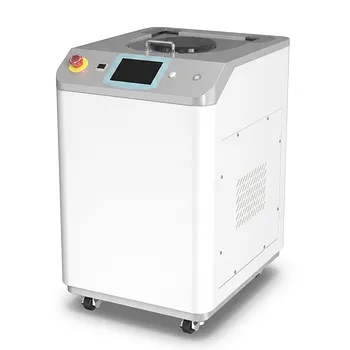
High Viscosity Planetary Centrifugal Mixing and Vacuum Defoaming Machine for Laboratory Material Preparation
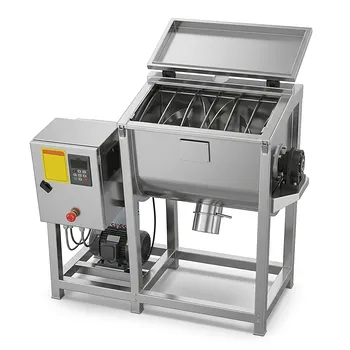
Horizontal Ribbon Mixer for Uniform Powder and Slurry Mixing
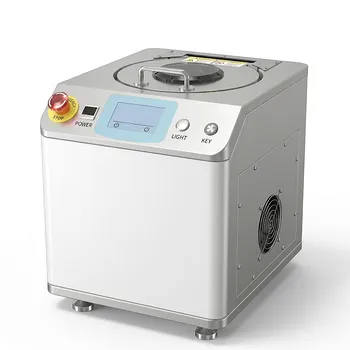
High Efficiency Vacuum Planetary Centrifugal Mixer and Defoaming Machine for Industrial Material Research and Precise Laboratory Powder Dispersion
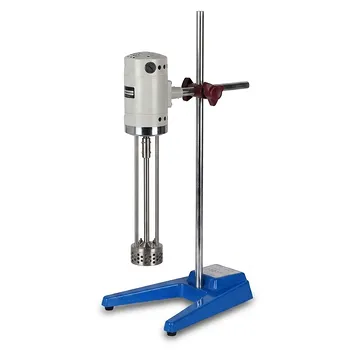
High Shear Laboratory Emulsifier for Mixing and Homogenization
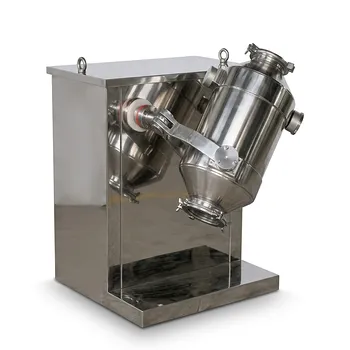
Three-Dimensional Motion Mixer for Laboratory Powder and Granule Blending
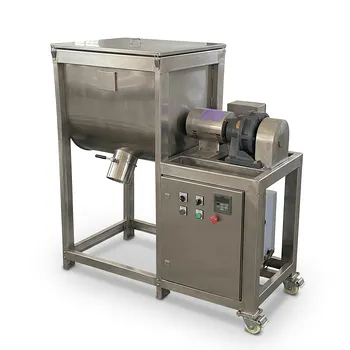
Horizontal Ribbon Mixer for Dry Powder and Slurry Blending
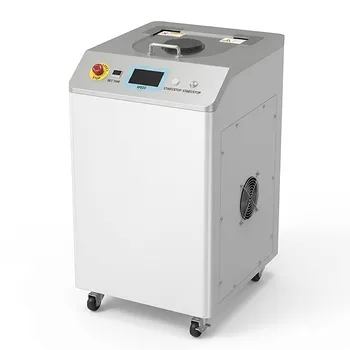
High Viscosity Planetary Centrifugal Vacuum Mixer for Material Defoaming and Uniform Mixing
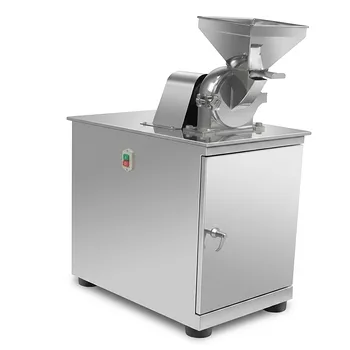
Universal Laboratory Pulverizer Grinder for Small Batch Powder Processing and Material Science Research
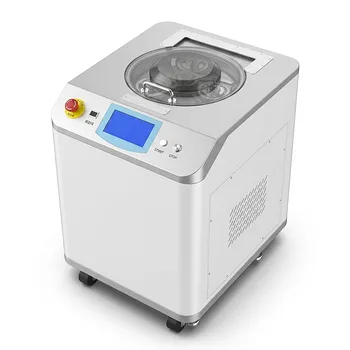
Dual Cup Vacuum Centrifugal Mixer Planetary Paste Defoaming Machine Industrial Material Processor
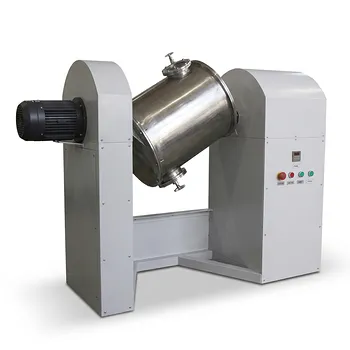
Inclined Mixer for Homogeneous Powder Blending and Grinding
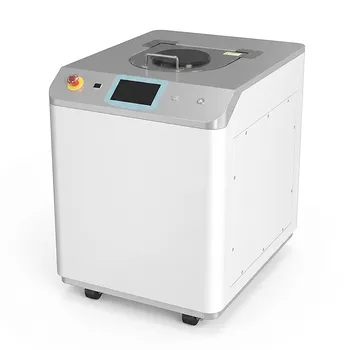
Industrial Planetary Centrifugal Vacuum Defoaming Mixer for High Viscosity Paste and Advanced Material Science
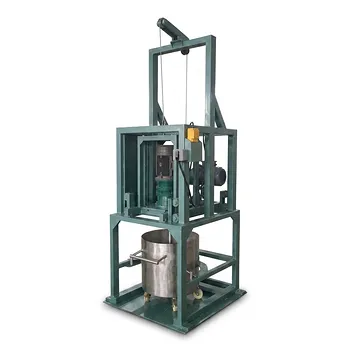
High-Speed Simple Disperser for Efficient Mixing, Dispersion, and Emulsification
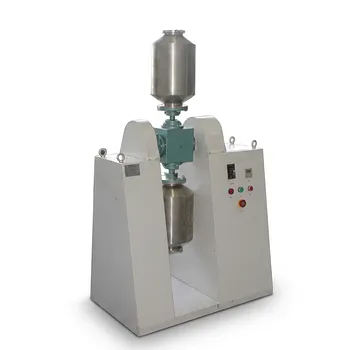
Multi Dimensional Universal Mixer for High Uniformity Powder Blending
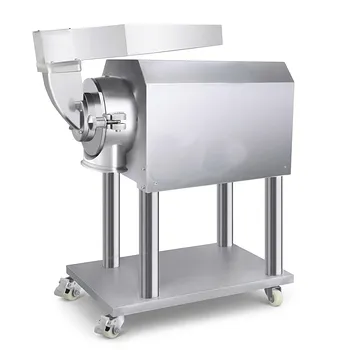
High Speed Small Laboratory Crusher for Dry Material Sample Preparation
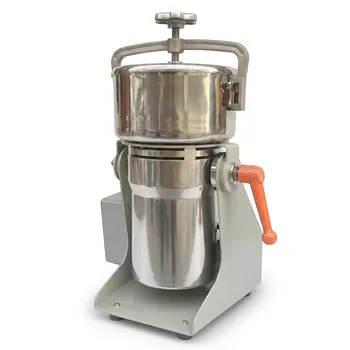
High Speed Laboratory Grinder Efficient Stainless Steel Powder Pulverizer Universal Material Science Mill for Sample Preparation

360° Rotating Omnidirectional Laboratory Planetary Ball Mill for Homogeneous Ultra-Fine Grinding and Mixing
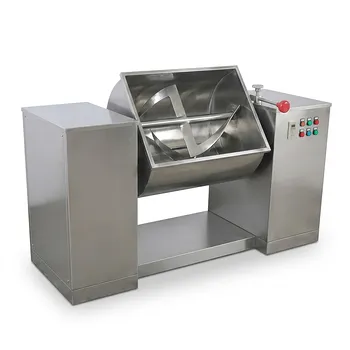
Horizontal Trough Mixer for Uniform Powder and Paste Blending
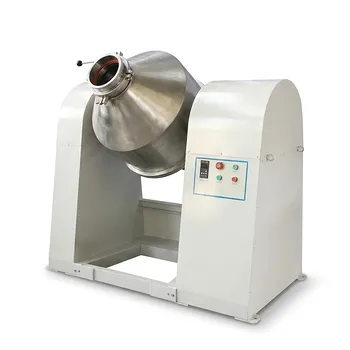
Industrial Double Cone Mixer for Powder Blending and Homogeneous Mixing
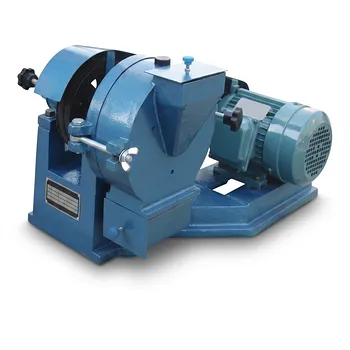
Laboratory Disc Mill for Ore and Mineral Sample Preparation