What role does a laboratory hot press play in molding conductive thermosetting resins? Optimize Performance & Quality
Updated 5 months ago
The laboratory hot press is the primary tool for driving the chemical transformation and physical consolidation of conductive thermosetting resins. It provides the simultaneous heat and mechanical pressure required to trigger polymerization, eliminate structural defects, and establish a high-performance conductive network within the solid composite.
Core Takeaway: A laboratory hot press functions as both a chemical reactor and a precision molding machine. It uses thermal energy to catalyze the cross-linking of the resin matrix while applying mechanical force to ensure material density and maximize physical contact between conductive particles.
Driving Chemical Transformation Through Controlled Heat
Triggering Radical Polymerization
The hot press provides a constant high-temperature environment necessary to activate the chemical initiators within the resin. For many thermosetting systems, this heat triggers the radical decomposition of peroxide initiators, which drives monomers like TEGDMA into a rigid, three-dimensional cross-linked network.
Facilitating Thermal Doping
In specialized conductive composites, such as those using a PANI-DBSA complex, the hot press facilitates thermal doping. This ensures the conductive components are properly integrated into the matrix, resulting in a cured composite that possesses both high electrical conductivity and structural strength.
Accelerating the Curing Cycle
Precision control over temperature (often ranging from 120°C to 180°C) allows for rapid polycondensation or cationic polymerization. This controlled thermal environment ensures the resin reaches its full chemical potential in a significantly shorter cycle time than pressureless curing methods.
Mechanical Consolidation and Structural Integrity
Eliminating Internal Defects
The application of mechanical pressure (typically between 1 and 3 MPa) is critical for removing internal micropore defects and air bubbles. By forcing the resin to remain dense during solidification, the hot press prevents voids that would otherwise weaken the material or disrupt its conductive paths.
Optimizing Material Density
A laboratory hot press allows for the precise management of the press factor and board thickness. This ensures that the final specimen achieves its target density, which is a primary determinant of its mechanical strength and vibrational characteristics.
Promoting Uniform Melt Flow
Under high pressure and temperature, the composite melt flows fully to fill the mold cavity. This ensures the production of standardized specimens with dense internal structures and precise dimensions, which is essential for accurate tensile and conductivity testing.
Optimizing the Conductive Network
Enhancing Particle Contact
Electrical conductivity in thermosetting resins relies on the physical proximity of conductive fillers, such as polyaniline networks. The hot press applies uniaxial pressure to force these particles into close contact, significantly reducing electrical resistance across the composite.
Influencing Microstructure and Orientation
Beyond simple density, the combined heat and pressure can influence the crystalline orientation of the polymer matrix. In certain composites, this tailoring of the microstructure optimizes the material's piezoelectric response and overall mechanical durability.
Understanding the Trade-offs
Pressure vs. Resin Squeeze-out
While high pressure is necessary to eliminate voids, excessive force can lead to resin squeeze-out. This occurs when the liquid resin is pushed out of the mold before curing, potentially leaving the conductive fillers starved of binder and reducing the composite's structural integrity.
Thermal Gradients and Internal Stress
Rapid heating can create thermal gradients, where the exterior of the sample cures faster than the core. This imbalance can lead to internal stresses or warping, making it vital to use programmed heating cycles to ensure a uniform cure throughout the specimen thickness.
The Risk of Over-Curing
Exposure to high temperatures for too long can lead to thermal degradation of the resin or the conductive fillers. Precise management of the compression time is required to balance complete polymerization with the preservation of the material's chemical properties.
How to Apply This to Your Project
Making the Right Choice for Your Goal
To achieve the best results with conductive thermosetting resins, your processing parameters should align with your specific performance requirements.
- If your primary focus is maximum electrical conductivity: Prioritize higher mechanical pressure (e.g., 2 MPa or more) to ensure the tightest possible physical contact within the conductive particle network.
- If your primary focus is mechanical strength and durability: Focus on precise temperature control and programmed cooling to minimize internal stresses and ensure a high-density, cross-linked matrix.
- If your primary focus is standardized testing and research: Utilize a plate hot press with precision molds to ensure consistent specimen thickness and eliminate variables caused by internal voids.
By mastering the balance between thermal activation and mechanical consolidation, you can produce conductive resins that meet both electrical and structural specifications.
Summary Table:
| Role | Key Mechanism | Benefit to Composite |
|---|---|---|
| Chemical Activation | Controlled Heating | Triggers cross-linking & thermal doping |
| Structural Integrity | Mechanical Pressure | Eliminates internal voids & increases density |
| Network Optimization | Uniaxial Force | Enhances physical contact between conductive fillers |
| Specimen Precision | Cavity Filling | Ensures uniform melt flow & precise dimensions |
Elevate Your Material Research with Expert Sample Prep Solutions
Are you looking to achieve superior electrical conductivity and structural density in your advanced composites? At [Brand Name], we specialize in providing complete laboratory sample preparation solutions for material science, focusing on high-performance powder processing and compaction equipment.
Our extensive manufacturing line includes:
- Advanced Pressing Technology: A full spectrum of hydraulic presses including Cold/Warm Isostatic Presses (CIP/WIP), standard lab presses, XRF pellet presses, hot presses, and vacuum hot presses.
- Powder Processing: Crushers (jaw/roll), liquid nitrogen cryogenic grinders, and specialized mills (planetary ball, jet, sand/bead, disc, rotor).
- Sieving & Mixing: Vibratory/air-jet sieve shakers with various test sieves, as well as powder mixers and defoaming mixers.
Our equipment is engineered to help researchers and manufacturers master the balance between thermal activation and mechanical consolidation for consistent, high-quality results. Contact our technical experts today to find the perfect equipment configuration for your conductive resin projects and laboratory needs!
References
- Kohei Takahashi, Tatsuhiro Takahashi. Development of Electrically Conductive Thermosetting Resin Composites through Optimizing the Thermal Doping of Polyaniline and Radical Polymerization Temperature. DOI: 10.3390/polym14183876
Mentioned Products
- 6-Ton Small Single-Punch Tablet Press — Laboratory Powder & Granule Tableting Equipment / Tablet Forming Machine
- 5 Ton Single Punch Tablet Press Laboratory Small Batch Production
- Manual Tablet Press with Dual Scale Pressure Gauge for Pharmaceutical Food Chemical Laboratory Sample Preparation
- 6 Ton Variable Frequency Single Punch Tablet Press
- High Speed Swing Type Laboratory Pulverizer for Fine Powder Grinding and Sample Preparation
People Also Ask
- What is the function of a laboratory press in Cr-Ti alloy evaluation? Quantify Fracture Stress & Strength
- What is the function of a laboratory press in assessing the hydrophobic performance of modified vermiculite fillers?
- What is the core function of a laboratory press in the forming of ceramic filter element green bodies? Maximize Density.
- What is the function of a laboratory press in the preparation of ceramic feed rods? Master Density and Precision
- Why is vacuum sealing and flexible packaging necessary for Aluminum Titanate powders during CIP? Ensure Peak Density

Tech Team · PowderPreparation
Last updated on May 14, 2026
Related Products
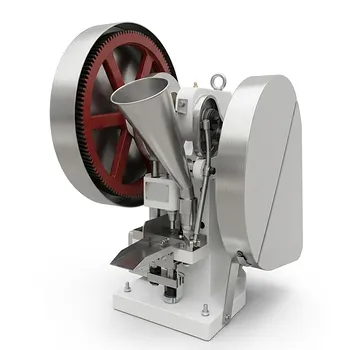
6-Ton Small Single-Punch Tablet Press — Laboratory Powder & Granule Tableting Equipment / Tablet Forming Machine
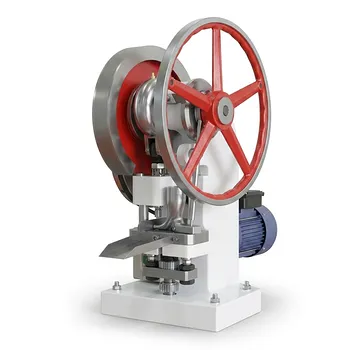
5 Ton Single Punch Tablet Press Laboratory Small Batch Production
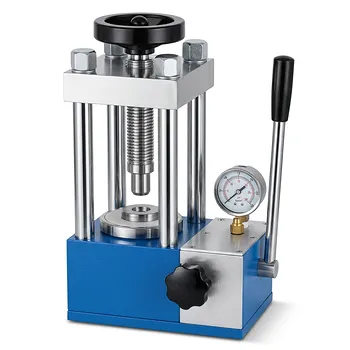
Manual Tablet Press with Dual Scale Pressure Gauge for Pharmaceutical Food Chemical Laboratory Sample Preparation
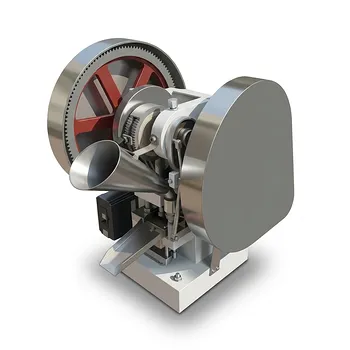
6 Ton Variable Frequency Single Punch Tablet Press
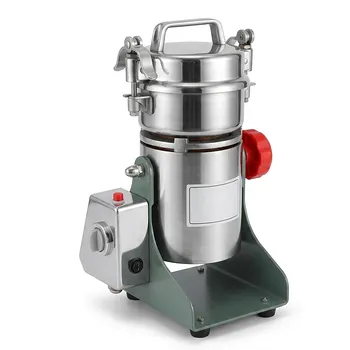
High Speed Swing Type Laboratory Pulverizer for Fine Powder Grinding and Sample Preparation

Small Trace Sample High Speed Pulverizer Grinder Laboratory Powder Mill
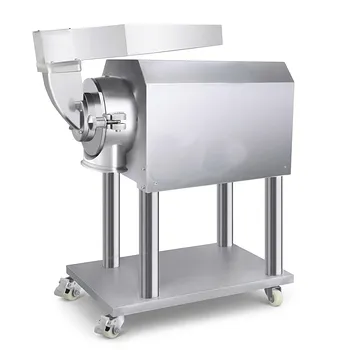
High Speed Small Laboratory Crusher for Dry Material Sample Preparation

Small High-Speed Laboratory Grinder for Powder Processing
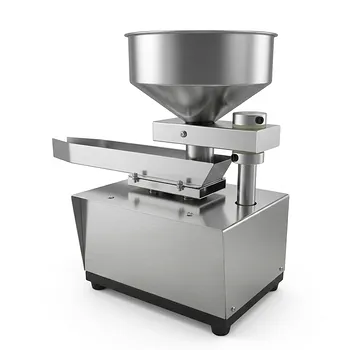
Automatic Vibrating Powder Feeder for Laboratory Material Processing Precision Vibratory Hopper Feeder for Granular and Powder Material Handling Industrial Grade Vibrating Tray Feeder for Consistent Material Sample Preparation
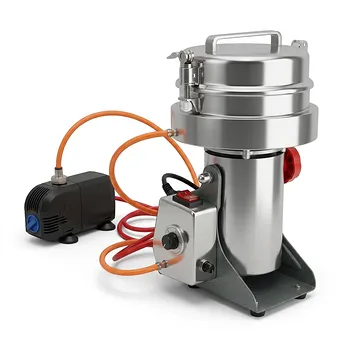
Water Cooled High Speed Grinder with Cryogenic Option for Laboratory Sample Preparation
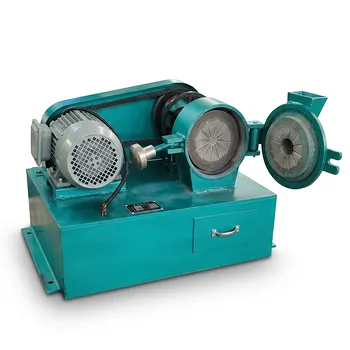
Laboratory Disc Mill Medium Hard Material Grinding Coal Coke Ore Pulverizer
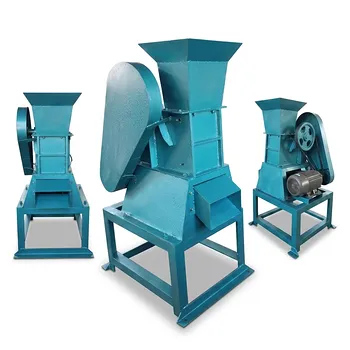
Custom Raised Height Laboratory Jaw Crusher for Precision Sample Preparation in Material Science

Industrial Knife Mill for Food and Biological Sample Preparation High Speed Laboratory Homogenizer
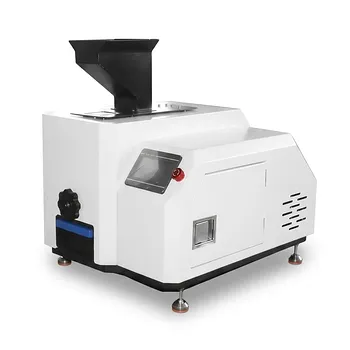
Laboratory Jaw Crusher 2025 Model for Ore and Brittle Material Crushing
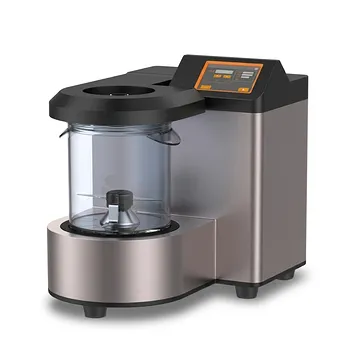
Laboratory Knife Mill for Large Volume Sample Homogenization and Food Preparation
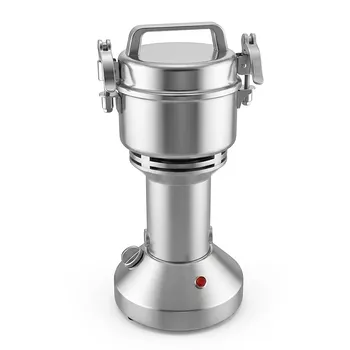
Small High Speed Upright Grinder for Laboratory Sample Preparation
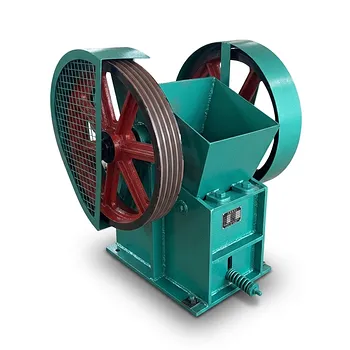
150x250mm Laboratory Jaw Crusher for Medium Hard Material Crushing and Sample Preparation
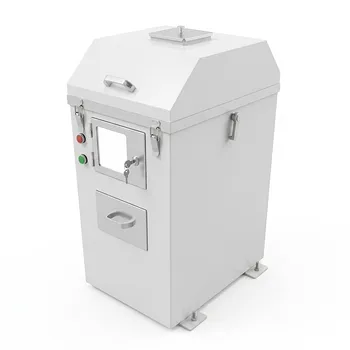
Sealed Double Roll Crusher for Laboratory Sample Preparation of Medium Hardness Materials
Laboratory Sealed Hammer Blade Crusher Divider for High Hardness Sample Preparation