What role does a laboratory hot press play in the fabrication of glass fiber reinforced substrates? Optimize Densification
Updated 4 months ago
The laboratory hot press is the primary instrument for consolidating glass fiber reinforced substrates. It applies simultaneous heat and uniaxial pressure to layers of resin-impregnated fiber cloth, forcing the resin to fully infiltrate the fabric while expelling trapped air. This process transforms loose, multi-layer stacks into a high-density, uniform laminate with the structural integrity required for applications like printed circuit boards.
Core Takeaway: A laboratory hot press ensures structural integrity by using controlled thermal and mechanical energy to eliminate voids, facilitate resin flow, and bond fiber layers into a dense, flat specimen with precise thickness.
Core Functions in Substrate Fabrication
Resin Infiltration and Fiber Encapsulation
The hot press uses heated platens to liquify the resin matrix, allowing it to flow into the microscopic gaps between glass fibers. This ensures that every fiber is completely encapsulated, creating a strong physical-mechanical interlock between the reinforcement and the matrix.
Elimination of Internal Voids
As pressure is applied, residual air and volatiles trapped between the cloth layers are forcibly excluded. Removing these pockets is critical because internal voids act as stress concentrators that can lead to delamination or electrical failure in the finished substrate.
Consolidation and Densification
The simultaneous application of heat and pressure achieves a higher material density than cold pressing or pressureless methods. This densification reduces the thickness of resin-rich interlaminar zones, improving the overall mechanical properties and stiffness of the composite.
Critical Parameters for Laminate Quality
Precise Thickness Uniformity
One of the most vital roles of the hot press is controlling the thickness uniformity of the substrate. By using precision molds and constant pressure, the equipment produces flat specimens (often 1mm to 2mm thick) that are essential for standardized testing and industrial compatibility.
Thermal Cycle Management
Modern hot presses allow for staged heating and cooling, which dictates the matrix's crystallization behavior and curing rate. Precise temperature control (often between 150°C and 190°C) ensures that the resin undergoes a complete chemical cross-linking reaction without degrading the fibers.
Pressure Curve Simulation
Laboratory hot presses can simulate the pressure curves of industrial continuous production. This allows researchers to optimize "pressing factors" (the time required per millimeter of thickness) to improve production efficiency without sacrificing internal bond strength.
Understanding the Trade-offs
Resin Starvation vs. Void Presence
Excessive pressure can lead to "resin starvation," where too much matrix material is squeezed out of the mold, leaving the fibers brittle and poorly bonded. Conversely, insufficient pressure fails to expel air, resulting in high porosity and weakened structural integrity.
Thermal Gradients in Large Samples
In larger laboratory presses, maintaining a perfectly uniform temperature across the entire platen surface can be challenging. Thermal gradients can cause uneven curing, leading to internal stresses that may cause the substrate to warp once it is removed from the press.
How to Apply This to Your Project
Making the Right Choice for Your Goal
To achieve the best results with glass fiber reinforced substrates, your approach should vary based on your specific requirements:
- If your primary focus is electrical performance: Prioritize vacuum-assisted hot pressing to ensure the absolute minimum air entrapment, as voids can interfere with dielectric properties.
- If your primary focus is mechanical strength: Focus on the pressure-holding capability to maximize interlaminar bonding and achieve the highest possible fiber-to-resin ratio.
- If your primary focus is industrial scalability: Use the hot press to establish the shortest possible curing cycle (pressing factor) that still maintains the required internal bond strength.
By mastering the synergy of temperature, pressure, and time, the laboratory hot press becomes an indispensable tool for creating high-performance composite materials.
Summary Table:
| Core Function | Technical Benefit | Impact on Substrate Quality |
|---|---|---|
| Resin Infiltration | Liquifies matrix to encapsulate fibers | Ensures strong mechanical interlock |
| Void Elimination | Expels trapped air and volatiles | Prevents delamination & electrical failure |
| Consolidation | Simultaneous heat and uniaxial pressure | Increases density and mechanical stiffness |
| Thickness Control | Precision molds and constant pressure | Ensures uniformity for industrial standards |
Elevate Your Material Research with Precision Consolidation
Achieving the perfect balance of resin flow and structural integrity requires equipment that offers uncompromising control. At [Company Name], we provide complete laboratory sample preparation solutions for material science, specializing in advanced powder processing and compaction equipment.
Whether you are developing high-performance PCB substrates or advanced composites, our extensive product lines are designed to meet your most rigorous standards:
- Consolidation & Pressing: A full spectrum of hydraulic presses, including Cold/Warm Isostatic Presses (CIP/WIP), standard lab presses, XRF pellet presses, Hot Presses, and Vacuum Hot Presses for air-free laminate fabrication.
- Sample Preparation: Precision crushers (jaw/roll), liquid nitrogen cryogenic grinders, and diverse mills (planetary ball, jet, sand/bead, disc, rotor).
- Processing & Sizing: Sieve shakers (vibratory/air-jet), powder mixers, and defoaming mixers to ensure material homogeneity.
Ready to optimize your pressing factors and achieve superior thickness uniformity? Contact us today to discuss your specific application and discover how our specialized equipment can accelerate your R&D workflow.
References
- Ilkan Calisir, Yi Huang. Designing a filler material to reduce dielectric loss in epoxy-based substrates for high-frequency applications. DOI: 10.1039/d4ra07419j
Mentioned Products
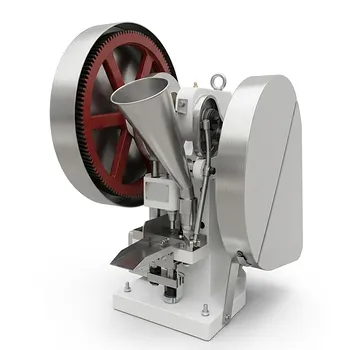
- 6-Ton Small Single-Punch Tablet Press — Laboratory Powder & Granule Tableting Equipment / Tablet Forming Machine
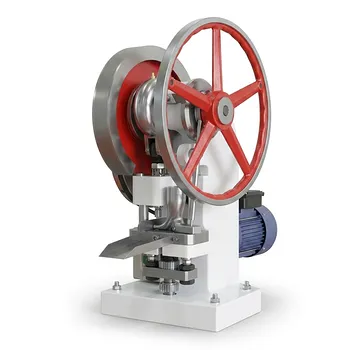
- 5 Ton Single Punch Tablet Press Laboratory Small Batch Production
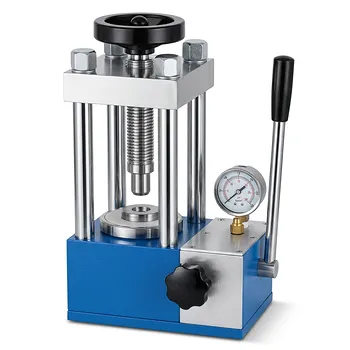
- Manual Tablet Press with Dual Scale Pressure Gauge for Pharmaceutical Food Chemical Laboratory Sample Preparation
- 6 Ton Variable Frequency Single Punch Tablet Press
- Water Cooled High Speed Grinder with Cryogenic Option for Laboratory Sample Preparation
People Also Ask
- What is the function of a laboratory press in Cr-Ti alloy evaluation? Quantify Fracture Stress & Strength
- What is the function of a laboratory press in assessing the hydrophobic performance of modified vermiculite fillers?
- What is the core function of a laboratory press in the forming of ceramic filter element green bodies? Maximize Density.
- What is the function of a laboratory press in the preparation of ceramic feed rods? Master Density and Precision
- Why is vacuum sealing and flexible packaging necessary for Aluminum Titanate powders during CIP? Ensure Peak Density

Tech Team · PowderPreparation
Last updated on Jun 03, 2026
Related Products
6-Ton Small Single-Punch Tablet Press — Laboratory Powder & Granule Tableting Equipment / Tablet Forming Machine
5 Ton Single Punch Tablet Press Laboratory Small Batch Production
Manual Tablet Press with Dual Scale Pressure Gauge for Pharmaceutical Food Chemical Laboratory Sample Preparation
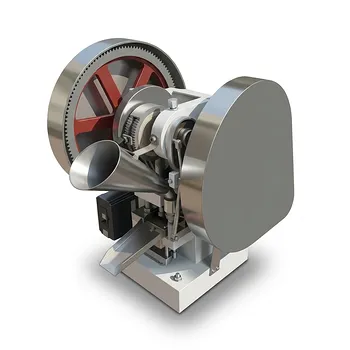
6 Ton Variable Frequency Single Punch Tablet Press
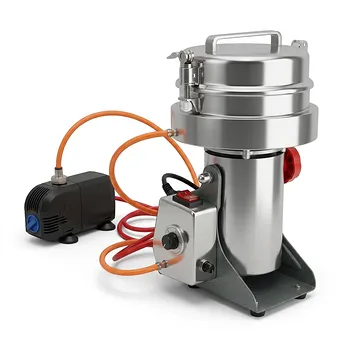
Water Cooled High Speed Grinder with Cryogenic Option for Laboratory Sample Preparation
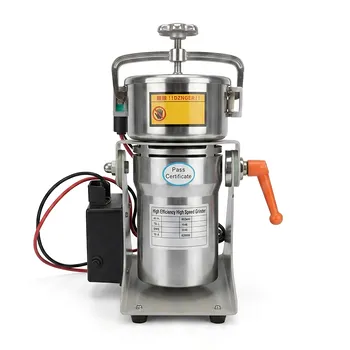
High Efficiency High Speed Grinder Laboratory Mill 1300W 25000rpm
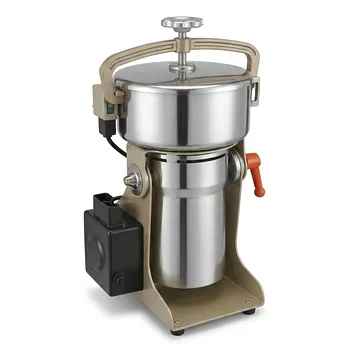
Multifunctional High Efficiency High Speed Laboratory Grinder
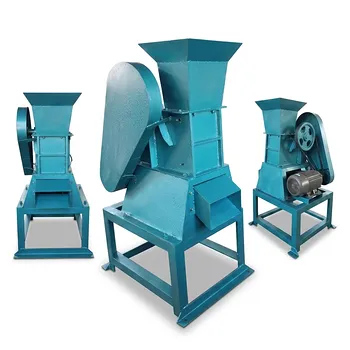
Custom Raised Height Laboratory Jaw Crusher for Precision Sample Preparation in Material Science
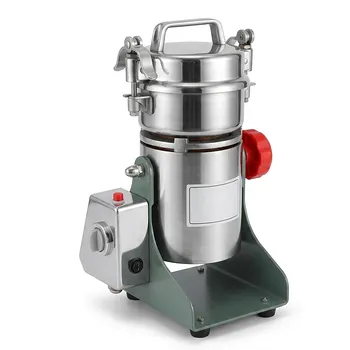
High Speed Swing Type Laboratory Pulverizer for Fine Powder Grinding and Sample Preparation

Small Trace Sample High Speed Pulverizer Grinder Laboratory Powder Mill
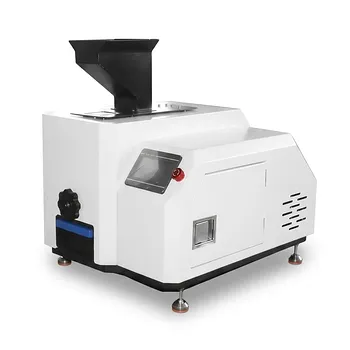
Laboratory Jaw Crusher 2025 Model for Ore and Brittle Material Crushing
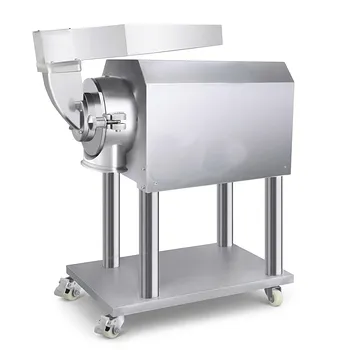
High Speed Small Laboratory Crusher for Dry Material Sample Preparation
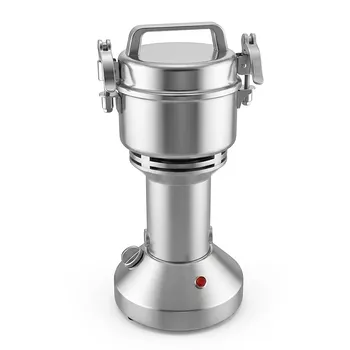
Small High Speed Upright Grinder for Laboratory Sample Preparation
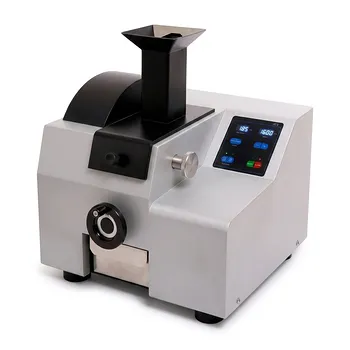
Laboratory Benchtop Jaw Crusher for Hard Brittle Materials Primary Size Reduction and Sample Preparation
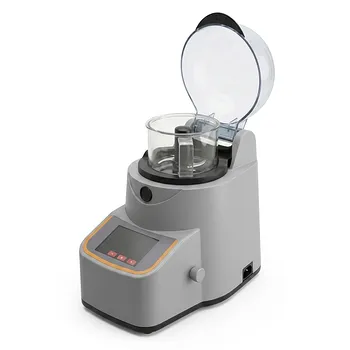
Industrial Knife Mill for Food and Biological Sample Preparation High Speed Laboratory Homogenizer

Automatic Vibrating Powder Feeder for Laboratory Material Processing Precision Vibratory Hopper Feeder for Granular and Powder Material Handling Industrial Grade Vibrating Tray Feeder for Consistent Material Sample Preparation
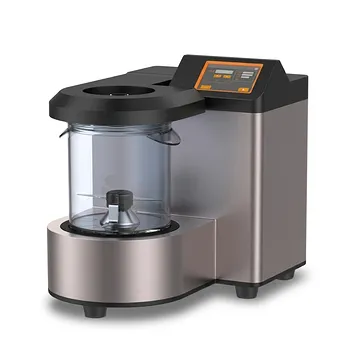
Laboratory Knife Mill for Large Volume Sample Homogenization and Food Preparation
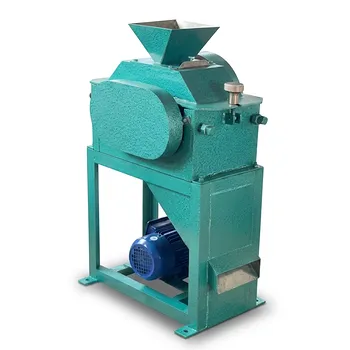
Laboratory Double Roll Crusher for Medium Hardness Materials Coal Ore Sample Preparation
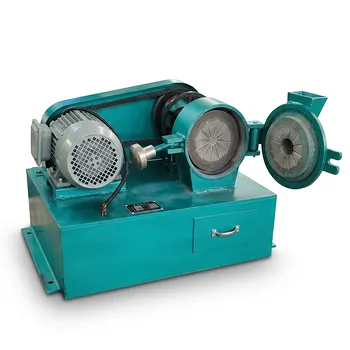
Laboratory Disc Mill Medium Hard Material Grinding Coal Coke Ore Pulverizer