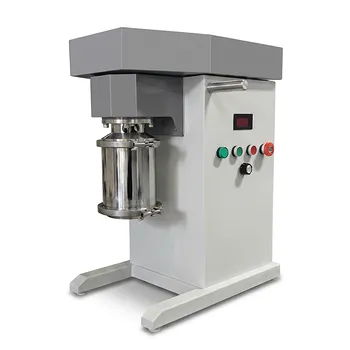
What role does a laboratory cutting mill play in the initial preparation of corn residues? Precision Sizing for Analysis
Updated 5 months ago
The primary role of a laboratory cutting mill is to pulverize coarse corn residues into uniform particles through high-speed shearing and controlled sieving. By utilizing rotating blades and interchangeable sieves, the mill transforms irregular cobs, leaves, and stalks into a standardized format required for precise physical property testing and subsequent chemical analysis.
Central Takeaway: A laboratory cutting mill serves as the critical bridge between raw agricultural waste and analytical samples by providing precise particle size control and increasing the material's reactive surface area.
The Mechanics of Preliminary Pulverization
High-Speed Shearing of Tough Fibers
Corn residues like stalks and husks possess high fiber toughness and irregular geometries that resist standard crushing methods. The cutting mill employs high-speed rotating blades to perform multiple cross-cutting actions, efficiently refining large biomass into fragments. This mechanical shearing is specifically designed to handle the lignocellulosic structure of agricultural residues without clogging the equipment.
Precision Size Control via Sieving
The mill is equipped with interchangeable sieves of varying apertures, such as 12.7 mm for coarse reduction and 0.85 mm for finer preparation. This ensures that the resulting material has a controllable particle size and high uniformity, which is essential for the repeatability of experiments. By sequentially using different screen sizes, researchers can achieve a highly uniform particle size distribution tailored to specific testing requirements.
Enhancing Chemical and Biological Reactivity
Increasing Specific Surface Area
Mechanical grinding significantly increases the specific surface area of the corn residue particles. A larger surface area minimizes wetting time and maximizes the contact area between the material and chemical agents or enzymes. In processes like saccharification, this increased exposure accelerates the initial reaction rate by allowing enzymes to access the molecules more efficiently.
Disruption of the Microscopic Structure
The cutting action does more than reduce size; it disrupts the dense microscopic structure of the biomass. Breaking down these physical barriers provides more active sites for the penetration of deep eutectic solvents (DES) or thermochemical catalysts. This structural disruption is a prerequisite for effective lignocellulosic component separation and subsequent thermochemical conversion.
Ensuring Experimental Validity
Physical Consistency Across Samples
Precise control of particle size ensures that control groups and experimental samples maintain physical consistency. This uniformity is vital for ensuring that variations in experimental results are due to the variables being tested rather than physical discrepancies in the raw material. Uniformity also facilitates more accurate evaluation of physical properties, such as bulk density and flowability.
Preparing for Fine Grinding
The cutting mill often serves as the initial preparation step, reducing bulk residues into a format suitable for secondary fine grinding. This multi-stage approach prevents damage to delicate fine-grinding equipment and ensures a more homogeneous final powder. Consistent preliminary pulverization is the foundation for all subsequent downstream analytical processes.
Understanding the Trade-offs
Thermal Degradation Risks
The high-speed friction involved in cutting can generate localized heat, which may affect heat-sensitive components within the corn residue. If the temperature rises too high, it may lead to the degradation of volatile compounds or alterations in the chemical profile of the starch and lignin.
Material Loss and Moisture Changes
Small amounts of material can become trapped in the sieves or cutting chamber, which is a concern when working with limited sample sizes. Additionally, the mechanical energy and airflow during the milling process can lead to moisture loss, requiring researchers to re-equilibrate samples before precise weighing.
How to Apply This to Your Project
Recommendations for Sample Preparation
To achieve the best results with corn residues, choose your milling parameters based on your end-goal:
- If your primary focus is enzymatic hydrolysis: Utilize finer sieves (e.g., 0.85 mm) to maximize surface area and enzyme-substrate contact.
- If your primary focus is thermochemical conversion: Ensure a highly uniform particle size distribution to maintain consistent heat and mass transfer during the reaction.
- If your primary focus is comparative physical testing: Focus on maintaining strict consistency in sieve sizes across all samples to ensure the validity of your experimental aggregates.
By masterfully controlling the initial reduction of corn residues, you ensure that your downstream analysis is built on a foundation of precision and uniformity.
Summary Table:
| Feature | Mechanism | Research Benefit |
|---|---|---|
| High-Speed Shearing | Rotating blades break tough fibers | Efficiently handles lignocellulosic corn structures |
| Precision Sieving | Interchangeable screen apertures | Ensures particle uniformity and experimental repeatability |
| Surface Expansion | Drastic size reduction | Enhances enzymatic access and chemical reaction rates |
| Structural Disruption | Breakdown of physical barriers | Facilitates component separation and thermal conversion |
Elevate Your Material Analysis with Precision Preparation
Achieving accurate research results starts with superior sample preparation. At [Your Brand Name], we provide complete laboratory sample preparation solutions tailored for material science. Our expertise in powder processing and compaction ensures your agricultural residues or advanced materials are prepared to the highest standards.
Our extensive product line includes:
- Milling & Grinding: High-efficiency cutting mills, planetary ball mills, jet mills, and liquid nitrogen cryogenic grinders.
- Sizing & Mixing: Vibratory/air-jet sieve shakers and advanced powder/defoaming mixers.
- Compaction Excellence: A full spectrum of hydraulic presses, including Cold/Warm Isostatic Presses (CIP/WIP), vacuum hot presses, and XRF pellet presses.
Whether you are optimizing enzymatic hydrolysis or developing new thermochemical conversions, our equipment delivers the consistency you need. Contact us today to find your perfect lab solution!
References
- Nilson. PHYSICAL PROPERTIES OF CORN RESIDUES. DOI: 10.3844/ajbbsp.2012.44.53
Mentioned Products
- Portable Cutting Mill for Laboratory Sample Preparation and RoHS WEEE Compliance Testing
- Heavy Metal Free RoHS WEEE Testing Sample Pretreatment Cutting Mill Industrial Solid Waste Grinder for Plastics and Electronics
- Laboratory Disc Mill for Fine Sample Preparation of Hard and Brittle Materials
- Laboratory Disc Mill for Ore and Mineral Sample Preparation
- Industrial Cutting Mill for Tough Fibrous and Soft Materials
People Also Ask
- What is the role of a cutting mill equipped with a 1 mm screen in the preliminary preparation of Maguey fibers?
- What role does a laboratory mill play in the study of lignite coal co-combustion? Optimizing Fuel Blends and Reactivity
- What is the purpose of using a laboratory mill to grind dried precipitates? Optimize TiO2/AuNRs Catalyst Homogeneity
- What is the function of a laboratory mill in Cassia tora L. seed analysis? Master Precision Thermal Data Prep.
- What function does a laboratory mill serve in corn starch saccharification experiments? Optimize Surface Area & Reactions

Tech Team · PowderPreparation
Last updated on May 14, 2026
Related Products
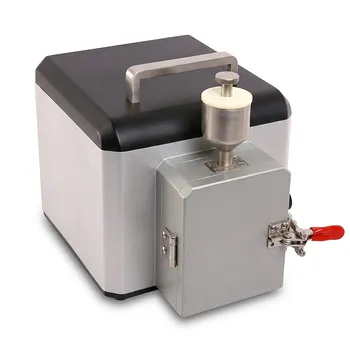
Portable Cutting Mill for Laboratory Sample Preparation and RoHS WEEE Compliance Testing
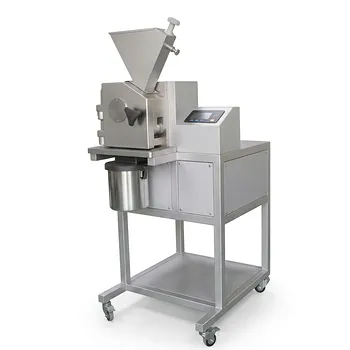
Heavy Metal Free RoHS WEEE Testing Sample Pretreatment Cutting Mill Industrial Solid Waste Grinder for Plastics and Electronics
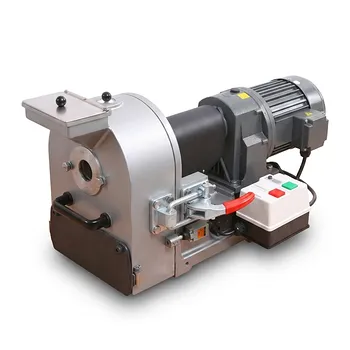
Laboratory Disc Mill for Fine Sample Preparation of Hard and Brittle Materials
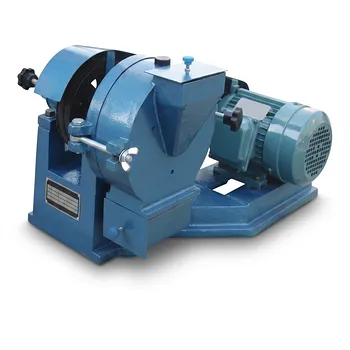
Laboratory Disc Mill for Ore and Mineral Sample Preparation
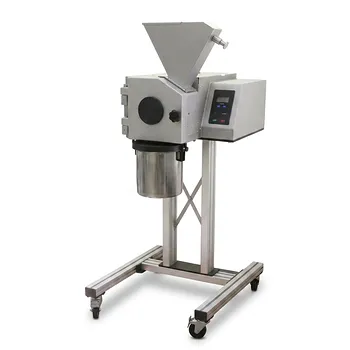
Industrial Cutting Mill for Tough Fibrous and Soft Materials
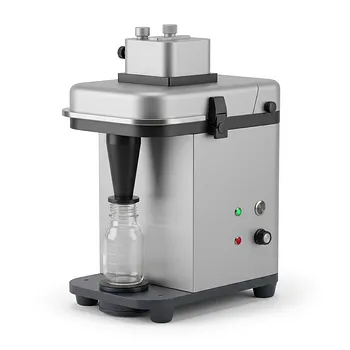
Cyclonic Laboratory Mill for NIR Spectroscopy Sample Preparation Food and Feed Grinding
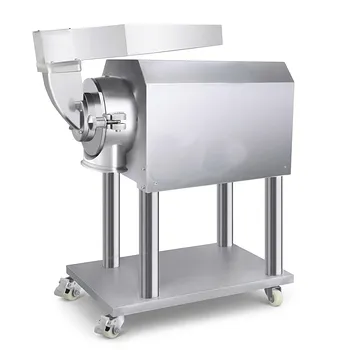
High Speed Small Laboratory Crusher for Dry Material Sample Preparation
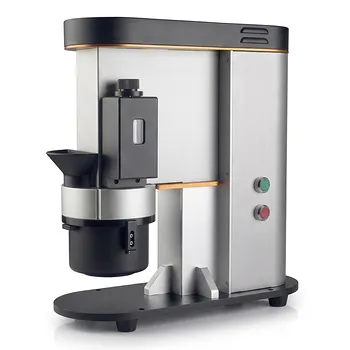
Precision Soil Disc Mill for Laboratory Fine Grinding and Environmental Sample Preparation
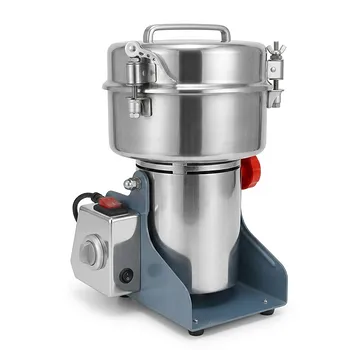
Small High-Speed Grinder for Efficient Laboratory Sample Preparation
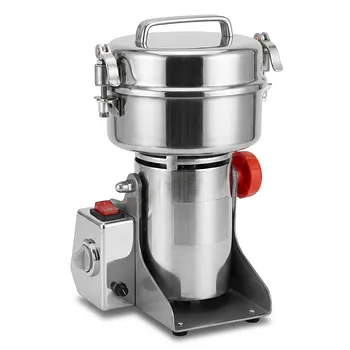
High Speed Laboratory Powder Grinder Small Batch Sample Preparation Mill
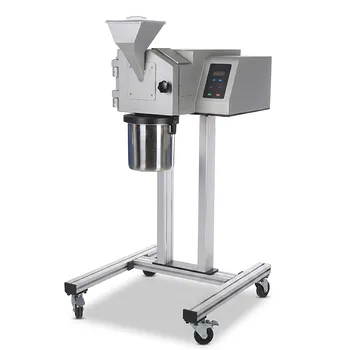
Cross Beater Mill for Brittle Material Grinding and Continuous Fine Crushing Industrial Sample Preparation
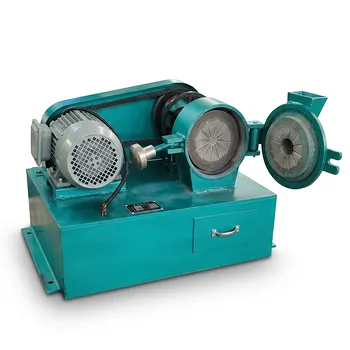
Laboratory Disc Mill Medium Hard Material Grinding Coal Coke Ore Pulverizer
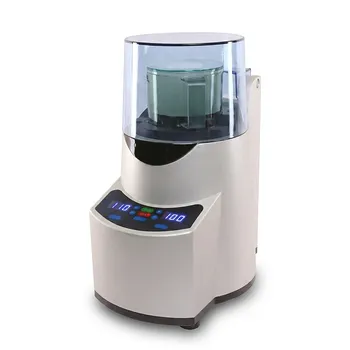
High Speed Laboratory Knife Mill for Oily Fibrous and Wet Sample Homogenization
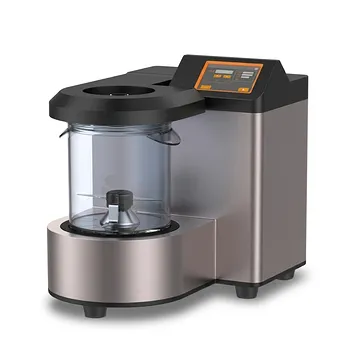
Laboratory Knife Mill for Large Volume Sample Homogenization and Food Preparation
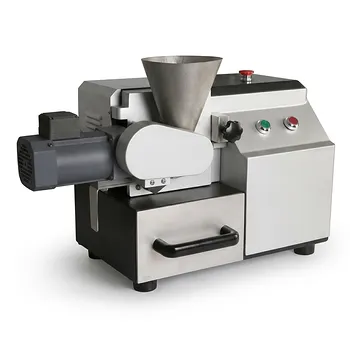
Laboratory Hammer Mill for Coal Quality Analysis and Brittle Mineral Grinding
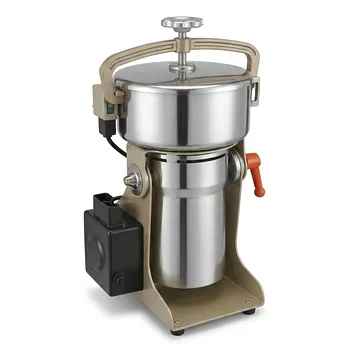
Multifunctional High Efficiency High Speed Laboratory Grinder
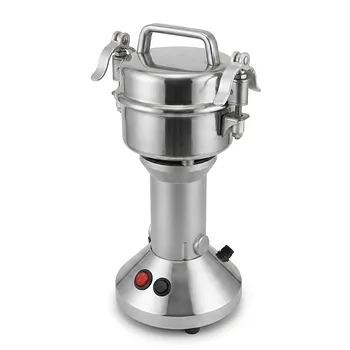
Continuous Feeding Grinding Mill for Dry Fibrous Tough and Hard Materials in Laboratory and Small Production
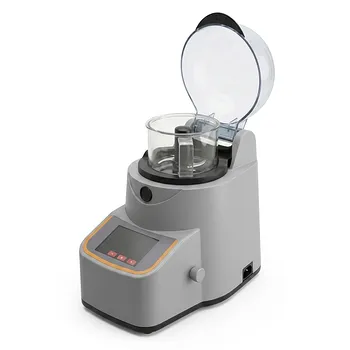
Industrial Knife Mill for Food and Biological Sample Preparation High Speed Laboratory Homogenizer
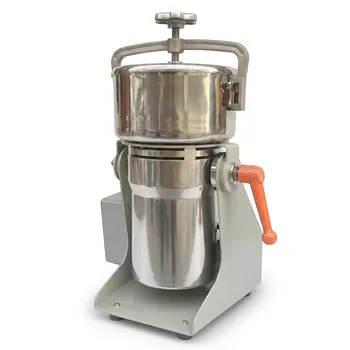
High Speed Laboratory Grinder Efficient Stainless Steel Powder Pulverizer Universal Material Science Mill for Sample Preparation