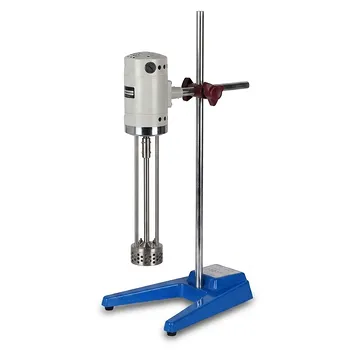
What role does a high-performance mechanical mixer play in combining geopolymer slurry with aggregates? Ensure Strength
Updated 4 months ago
A high-performance mechanical mixer acts as the critical catalyst for homogenization in geopolymer production, providing the forced mixing necessary to overcome the intense viscous resistance of the binder. By applying high-shear forces, the mixer ensures that aggregate surfaces are thoroughly and uniformly coated with the geopolymer slurry. This mechanical energy is essential for eliminating internal air pockets and reducing porosity, which directly determines the final strength, thixotropy, and flowability of the concrete.
The mechanical mixer is not merely a blending tool but a chemical and physical facilitator that ensures the geopolymer binder achieves total surface contact with aggregates while maintaining a uniform chemical reaction throughout the matrix.
Overcoming Physical and Viscous Barriers
Forced Mixing and Surface Coating
Geopolymer binders are significantly more viscous than traditional cement pastes, requiring forced mechanical energy to achieve a proper mix. The mixer provides the shear force necessary to spread this viscous slurry across the entire surface area of fine aggregates like sand. This thorough coating is the primary requirement for creating a strong interfacial transition zone between the binder and the aggregate.
Eliminating Internal Air and Porosity
High-performance mixers are designed to expel trapped air that naturally occurs during the introduction of dry aggregates to a liquid activator. By reducing internal porosity, the mixer ensures the resulting concrete is dense and structurally sound. This process is vital for achieving the thixotropic properties required for modern construction applications.
Facilitating the Chemical Geopolymerization Process
Breaking the Inert Particle Layer
Raw materials like fly ash often possess an inert surface layer that can inhibit chemical reactions. Mechanical mixing provides continuous impact forces that break this layer, allowing the alkaline activator to reach the reactive core of the particles. This interaction is fundamental to initiating the ion exchange required for the geopolymerization reaction to begin.
Promoting Uniform Dissolution and Nucleation
High-speed shearing—often reaching speeds up to 2000 rpm—forces metakaolin and other aluminosilicates into immediate contact with activators. This accelerates the dissolution of chemical constituents, ensuring that the polycondensation reaction occurs uniformly rather than in localized clusters. In porous geopolymers, this uniformity allows for the even nucleation of gas bubbles, resulting in a consistent internal pore structure.
Ensuring Structural Uniformity and Stability
Preventing Density Gradients and Segregation
Without high-precision speed control, heavier particles can settle while lighter components, such as aluminum powder or organic additives, migrate toward the surface. Mechanical mixers maintain a homogeneous suspension, preventing density gradients that would otherwise lead to structural weak points. This is especially critical when incorporating lightweight materials like wood sawdust, which are prone to segregation.
Achieving Stable Rheological Properties
The intensive mixing process ensures that the precursor slurry has stable rheological properties before it begins to set. By eliminating component gradients, the mixer provides a "solid foundation" for the subsequent molding or foaming phases. This consistency ensures that the final solidified material exhibits predictable mechanical strength across the entire volume of the pour.
Understanding the Trade-offs and Limitations
Energy Intensity vs. Material Quality
While high-shear mixing produces superior material properties, it requires significant energy consumption compared to low-speed stirring. Operators must balance the need for high-speed homogenization with the increased operational costs and equipment wear associated with processing abrasive aggregates.
Heat Generation and Setting Times
The intense friction generated by high-performance mixers can cause a localized temperature rise within the slurry. Because geopolymerization is often thermally sensitive, excessive mixing can inadvertently accelerate the reaction, leading to flash setting or reduced workability time.
How to Apply This to Your Project
Choosing the Right Mixing Strategy
- If your primary focus is high structural strength: Use a high-shear mechanical mixer to ensure the complete dissolution of aluminosilicates and the total elimination of macro-porosity.
- If your primary focus is lightweight or porous insulation: Prioritize mixers with high-precision speed control to ensure the uniform distribution of foaming agents and to prevent the segregation of low-density aggregates.
- If your primary focus is maximizing workability: Use controlled, staged mixing—starting with dry homogenization followed by high-intensity liquid blending—to manage heat generation and prevent premature setting.
The performance of geopolymer concrete is fundamentally determined by the efficiency of the initial mixing phase, where mechanical energy transforms a multi-phase mixture into a singular, high-performance matrix.
Summary Table:
| Key Role | Impact on Geopolymer Performance |
|---|---|
| Forced Mixing | Overcomes high viscosity to ensure uniform coating of all aggregate surfaces. |
| High-Shear Force | Breaks inert particle layers (e.g., fly ash) to accelerate chemical dissolution. |
| Porosity Reduction | Expels trapped air to create a denser, more structurally sound material matrix. |
| Segregation Control | Prevents density gradients and ensures stability for lightweight/heavy additives. |
| Rheology Stabilization | Provides consistent flowability and prevents localized flash setting. |
Elevate Your Material Research with Precision Engineering
Achieving the perfect geopolymer matrix requires equipment that can handle intense viscosity and precise chemical timing. At [Brand Name], we provide complete laboratory sample preparation solutions for material science, specializing in high-performance powder processing and compaction equipment.
Whether you are optimizing rheology or maximizing structural strength, our extensive range of powder mixers, defoaming mixers, and high-energy mills (planetary, jet, and rotor) are designed to deliver total homogeneity. Beyond mixing, we support your entire workflow with:
- Crushing & Grinding: Jaw/roll crushers and liquid nitrogen cryogenic grinders.
- Sizing: Sieve shakers (vibratory/air-jet) for precise aggregate control.
- Compaction: A full spectrum of hydraulic presses, including Cold/Warm Isostatic Presses (CIP/WIP), vacuum hot presses, and XRF pellet presses.
Ready to transform your laboratory efficiency? Contact our experts today to find the ideal solution for your material processing needs.
References
- Mohd Na’im Abdullah, Tamer A. Sebaey. Thermal Properties and Drying Shrinkage Performance of Palm Kernel Shell Ash and Rice Husk Ash-Based Geopolymer Concrete. DOI: 10.3390/ma17061298
Mentioned Products
- Three-Dimensional Motion Mixer for Laboratory Powder and Granule Blending
- Multi Dimensional Universal Mixer for High Uniformity Powder Blending
- Industrial Double Cone Mixer for Powder Blending and Homogeneous Mixing
- Inclined Mixer for Homogeneous Powder Blending and Grinding
- Dual Cup Vacuum Centrifugal Mixer Planetary Paste Defoaming Machine Industrial Material Processor
People Also Ask
- Why is a 3D Motion Mixer employed when preparing binary powder mixtures for tableting? Achieve Superior Homogeneity
- What role does an industrial 3D mixer play in the preparation of diamond tool segment raw materials? Achieve Homogeneity
- What is the role of a 3D mixer in Ti2SnC synthesis? Optimize Precursor Homogeneity for High-Purity MAX Phases
- How does a 3D mixer with tungsten balls contribute to magnesium composite mixing? Achieve Superior Macro-Homogeneity
- What are the advantages of using a 3D powder mixer? Boost Tablet Consistency with Advanced Mixing Technology

Tech Team · PowderPreparation
Last updated on Jun 03, 2026
Related Products
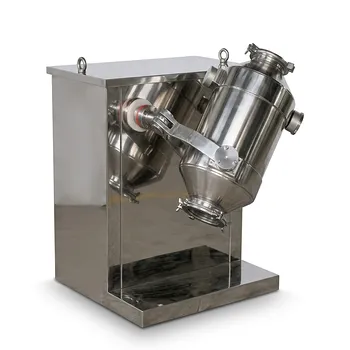
Three-Dimensional Motion Mixer for Laboratory Powder and Granule Blending
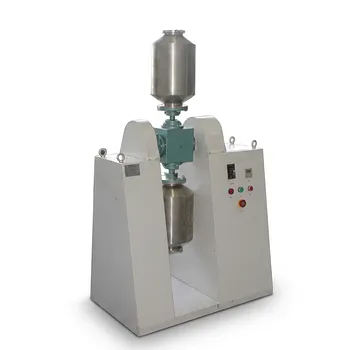
Multi Dimensional Universal Mixer for High Uniformity Powder Blending
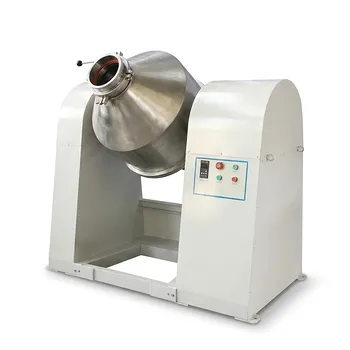
Industrial Double Cone Mixer for Powder Blending and Homogeneous Mixing
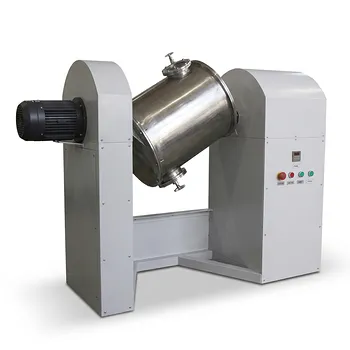
Inclined Mixer for Homogeneous Powder Blending and Grinding
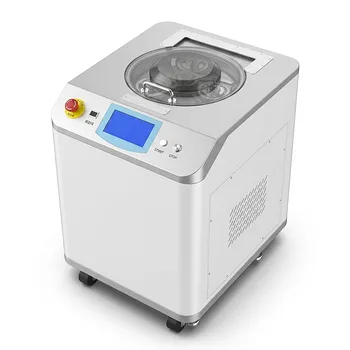
Dual Cup Vacuum Centrifugal Mixer Planetary Paste Defoaming Machine Industrial Material Processor
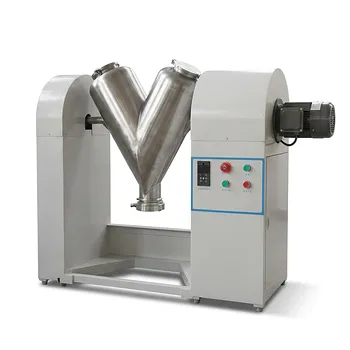
V-Type Powder Mixer for Uniform Blending of Dry Powders and Granules
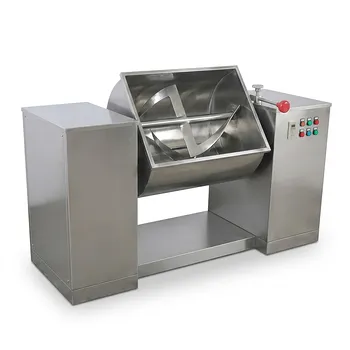
Horizontal Trough Mixer for Uniform Powder and Paste Blending
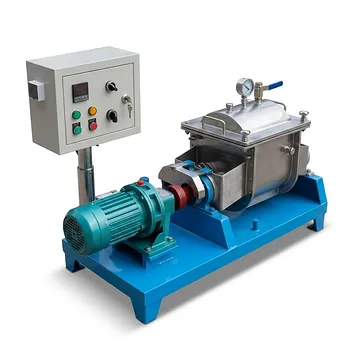
Industrial Vacuum Kneader for High-Viscosity Silicone, Rubber, and Compound Mixing
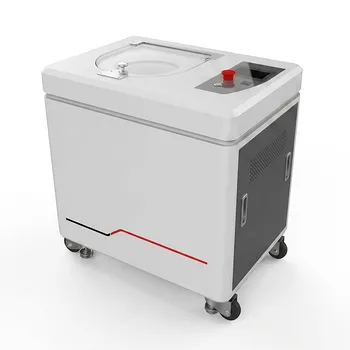
非介入式材料均质机真空脱泡行星搅拌高粘度混合设备
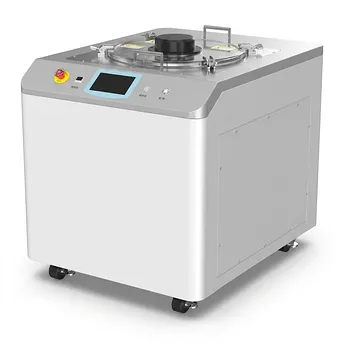
Industrial Planetary Centrifugal Vacuum Defoaming Mixer for High Viscosity Paste and Powder Homogenization
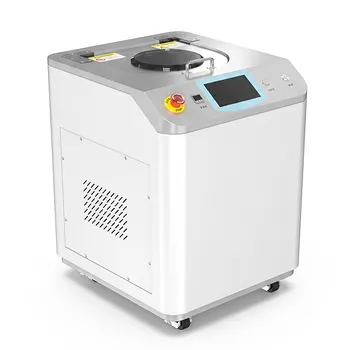
High Speed Vacuum Planetary Centrifugal Mixer and Defoamer for Industrial Paste Processing
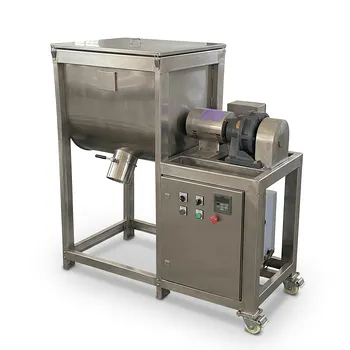
Horizontal Ribbon Mixer for Dry Powder and Slurry Blending
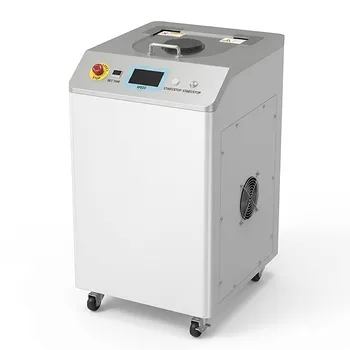
High Viscosity Planetary Centrifugal Vacuum Mixer for Material Defoaming and Uniform Mixing
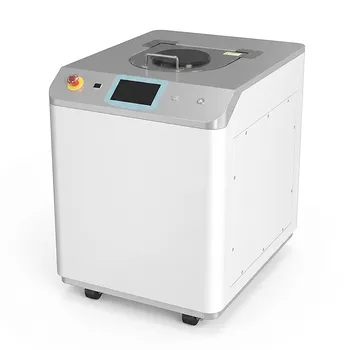
Industrial Planetary Centrifugal Vacuum Defoaming Mixer for High Viscosity Paste and Advanced Material Science
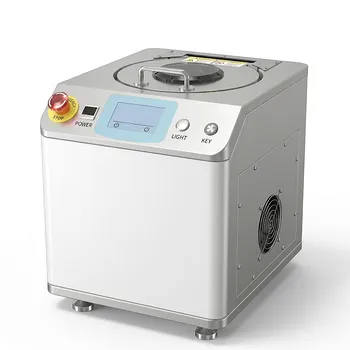
High Efficiency Vacuum Planetary Centrifugal Mixer and Defoaming Machine for Industrial Material Research and Precise Laboratory Powder Dispersion
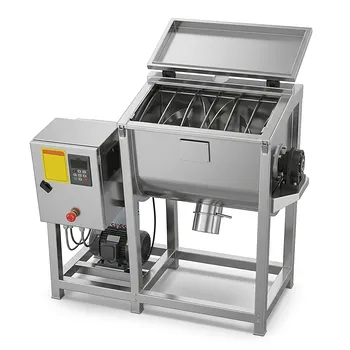
Horizontal Ribbon Mixer for Uniform Powder and Slurry Mixing
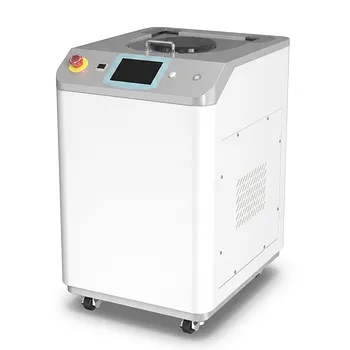
High Viscosity Planetary Centrifugal Mixing and Vacuum Defoaming Machine for Laboratory Material Preparation
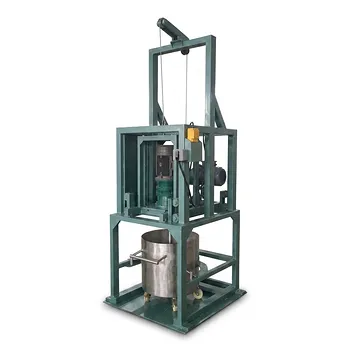
High-Speed Simple Disperser for Efficient Mixing, Dispersion, and Emulsification
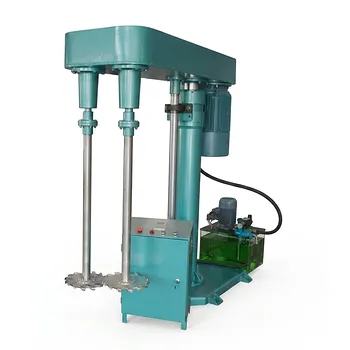
Hydraulic Double Shaft Disperser for High Viscosity Liquid Mixing and Dispersion