What role does a laboratory hot press play in THM wood strengthening? Master Precision Wood Densification
Updated 4 months ago
The laboratory hot press is the primary catalyst for the Thermo-Hydro-Mechanical (THM) wood strengthening process. It serves as a precision instrument that synchronizes intense heat with mechanical force to physically and chemically restructure wood fibers. By thermally softening internal components like lignin and simultaneously collapsing cell cavities, the hot press transforms porous wood into a high-density material with significantly enhanced mechanical properties.
The core role of a high-performance hot press is to enable the controlled "densification" of wood through the simultaneous application of heat and pressure. This dual-action process allows for the permanent modification of the wood's microstructure, ensuring increased strength, stability, and chemical bonding.
Facilitating Physical Densification
Thermal Softening of Lignin
The hot press applies temperatures—often reaching 190°C—to reach the glass transition point of lignin. This thermal energy makes the wood’s natural polymers pliable, allowing the material to be reshaped without fracturing its structural fibers.
Mechanical Collapse of Wood Cells
Once the wood is softened, the press applies sustained, uniform pressure to crush the microscopic air cavities (lumens) within the wood. This controlled compression significantly increases the density of the material, which is the primary driver behind its increased hardness and load-bearing capacity.
Precision Thickness Control
High-performance units allow for exact control over compression distance and time. This ensures the wood reaches a target density and thickness with high repeatability, which is essential for maintaining consistent vibrational and mechanical characteristics across different samples.
Driving Chemical Modification and Bonding
Activating Adhesive Resins
In the production of THM-treated composites, the hot press triggers the polycondensation or polymerization of resins like pMDI or urea-formaldehyde. The heat drives the radical decomposition of initiators, creating a three-dimensional cross-linked network that binds wood veneers or particles together.
Interfacial Chemical Anchoring
The intense physical conditions promote chemical reactions between natural wood components, such as tannins, and added fillers or formaldehydes. This creates a permanent chemical bond that supplements the mechanical interlocking of the fibers, resulting in superior internal bond strength.
Optimizing Pressing Factors
Precision control allows researchers to achieve low pressing factors (as short as 7.5 s/mm). This level of efficiency is critical for simulating industrial continuous production and determining the economic viability of new wood strengthening protocols.
Enhancing Structural Integrity
Degassing and Void Elimination
Advanced laboratory presses often include a degassing function to expel residual gases and moisture during the curing cycle. By removing these pockets of air, the press ensures a dense, uniform internal structure and prevents the formation of internal bubbles that could weaken the finished panel.
Eliminating Internal Voids
The application of continuous mechanical pressure ensures that the resin matrix—whether thermosetting or thermoplastic—thoroughly infiltrates the fiber fabric. This maximizes the contact area between the reinforcement and the matrix, which is vital for high electrical or mechanical performance.
Understanding the Trade-offs and Pitfalls
The Risk of Thermal Degradation
While high temperatures are necessary for softening lignin, excessive heat for prolonged periods can lead to the thermal degradation of hemicelluloses. This can make the wood brittle and actually decrease its overall structural integrity if the temperature curves are not precisely managed.
The Challenge of "Springback"
A common pitfall in THM processing is elastic recovery, or springback, where the wood attempts to return to its original thickness after the pressure is released. If the hot press cycle does not include a proper cooling or "setting" phase under pressure, the densification may not be permanent.
Heat Distribution Inconsistencies
In lower-quality presses, temperature gradients across the plates can cause uneven curing. This results in a material that has high strength in some areas but remains soft or poorly bonded in others, compromising the reliability of laboratory data.
Making the Right Choice for Your Goal
- If your primary focus is wood densification: Prioritize a press with high-precision pressure control and the ability to maintain stable temperatures at the lignin glass transition point.
- If your primary focus is resin-bonded composites: Focus on a press with programmable "pressing curves" and degassing functions to ensure optimal chemical cross-linking and void reduction.
- If your primary focus is industrial simulation: Choose a high-performance unit capable of low pressing factors and rapid heating cycles to accurately mirror large-scale production environments.
The high-performance laboratory hot press is the indispensable bridge between raw timber and high-performance engineered wood, providing the precision necessary to master the complex variables of heat, time, and pressure.
Summary Table:
| Key Role | Technical Mechanism | Impact on Material |
|---|---|---|
| Physical Densification | Softens lignin & collapses cell cavities | Increases hardness and load-bearing capacity |
| Chemical Activation | Triggers resin polymerization (e.g., pMDI) | Ensures permanent bonding and internal strength |
| Structural Integrity | Degassing and void elimination | Prevents internal bubbles and structural defects |
| Precision Control | Accurate pressure and thickness curves | Guarantees repeatability and industrial scalability |
Elevate Your Material Research with Precision Engineering
At [Brand Name], we provide complete laboratory sample preparation solutions for material science, specializing in advanced powder processing and compaction equipment. Whether you are mastering the Thermo-Hydro-Mechanical (THM) wood strengthening process or developing new composites, our equipment ensures the precision your data demands.
Our extensive product line includes:
- Advanced Presses: Cold/Warm Isostatic Presses (CIP/WIP), standard lab presses, XRF pellet presses, and high-performance Hot Presses/Vacuum Hot Presses for densification.
- Preparation Tools: Crushers (jaw/roll), liquid nitrogen cryogenic grinders, and various mills (planetary ball, jet, rotor).
- Analysis & Mixing: Sieve shakers, powder mixers, and defoaming mixers for uniform material distribution.
Ready to achieve superior structural integrity and consistent results in your lab?
Contact our experts today to find the perfect solution!
References
- Tania Langella, David DeVallance. Modification of wood via biochar particle impregnation. DOI: 10.1007/s00107-023-02032-4
Mentioned Products
- 6-Ton Small Single-Punch Tablet Press — Laboratory Powder & Granule Tableting Equipment / Tablet Forming Machine
- 5 Ton Single Punch Tablet Press Laboratory Small Batch Production
- Manual Tablet Press with Dual Scale Pressure Gauge for Pharmaceutical Food Chemical Laboratory Sample Preparation
- 6 Ton Variable Frequency Single Punch Tablet Press
- Water Cooled High Speed Grinder with Cryogenic Option for Laboratory Sample Preparation
People Also Ask
- What is the function of a laboratory press in Cr-Ti alloy evaluation? Quantify Fracture Stress & Strength
- What is the function of a laboratory press in assessing the hydrophobic performance of modified vermiculite fillers?
- What is the core function of a laboratory press in the forming of ceramic filter element green bodies? Maximize Density.
- What is the function of a laboratory press in the preparation of ceramic feed rods? Master Density and Precision
- Why is vacuum sealing and flexible packaging necessary for Aluminum Titanate powders during CIP? Ensure Peak Density

Tech Team · PowderPreparation
Last updated on May 14, 2026
Related Products
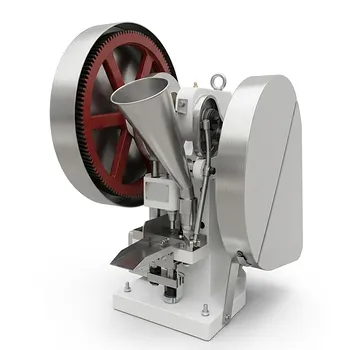
6-Ton Small Single-Punch Tablet Press — Laboratory Powder & Granule Tableting Equipment / Tablet Forming Machine
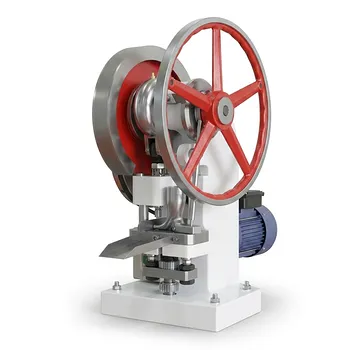
5 Ton Single Punch Tablet Press Laboratory Small Batch Production
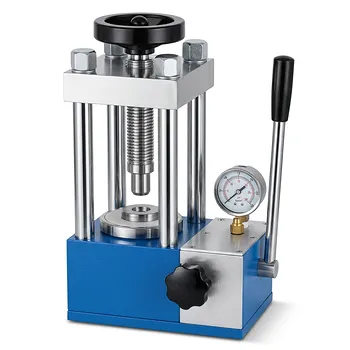
Manual Tablet Press with Dual Scale Pressure Gauge for Pharmaceutical Food Chemical Laboratory Sample Preparation
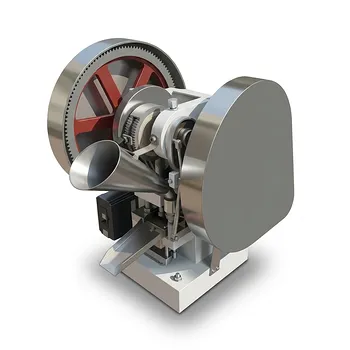
6 Ton Variable Frequency Single Punch Tablet Press
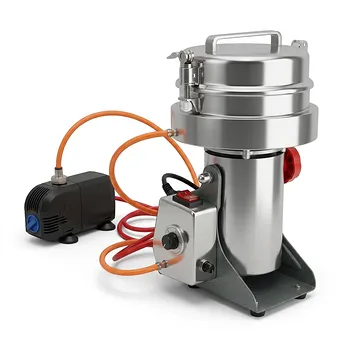
Water Cooled High Speed Grinder with Cryogenic Option for Laboratory Sample Preparation
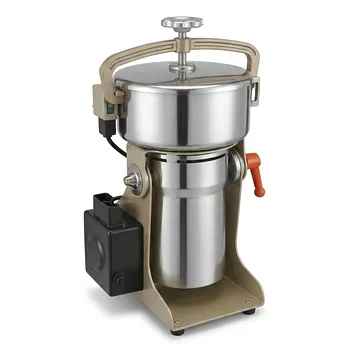
Multifunctional High Efficiency High Speed Laboratory Grinder
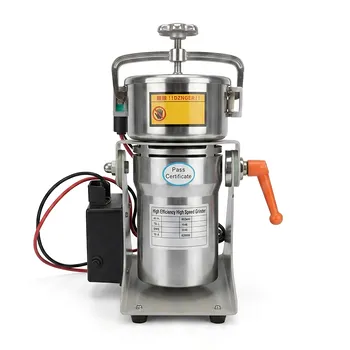
High Efficiency High Speed Grinder Laboratory Mill 1300W 25000rpm
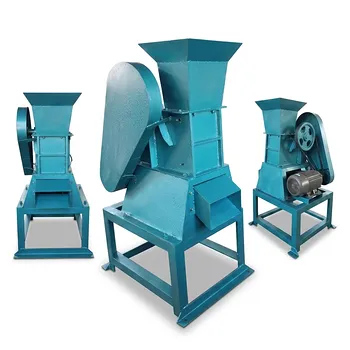
Custom Raised Height Laboratory Jaw Crusher for Precision Sample Preparation in Material Science
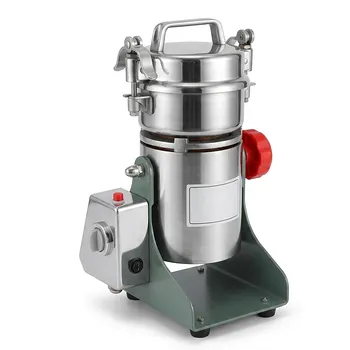
High Speed Swing Type Laboratory Pulverizer for Fine Powder Grinding and Sample Preparation
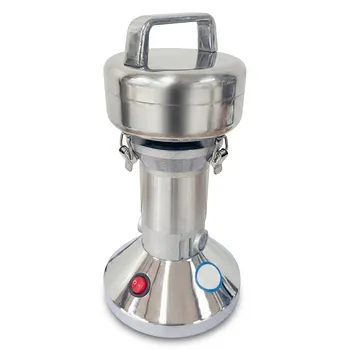
Small Trace Sample High Speed Pulverizer Grinder Laboratory Powder Mill
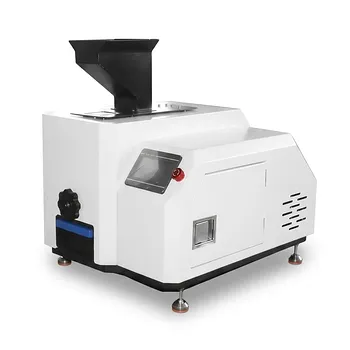
Laboratory Jaw Crusher 2025 Model for Ore and Brittle Material Crushing
High Speed Small Laboratory Crusher for Dry Material Sample Preparation
Small High Speed Upright Grinder for Laboratory Sample Preparation
Laboratory Benchtop Jaw Crusher for Hard Brittle Materials Primary Size Reduction and Sample Preparation

Automatic Vibrating Powder Feeder for Laboratory Material Processing Precision Vibratory Hopper Feeder for Granular and Powder Material Handling Industrial Grade Vibrating Tray Feeder for Consistent Material Sample Preparation
Laboratory Knife Mill for Large Volume Sample Homogenization and Food Preparation

Industrial Knife Mill for Food and Biological Sample Preparation High Speed Laboratory Homogenizer
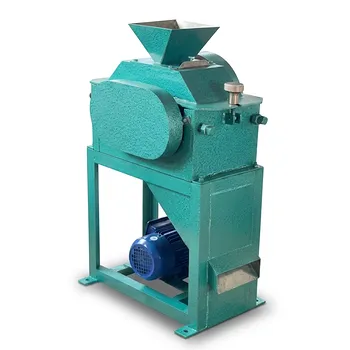
Laboratory Double Roll Crusher for Medium Hardness Materials Coal Ore Sample Preparation
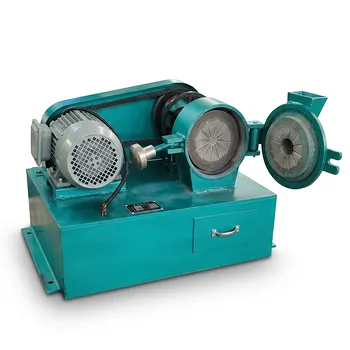
Laboratory Disc Mill Medium Hard Material Grinding Coal Coke Ore Pulverizer