What role does a high-energy planetary ball mill play in phosphorene/graphene synthesis? Master 2D Material Integration
Updated 4 months ago
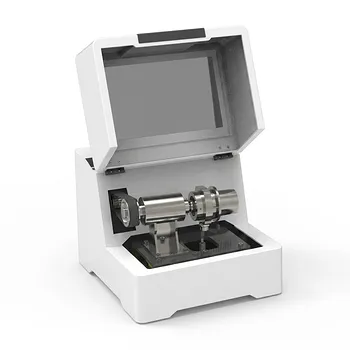
The high-energy planetary ball mill acts as the primary mechanical engine for microscopic integration and pre-exfoliation. In the synthesis of phosphorene and graphene mixed powders, the mill utilizes high-frequency impacts and shear forces to facilitate preliminary composite formation. This mechanical action ensures a tight integration between the two 2D materials, creating a foundation for effective dispersion and exfoliation in later stages of material processing.
Core Takeaway: The high-energy planetary ball mill serves as a critical tool for mechanical alloying, providing the energy necessary to break down agglomerates and force a microscopic integration of phosphorene and graphene that chemical mixing alone cannot achieve.
The Mechanism of High-Energy Mechanical Action
High-Frequency Impact and Shear Forces
The planetary ball mill operates through the simultaneous rotation and revolution of grinding jars. This motion subjects the phosphorene and graphene precursor materials to intense collisions with stainless steel grinding balls. These high-frequency impacts deliver the kinetic energy required for microscopic mixing and preliminary structural integration.
Overcoming Van der Waals Forces
Both phosphorene and graphite (the precursor for graphene) are held together by strong van der Waals forces between layers. The mechanical energy generated by the mill is sufficient to overcome these forces, inducing fragmentation and exfoliation. This physical peeling of the layers transforms macroscopic particles into nano-functional structures with high specific surface areas.
Mechanical Alloying and Atomic-Scale Mixing
The milling process facilitates mechanical alloying, which forces the mixing of heterogeneous elements at a microscopic or even atomic scale. By inducing repeated cycles of cold welding and fracturing, the mill embeds or adheres the two materials onto one another. This results in a stable, mixed powder that exceeds the solubility limits typically found in thermodynamic equilibrium.
Achieving Microscopic Integration and Dispersion
Preventing Filler Agglomeration
One of the primary challenges in 2D material synthesis is the tendency for particles to clump together. The high-energy loads of the planetary mill effectively break down filler agglomerations, ensuring that phosphorene and graphene remain uniformly distributed. This uniform pre-dispersion is essential for maintaining a consistent microstructure during subsequent hot pressing or extrusion.
Refining Grain Size and Lattice Strain
As the milling continues, the repeated mechanical stress refines the powder grains to the nanometer level. The accumulation of lattice strain during this process can even trigger a transition to an amorphous structure. This refinement is critical for improving the mechanical properties and electrochemical performance of the final composite material.
Solvent-Free Processing
Unlike chemical exfoliation methods, high-energy ball milling provides a solvent-free mixing environment. This eliminates the risk of solvent residue, which can degrade the performance of the final material or interfere with its conductive networks. It is an environmentally friendly and highly efficient approach suitable for industrial-scale production.
Understanding the Trade-offs
Risk of Structural Damage
While high energy is required for exfoliation, excessive milling can lead to lattice defects and structural degradation. If the rotation speed or duration is not optimized, the unique electronic properties of phosphorene and graphene may be compromised. Finding the "energy balance" is crucial to maintaining the integrity of the 2D sheets.
Potential for Material Contamination
The use of stainless steel grinding balls introduces a risk of metallic contamination in the mixed powder. As the balls and jar walls wear down under high-energy impact, trace amounts of iron or chromium can enter the sample. For high-purity electronic applications, users must often consider alternative grinding media, such as zirconia or alumina.
Making the Right Choice for Your Goal
Achieving the ideal phosphorene-graphene mixture requires balancing the energy input with the specific requirements of your final application.
- If your primary focus is Maximum Conductivity: Prioritize shorter milling times and optimized ball-to-material ratios to prevent structural defects in the graphene lattice.
- If your primary focus is Uniform Microstructure: Utilize higher rotation speeds to ensure total breakdown of agglomerates and achieve a nano-scale pre-dispersion.
- If your primary focus is Industrial Scalability: Focus on dry, solvent-free planetary milling to reduce processing costs and eliminate the need for complex waste-solvent management.
By precisely controlling the mechanical energy of the planetary mill, researchers can transform raw precursors into high-performance, integrated 2D nanocomposites.
Summary Table:
| Mechanism | Primary Role | Benefit to Composite |
|---|---|---|
| Impact & Shear | Mechanical Alloying | Overcomes van der Waals forces for exfoliation |
| Energy Loading | Microscopic Integration | Prevents agglomeration and ensures uniform dispersion |
| Grain Refinement | Nanometer Scaling | Accumulates lattice strain to optimize material properties |
| Dry Processing | Solvent-Free Mixing | Eliminates chemical residue for high-purity applications |
Optimize Your Advanced Material Synthesis with Expert Solutions
At [Your Brand Name], we provide complete laboratory sample preparation solutions for material science, specializing in high-performance powder processing and compaction equipment. Whether you are exfoliating 2D materials like phosphorene and graphene or scaling up industrial production, our equipment ensures precision and reliability.
Our comprehensive product lines include:
- Milling & Grinding: High-energy planetary ball mills, jet mills, disc mills, and cryogenic grinders.
- Sieving & Mixing: Vibratory sieve shakers, air-jet sieves, powder mixers, and defoaming mixers.
- Compaction Excellence: A full spectrum of hydraulic presses, including Cold/Warm Isostatic Presses (CIP/WIP), standard lab presses, and vacuum hot presses.
Ready to enhance your material properties and streamline your workflow? Contact our technical team today for expert guidance and tailored equipment solutions!
References
- Zainul Abidin Lukman, Irwan Nurdin. Electrical and Optical Properties of Phosphorene/Graphene Added Polyaniline Nanocomposite Films Prepared via Mechano-Sonication Method. DOI: 10.37934/armne.35.1.7181
Mentioned Products
- High Energy Planetary Ball Mill for Nano Scale Grinding and Mechanical Alloying
- High Energy Laboratory Planetary Ball Mill for Nano Grinding and Colloidal Mixing of Hard and Brittle Materials
- High Energy Planetary Ball Mill for Nano Scale Grinding and Colloidal Mixing in Material Science Research
- High Energy Omnidirectional Planetary Ball Mill 16L
- High Energy Laboratory Planetary Ball Mill for Nano Grinding and Material Science Sample Preparation
People Also Ask
- Why is a high-energy planetary ball mill used for nano-milling As4Se3? Achieve Expert Structural Transformation
- What role do high-energy planetary ball mills play in FDM composite filament preparation? Optimize Material Performance
- What is the role of a high-energy planetary ball mill in the exfoliation of modified WSe2? Achieve Nano-Precision
- What is the function of a planetary ball mill in glass-ceramic sintering? Optimize Reactivity and Uniformity
- What is the role of a high-energy planetary ball mill in the preparation of high-performance nano-ceramics? Key Guide

Tech Team · PowderPreparation
Last updated on Jun 03, 2026
Related Products
High Energy Planetary Ball Mill for Nano Scale Grinding and Mechanical Alloying
High Energy Laboratory Planetary Ball Mill for Nano Grinding and Colloidal Mixing of Hard and Brittle Materials
High Energy Planetary Ball Mill for Nano Scale Grinding and Colloidal Mixing in Material Science Research
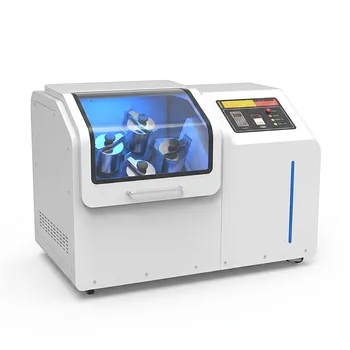
High Energy Omnidirectional Planetary Ball Mill 16L
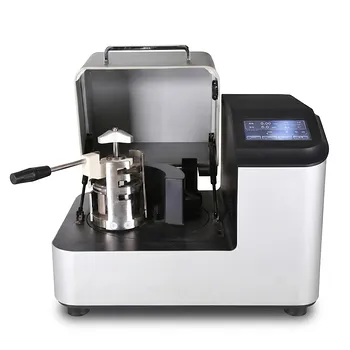
High Energy Laboratory Planetary Ball Mill for Nano Grinding and Material Science Sample Preparation
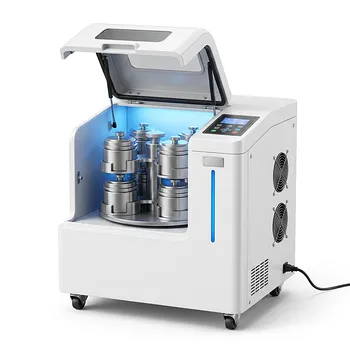
High Energy Omnidirectional Planetary Ball Mill 20L
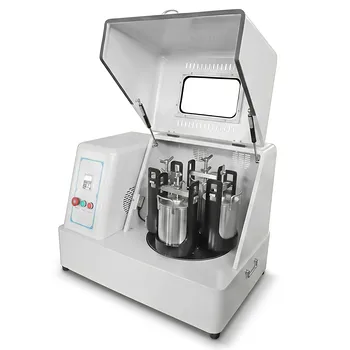
Vertical Square Planetary Ball Mill for Laboratory Sample Preparation and Nanoscale Grinding
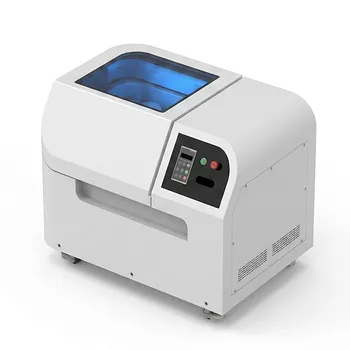
8L Planetary Ball Mill for Laboratory Grinding and Sample Preparation
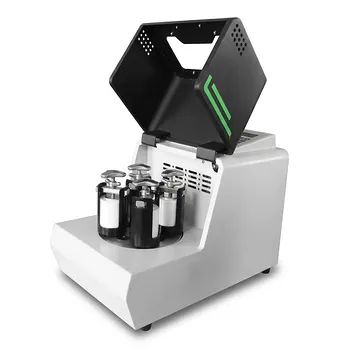
Miniature Planetary Ball Mill with Vacuum Grinding and High Efficiency for Laboratory Sample Preparation
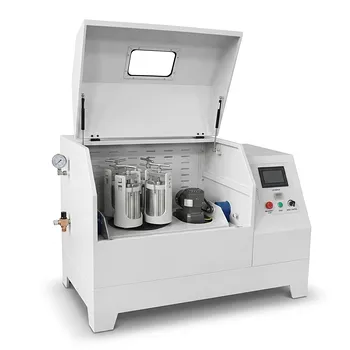
Vertical Production Planetary Ball Mill for High Throughput Powder Processing
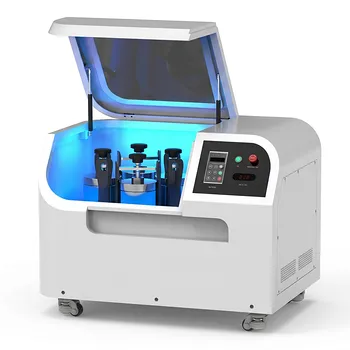
Planetary Ball Mill 12L
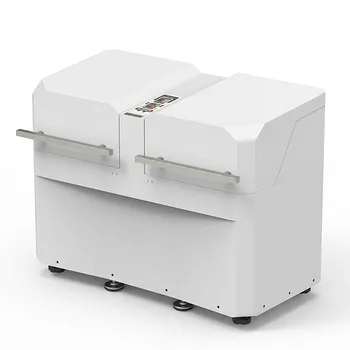
Dual Station Planetary Ball Mill 24L
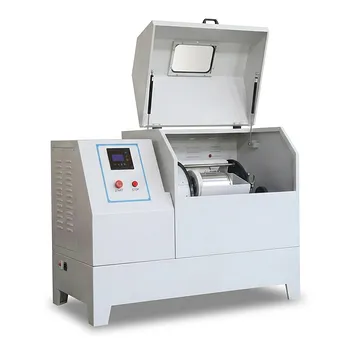
Heavy Duty Horizontal Planetary Ball Mill for Efficient Industrial Grinding and Sample Preparation
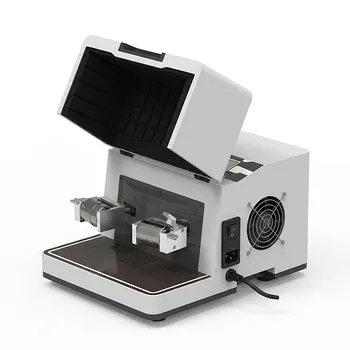
High Energy Hybrid Vibratory Ball Mill for Grinding Mixing and Cell Disruption
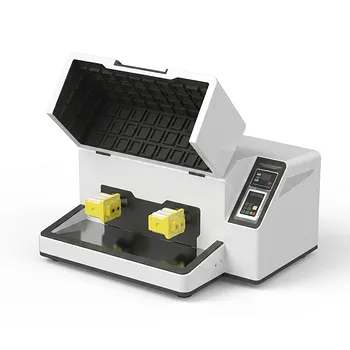
Multi-Platform Nanoscale High-Energy Vibratory Ball Mill
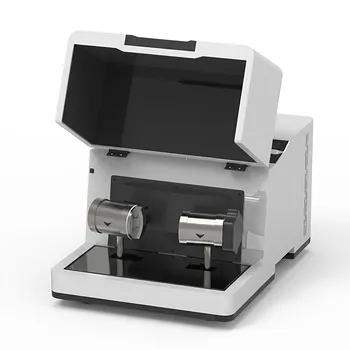
Ultra-Low Temperature Cryogenic High-Energy Vibratory Ball Mill
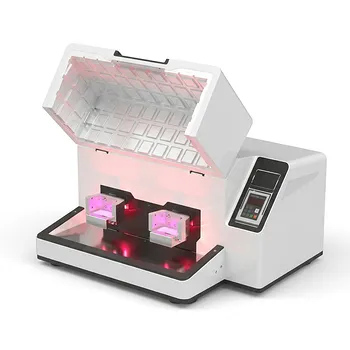
Nano High Energy Vibratory Ball Mill with Heating and Temperature Control
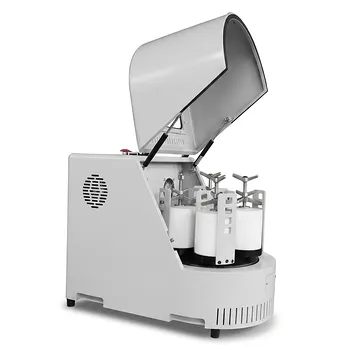
Vertical Semi Circular Planetary Ball Mill for Laboratory Precision Grinding
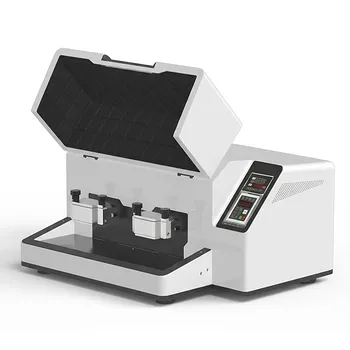
Nanoscale High-Energy Vibratory Ball Mill for Laboratory Sample Preparation, Mechanochemistry, and Mechanical Alloying