What role do stainless steel grinding balls play in cryogenic Al-Ni milling? Essential Energy for Nano-Alloying
Updated 4 months ago
Stainless steel grinding balls function as the primary energy transfer medium in the cryogenic milling of Al-Ni powders. By converting the mechanical rotation of the mill into high-energy impacts and shear forces, these balls facilitate the mechanical alloying of the two metals. This process forces the ductile aluminum to wrap around the harder nickel particles, ultimately creating a dense, lamellar composite structure.
Through high-frequency collisions and intense kinetic energy transfer, stainless steel grinding balls drive the repeated cold welding and fracturing cycles necessary to transform elemental metal powders into nanostructured composites.
The Mechanics of Kinetic Energy Transfer
Generation of Impact Forces
Within the milling container, high-speed rotation or vibration causes the grinding balls to move energetically. These balls possess high mass density and hardness, which allow them to generate significant kinetic energy during operation.
Conversion to Deformation Energy
When these balls collide with the Al-Ni powder, they convert their kinetic energy into deformation energy. This energy is absorbed by the powder particles, providing the physical foundation for breaking down grains and inducing severe plastic deformation.
High-Density Dislocation
The frequent impacts from the grinding media generate high-density dislocations within the aluminum matrix. This microscopic structural change is the essential mechanism for achieving nanocrystalline grains and increasing the final hardness of the material.
Structural Evolution of Al-Ni Powders
Cold Welding and Wrapping
During the initial stages of milling, the soft aluminum (Al) powder undergoes significant deformation. The mechanical work provided by the balls forces the Al to wrap around the surface of the harder nickel (Ni) powder.
Formation of Lamellar Composites
Through repeated rolling and cold welding actions, the balls transform the initial spherical or polyhedral powders into dense lamellar composites. This structural change significantly increases the contact area between the Al and Ni phases, which is critical for subsequent reactions or properties.
Grain Refinement
The high-energy mechanical impact is essential for overcoming the natural ductility of metal powders. By repeatedly fracturing and welding the particles, the grinding balls facilitate effective grain refinement, leading to a uniform, fine-grained final product.
Material Integrity in Cryogenic Conditions
Low-Temperature Stability
Stainless steel is specifically chosen for cryogenic milling because it maintains structural stability in liquid nitrogen environments. Unlike other materials that may become brittle, specific stainless steels (such as martensitic grades) resist embrittlement at ultra-low temperatures.
Wear Resistance and Purity
High-hardness stainless steel balls (often rated at 60 HRC) are highly wear-resistant. This durability is vital for minimizing the introduction of metallic impurities into the Al-Ni powder during the intense milling process.
Sustained Energy Output
Because the balls maintain their mechanical properties at low temperatures, they provide a consistent output of grinding energy. This ensures that the powder reaches the desired particle size and nanostructure without the media degrading over time.
Understanding the Trade-offs
The Impact of Ball-to-Powder Ratios
Selecting the correct ball-to-powder ratio—often as high as 30:1—is a delicate balance. While a higher ratio increases grinding efficiency and energy input, it also increases the frequency of media-to-media collisions, which can accelerate wear and introduce contaminants.
Diameter Selection and Energy Gradients
The size of the balls (e.g., 6.3 mm or a mix from 5 to 20 mm) dictates the energy gradient. Smaller balls provide more contact points and finer grinding, while larger balls deliver higher individual impact energy; choosing the wrong size can result in incomplete alloying or uneven particle distributions.
Media Wear vs. Powder Purity
Even with high-hardness stainless steel, some level of media wear is inevitable during high-energy milling. Excessive milling times can lead to metallic contamination, which may negatively alter the chemical profile and performance of the Al-Ni composite.
Optimizing Your Milling Strategy
How to Apply This to Your Project
To achieve the best results in cryogenic Al-Ni milling, you must align your media selection with your specific material goals.
- If your primary focus is Maximum Grain Refinement: Utilize a high ball-to-powder ratio (e.g., 30:1) and smaller diameter balls to increase the frequency of high-energy collisions.
- If your primary focus is Minimizing Impurities: Select high-hardness martensitic stainless steel balls and limit the milling duration to the minimum time required for lamellar formation.
- If your primary focus is Achieving Uniform Phase Distribution: Use a combination of different ball sizes to create a diverse energy transfer gradient within the milling chamber.
By precisely controlling the kinetic energy delivered by stainless steel grinding balls, you can successfully engineer advanced Al-Ni nanostructures with tailored mechanical properties.
Summary Table:
| Feature | Function in Process | Impact on Al-Ni Powder |
|---|---|---|
| Energy Transfer | Converts mechanical rotation to impact/shear | Drives repeated cold welding and fracturing |
| Cryogenic Stability | Resists embrittlement in liquid nitrogen | Ensures consistent energy output at ultra-low temps |
| Wear Resistance | High-hardness (60 HRC) durability | Minimizes metallic impurities and contamination |
| Structural Control | Facilitates high-density dislocations | Achieves nanostructured grains and lamellar density |
| Media Optimization | Adjustable ball-to-powder ratios (up to 30:1) | Accelerates grain refinement and phase distribution |
Elevate your material synthesis with precision-engineered equipment. At our facility, we provide complete laboratory sample preparation solutions for material science, specializing in advanced powder processing and compaction. From high-energy planetary ball mills and liquid nitrogen cryogenic grinders to a full spectrum of hydraulic presses—including Cold/Warm Isostatic Presses (CIP/WIP), vacuum hot presses, and XRF pellet presses—we offer the tools necessary to achieve superior grain refinement and material purity.
Whether you are developing Al-Ni nanostructures or processing complex powders, our expertise in crushers, sieve shakers, and specialized mixers ensures your research meets the highest standards. Contact our technical experts today to discover how our comprehensive equipment line can optimize your laboratory workflow.
References
- Minseok Oh, Byungmin Ahn. Exothermic Reaction Kinetics in High Energy Density Al-Ni with Nanoscale Multilayers Synthesized by Cryomilling. DOI: 10.3390/met8020121
Mentioned Products
- Small High-Speed Laboratory Grinder for Powder Processing
- High Speed Laboratory Grinder Efficient Stainless Steel Powder Pulverizer Universal Material Science Mill for Sample Preparation
- Heavy Duty Horizontal Planetary Ball Mill for Efficient Industrial Grinding and Sample Preparation
- Vertical Semi Circular Planetary Ball Mill for Laboratory Precision Grinding
- Vertical Square Planetary Ball Mill for Laboratory Sample Preparation and Nanoscale Grinding
People Also Ask
- What role does a laboratory grinder play in the pretreatment of sunflower seed shell-based adsorbents? Boost Efficiency.
- How does a laboratory grinder or mill enhance the adsorption performance of agricultural waste materials? Boost Surface Area
- What is the role of laboratory grinding equipment in the preparation of waste glass powder for eco-friendly red bricks?
- Why is grinding equipment necessary for SnO2-Sb2O3 xerogels? Maximize surface area and photocatalytic activity.
- What is the primary role of grinding equipment in BLA preparation? Enhance Reactivity & Material Uniformity

Tech Team · PowderPreparation
Last updated on May 14, 2026
Related Products
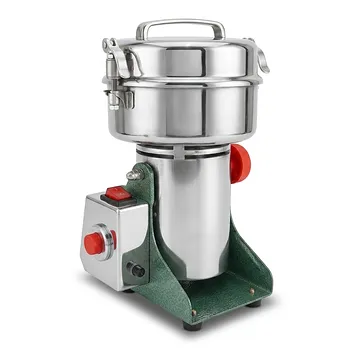
Small High-Speed Laboratory Grinder for Powder Processing
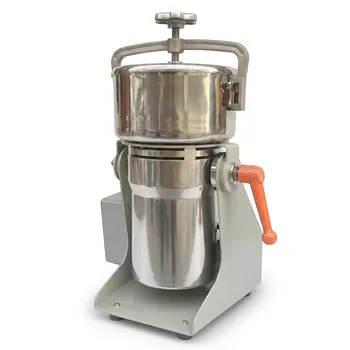
High Speed Laboratory Grinder Efficient Stainless Steel Powder Pulverizer Universal Material Science Mill for Sample Preparation
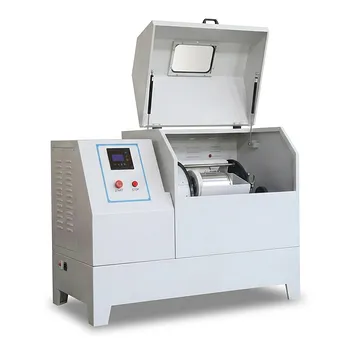
Heavy Duty Horizontal Planetary Ball Mill for Efficient Industrial Grinding and Sample Preparation
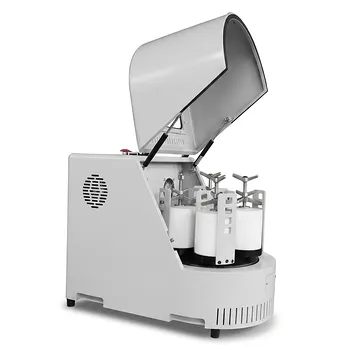
Vertical Semi Circular Planetary Ball Mill for Laboratory Precision Grinding
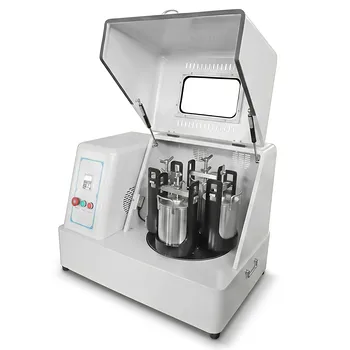
Vertical Square Planetary Ball Mill for Laboratory Sample Preparation and Nanoscale Grinding
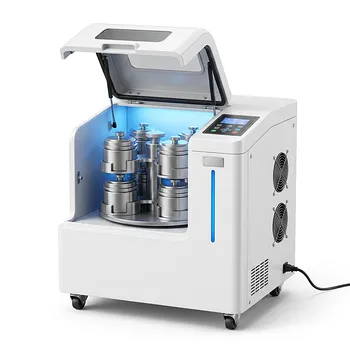
High Energy Omnidirectional Planetary Ball Mill 20L

High Energy Omnidirectional Planetary Ball Mill 16L

8L Planetary Ball Mill for Laboratory Grinding and Sample Preparation

High Energy Planetary Ball Mill for Nano Scale Grinding and Mechanical Alloying
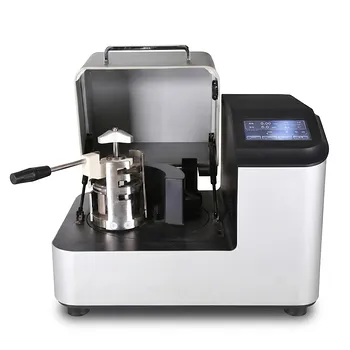
High Energy Laboratory Planetary Ball Mill for Nano Grinding and Material Science Sample Preparation
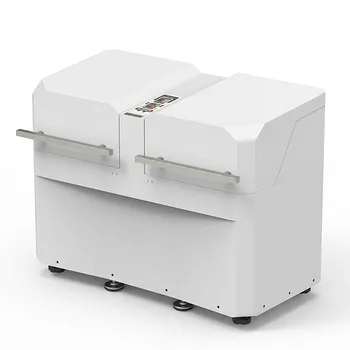
Dual Station Planetary Ball Mill 24L
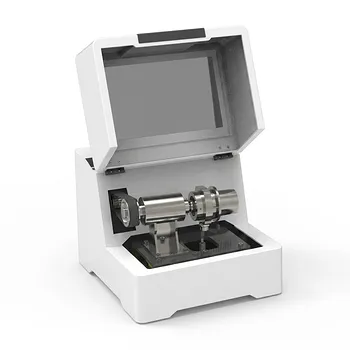
Single Tank High Energy Vibratory Ball Mill for Laboratory Grinding and Mixing
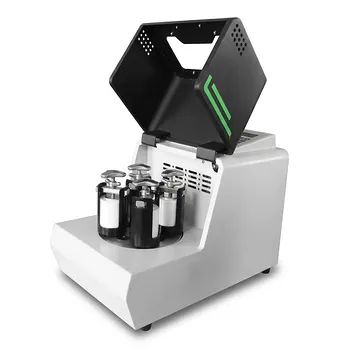
Miniature Planetary Ball Mill with Vacuum Grinding and High Efficiency for Laboratory Sample Preparation