What is the function of boric acid in sediment pellet pressing? Enhance XRF Sample Stability & Analysis Accuracy
Updated 3 months ago
Boric acid ($H_3BO_3$) serves as a specialized binder that ensures the physical stability of sediment samples during high-pressure compression. By mixing this compound with fine sediment powder, technicians create a pellet with superior mechanical strength that resists fracturing or shedding. Crucially, its low atomic number ensures it remains "transparent" during X-ray analysis, minimizing interference with the detection of target elements.
Boric acid acts as both a structural stabilizer and a chemically neutral matrix, allowing for the creation of durable sample pellets that do not compromise the accuracy of spectral data.
The Mechanical Role of Boric Acid as a Binder
Enhancing Physical Integrity and Durability
The primary physical function of boric acid is to increase the mechanical strength of the compressed pellet.
When fine sediment powder is pressed alone, it often lacks the cohesive properties necessary to maintain a solid shape. Boric acid fills the interstitial spaces between sediment particles, acting as a glue that prevents the pellet from crumbling under its own weight or during transport.
Preventing Sample Contamination and Loss
A stable pellet is essential for maintaining the integrity of the analytical environment.
If a pellet fractures or sheds powder inside a spectral instrument, it can contaminate the sensitive optical components or the sample chamber. Boric acid ensures the sample remains intact during handling, loading, and the actual testing process.
The Analytical Advantages in Spectral Analysis
Minimizing X-ray Absorption Interference
Boric acid is composed of elements with low atomic numbers (Hydrogen, Boron, and Oxygen).
In X-ray fluorescence (XRF) or similar spectral techniques, heavier elements can absorb X-rays and interfere with the readings of the target analyte. Because boric acid is "light," it causes minimal absorption interference, allowing the X-rays to pass through the binder and interact primarily with the sediment sample.
Ensuring Uniform Sample Distribution
Achieving a repeatable result requires the sample to be homogeneously distributed within the pellet.
Mixing boric acid thoroughly with the sediment ensures that the density of the pellet is consistent throughout its volume. This uniformity reduces "shadowing" effects and ensures that the spectral signal is representative of the entire sample rather than just the surface layer.
Understanding the Trade-offs and Limitations
The Impact of Dilution on Detection Limits
While boric acid is chemically "quiet," it is still a diluent that reduces the total concentration of the sediment in the pellet.
Adding too much binder can lower the signal-to-noise ratio for trace elements, potentially pushing them below the instrument's detection limit. Technicians must find a balance between the minimum amount of binder needed for stability and the maximum amount allowed for sensitivity.
Sensitivity to Moisture and Storage
Boric acid can be sensitive to environmental conditions, particularly humidity.
Pellets prepared with boric acid may absorb atmospheric moisture over time, which can lead to swelling or surface degradation. For long-term storage or high-precision longitudinal studies, pellets must be kept in desiccators to prevent structural or chemical changes.
Optimizing Boric Acid Use in Sample Preparation
The successful application of boric acid depends on aligning the preparation method with your specific analytical goals.
- If your primary focus is mechanical durability for automated handling: Use a slightly higher binder-to-sample ratio to ensure the pellet can withstand the vibrations of automated loading systems.
- If your primary focus is trace element detection: Minimize the boric acid ratio to the lowest possible threshold that still maintains a cohesive pellet to prevent signal dilution.
- If your primary focus is long-term sample archiving: Store the pressed pellets in a temperature-controlled, low-humidity environment to prevent the boric acid from reacting with atmospheric moisture.
By mastering the balance between structural binder and analytical transparency, you ensure that your spectral data is both accurate and reproducible.
Summary Table:
| Function | Benefit to Spectral Analysis | Key Considerations |
|---|---|---|
| Mechanical Binder | Prevents pellet fracturing and protects sensitive optical components from powder contamination. | Use optimal binder-to-sample ratio to maintain structural integrity. |
| Low-Z Matrix | Minimizes X-ray absorption interference due to low atomic numbers (H, B, O). | Excessive dilution can lower signal-to-noise ratios for trace elements. |
| Homogenizing Agent | Ensures uniform sample distribution and density for repeatable spectral signals. | Requires thorough mixing with sediment powder before compression. |
| Structural Support | Acts as a "glue" for non-cohesive sediment particles during high-pressure pressing. | Pellets are moisture-sensitive; store in desiccators to prevent degradation. |
Optimize Your Material Analysis with Professional Sample Prep
Achieve the highest precision in your spectral data with our complete laboratory sample preparation solutions. At our core, we specialize in high-performance powder processing and compaction equipment designed for the rigorous demands of material science.
From achieving the perfect particle size with our planetary ball mills, jet mills, and cryogenic grinders to ensuring flawless pellet integrity with our XRF pellet presses and hydraulic presses, we provide the tools you need for success. Our extensive product line includes:
- Pressing Solutions: Standard lab presses, XRF pellet presses, Hot presses, and Cold/Warm Isostatic Presses (CIP/WIP).
- Processing Equipment: Jaw/roll crushers, sieve shakers (vibratory/air-jet), and high-precision powder mixers.
Whether you are a researcher or a distributor looking for reliable OEM/ODM support and certified supply chains, we are here to enhance your lab's efficiency. Contact us today to find your perfect equipment solution!
References
- R. Ravisankar, Atef El‐Taher. Effects of physicochemical properties on heavy metal, magnetic susceptibility and natural radionuclides with statistical approach in the Chennai coastal sediment of east coast of Tamilnadu, India. DOI: 10.1007/s13201-019-1031-8
Mentioned Products
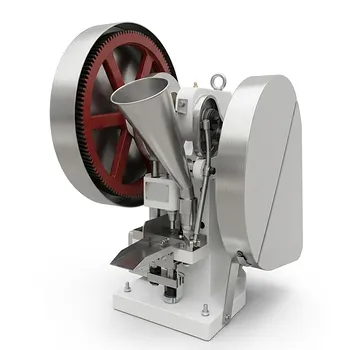
- 6-Ton Small Single-Punch Tablet Press — Laboratory Powder & Granule Tableting Equipment / Tablet Forming Machine
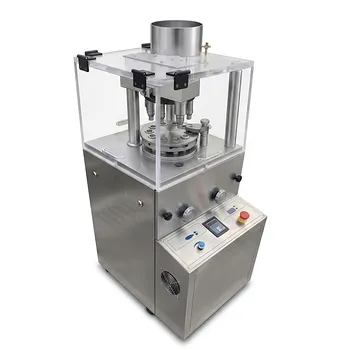
- Enhanced 9 Punch Rotary Tablet Press for Powder Compaction
People Also Ask
- What is the function of a laboratory press in Cr-Ti alloy evaluation? Quantify Fracture Stress & Strength
- What is the function of a laboratory press in assessing the hydrophobic performance of modified vermiculite fillers?
- What is the core function of a laboratory press in the forming of ceramic filter element green bodies? Maximize Density.
- What is the function of a laboratory press in the preparation of ceramic feed rods? Master Density and Precision
- Why is vacuum sealing and flexible packaging necessary for Aluminum Titanate powders during CIP? Ensure Peak Density

Tech Team · PowderPreparation
Last updated on Jun 03, 2026