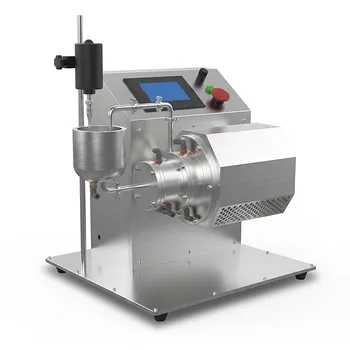
What is the significance of high-efficiency powder mixing for sodium-ion battery cathodes? Build Robust Conduction Networks
Updated 5 months ago
High-efficiency powder mixing is the critical factor in establishing a stable electronic conduction network. It ensures molecular-level uniform dispersion between active layered transition metal oxides and conductive carbon black additives. This uniformity is essential for achieving reliable charge transfer impedance measurements and eliminating localized overheating or uneven impedance distribution caused by component segregation.
The core value of high-efficiency mixing lies in its ability to transition from simple blending to the creation of a dense, microscopic composite network. This process maximizes the contact points between active materials and conductive additives, ensuring consistent electrochemical behavior across the entire electrode.
Establishing a Robust Electronic Conduction Network
Achieving Molecular-Level Dispersion
High-efficiency equipment provides the necessary shear forces to break down agglomerates of nano-scale conductive carbon. This allows the carbon to coat the micro-scale active oxide particles at a molecular level.
When these components are dispersed uniformly, they form a continuous path for electrons to travel. This minimizes the resistance within the cathode and ensures that every part of the active material contributes to the battery's capacity.
Maximizing Conductive Contact Points
A dense composite network increases what is known as the Triple Phase Boundary (TPB) length. By ensuring full contact between the electronic and ionic conductor phases, the equipment optimizes the paths for both ion and electron transport.
Without this level of contact, "dead zones" can form where active materials are electrically isolated. High-efficiency mixing prevents this by building a structural connection that facilitates rapid charge-discharge cycles.
Impact on Electrochemical Performance and Reliability
Ensuring Reliable Impedance Measurements
Uniformity is the key to predictable electrical behavior during testing. High-efficiency mixing makes charge transfer impedance measurements far more reliable by providing a consistent baseline across the electrode surface.
When components are segregated, impedance readings fluctuate wildly, making it impossible to accurately assess the battery's health or performance. Consistency in mixing leads to consistency in data and quality control.
Preventing Thermal and Electrical Bottlenecks
Uneven distribution of conductive additives creates areas of high and low impedance. In areas of high resistance, local overheating occurs during operation, which can degrade the electrolyte and lead to thermal runaway.
High-efficiency mixing eliminates these "hot spots" by distributing electrical load evenly. This promotes long-term cycling stability and prevents the structural stress concentrations that often lead to mechanical failure of the electrode.
Understanding the Trade-offs
The Risk of Material Degradation
While high-shear mixing is necessary for dispersion, excessive energy can damage the delicate crystal structure of layered transition metal oxides. Over-processing may lead to particle fracturing, which actually increases resistance by creating new surfaces that require more conductive additives.
Balancing Energy and Homogeneity
Achieving a "perfect" mix requires significant energy and specialized equipment like planetary or defoaming mixers. Manufacturers must balance the pursuit of absolute uniformity with the operational costs and the potential for slurry agglomeration if the mixing time is extended too far.
How to Apply This to Your Project
Making the Right Choice for Your Goal
To optimize the performance of sodium-ion battery cathodes, the mixing strategy must align with the specific material properties and production scale.
- If your primary focus is maximizing energy density: Use high-shear planetary mixers to ensure the thinnest possible conductive carbon coating, allowing for a higher ratio of active material.
- If your primary focus is long-term cycling stability: Prioritize mixers that prevent nano-scale carbon agglomeration, as this ensures a more durable electronic network that resists degradation.
- If your primary focus is research and development accuracy: Invest in equipment that provides the highest level of microscopic uniformity to ensure your impedance and performance data is truly representative of the material chemistry.
By treating powder mixing as a foundational engineering step rather than a simple preparation task, you ensure the structural integrity and electrochemical reliability of the final sodium-ion battery.
Summary Table:
| Key Aspect | Function & Benefit | Impact on Battery Performance |
|---|---|---|
| Molecular Dispersion | Breaks down carbon agglomerates to coat oxides | Creates a continuous electronic path; reduces resistance |
| Contact Optimization | Increases Triple Phase Boundary (TPB) length | Maximizes active material contribution; prevents 'dead zones' |
| Impedance Uniformity | Ensures consistent distribution across the electrode | Enables reliable charge transfer measurements and QC |
| Thermal Management | Eliminates high-resistance 'hot spots' | Prevents electrolyte degradation and thermal runaway |
| Structural Integrity | Balances shear force with particle preservation | Promotes long-term cycling stability and prevents fracturing |
Elevate Your Battery Material Performance with Precision Mixing
Achieving the perfect electronic conduction network requires more than just simple blending—it demands professional-grade equipment tailored for material science. We provide complete laboratory sample preparation solutions, specializing in high-performance powder processing and compaction technology designed to meet the rigorous demands of sodium-ion battery research.
Our extensive product line supports every stage of your workflow:
- Advanced Mixing & Milling: Achieve molecular-level homogeneity with our planetary ball mills, jet mills, and specialized defoaming mixers.
- Precision Compaction: Ensure structural integrity with our full spectrum of hydraulic presses, including Cold/Warm Isostatic Presses (CIP/WIP), vacuum hot presses, and XRF pellet presses.
- Material Preparation: Comprehensive solutions featuring jaw/roll crushers, cryogenic grinders, and vibratory sieve shakers.
Don't let uneven impedance or thermal bottlenecks compromise your results. Contact our technical experts today to find the ideal equipment configuration for your lab and ensure the reliability of your next-generation energy storage materials.
References
- Renjie Liu, Anthony R. West. Electrochemical impedance spectroscopy of battery systems, including sodium materials. DOI: 10.1016/j.coelec.2025.101800
Mentioned Products
- Vertical Production Planetary Ball Mill for High Throughput Powder Processing
- High-Speed Simple Disperser for Efficient Mixing, Dispersion, and Emulsification
- Horizontal Ribbon Mixer for Uniform Powder and Slurry Mixing
- Industrial Double Cone Mixer for Powder Blending and Homogeneous Mixing
- Continuous Feeding Grinder High Efficiency Pulverizer for Lab Sample Preparation
People Also Ask
- What is the function of a high-performance planetary ball mill in AMZ laminates? Master Ceramic Homogenization.
- What is the role of a planetary ball mill in Al–Si3N4 nanocomposite prep? Achieve Uniform Homogenization
- What is the function of a planetary ball mill in lanthanum hexaaluminate synthesis? Master Micron-Level Homogenization
- What role does a planetary ball mill play in the synthesis of Er-doped PMN-PT ceramics? Enhancing Homogeneity & Purity
- What are the advantages of using a planetary ball mill for the fine grinding of barium silicate glass powder? Peak Results

Tech Team · PowderPreparation
Last updated on May 14, 2026
Related Products
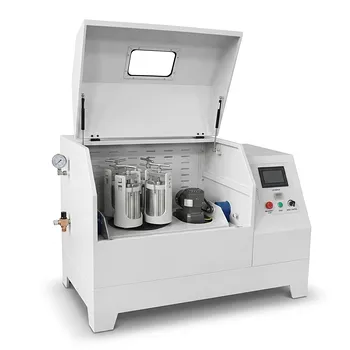
Vertical Production Planetary Ball Mill for High Throughput Powder Processing
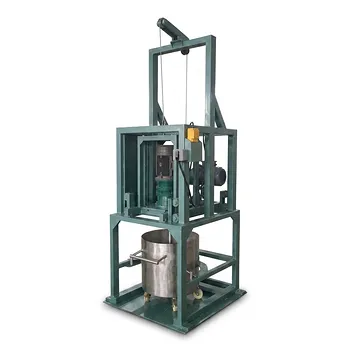
High-Speed Simple Disperser for Efficient Mixing, Dispersion, and Emulsification
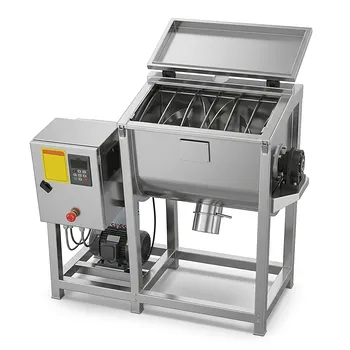
Horizontal Ribbon Mixer for Uniform Powder and Slurry Mixing
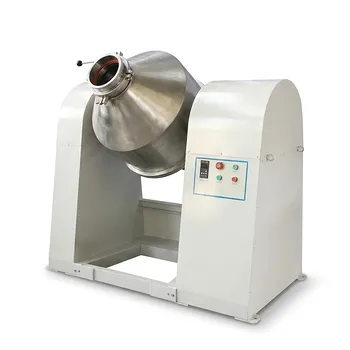
Industrial Double Cone Mixer for Powder Blending and Homogeneous Mixing
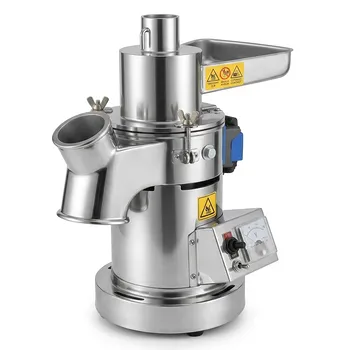
Continuous Feeding Grinder High Efficiency Pulverizer for Lab Sample Preparation
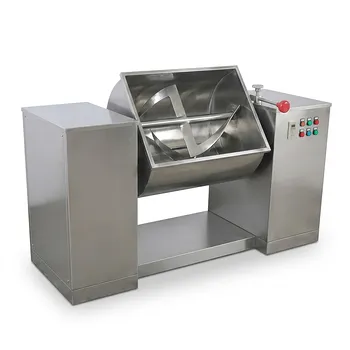
Horizontal Trough Mixer for Uniform Powder and Paste Blending
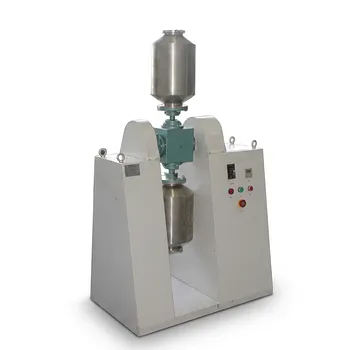
Multi Dimensional Universal Mixer for High Uniformity Powder Blending
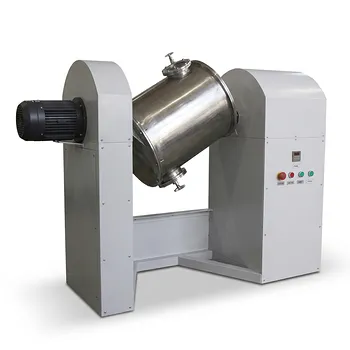
Inclined Mixer for Homogeneous Powder Blending and Grinding
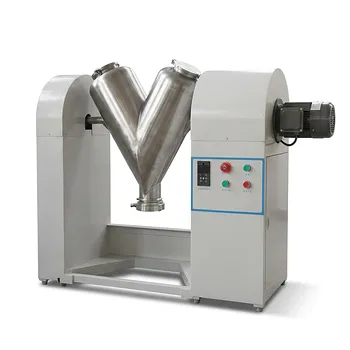
V-Type Powder Mixer for Uniform Blending of Dry Powders and Granules
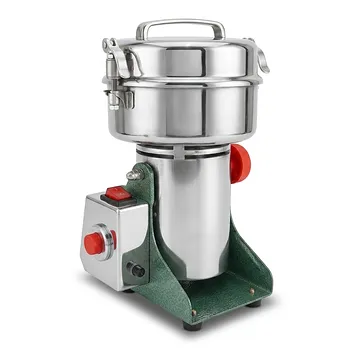
Small High-Speed Laboratory Grinder for Powder Processing
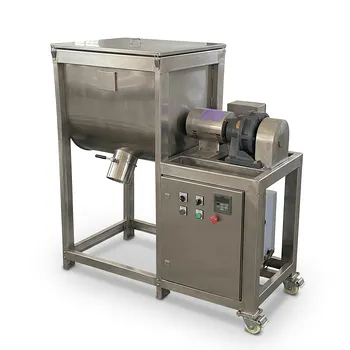
Horizontal Ribbon Mixer for Dry Powder and Slurry Blending
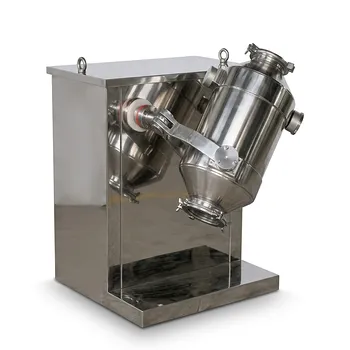
Three-Dimensional Motion Mixer for Laboratory Powder and Granule Blending
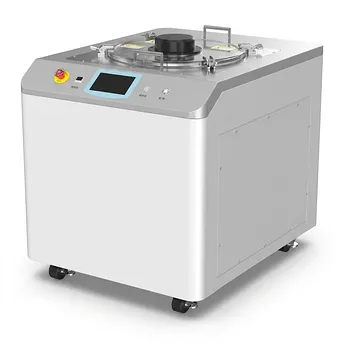
Industrial Planetary Centrifugal Vacuum Defoaming Mixer for High Viscosity Paste and Powder Homogenization
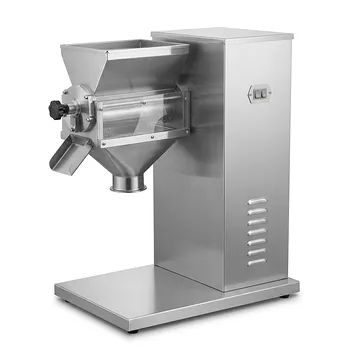
Small Swing Granulator Efficient Powder Granulation for Pharmaceutical Chemical Food Industries
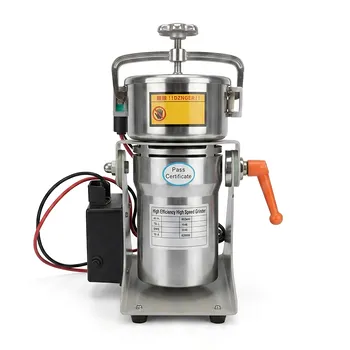
High Efficiency High Speed Grinder Laboratory Mill 1300W 25000rpm
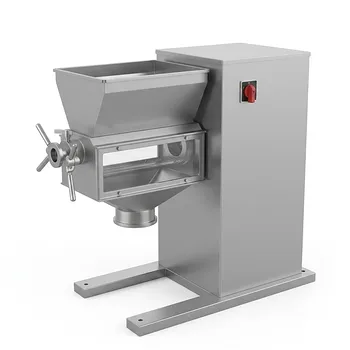
Industrial Swing Granulator for Powder Processing in Pharma Food and Chemical Industries
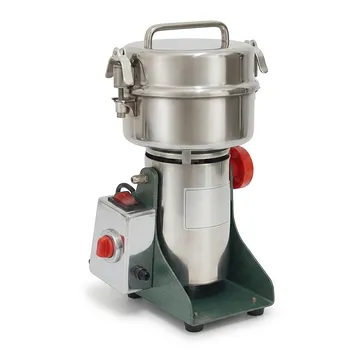
Small High Speed Grinder for Laboratory Sample Preparation
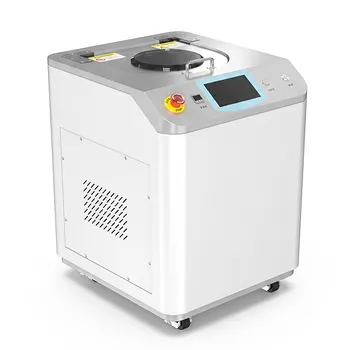
High Speed Vacuum Planetary Centrifugal Mixer and Defoamer for Industrial Paste Processing
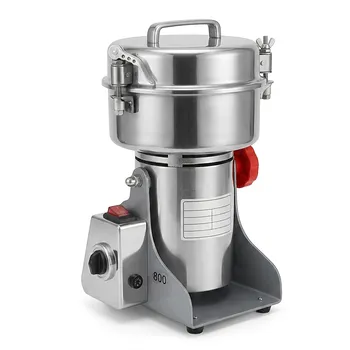
Small High-Speed Laboratory Grinder for Rapid Sample Preparation