What is the role of test sieves in the gradation design of Stone Matrix Asphalt (SMA)? Optimize Pavement Stability
Updated 5 months ago
Test sieves are the fundamental instruments used to physically separate and quantify aggregate sizes to create the high-strength, gap-graded skeleton required for Stone Matrix Asphalt (SMA). By utilizing a series of precision meshes, laboratory technicians can strictly control the distribution of coarse aggregates, fine aggregates, and mineral fillers. This precise screening ensures the formation of stone-on-stone contact, which provides the mixture with its signature rutting resistance and long-term durability.
Core Takeaway: Test sieves allow engineers to engineer a specific "gap-graded" particle distribution that maximizes structural stability through a coarse aggregate skeleton while leaving precise void spaces for asphalt mastic and stabilizers.
Establishing the Coarse Aggregate Skeleton
Defining Stone-on-Stone Contact
The primary function of sieves in SMA design is to ensure that coarse aggregates are sized correctly to touch one another. This stone-on-stone contact creates a load-bearing framework that transfers traffic weight through the mineral skeleton rather than the binder.
Controlling Voids in Mineral Aggregate (VMA)
High-precision sieves are used to manage the specific volume of gaps between larger stones. In SMA, the goal is often to achieve a target air void range of 25% to 35% in the initial skeleton. This space is critical because it must be later filled with a rich asphalt mastic without pushing the coarse stones apart.
Sieve Analysis and Gradation Curves
Technicians perform sieve analysis to determine the percentage of material passing through various mesh sizes, such as 20mm, 10mm, and 4.75mm. These data points are plotted to create a gradation curve, which serves as the blueprint for the entire mixture’s stability and fatigue resistance.
Managing Additives and Material Substitutions
Precise Fiber Dispersion
Standard test sieves also serve as mechanical dispersion tools for stabilizing fibers. By shaking fibers through specific apertures (often 2.36mm to 4.75mm), the mesh physically breaks up fiber bundles. This ensures that individual filaments enter the mix uniformly, preventing clumping and aggregation that could weaken the pavement.
Integrating Recycled and Alternative Materials
When incorporating Recycled Asphalt Pavement (RAP) or electronic waste into SMA, sieves allow for exact volumetric substitution. By identifying specific aggregate vacancies (such as the 4.75mm size), engineers can replace natural stone with recycled materials of the identical size to maintain the integrity of the grading curve.
Accuracy in Mineral Filler Grading
SMA requires a high content of mineral filler (like fly ash or perlite) to stiffen the mastic. Precision sieves verify that these fine particles meet regulatory requirements, ensuring the mastic is thick enough to prevent "draindown" during transport and paving.
Understanding Technical Limitations and Pitfalls
The Risk of Sieve Overloading
If too much material is placed on a sieve at once, smaller particles may be trapped on top of larger ones, leading to an inaccurate gradation profile. This error can result in a mixture that lacks the necessary stone-on-stone contact, significantly reducing rutting resistance.
Impact of Mesh Wear
Over time, the apertures in test sieves can stretch or become "blinded" (clogged). Using uncalibrated or worn sieves leads to inconsistent data, which can cause the asphalt plant to produce a mix that fails to meet the structural design specifications.
Manual vs. Mechanical Shaking
Relying on manual shaking often introduces human error and inconsistency. Utilizing vibratory sieve shakers is recommended to ensure repeatable results and to provide the thorough energy needed to pass fine mineral fillers through the smallest meshes.
Strategies for Precise SMA Gradation
How to Apply This to Your Project
To ensure the highest quality SMA mixture, your approach to sieve analysis should be dictated by your specific project requirements.
- If your primary focus is Rutting Resistance: Prioritize the strict verification of the coarse aggregate skeleton (typically sizes above 4.75mm) to ensure maximum stone-on-stone interlock.
- If your primary focus is Material Innovation: Use high-precision sieving to accurately categorize recycled materials or electronic waste, ensuring they perfectly match the size of the natural aggregate they are replacing.
- If your primary focus is Mixture Stability: Focus on the dispersion of fibers and the grading of mineral fillers through the 75µm sieve to create a consistent, high-viscosity mastic.
Precision in the laboratory via standardized test sieves is the only way to guarantee the structural performance of Stone Matrix Asphalt in the field.
Summary Table:
| SMA Design Phase | Sieve Function | Structural Benefit |
|---|---|---|
| Skeleton Formation | Sizing coarse aggregates | Ensures stone-on-stone contact |
| Void Management | Controlling VMA (25-35%) | Space for asphalt mastic & stabilizers |
| Additive Control | Dispersing fibers & fillers | Prevents clumping and binder draindown |
| Material Innovation | Categorizing RAP/Recycled waste | Maintains gradation curve integrity |
Precision Lab Solutions for Superior Material Performance
At [Company Name], we provide complete laboratory sample preparation solutions for material science, specializing in high-performance powder processing and compaction equipment. Achieving the perfect "gap-graded" skeleton in Stone Matrix Asphalt (SMA) requires absolute accuracy, and our tools are designed to deliver exactly that.
Our extensive product lines include:
- Sieving Excellence: Vibratory and air-jet sieve shakers with a full range of precision test sieves and meshes.
- Size Reduction: Jaw/roll crushers and advanced mills (planetary ball, jet, sand/bead, disc, rotor).
- Sample Preparation: Cold/Warm Isostatic Presses (CIP/WIP), vacuum hot presses, and standard lab presses.
- Mixing Technology: Specialized powder and defoaming mixers for uniform material distribution.
Whether you are engineering high-strength asphalt or developing innovative materials, our equipment ensures repeatability and reliability. Contact our experts today to find the right solution for your laboratory needs!
References
- Carlos Alonso-Troyano, Blanca Olaso-Cerveró. Incorporating Recycled Textile Fibers into Stone Mastic Asphalt. DOI: 10.3390/buildings15081310
Mentioned Products
- Laboratory Vibratory Test Sieve Shaker for Precision Particle Size Analysis and Powder Grading
- Small High-Speed Grinder for Efficient Laboratory Sample Preparation
- Small Laboratory Vibratory Sieve Shaker for Powder Gradation and Particle Size Analysis
- Laboratory Small Horizontal Sand Mill for Nano Materials Wet Grinding
- Small High-Speed Laboratory Grinder for Rapid Sample Preparation
People Also Ask
- What role does a laboratory sieve shaker play in determining PDI? Achieve Precision in Biomass Quality Testing
- What are the functions of sieve shakers for coconut shell powder? Achieve Precise Particle Size & Quality Control.
- What function does a laboratory sieve shaker perform in the PSD analysis of residual soil? Ensure Precise Grading
- What is the role of a laboratory sieve shaker in the preparation of plantain peel adsorbents? Standardize Particle Size
- What is the function of a laboratory vibratory sieve shaker? Enhance Coal Particle Size Distribution (PSD) Analysis

Tech Team · PowderPreparation
Last updated on May 14, 2026
Related Products
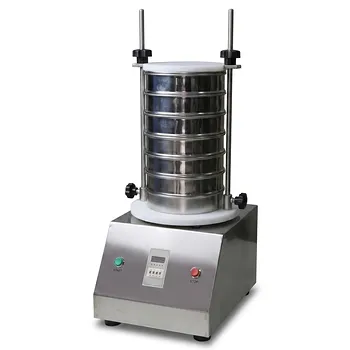
Laboratory Vibratory Test Sieve Shaker for Precision Particle Size Analysis and Powder Grading
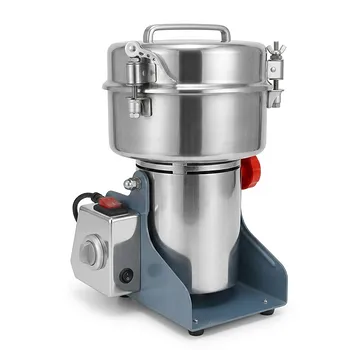
Small High-Speed Grinder for Efficient Laboratory Sample Preparation
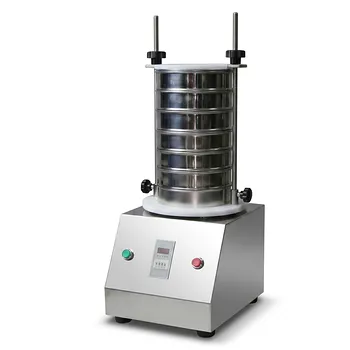
Small Laboratory Vibratory Sieve Shaker for Powder Gradation and Particle Size Analysis
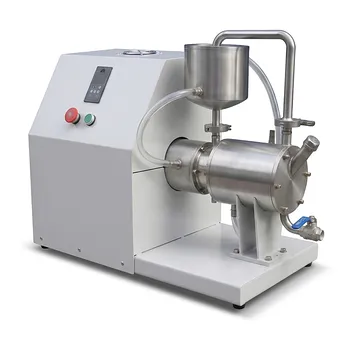
Laboratory Small Horizontal Sand Mill for Nano Materials Wet Grinding
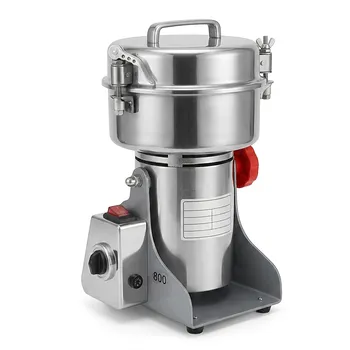
Small High-Speed Laboratory Grinder for Rapid Sample Preparation
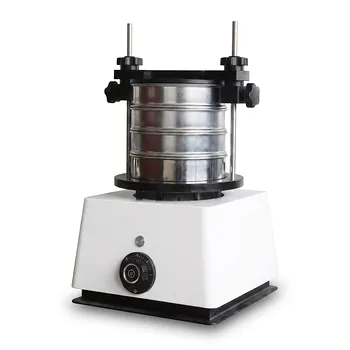
Small Laboratory Vibrating Sieve Shaker for Precise Particle Size Analysis
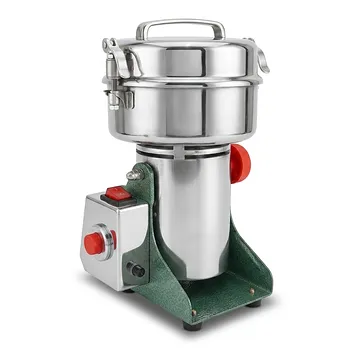
Small High-Speed Laboratory Grinder for Powder Processing
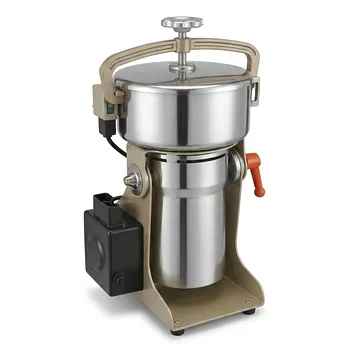
Multifunctional High Efficiency High Speed Laboratory Grinder
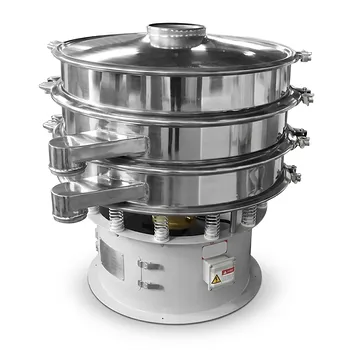
Three Dimensional Rotary Vibrating Sieve
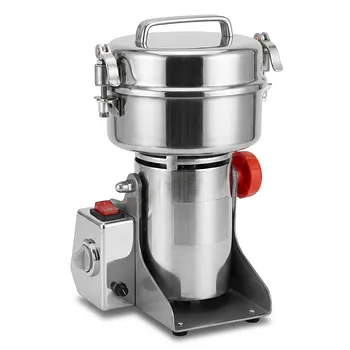
High Speed Laboratory Powder Grinder Small Batch Sample Preparation Mill
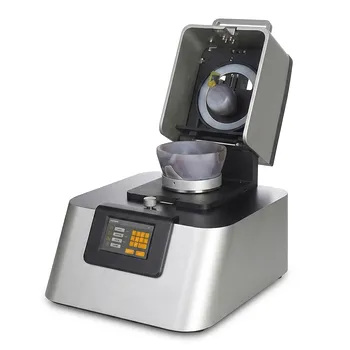
Laboratory Mortar Grinder for Sample Preparation and Cryogenic Powder Homogenization
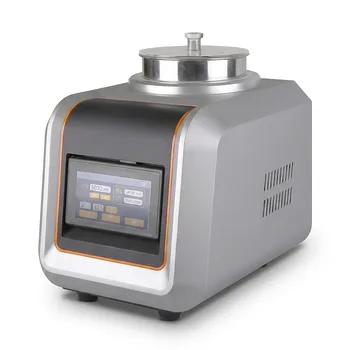
Laboratory Air Jet Sieving Machine for Fine Powder Particle Size Analysis and Deagglomeration
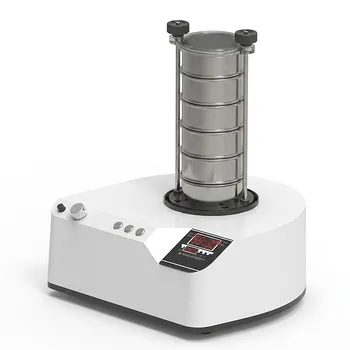
三维电磁微量振动筛分仪
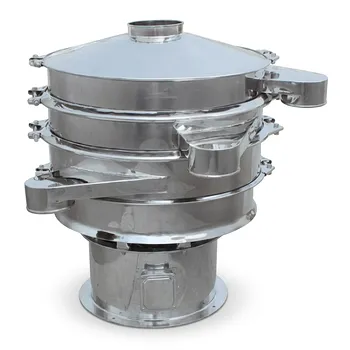
Stainless Steel Rotary Vibrating Sieve High Precision Circular Vibratory Separator Industrial Powder Grading Machine Multi Layer Sifting Equipment
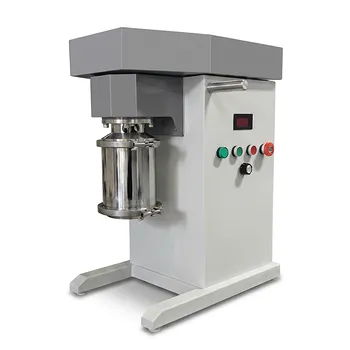
Nano Laboratory Bead Mill Desktop Sub Micron Sand Mill Screenless Seal Less Powder Grinder