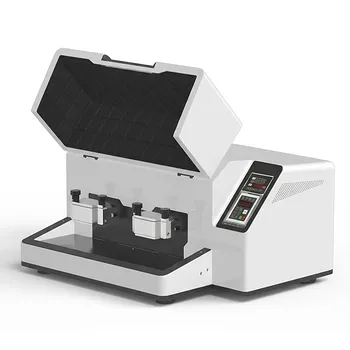
What is the role of planetary ball mills in SiC ceramic prep? Optimize density and thermal conductivity.
Updated 5 months ago
Planetary ball mills are the primary mechanism for achieving the precise particle size distribution and chemical homogeneity required for high-performance ceramics. In the preparation of high thermal conductivity silicon carbide (SiC) ceramics, these mills refine micron-sized powders and ensure the molecular-level dispersion of sintering additives. By optimizing the microscopic packing density of the raw materials, high-energy milling creates the foundation for a high-density ceramic matrix with minimal porosity.
Core Takeaway: High-energy planetary ball milling transforms raw SiC powders into a highly reactive, uniform mixture by utilizing intense impact and shear forces. This process is essential for achieving the theoretical density and refined grain structure necessary to maximize thermal conductivity in the final ceramic product.
Achieving Optimal Packing Density and Microstructure
Precision Particle Size Control
Planetary ball mills allow for the simultaneous refinement of primary powders and the blending of disparate particle sizes, such as 50-micron and 5-micron fractions. This "bimodal" or multimodal distribution is critical because smaller particles fill the interstitial voids between larger grains.
Maximizing Matrix Density
By precisely controlling the ratio of these powders, the mill facilitates optimal microscopic packing density. This dense arrangement directly reduces the porosity of the final ceramic, which is a fundamental requirement for high thermal conductivity.
Eliminating Particle Agglomeration
High-energy grinding breaks down the natural tendency of fine SiC powders to clump together. By eliminating agglomeration, the mill ensures that the powder maintains excellent fluidity, allowing it to penetrate dense structures or flow evenly during molding and sintering.
Enhancing Sintering Activity and Additive Dispersion
Molecular-Level Mixing of Additives
High thermal conductivity often requires trace amounts of additives like boron, carbon, or metallic nitrates. Planetary mills distribute these additives uniformly throughout the SiC matrix, ensuring they are present at every grain boundary to facilitate efficient sintering.
Increasing Specific Surface Area
As the mill reduces particle sizes from hundreds of micrometers to the sub-micron or nanometer scale, the specific surface area of the powder increases dramatically. This higher surface energy increases sintering activity, allowing the ceramic to densify at lower reaction temperatures.
Inhibiting Abnormal Grain Growth
The uniform dispersion of sintering aids at the grain boundaries helps reduce grain boundary energy during high-temperature heat treatment. This ensures that the ceramic densifies evenly while preventing the "abnormal" growth of large grains that can impede thermal and mechanical performance.
Understanding the Trade-offs and Limitations
Risk of Material Contamination
The high-energy nature of these mills can lead to the erosion of the grinding media and jars. If not carefully managed—such as using SiC-coated or high-purity media—impurities like alumina or steel can enter the powder, significantly degrading the thermal conductivity of the final part.
Balancing Time and Energy
While longer milling times (often up to 24 hours) ensure better uniformity, they also increase energy consumption and the risk of surface oxidation. Finding the "sweet spot" between particle refinement and excessive processing is a common challenge in industrial scaling.
Slurry Stability Issues
In wet milling processes, the transition to ultra-fine or nano-sized particles can drastically change the rheology of the slurry. Maintaining a stable suspension requires precise control over pH and binders to prevent the powder from settling or thickening prematurely.
How to Apply This to Your Project
Making the Right Choice for Your Goal
- If your primary focus is Maximum Thermal Conductivity: Use high-energy milling to achieve a bimodal particle distribution that maximizes packing density and minimizes final porosity.
- If your primary focus is Low-Temperature Sintering: Prioritize longer milling cycles to reach sub-micron or nanometer scales, thereby increasing the powder's specific surface area and reactivity.
- If your primary focus is Structural Homogeneity: Utilize planetary milling in an ethanol or liquid medium to ensure additives like boron and carbon are distributed at a molecular level.
- If your primary focus is Cost Efficiency: Optimize the mill speed and media-to-powder ratio to achieve the required particle size in the shortest possible time to minimize energy and wear.
By mastering the high-energy milling stage, you ensure that the raw material is physically and chemically prepared to reach its full theoretical potential during sintering.
Summary Table:
| Key Milling Function | Mechanism for Success | Resulting Ceramic Property |
|---|---|---|
| Particle Refinement | Creates bimodal/multimodal size distribution | Maximum packing density & low porosity |
| Additive Dispersion | Molecular-level mixing of B, C, or nitrates | Uniform sintering & grain boundary control |
| De-agglomeration | Breaks down clusters via high impact/shear | Improved powder fluidity & micro-homogeneity |
| Surface Activation | Increases specific surface area | Enhanced reactivity & lower sintering temps |
Maximize Your Material Performance with Precision Sample Prep
Achieving the theoretical density and thermal performance of advanced SiC ceramics starts with perfect powder preparation. At our core, we provide complete laboratory sample preparation solutions designed specifically for material science researchers and manufacturers.
Whether you are refining sub-micron powders or compacting high-density green bodies, our equipment ensures reliability and precision:
- Advanced Milling: Planetary ball mills, jet mills, and cryogenic grinders for nanometer-scale refinement.
- Compaction Excellence: Cold Isostatic Presses (CIP), Warm Isostatic Presses (WIP), and a full range of lab hydraulic presses.
- Thermal Processing: Vacuum hot presses and XRF pellet presses for specialized applications.
- Auxiliary Equipment: Sieve shakers, powder mixers, and defoaming mixers to ensure slurry and powder quality.
Ready to optimize your high-energy milling process? Contact us today to discuss how our specialized powder processing and compaction equipment can elevate your research and production results!
References
- P. S. Grinchuk, M. Yu. Liakh. High thermal conductivity silicon-carbide ceramics for large-size space optics. DOI: 10.29235/1561-8323-2019-63-2-223-234
Mentioned Products
- Planetary Ball Mill 12L
- Vertical Square Planetary Ball Mill for Laboratory Sample Preparation and Nanoscale Grinding
- 360° Rotating Omnidirectional Laboratory Planetary Ball Mill for Homogeneous Ultra-Fine Grinding and Mixing
- 8L Planetary Ball Mill for Laboratory Grinding and Sample Preparation
- Heavy Duty Horizontal Planetary Ball Mill for Efficient Industrial Grinding and Sample Preparation
People Also Ask
- What is the core function of a planetary ball mill in Mn3AlC synthesis? Master Mechanical Activation for Magnetic Powders
- What is the role of a planetary ball mill in MCP powder preparation? Optimize Reactivity & 3D Printing Performance
- Why is an industrial-grade planetary ball mill used for precursor treatment? Optimize Cation Disorder in ZnSiP2 Anodes
- What is the function of a planetary ball mill in Cu-ODS? Essential for Mechanical Alloying & Nano-Oxide Dispersion
- Why is a planetary ball mill required for the preparation of AZ91D-Ni-GNPs composite powders? High-Energy Alloying Guide

Tech Team · PowderPreparation
Last updated on May 14, 2026
Related Products
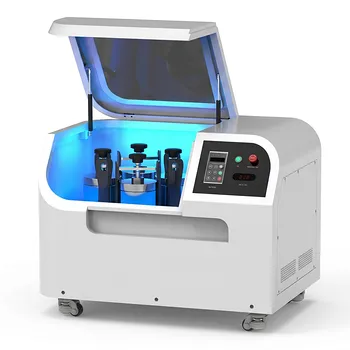
Planetary Ball Mill 12L
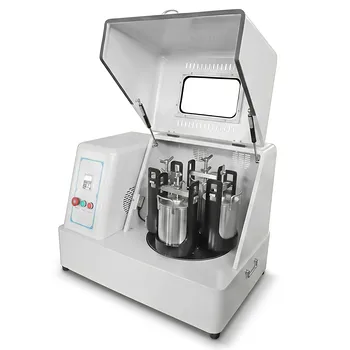
Vertical Square Planetary Ball Mill for Laboratory Sample Preparation and Nanoscale Grinding
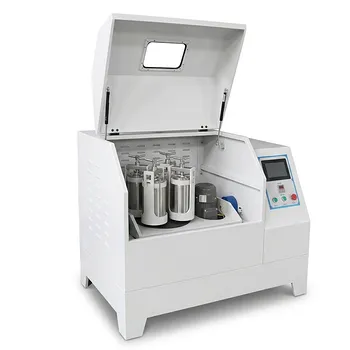
360° Rotating Omnidirectional Laboratory Planetary Ball Mill for Homogeneous Ultra-Fine Grinding and Mixing
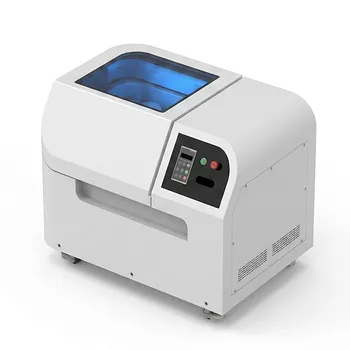
8L Planetary Ball Mill for Laboratory Grinding and Sample Preparation
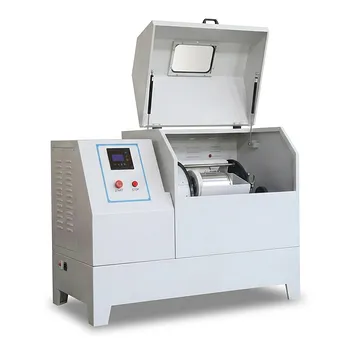
Heavy Duty Horizontal Planetary Ball Mill for Efficient Industrial Grinding and Sample Preparation
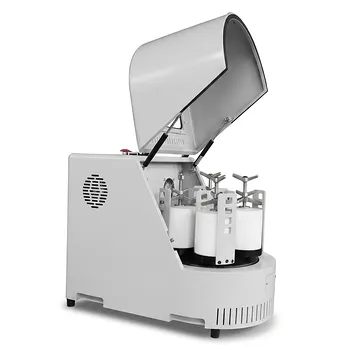
Vertical Semi Circular Planetary Ball Mill for Laboratory Precision Grinding

High Energy Omnidirectional Planetary Ball Mill 16L
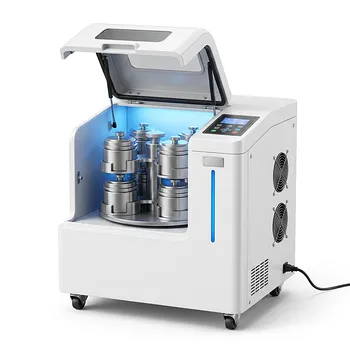
High Energy Omnidirectional Planetary Ball Mill 20L
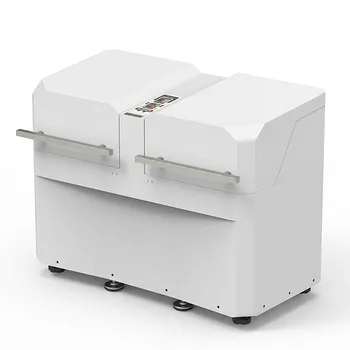
Dual Station Planetary Ball Mill 24L
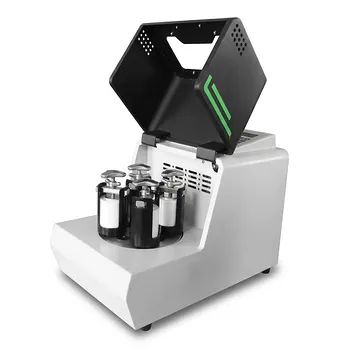
Miniature Planetary Ball Mill with Vacuum Grinding and High Efficiency for Laboratory Sample Preparation
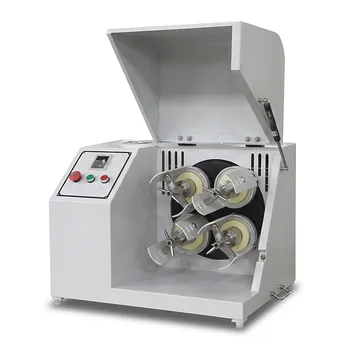
Horizontal Light Duty Planetary Ball Mill for Laboratory Sample Preparation

Vertical Production Planetary Ball Mill for High Throughput Powder Processing

High Energy Planetary Ball Mill for Nano Scale Grinding and Mechanical Alloying
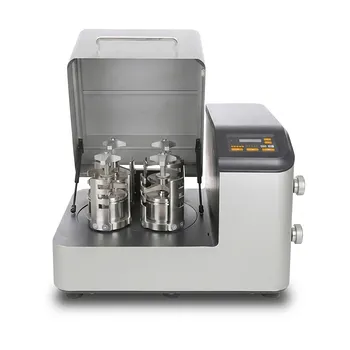
High Energy Planetary Ball Mill for Nano Scale Grinding and Colloidal Mixing in Material Science Research
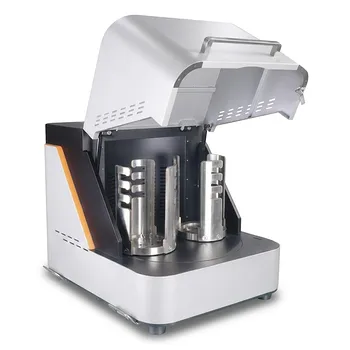
High Energy Laboratory Planetary Ball Mill for Nano Grinding and Colloidal Mixing of Hard and Brittle Materials
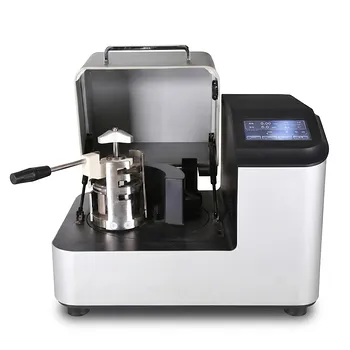
High Energy Laboratory Planetary Ball Mill for Nano Grinding and Material Science Sample Preparation
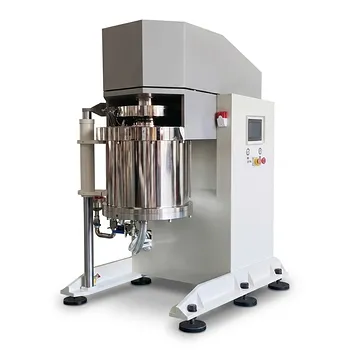
Vertical Nano Bead Mill for Ceramic Materials with Permanent Magnet Motor and High Efficiency Grinding
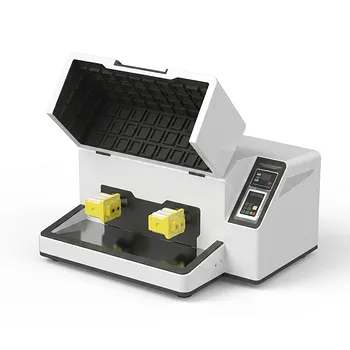
Multi-Platform Nanoscale High-Energy Vibratory Ball Mill
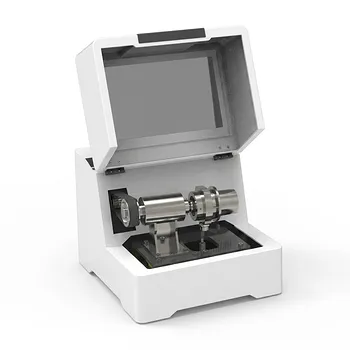
Single Tank High Energy Vibratory Ball Mill for Laboratory Grinding and Mixing