What is the role of mechanical crushing and milling equipment in the initial preparation of brown coal samples? Key Steps.
Updated 4 months ago
Mechanical crushing and milling equipment are used to systematically reduce bulk raw brown coal into a standardized laboratory format, typically decreasing particle size from large irregular masses to 1.3 cm and finally to a fine 210-micron sieve grade. This multi-stage process increases the specific surface area of the coal, which is a fundamental prerequisite for ensuring that subsequent chemical analyses—such as moisture, ash, and volatile matter determination—are both accurate and representative of the entire coal source.
The core role of crushing and milling equipment is to transform heterogeneous bulk coal into a homogeneous powder that permits complete chemical reactivity. This process eliminates systematic sampling errors and establishes the physical foundation necessary for reliable industrial analysis.
The Process of Multi-Stage Size Reduction
Primary Crushing: Bulk to Intermediate Size
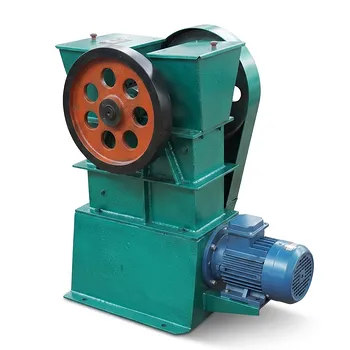
Industrial-grade equipment like jaw and roll crushers are utilized to perform the initial breakdown of raw coal outcrop samples. This stage reduces large, irregular bulk material to a uniform laboratory specification, typically around 1.3 cm (13 mm).
By converting raw overburden and large coal chunks into a granular state, the equipment makes the material manageable for further sampling stages. This initial reduction is critical for maintaining the overall representativeness of the sample before it is divided for specific tests.
Fine Milling: Achieving Analytical Precision
Once the coal reaches an intermediate size, fine milling equipment is used to grind the material until it can pass through a 210-micron fine sieve. This second stage of comminution uses mechanical force to break down the coal’s complex physical structure into a micron-scale powder.
This standardized "dust form" is essential for laboratory environments, as it allows the sample to be easily handled and measured. Achieving this specific grain size distribution is a necessary prerequisite for any downstream geophysical or chemical property testing.
Impact on Analytical Accuracy and Reactivity
Maximizing Specific Surface Area
The transition from bulk coal to fine powder significantly increases the specific surface area of the sample. In brown coal, a higher surface area allows for more efficient interaction between the coal particles and the reagents or heat used during testing.
Increased surface area ensures complete chemical reactions during industrial analyses, such as determining moisture or ash content. Without this refinement, the core of larger particles might remain unreacted, leading to significant data inaccuracies.
Eliminating Systematic Deviations
Mechanical preparation systems use crushing and division equipment in tandem to reduce sample mass while maintaining uniformity. By strictly controlling the crushed particle size and mixing frequency, these machines eliminate bias in the sampling process.
This ensures that the small-scale sample used in the laboratory remains highly representative of the original bulk material. Without standardized mechanical reduction, laboratory results would reflect only a localized portion of the coal rather than the entire deposit.
Understanding the Trade-offs and Pitfalls
Moisture Loss and Heat Generation
Mechanical milling generates significant frictional heat, which can inadvertently drive off inherent moisture in brown coal. Since moisture determination is a primary goal of coal analysis, excessive grinding or high-speed milling can lead to results that do not reflect the coal's true state.
Equipment Wear and Contamination
The abrasive nature of coal and associated mineral matter can cause wear on the metal surfaces of crushers and mills. This wear can introduce trace metal contaminants into the coal sample, potentially skewing ash content results or mineralogical analysis.
Over-Grinding and Dust Control
While fine particles are necessary, "over-grinding" can create ultra-fine dust that is difficult to recover and poses a respiratory hazard. Loss of these fine particles during the preparation process can result in a sample that is no longer representative of the original material's composition.
How to Apply This to Your Project
Understanding the requirements of your final analysis is key to choosing the right preparation protocol.
- If your primary focus is Chemical Composition (Ash/Volatile Matter): Prioritize fine milling to a 210-micron sieve to ensure complete reactivity and sample homogeneity.
- If your primary focus is Moisture Content Analysis: Use slower-speed crushing equipment and minimize processing time to prevent frictional heat from altering the sample's natural moisture.
- If your primary focus is Large-Scale Handling/Sieving Tests: Stop at the primary crushing stage (1.3 cm) to maintain the physical integrity needed for granular flow and geophysical property testing.
Proper mechanical preparation is the single most important step in ensuring that your laboratory data accurately reflects the reality of your coal resources.
Summary Table:
| Preparation Stage | Equipment Type | Target Particle Size | Primary Objective |
|---|---|---|---|
| Primary Crushing | Jaw & Roll Crushers | ~1.3 cm (13 mm) | Bulk reduction & sample representativeness |
| Fine Milling | Mills (Planetary/Disc) | 210-micron sieve | Homogenization & maximizing surface area |
| Final Analysis | Sieve Shakers | Standardized Mesh | Precise chemical and industrial reactivity |
Optimize Your Coal Analysis with Precision Sample Prep
At [Brand Name], we provide complete laboratory sample preparation solutions tailored for material science and industrial testing. Whether you are analyzing brown coal for moisture content or chemical purity, our equipment ensures high representativeness and minimal systematic error.
Our Specialized Product Range Includes:
- Size Reduction: Heavy-duty Jaw/Roll Crushers and high-efficiency Mills (Planetary Ball, Jet, Disc, and Rotor).
- Fine Processing: Liquid Nitrogen Cryogenic Grinders for heat-sensitive samples.
- Classification: Vibratory and Air-Jet Sieve Shakers with high-precision test sieves.
- Compaction & Pelleting: A full spectrum of Hydraulic Presses, including Cold/Warm Isostatic Presses (CIP/WIP), XRF Pellet Presses, and Vacuum Hot Presses.
- Mixing: Advanced Powder and Defoaming Mixers for perfect homogeneity.
Don't let preparation errors compromise your data. Contact our technical experts today to find the ideal crushing and milling solution for your laboratory requirements!
References
- Ogechukwu Onyemesili, Mmesomma Janefrancis Adoro. Geochemistry and Industrial Applications of Brown Coals of the Ogwashi-Asaba Formation in Parts of Anambra State, Nigeria. DOI: 10.7176/jnsr/12-12-03
Mentioned Products
- Laboratory Sealed Hammer Crushers for Coal Sample Preparation and Medium Strength Material Crushing
- Customized Sealed Laboratory Hammer Crusher for Coal and Medium Hardness Sample Preparation
- Laboratory Hammer Mill for Coal Quality Analysis and Brittle Mineral Grinding
- Sealed Hammer Crusher for Laboratory Coal Sample Preparation Adjustable Output Size
- Laboratory Sealed Hammer Crusher for Coal and Mineral Sample Preparation
People Also Ask
- What is the primary role of laboratory crushers in the recycling process of inorganic old sand? Essential for Sand Reuse
- What is the primary function of laboratory-scale crushers in the pre-treatment stage of iron ore bio-dephosphorization?
- Lab Crusher's Role in Banana Stem Cellulose Extraction? Enhance Your Raw Material Preparation Now
- What role does a laboratory hammer mill play in composite powder prep? Precision Grinding for Uniform Blending.
- What role does a laboratory hammer mill play in bio-based particleboard prep? Optimize Feedstock for Better Bonding

Tech Team · PowderPreparation
Last updated on May 14, 2026
Related Products
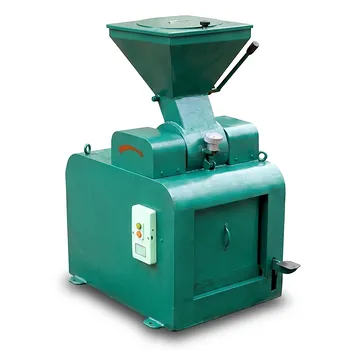
Laboratory Sealed Hammer Crushers for Coal Sample Preparation and Medium Strength Material Crushing
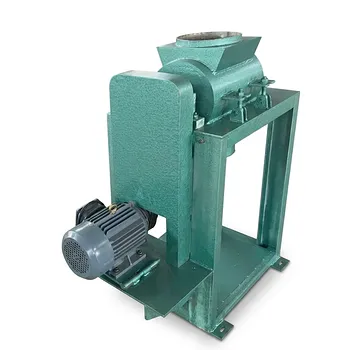
Customized Sealed Laboratory Hammer Crusher for Coal and Medium Hardness Sample Preparation
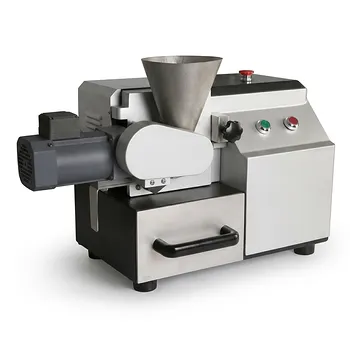
Laboratory Hammer Mill for Coal Quality Analysis and Brittle Mineral Grinding
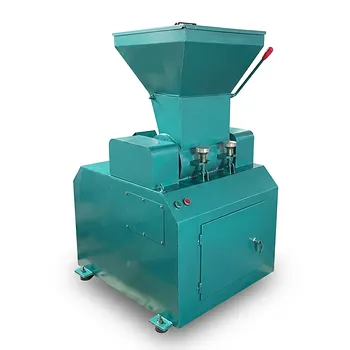
Sealed Hammer Crusher for Laboratory Coal Sample Preparation Adjustable Output Size
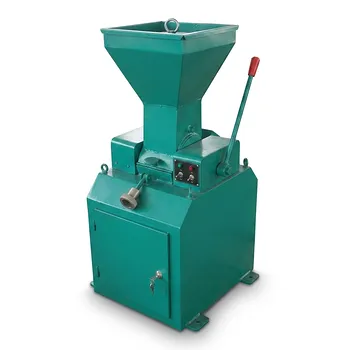
Laboratory Sealed Hammer Crusher for Coal and Mineral Sample Preparation
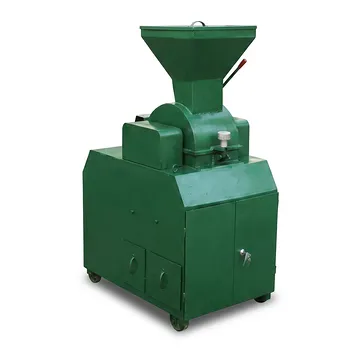
Industrial Sealed Hammer Knife Crusher for Mining Ore and Coal Sample Preparation
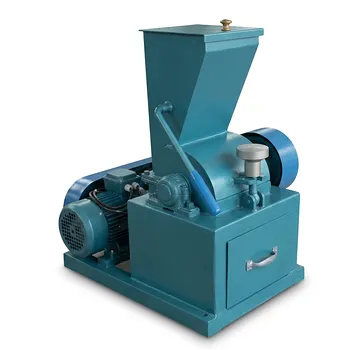
Small Hammer Crusher for Brittle Material Crushing in Mining Metallurgy and Lab Sample Preparation
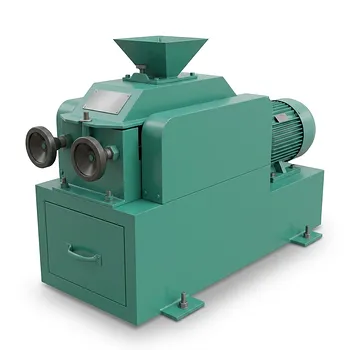
Horizontal Double Roll Crusher for Medium Fine Crushing of Coal Limestone and Ores
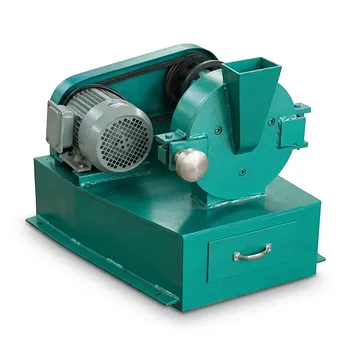
Medium Hardness Material Disc Pulverizer for Coal Ore Sample Preparation
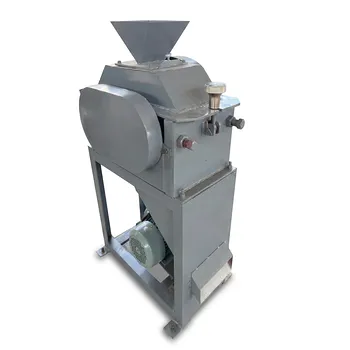
Sealed Double Roll Crusher for Laboratory Coal and Ore Sample Preparation
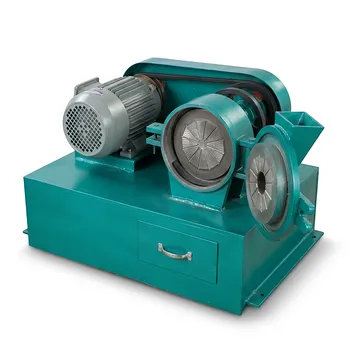
Laboratory Disc Pulverizer for Coal Coke Ore and Medium Hard Materials Sample Preparation
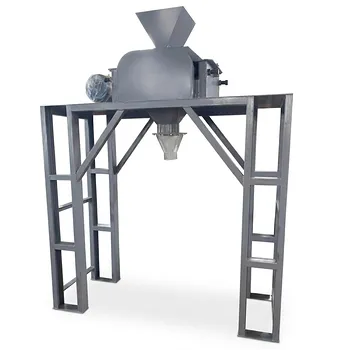
Heightened Customized Laboratory Double Roll Crusher for Coal Ore Rock Crushing
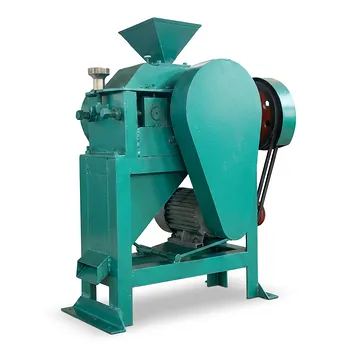
Laboratory Sealed Double Roll Crusher for Coal Ore Rock and Medium Hardness Materials Sample Preparation
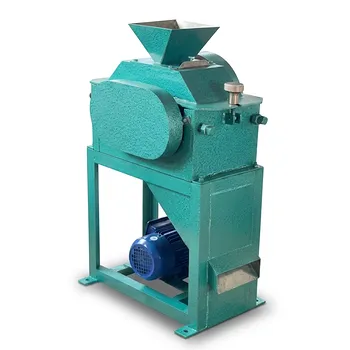
Laboratory Double Roll Crusher for Medium Hardness Materials Coal Ore Sample Preparation
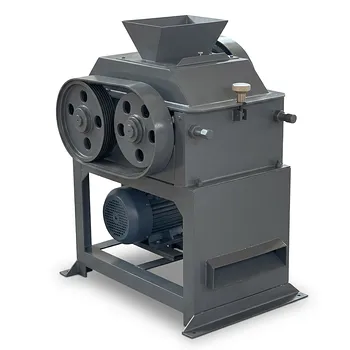
Sealed Laboratory Double Roll Crusher for Coal, Mineral, Ore Sample Preparation
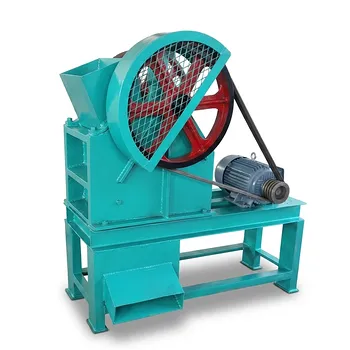
150x250mm Custom Laboratory Jaw Crusher for Coal Ore Mineral Crushing
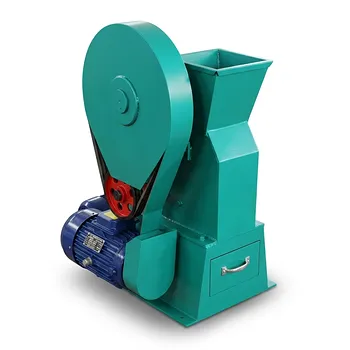
Small Laboratory Jaw Crusher 125x100mm Feed Opening for Sample Preparation
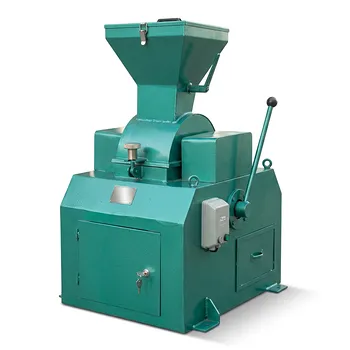
Laboratory Sealed Hammer Blade Crusher Divider for High Hardness Sample Preparation
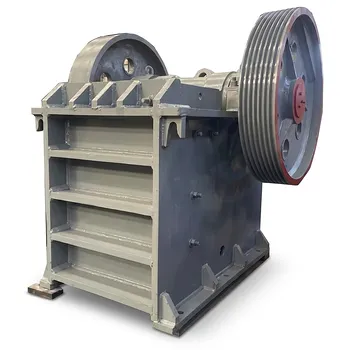
Heavy-Duty Jaw Crusher for Medium-Hard Ore and Industrial Mineral Crushing