What is the role of mechanical crushing and grinding equipment in the preparation of SMZ? Boost Adsorption Efficiency
Updated 4 months ago
Mechanical crushing and grinding equipment are the essential first step in preparing Surfactant-Modified Zeolite (SMZ), as they transform raw, bulk natural zeolite ore into a high-reactivity powder. This physical processing is required to increase the specific surface area and expose the internal crystalline pores and active mineral phases, such as clinoptilolite and mordenite. By reducing the particle size to a specific fineness, the equipment ensures there are sufficient active sites available for the subsequent ion exchange and surfactant loading that define SMZ performance.
The core role of mechanical processing is to unlock the chemical potential of natural zeolite by maximizing its available surface area. Without this initial refinement, the surfactant modification would remain superficial, resulting in a material with significantly lower adsorption capacity and inconsistent chemical properties.
Maximizing Surface Area for Chemical Interaction
Increasing Specific Surface Area
Mechanical grinding uses physical impact and abrasion to break down bulk ore into fine particles, often reaching a 100-mesh fineness or smaller. This process exponentially increases the specific surface area, providing a much larger "canvas" for surfactants to attach to the zeolite structure.
Exposing Internal Active Sites
Natural zeolite contains internal crystalline pores and active sites that are often "locked" inside large ore chunks. Grinding liberates these sites, ensuring that the internal mineral phases are fully accessible for chemical modification.
Enhancing Adsorption Rates
By reducing the particle size, the distance ions must travel to reach an active site is shortened. This directly improves the adsorption rate and the total removal capacity for contaminants, such as heavy metals or organic pollutants, in aqueous solutions.
Optimizing the Modification Process
Facilitating Uniform Ion Exchange
A consistent, fine powder allows for more uniform contact between the zeolite and the chemical precursors used during modification. This ensures that the ion exchange process occurs evenly throughout the entire batch of material rather than just on the surface of large grains.
Ensuring Surfactant Loading Consistency
The effectiveness of SMZ depends on the precise loading of surfactants onto the zeolite surface. Mechanical refinement allows the surfactant molecules to penetrate the material more uniformly, preventing clumping and ensuring a stable, high-quality modified product.
Achieving Mineral Liberation
In many natural deposits, the target zeolite is encapsulated within less reactive gangue minerals. High-energy pulverizers help achieve mineral liberation, releasing the active zeolite from the surrounding rock to ensure the final modified product is as pure and effective as possible.
Understanding the Trade-offs and Pitfalls
Energy Consumption vs. Material Gain
While finer particles generally offer better reactivity, the energy cost of grinding increases significantly as particle size decreases. Engineers must find the "sweet spot" where the performance gains of the SMZ justify the electrical and mechanical costs of the milling process.
Risk of Particle Agglomeration
Over-grinding can sometimes lead to agglomeration, where extremely fine particles begin to stick together due to electrostatic forces. This can effectively reduce the surface area you worked so hard to create, making the subsequent surfactant loading less efficient.
Thermal Degradation During Grinding
High-energy milling can generate significant heat, which may alter the crystalline structure of sensitive zeolites. If the temperature is not managed, the zeolite may lose its structural integrity, reducing its ability to host surfactant molecules effectively.
How to Apply This to Your SMZ Preparation
Selecting the right mechanical processing strategy depends on your specific performance requirements and resource constraints.
- If your primary focus is Maximum Adsorption Capacity: Utilize high-energy pulverizers to achieve the finest possible particle size (e.g., 63 to 100 μm) to maximize available active sites.
- If your primary focus is Cost-Efficiency: Aim for a standard industrial-grade mesh size (such as 100-mesh) using a ball mill, which balances increased reactivity with manageable energy expenditures.
- If your primary focus is Material Uniformity: Employ multi-stage crushing and standardized sieving to ensure a narrow particle size distribution, which leads to more predictable surfactant loading.
By viewing mechanical processing as a prerequisite for chemical reactivity, you can ensure your Surfactant-Modified Zeolite reaches its full potential as a high-performance adsorbent.
Summary Table:
| Role | Benefit for SMZ Quality | Key Consideration |
|---|---|---|
| Surface Area Expansion | Exponentially increases sites for surfactant loading | High energy costs for fine grinding |
| Mineral Liberation | Frees active clinoptilolite from surrounding rock | Risk of crystalline structure damage |
| Particle Refinement | Ensures uniform ion exchange and adsorption rates | Potential for particle agglomeration |
| Consistency Control | Leads to predictable chemical performance | Requires precise sieve monitoring |
Optimize Your SMZ Preparation with Professional Material Solutions
Maximize the adsorption capacity and reactivity of your zeolite with our comprehensive laboratory sample preparation solutions. We specialize in high-precision equipment designed to unlock the full potential of your materials, ensuring consistent particle size and mineral liberation.
Our extensive range includes everything you need for high-performance powder processing:
- Mechanical Refinement: High-energy jaw and roll crushers, planetary ball mills, and jet mills.
- Size Control: Vibratory and air-jet sieve shakers with various test meshes for precise distribution.
- Advanced Compaction: A full spectrum of hydraulic presses, including Cold/Warm Isostatic Presses (CIP/WIP), vacuum hot presses, and XRF pellet presses.
- Mixing Excellence: Powder mixers and defoaming mixers to ensure uniform surfactant loading.
Whether you are a researcher or a distributor, we provide the tools and OEM/ODM support needed to achieve superior material properties. Contact us today to find the perfect solution for your lab!
References
- A H Mahvi, Soudabeh Pourfadakar. Sodium Dodecyl Sulfate Modified-Zeolite as a Promising Adsorbent for the Removal of Natural Organic Matter From Aqueous Environments. DOI: 10.17795/jhealthscope-29966
Mentioned Products
- High Energy Planetary Ball Mill for Nano Scale Grinding and Mechanical Alloying
- Heavy Duty Horizontal Planetary Ball Mill for Efficient Industrial Grinding and Sample Preparation
- Small High-Speed Laboratory Grinder for Powder Processing
- Cross Beater Mill for Brittle Material Grinding and Continuous Fine Crushing Industrial Sample Preparation
- Multifunctional High Efficiency High Speed Laboratory Grinder
People Also Ask
- Why is a high-energy planetary ball mill used for nano-milling As4Se3? Achieve Expert Structural Transformation
- What role do high-energy planetary ball mills play in FDM composite filament preparation? Optimize Material Performance
- What is the role of a high-energy planetary ball mill in the exfoliation of modified WSe2? Achieve Nano-Precision
- What is the function of a planetary ball mill in glass-ceramic sintering? Optimize Reactivity and Uniformity
- What is the role of a high-energy planetary ball mill in the preparation of high-performance nano-ceramics? Key Guide

Tech Team · PowderPreparation
Last updated on May 14, 2026
Related Products
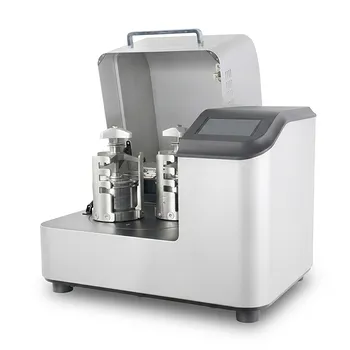
High Energy Planetary Ball Mill for Nano Scale Grinding and Mechanical Alloying
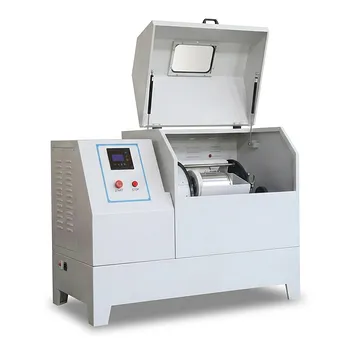
Heavy Duty Horizontal Planetary Ball Mill for Efficient Industrial Grinding and Sample Preparation
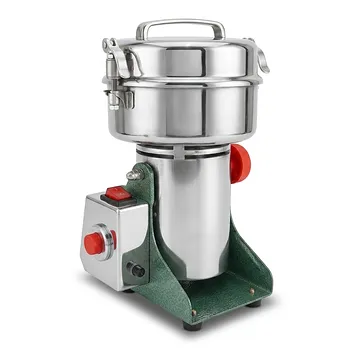
Small High-Speed Laboratory Grinder for Powder Processing
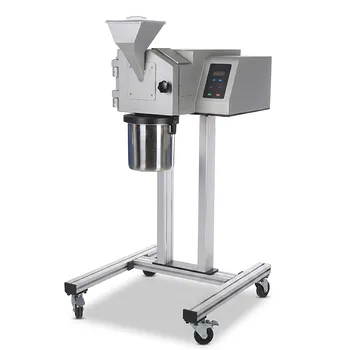
Cross Beater Mill for Brittle Material Grinding and Continuous Fine Crushing Industrial Sample Preparation
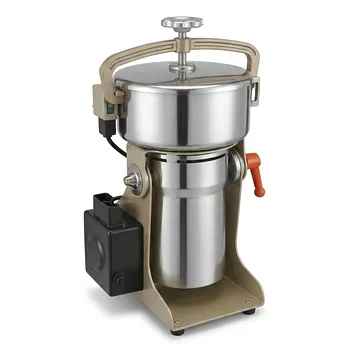
Multifunctional High Efficiency High Speed Laboratory Grinder
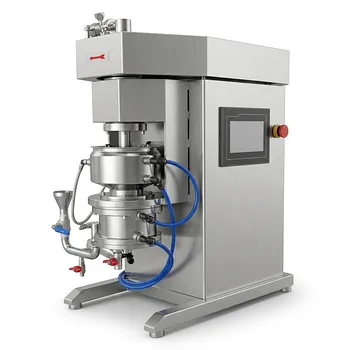
Small Ceramic Structure Laboratory Sand Mill Nanoscale Grinding Dispersion Equipment Seal-less Screen-less Design
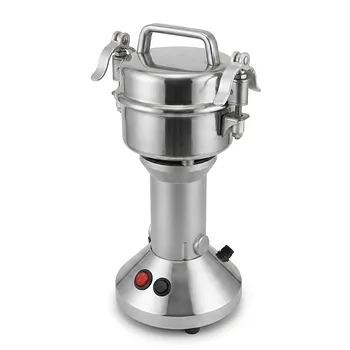
Continuous Feeding Grinding Mill for Dry Fibrous Tough and Hard Materials in Laboratory and Small Production
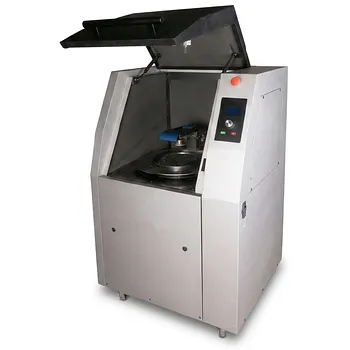
High Speed Vibratory Disc Mill for Spectral Analysis Sample Preparation and Rapid Powder Grinding
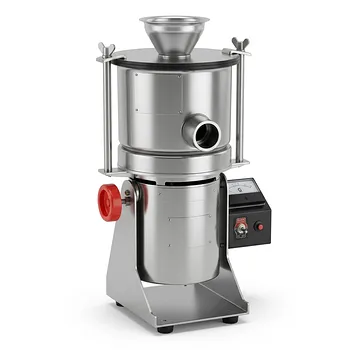
Laboratory Ultrafine Impact and Airflow Grinder for Precise Particle Size Control
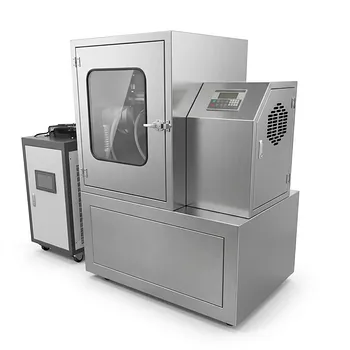
Vibratory Superfine Grinder for Ultra Fine Laboratory Powder Milling
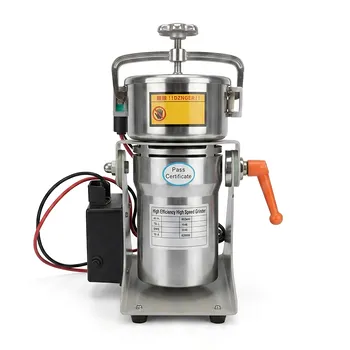
High Efficiency High Speed Grinder Laboratory Mill 1300W 25000rpm
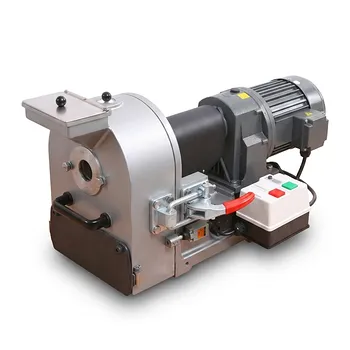
Laboratory Disc Mill for Fine Sample Preparation of Hard and Brittle Materials
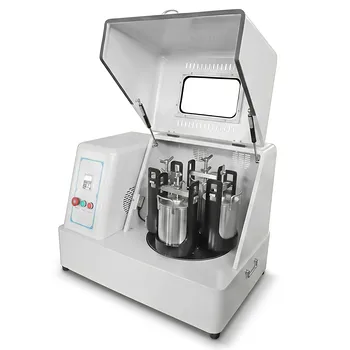
Vertical Square Planetary Ball Mill for Laboratory Sample Preparation and Nanoscale Grinding
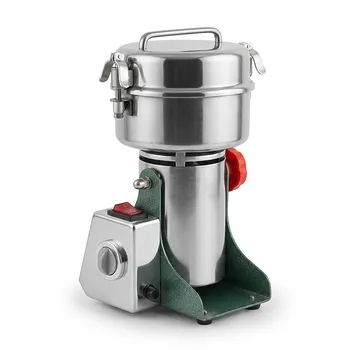
Small High-Speed Swing Grinder for Laboratory Sample Preparation
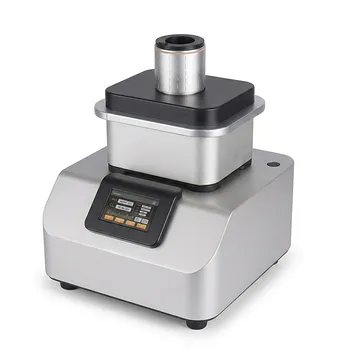
Ultra Centrifugal Mill High Speed Laboratory Grinder for Fibrous and Brittle Sample Preparation
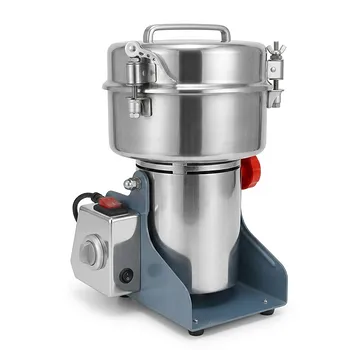
Small High-Speed Grinder for Efficient Laboratory Sample Preparation
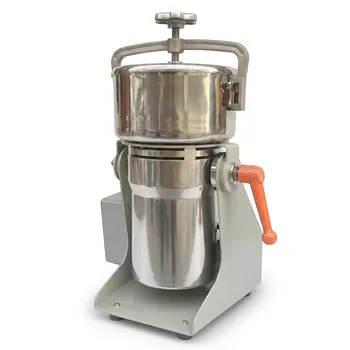
High Speed Laboratory Grinder Efficient Stainless Steel Powder Pulverizer Universal Material Science Mill for Sample Preparation
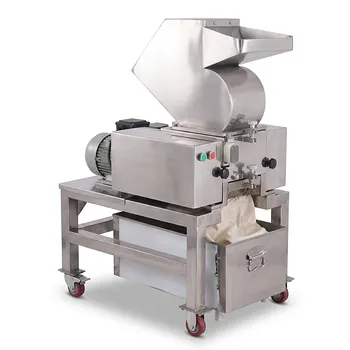
Stainless Steel Coarse Crusher for Pharmaceutical Food and Plastic Material Processing
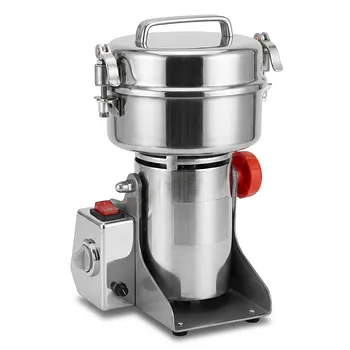
High Speed Laboratory Powder Grinder Small Batch Sample Preparation Mill