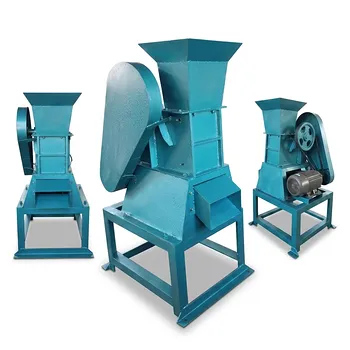
What is the role of jaw or hammer crushers in LC3 raw material preparation? Optimize size reduction and calcination.
Updated 4 months ago
Jaw and hammer crushers serve as the foundational mechanical stage in LC3 production, reducing bulk raw materials like limestone, clay, and gypsum into a manageable feed size. These machines bridge the gap between raw extracted ore and fine grinding circuits by transforming irregular blocks into a uniform particle size, typically below 2.36 mm. This pre-treatment is essential for stabilizing the production line and ensuring the chemical reactivity of the final cementitious product.
The primary role of these crushers is to provide a standardized, small-diameter feed that optimizes the efficiency of downstream grinding and calcination. By performing the heavy lifting of initial size reduction, they protect expensive precision equipment from impact damage while ensuring consistent thermal performance during clay activation.
The Strategic Function of Primary Crushing
Size Reduction for Downstream Efficiency
Jaw and hammer crushers are utilized to break down coarse materials such as bentonite, limestone, and gypsum. By reducing these materials to a uniform size (often cited at less than 2.36 mm), the workload on secondary fine-grinding mills is significantly decreased. This mechanical advantage translates directly into lower energy consumption for the overall plant.
Equipment Protection and Maintenance
Large, irregular material blocks can cause significant mechanical stress or catastrophic failure in precision grinding equipment like ball mills or High-Pressure Grinding Rolls (HPGR). Using a robust jaw crusher as a "buffer" ensures that only suitably sized particles enter the more sensitive stages of the process. This practice extends the operational lifespan of the entire production line.
Material Consistency and Homogenization
In the preparation of raw clay minerals and industrial waste like coal gangue, crushers ensure material consistency. By reducing sun-dried bulk ore into smaller, regular lumps, the system can achieve a more uniform mixing of the LC3 components. This consistency is vital for maintaining the strict chemical ratios required for high-quality cement.
Enhancing Material Properties for LC3
Impact on Calcination and Heat Transfer
The size reduction achieved by jaw crushers is critical for the calcination of clay. Smaller, uniform particles provide a higher specific surface area, which ensures consistent heat conduction throughout the material during thermal treatment. This prevents under-calcining or over-calcining, leading to more reactive metakaolin.
Preparation for Laboratory and Standards Testing
In a research or quality control setting, laboratory-grade jaw crushers are used to ensure samples meet international testing standards (such as ASTM or AASHTO). By crushing field samples into specific grain size ranges, technicians can perform standardized physical analysis. This ensures that laboratory results are scalable to industrial-sized LC3 production.
Specific Surface Area and Plasticity
For raw ceramic or calcined clays, mechanical crushing increases the specific surface area of the particles. This foundation is necessary for subsequent screening and ensures uniform moisture distribution in later stages of material preparation. Proper crushing is the first step in achieving the desired plastic mass for processing.
Understanding the Trade-offs
Mechanical Wear and Abrasiveness
While effective, crushers are subject to intense mechanical wear, especially when processing abrasive materials like high-silica limestone or hard coal gangue. Operators must balance the "closed-side setting" of the crusher to achieve the desired fineness without causing premature fatigue of the jaw plates or hammer heads.
Dust Management and Fines Generation
The aggressive nature of jaw and hammer crushing inevitably generates fines and dust. If not managed through proper ventilation or moisture control (as seen in sun-dried clay processing), this can lead to material loss and environmental hazards. Finding the optimal feed rate is key to minimizing these secondary issues.
How to Apply This to Your Project
Making the Right Choice for Your Goal
- If your primary focus is maximizing grinding circuit lifespan: Prioritize a jaw crusher with a strict discharge setting to ensure no oversized "tramp" material reaches your fine-grinding mills.
- If your primary focus is optimizing calcination quality: Focus on achieving a narrow particle size distribution to ensure even heat penetration and prevent localized sintering of the clay.
- If your primary focus is processing industrial waste (like coal gangue): Utilize high-pressure jaw crushers specifically designed for high compressive strength to break down dense waste blocks efficiently.
Effective primary crushing is the most cost-efficient way to ensure the chemical stability and mechanical integrity of Limestone Calcined Clay Cement.
Summary Table:
| Key Function | Role in LC3 Preparation | Operational Benefit |
|---|---|---|
| Primary Crushing | Reduces bulk limestone, clay, and gypsum to <2.36 mm | Minimizes energy load on fine-grinding mills |
| Equipment Protection | Acts as a buffer for precision mills and HPGRs | Extends the lifespan of expensive downstream machinery |
| Material Homogenization | Ensures consistent mixing ratios of raw components | Guarantees high-quality, uniform cementitious properties |
| Thermal Optimization | Increases surface area for clay calcination | Prevents under/over-calcining for better reactivity |
| Quality Control | Prepares standardized samples for ASTM/AASHTO testing | Ensures lab results are scalable to industrial production |
Elevate Your LC3 Research and Production
Precise sample preparation is the foundation of high-performance Limestone Calcined Clay Cement. At our facility, we provide complete laboratory sample preparation solutions for material science, specializing in high-durability powder processing and compaction equipment.
Whether you are scaling up industrial waste processing or conducting standardized lab tests, our extensive line of equipment is designed to meet your exact specifications:
- Size Reduction: Heavy-duty jaw and roll crushers, liquid nitrogen cryogenic grinders, and high-efficiency mills (planetary ball, jet, sand/bead, disc, rotor).
- Sieving & Mixing: Vibratory and air-jet sieve shakers with precision meshes, alongside advanced powder and defoaming mixers.
- Compaction & Pressing: A full spectrum of hydraulic presses, including Cold/Warm Isostatic Presses (CIP/WIP), XRF pellet presses, and vacuum hot presses.
Ready to optimize your material consistency and reactivity? Contact our technical team today to find the perfect equipment solution for your laboratory or pilot plant.
References
- Munib Ul Rehman, Will P. Gates. Differences in hydration kinetics and phase development of Australian bentonite and kaolinite based limestone calcined clay cements. DOI: 10.1617/s11527-025-02743-5
Mentioned Products
- Heavy Duty Industrial Jaw Crusher for Primary Ore Crushing and High Capacity Mineral Material Size Reduction
- Heavy-Duty Jaw Crusher for Medium-Hard Ore and Industrial Mineral Crushing
- 250x400 Jaw Crusher for Primary Crushing of Ores and Bulk Materials
- Heavy Duty Industrial Laboratory Jaw Crusher for Primary Sample Preparation and Hard Material Size Reduction
- Horizontal Jaw Crusher Medium Hard Material Crushing Laboratory Sample Preparation Equipment
People Also Ask
- What role does an industrial jaw crusher play in gangue slurry processing? Essential Primary Size Reduction Insights
- What is the function of an industrial jaw crusher in the primary processing of ironstone? Key to Efficient Reduction
- What is the role of industrial crushers and standard test sieves in biomass pyrolysis? Optimize Heat Transfer & Yield
- What is the function of a jaw crusher in reservoir sediment geopolymer synthesis? Primary Size Reduction Explained
- What is the role of jaw or roll crushers in the initial processing of copper ore samples? Essential Prep for Analysis

Tech Team · PowderPreparation
Last updated on Jun 03, 2026
Related Products
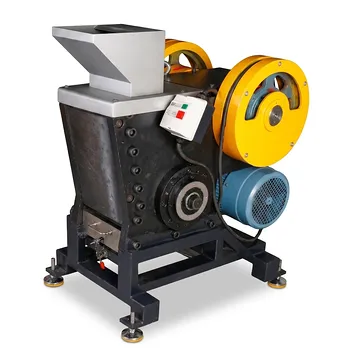
Heavy Duty Industrial Jaw Crusher for Primary Ore Crushing and High Capacity Mineral Material Size Reduction
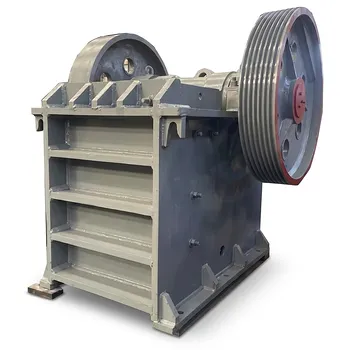
Heavy-Duty Jaw Crusher for Medium-Hard Ore and Industrial Mineral Crushing
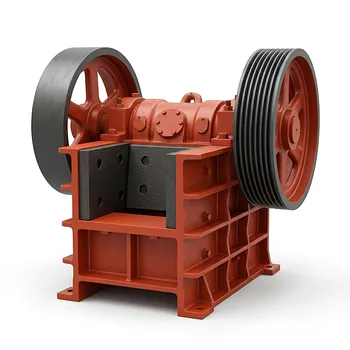
250x400 Jaw Crusher for Primary Crushing of Ores and Bulk Materials
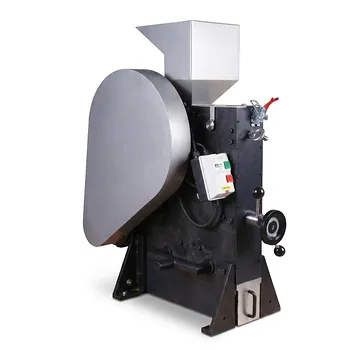
Heavy Duty Industrial Laboratory Jaw Crusher for Primary Sample Preparation and Hard Material Size Reduction
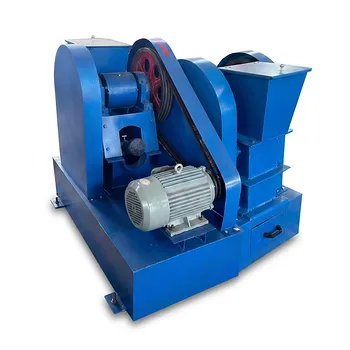
Horizontal Jaw Crusher Medium Hard Material Crushing Laboratory Sample Preparation Equipment
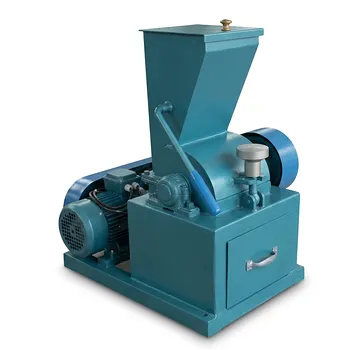
Small Hammer Crusher for Brittle Material Crushing in Mining Metallurgy and Lab Sample Preparation
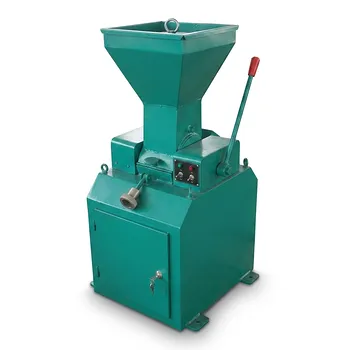
Laboratory Sealed Hammer Crusher for Coal and Mineral Sample Preparation
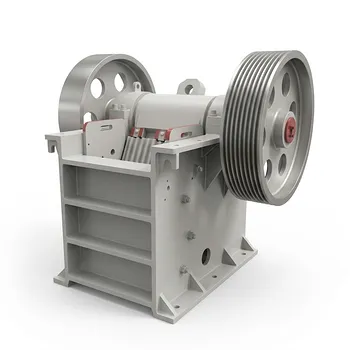
Jaw Crusher with 400x600mm Feed Opening for Primary Rock Crushing in Mining and Construction
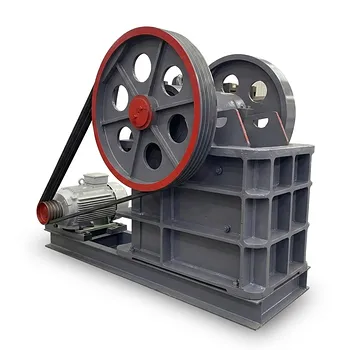
250x400mm Jaw Crusher Medium Crushing Equipment for Mining Mineral Sample Preparation
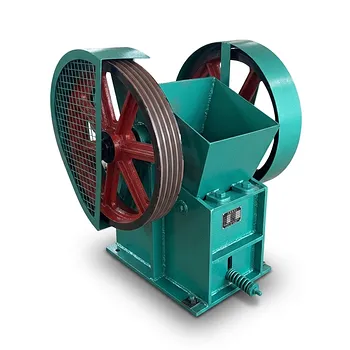
150x250mm Laboratory Jaw Crusher for Medium Hard Material Crushing and Sample Preparation
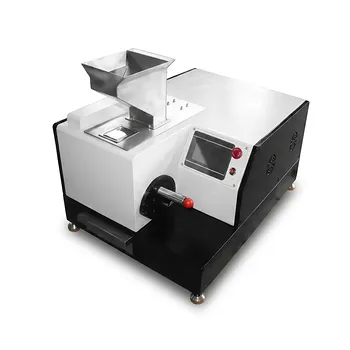
Experimental Jaw Crusher for Laboratory Ore Crushing and Sample Preparation
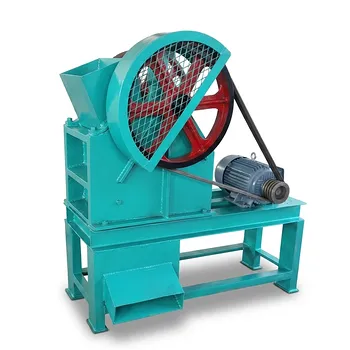
150x250mm Custom Laboratory Jaw Crusher for Coal Ore Mineral Crushing
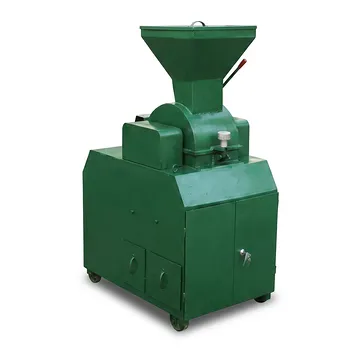
Industrial Sealed Hammer Knife Crusher for Mining Ore and Coal Sample Preparation
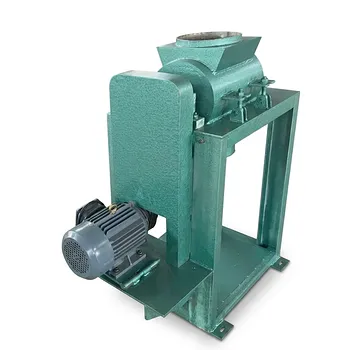
Customized Sealed Laboratory Hammer Crusher for Coal and Medium Hardness Sample Preparation
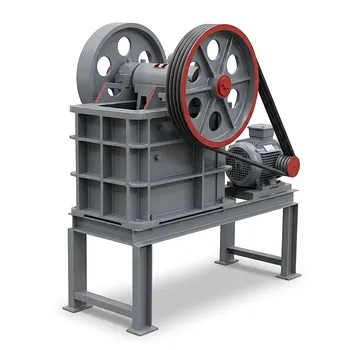
Laboratory Jaw Crusher 200x300mm Opening for Primary Crushing of Ores and Aggregates
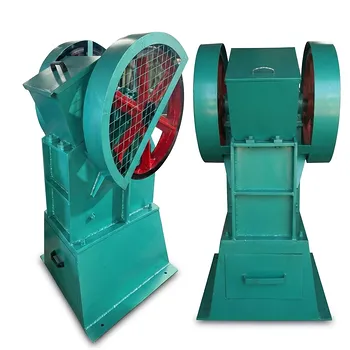
Sealed Jaw Crusher for Laboratory Material Crushing and Sample Preparation
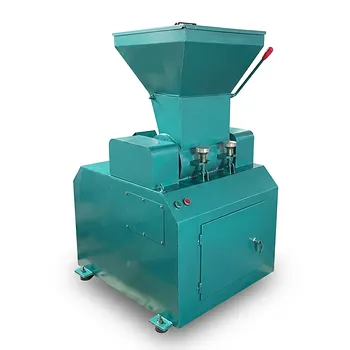
Sealed Hammer Crusher for Laboratory Coal Sample Preparation Adjustable Output Size
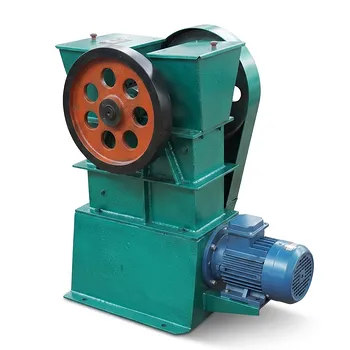
150×125mm Laboratory Jaw Crusher for Medium and Fine Crushing of Brittle Materials
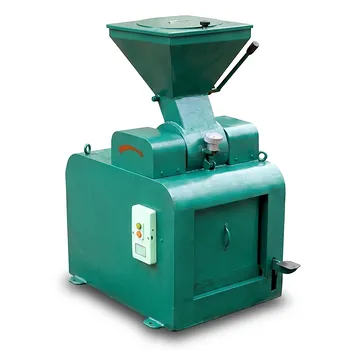
Laboratory Sealed Hammer Crushers for Coal Sample Preparation and Medium Strength Material Crushing