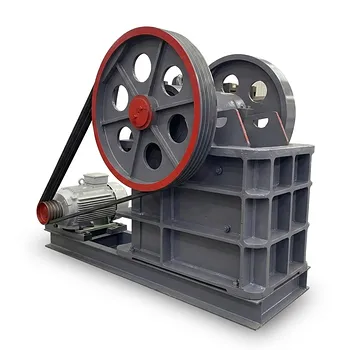
What is the function of an industrial roll crusher in the preparation of yam peel biomass adsorbents? Maximize Surface Area
Updated 4 months ago
The industrial roll crusher is the primary mechanical tool used to shear and compress dried yam shells into a precise particle size range required for adsorbent production. By disrupting the biomass structure and significantly increasing the specific surface area, this equipment ensures that heavy metal ions can effectively reach the active sites within the material during the adsorption process.
Core Takeaway: The roll crusher serves as a critical pretreatment step that transforms raw yam waste into a functional adsorbent by maximizing the available surface area and exposing the internal chemical sites necessary for capturing pollutants.
The Mechanism of Biomass Disruption
Precision Shearing and Compression
The roll crusher operates using two counter-rotating rollers that apply simultaneous compressive and shearing forces to the dried yam peels. This dual-action mechanism is more effective than simple impact crushing for fibrous biomass, as it cleanly reduces the material to a specific experimental range.
Disrupting the Physical Matrix
Agricultural residues like yam shells have a naturally dense and protective physical structure. The roll crusher mechanically breaks down these cellulose and lignin barriers, turning a bulky waste product into a granular material ready for chemical or thermal treatment.
Achieving Particle Uniformity
Maintaining a consistent particle size is essential for ensuring that all samples behave predictably during later stages of preparation. Uniformity prevents issues like clogging in filtration systems or uneven heat distribution during carbonization processes.
Maximizing Adsorption Efficiency
Increasing Specific Surface Area
The primary goal of using a roll crusher is the dramatic expansion of the specific surface area (SSA). Smaller particles offer a much higher ratio of surface area to volume, which is the foundational requirement for any high-performance biomass adsorbent.
Exposure of Active Sites
Heavy metal removal depends on the availability of functional groups and active sites within the biomass. By crushing the material into fine particles, the internal pores and chemical sites that were previously "locked" inside the shell are exposed to the aqueous solution.
Enhancing Ion Contact
When the particle size is reduced, the travel distance for heavy metal ions to reach the interior of the adsorbent is minimized. This leads to faster adsorption kinetics and a more efficient overall purification process when treating contaminated water.
Understanding the Technical Trade-offs
Energy Consumption vs. Particle Size
While finer particles generally offer better adsorption performance, reducing biomass to an extremely fine powder requires significantly more energy. There is a point of diminishing returns where the cost of additional crushing outweighs the marginal gains in adsorption capacity.
Generation of Excessive Fines
Over-processing in a roll crusher can create "fines," or dust-like particles that are too small for certain applications. These fines can lead to pressure drops in fixed-bed columns or make it difficult to separate the adsorbent from the water after the treatment is complete.
Material Heat Sensitivity
Mechanical crushing generates friction, which can lead to localized heat buildup. If the temperature is not managed, it may prematurely degrade some of the volatile organic compounds or sensitive functional groups on the yam peel surface, potentially reducing its chemical activity.
Applying This Process to Your Project
Recommendations Based on Production Goals
To achieve the best results with yam peel biomass, your approach to crushing should align with your specific research or industrial objectives.
- If your primary focus is maximum adsorption capacity: Prioritize a finer grind to maximize the specific surface area and expose the highest possible number of active chemical sites.
- If your primary focus is process scalability and cost: Use a coarser setting on the roll crusher to reduce energy consumption while maintaining a balance between surface area and material throughput.
- If your primary focus is use in flow-through columns: Target a uniform, mid-range particle size (typically 1-3 mm) to ensure high surface area without causing excessive resistance to water flow.
By precisely controlling the mechanical reduction of yam peels, you create the necessary physical foundation for a highly effective and sustainable biomass adsorbent.
Summary Table:
| Process Stage | Mechanism | Key Benefit for Adsorbents |
|---|---|---|
| Mechanical Disruption | Shearing & Compression | Breaks cellulose/lignin barriers in fibrous biomass |
| Surface Area Expansion | Particle Size Reduction | Maximizes Specific Surface Area (SSA) for ion contact |
| Active Site Exposure | Internal Pore Opening | Unlocks functional groups for heavy metal capture |
| Uniformity Control | Precision Roller Gap | Ensures consistent kinetics and prevents system clogging |
Elevate Your Material Research with Precision Processing
At Kindle Tech, we provide complete laboratory sample preparation solutions for material science, specializing in advanced powder processing and compaction equipment. Whether you are developing sustainable biomass adsorbents or high-tech ceramics, our extensive line of industrial roll crushers, jaw crushers, and planetary ball mills is designed to deliver the precise particle uniformity your project demands.
Our solutions go beyond crushing—we offer a full spectrum of equipment including:
- Grinding & Milling: Liquid nitrogen cryogenic grinders, jet mills, and rotor mills.
- Sieving & Mixing: Vibratory sieve shakers, powder mixers, and defoaming mixers.
- Advanced Pressing: Cold/Warm Isostatic Presses (CIP/WIP), vacuum hot presses, and XRF pellet presses.
Ready to optimize your sample preparation workflow? Contact us today to discuss your specific requirements and discover how our equipment can enhance your laboratory's efficiency and research outcomes.
References
- Ángel Villabona-Ortíz, Ciro Botello-Urbiñez. Impact of temperature, bed height, and particle size on Ni(II) removal in a continuous system: Modelling the break curve. DOI: 10.24425/jwld.2022.140397
Mentioned Products
- Versatile Industrial Crusher for Laboratory Crushing and Material Processing
- Horizontal Double Roll Crusher for Medium Fine Crushing of Coal Limestone and Ores
- Precision Toothed Roll Crusher for Laboratory Coal and Mineral Sample Preparation
- Heightened Customized Laboratory Double Roll Crusher for Coal Ore Rock Crushing
- Laboratory Double Roller Crusher for Mining Construction Chemical Sample Preparation
People Also Ask
- What is the purpose of using industrial crushers and vibratory sieve shakers in the pretreatment of coal gangue? Ensure Uniformity
- What is the role of industrial crushers and standard test sieves in biomass pyrolysis? Optimize Heat Transfer & Yield
- What is the function of industrial crushers in the initial preparation of silicate minerals? Enhance Sample Uniformity
- What is the function of an industrial crusher in CRSS filler preparation? Essential Size Reduction for Carbonization
- How do crushers and mills work together in gypsum recycling? Transform drywall waste into reactive ceramic materials.

Tech Team · PowderPreparation
Last updated on Jun 03, 2026
Related Products
Versatile Industrial Crusher for Laboratory Crushing and Material Processing
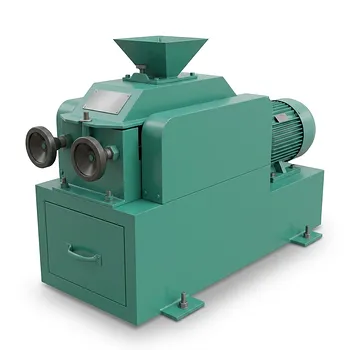
Horizontal Double Roll Crusher for Medium Fine Crushing of Coal Limestone and Ores
Precision Toothed Roll Crusher for Laboratory Coal and Mineral Sample Preparation
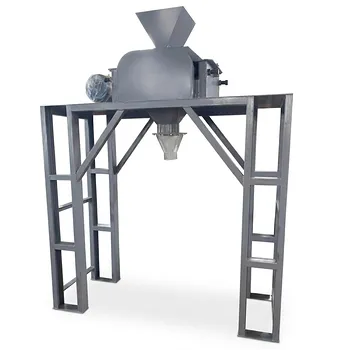
Heightened Customized Laboratory Double Roll Crusher for Coal Ore Rock Crushing
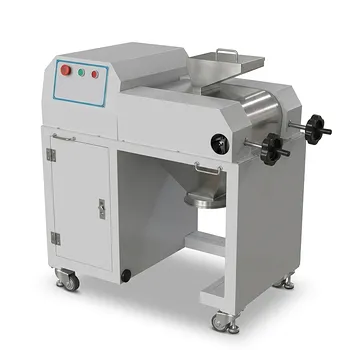
Laboratory Double Roller Crusher for Mining Construction Chemical Sample Preparation
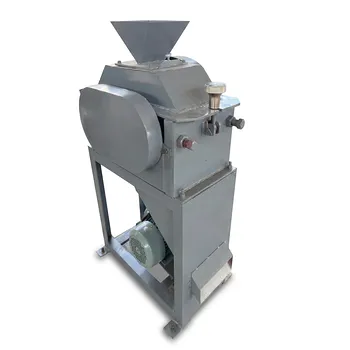
Sealed Double Roll Crusher for Laboratory Coal and Ore Sample Preparation
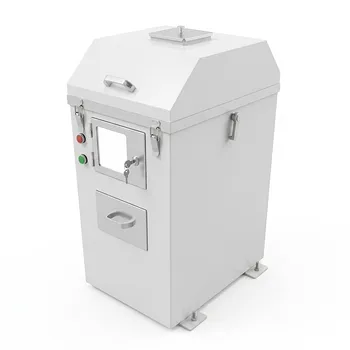
Sealed Double Roll Crusher for Laboratory Sample Preparation of Medium Hardness Materials
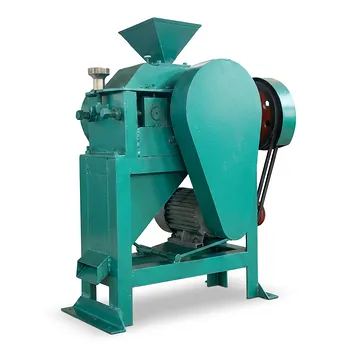
Laboratory Sealed Double Roll Crusher for Coal Ore Rock and Medium Hardness Materials Sample Preparation
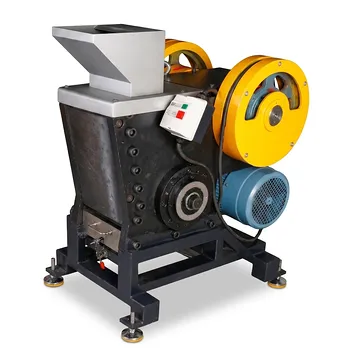
Heavy Duty Industrial Jaw Crusher for Primary Ore Crushing and High Capacity Mineral Material Size Reduction
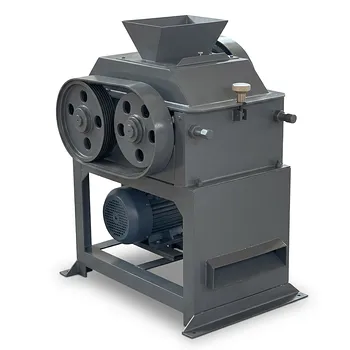
Sealed Laboratory Double Roll Crusher for Coal, Mineral, Ore Sample Preparation
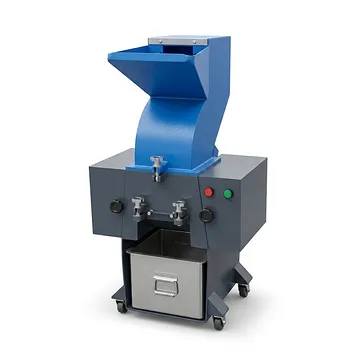
Heavy-Duty Crusher for Laboratory and Industrial Material Size Reduction
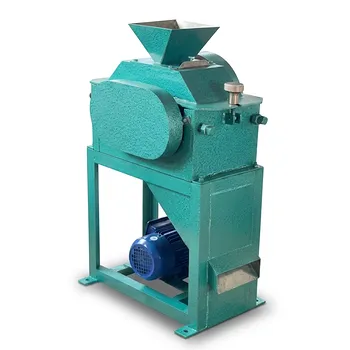
Laboratory Double Roll Crusher for Medium Hardness Materials Coal Ore Sample Preparation
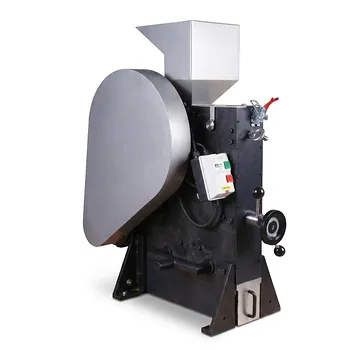
Heavy Duty Industrial Laboratory Jaw Crusher for Primary Sample Preparation and Hard Material Size Reduction
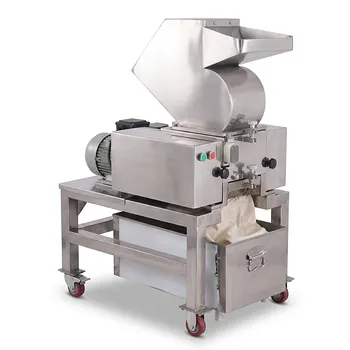
Stainless Steel Coarse Crusher for Pharmaceutical Food and Plastic Material Processing
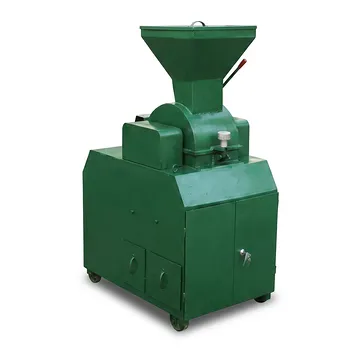
Industrial Sealed Hammer Knife Crusher for Mining Ore and Coal Sample Preparation
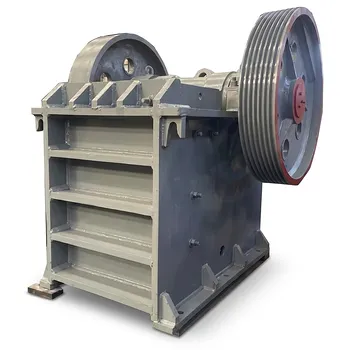
Heavy-Duty Jaw Crusher for Medium-Hard Ore and Industrial Mineral Crushing
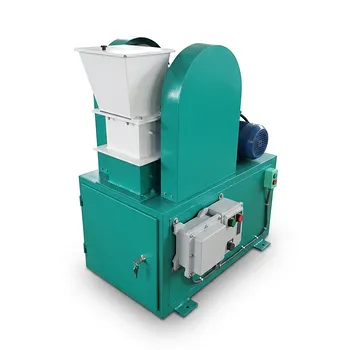
Custom Explosion-Proof Sealed Jaw Crusher for Laboratory and Industrial Sample Preparation
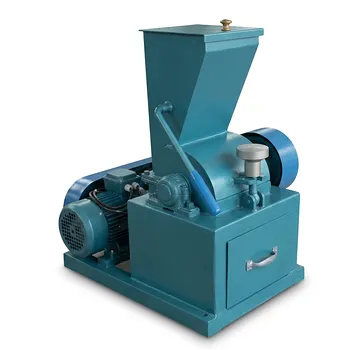
Small Hammer Crusher for Brittle Material Crushing in Mining Metallurgy and Lab Sample Preparation

Heavy Duty Horizontal Planetary Ball Mill for Efficient Industrial Grinding and Sample Preparation