What is the role of industrial crushers and hammer mills in the metal recovery process from waste PCBs? Achieve Liberation
Updated 5 months ago
Industrial crushers and hammer mills function as the primary mechanical pretreatment stage in PCB recycling, utilizing high-energy impact and shear forces to achieve material liberation. By reducing complex, multi-layered circuit boards into fragments typically smaller than 3 mm—and often down to the micron level—these machines break the physical bonds between valuable metals and non-metallic substrates. This size reduction is the essential prerequisite for all subsequent physical separation and chemical leaching processes.
Core Takeaway: Crushers and hammer mills transform rigid, composite waste into a liberated granular feedstock, maximizing the surface area and exposure of metal particles (like copper and gold) for efficient recovery.
The Engineering Necessity of Mechanical Liberation
Breaking the Composite Matrix
Printed Circuit Boards (PCBs) are complex laminates where metals are tightly encapsulated within resins and glass fibers. Industrial crushers apply continuous mechanical stress to disrupt these bonds, effectively "unzipping" the metal from the non-conductive matrix.
Increasing Specific Surface Area
Beyond mere breakage, fine grinding via hammer mills increases the specific surface area of the material. This is critical for hydrometallurgical recovery, as it allows leaching agents to interact more aggressively with metal particles, significantly accelerating chemical reaction kinetics.
Uniform Feedstock Preparation
Physical separation technologies, such as gravity or electrostatic sorters, require a uniform particle size to operate effectively. Crushers ensure the output meets specific feeding requirements—often targeting particles under 2.5 mm or 3 mm—to prevent equipment blockages and ensure sorting accuracy.
The Multi-Stage Disintegration Process
Preliminary Shear Crushing
The process often begins with industrial shear crushers or four-blade cutting systems that handle large, intact boards. These machines reduce the material to centimeter-scale fragments (roughly 30 mm to 50 mm), providing a manageable foundation for more refined grinding stages.
High-Energy Fine Pulverization
Once the boards are reduced to fragments, hammer mills or ring crushers take over to reach the millimeter or micron scale. Using high-speed rotating hammers, these units apply intense impact to shatter the material into fine powders, often reaching sizes smaller than 90 microns for specialized recovery.
Deep Mechanical Disintegration
In advanced recycling circuits, high-energy disintegrators are used for deep mechanical disintegration. This stage focuses on refining metal-enriched components into a fine powder base, ensuring that even the smallest encapsulated metallic "islands" are exposed for final extraction.
Understanding the Trade-offs and Challenges
Thermal Sensitivity of Resins
A significant risk during high-energy milling is the generation of frictional heat. If temperatures rise too high, the plastic resins in the PCBs can soften or melt, causing the machinery to clog and "smearing" the metal particles, which hinders later separation.
Generation of Fine Dust
While ultra-fine grinding improves leaching, it also creates significant amounts of dust and "fines." If not managed with proper filtration and collection systems, these tiny particles can lead to material loss and environmental hazards in the workspace.
Energy Consumption vs. Liberation Degree
There is a diminishing return on energy investment when grinding to extremely small sizes. While micron-level pulverization offers the highest metal exposure, the energy costs required to achieve that size must be balanced against the total value of the metals being recovered.
Strategic Implementation for Metal Recovery
Making the Right Choice for Your Goal
- If your primary focus is Physical/Mechanical Separation: Prioritize crushers that produce a consistent 1–3 mm particle size to optimize the performance of gravity and electrostatic tables.
- If your primary focus is Chemical Leaching or Electrowinning: Utilize high-energy hammer mills to reach micron-scale powders (<90 microns) to maximize surface area and leaching speed.
- If your primary focus is High-Volume Preliminary Processing: Implement industrial shear crushers to quickly reduce bulk PCB waste into centimeter-scale fragments for easier handling and storage.
Success in PCB recycling hinges on the precise mechanical liberation of materials, ensuring that every subsequent extraction step operates at peak efficiency.
Summary Table:
| Stage | Typical Equipment | Output Size | Primary Function |
|---|---|---|---|
| Preliminary | Industrial Shear Crushers | 30 – 50 mm | Initial breakdown of bulk boards into fragments |
| Secondary | Hammer Mills / Ring Crushers | < 3 mm | Liberating metals from resin and glass fiber matrix |
| Fine Grinding | High-Energy Pulverizers | < 90 μm | Maximizing surface area for efficient chemical leaching |
Optimize Your Metal Recovery with Professional Sample Prep Solutions
To achieve high-efficiency metal recovery from complex waste like PCBs, precision in mechanical liberation is non-negotiable. At [Your Brand Name], we provide complete laboratory sample preparation solutions tailored for material science and powder processing.
Our extensive equipment line is designed to handle every stage of the process:
- Size Reduction: High-performance crushers (jaw/roll) and specialized mills (planetary ball, jet, and disc) for reaching micron-level fineness.
- Material Classification: Vibratory and air-jet sieve shakers for precise particle size distribution.
- Advanced Processing: Powder and defoaming mixers, alongside a full spectrum of hydraulic presses (CIP/WIP, Hot Presses, and Vacuum Hot Presses) for material compaction.
Whether you are a researcher optimizing leaching kinetics or a distributor looking for reliable OEM/ODM support and certified machinery, we bring the expertise to enhance your laboratory’s capabilities.
Ready to upgrade your processing efficiency? Contact us today to find the perfect equipment for your application!
References
- Antonio Manuel Lopez-Paneque, E. Chicardi. The Influence of Electrostatic Separation Parameters on the Recovery of Metals from Pre-Crushed PCBs. DOI: 10.3390/met15080826
Mentioned Products
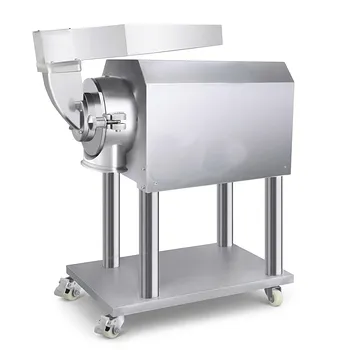
- Industrial Sealed Hammer Knife Crusher for Mining Ore and Coal Sample Preparation
- Versatile Industrial Crusher for Laboratory Crushing and Material Processing
- Small Hammer Crusher for Brittle Material Crushing in Mining Metallurgy and Lab Sample Preparation
- Laboratory Sealed Hammer Crusher for Coal and Mineral Sample Preparation
- Sealed Hammer Crusher for Laboratory Coal Sample Preparation Adjustable Output Size
People Also Ask
- What is the role of industrial crushers and standard test sieves in biomass pyrolysis? Optimize Heat Transfer & Yield
- What is the purpose of using industrial crushers and vibratory sieve shakers in the pretreatment of coal gangue? Ensure Uniformity
- What is the function of industrial crushers in the initial preparation of silicate minerals? Enhance Sample Uniformity
- What is the function of an industrial crusher in CRSS filler preparation? Essential Size Reduction for Carbonization
- How do crushers and mills work together in gypsum recycling? Transform drywall waste into reactive ceramic materials.

Tech Team · PowderPreparation
Last updated on May 14, 2026
Related Products
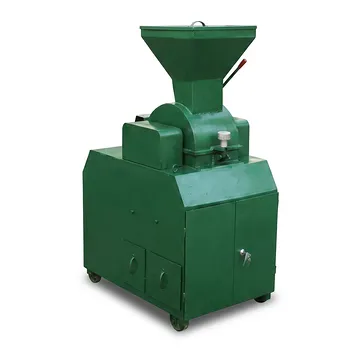
Industrial Sealed Hammer Knife Crusher for Mining Ore and Coal Sample Preparation
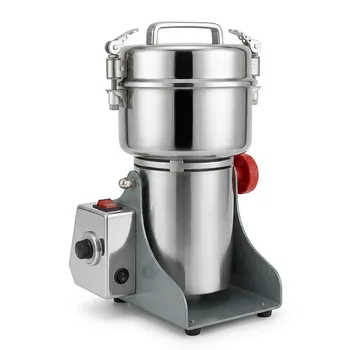
Versatile Industrial Crusher for Laboratory Crushing and Material Processing
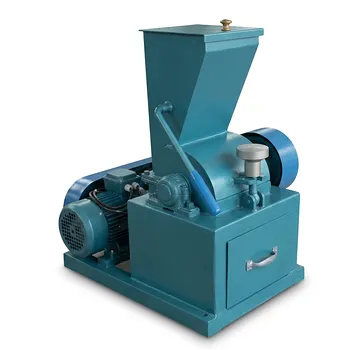
Small Hammer Crusher for Brittle Material Crushing in Mining Metallurgy and Lab Sample Preparation
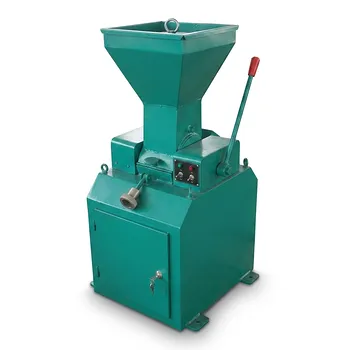
Laboratory Sealed Hammer Crusher for Coal and Mineral Sample Preparation
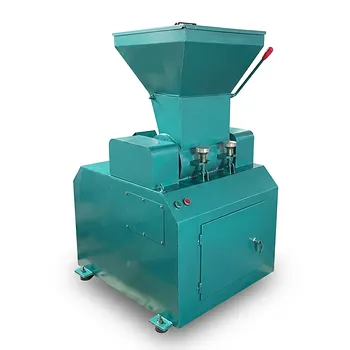
Sealed Hammer Crusher for Laboratory Coal Sample Preparation Adjustable Output Size
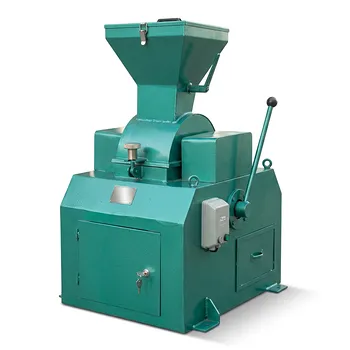
Laboratory Sealed Hammer Blade Crusher Divider for High Hardness Sample Preparation
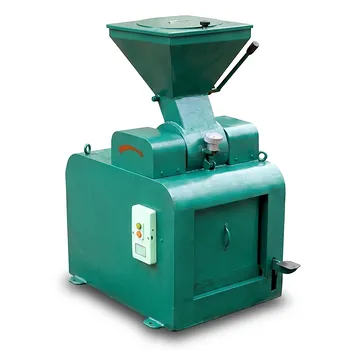
Laboratory Sealed Hammer Crushers for Coal Sample Preparation and Medium Strength Material Crushing
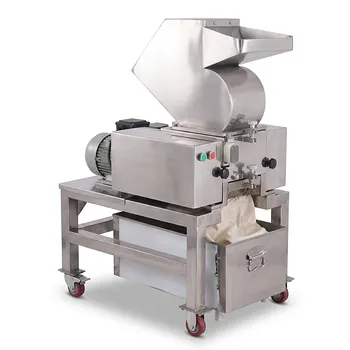
Stainless Steel Coarse Crusher for Pharmaceutical Food and Plastic Material Processing
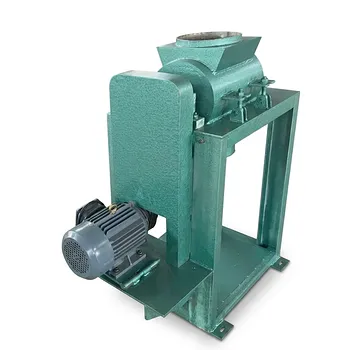
Customized Sealed Laboratory Hammer Crusher for Coal and Medium Hardness Sample Preparation
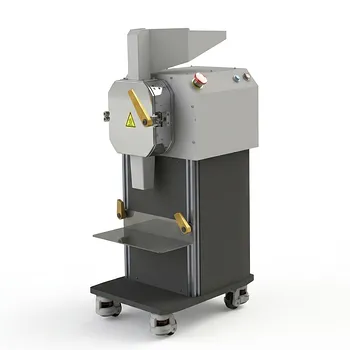
Small Laboratory Knife Crusher for Plastic Sample Preparation and Material Grinding
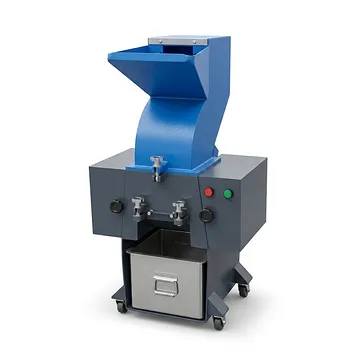
Heavy-Duty Crusher for Laboratory and Industrial Material Size Reduction
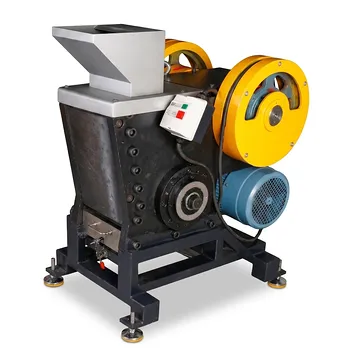
Heavy Duty Industrial Jaw Crusher for Primary Ore Crushing and High Capacity Mineral Material Size Reduction
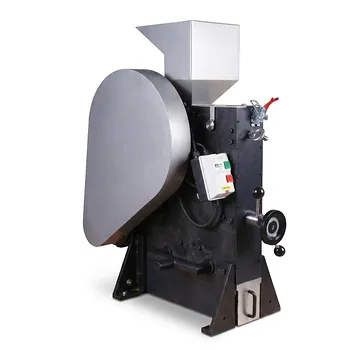
Heavy Duty Industrial Laboratory Jaw Crusher for Primary Sample Preparation and Hard Material Size Reduction
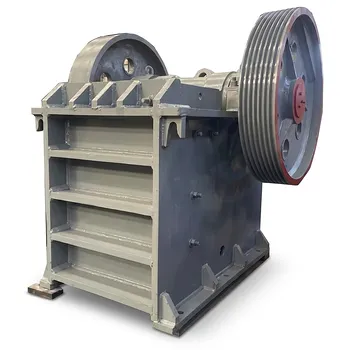
Heavy-Duty Jaw Crusher for Medium-Hard Ore and Industrial Mineral Crushing
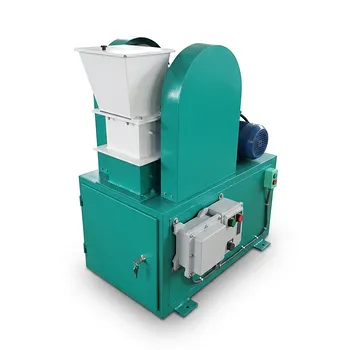
Custom Explosion-Proof Sealed Jaw Crusher for Laboratory and Industrial Sample Preparation
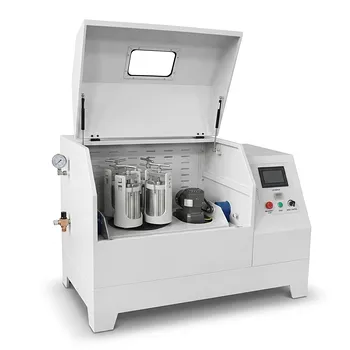
Vertical Production Planetary Ball Mill for High Throughput Powder Processing
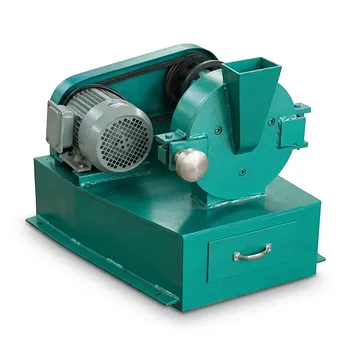
Medium Hardness Material Disc Pulverizer for Coal Ore Sample Preparation
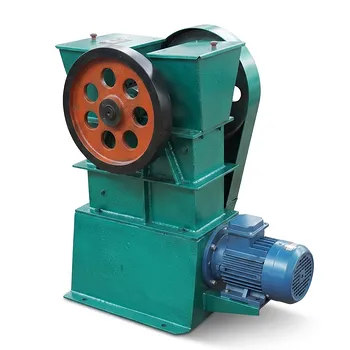
150×125mm Laboratory Jaw Crusher for Medium and Fine Crushing of Brittle Materials
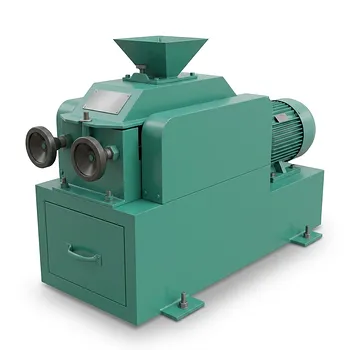
Horizontal Double Roll Crusher for Medium Fine Crushing of Coal Limestone and Ores