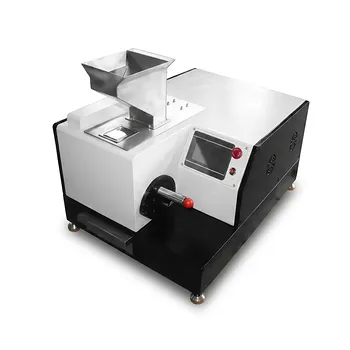
What is the function of an industrial-grade laboratory crusher? Master Aged Asphalt Sample Prep for Accurate Testing
Updated 4 months ago
The primary function of an industrial-grade laboratory crusher is to transform hardened, aged asphalt blocks into uniform, granular particles. This mechanical process is a critical prerequisite for advanced diagnostic techniques, such as Low-Field Nuclear Magnetic Resonance (LF-NMR) testing. By standardizing the physical form of the sample, the crusher ensures that data collected during testing is both accurate and reproducible.
An industrial-grade laboratory crusher acts as a precision homogenization tool, eliminating the geometric variables of aged asphalt samples. This standardization is essential for achieving consistent filling densities and maximizing the signal-to-noise ratio in sensitive analytical environments.
Standardizing Sample Geometry for Advanced Testing
Improving LF-NMR Signal Accuracy
In Low-Field Nuclear Magnetic Resonance (LF-NMR) testing, the quality of the data depends heavily on the consistency of the sample loaded into detection vials. Irregularly shaped clumps of aged asphalt can create voids and inconsistent volumes, which lead to significant detection errors. By crushing these clumps into uniform particles, the equipment ensures a high signal-to-noise ratio and reliable data acquisition.
Enhancing Filling Density and Volume Consistency
Consistent filling density is vital for comparing different samples of aged asphalt. Industrial-grade crushers provide the mechanical force necessary to break down hardened binders, allowing the particles to settle more tightly and predictably. This uniformity reduces volume-related measurement errors that often plague tests involving irregular sample shapes.
Achieving Precise Gradation and Skeletal Stability
Controlling Particle Size Distribution
For projects involving Recycled Asphalt Pavement (RAP), the crusher allows operators to control the final size of the recycled aggregates by adjusting the discharge opening. This capability is essential for meeting specific grading requirements, such as reducing materials to a maximum particle size of 4.75mm for drainage system designs. Proper gradation ensures that the recycled material integrates effectively with fresh aggregates to form a stable skeletal structure.
Maximizing Specific Surface Area
Reducing the particle size of the asphalt mixture significantly increases its specific surface area. This physical change accelerates chemical reactions and moisture migration, which is particularly useful in adsorption studies or composition analysis. For aged materials, this increased surface area allows for a more thorough evaluation of the binder’s remaining properties.
Preparing for Secondary Laboratory Processes
Feeding Subsequent Grinding Operations
In many laboratory workflows, the crusher serves as an intermediary stage between raw material collection and fine pulverization. For instance, reducing materials to a size of less than 7 mm ensures a consistent feed for ball milling. This step improves the efficiency of the grinding process and ensures that subsequent experimental data remains comparable across different batches.
Preliminary Size Reduction of Coarse Materials
Laboratory jaw crushers are specifically designed to handle large, coarse materials that exceed 10 mm in diameter. Using cyclic compression, the equipment fractures these lumps into smaller fragments, typically less than 5 to 10 mm. This preliminary reduction is necessary to protect more sensitive downstream equipment from damage or clogging.
Understanding the Trade-offs and Limitations
The Risk of Excessive Fines and Dust
One potential downside of high-speed crushing is the generation of excessive "fines" or dust. These micro-particles can alter the intended gradation of the asphalt mixture and may need to be filtered out to maintain sample integrity. Specialized crushers often include dust removal mechanisms to mitigate this issue.
Mechanical Heat and Binder Integrity
The mechanical energy required to crush aged asphalt can generate localized heat. If the temperature rises too high, it may temporarily soften the aged binder, causing particles to re-clump or altering the chemical state of the sample. Operators must balance crushing intensity with the need to maintain the sample’s original aged characteristics.
How to Apply This to Your Project
Making the Right Choice for Your Goal
To achieve the best results with an industrial-grade laboratory crusher, consider your specific analytical requirements:
- If your primary focus is LF-NMR or precision diagnostic testing: Prioritize crushers that offer the highest degree of particle uniformity to ensure consistent volume and filling density in detection vials.
- If your primary focus is Recycled Asphalt (RAP) design: Select a crusher with adjustable discharge openings (e.g., a jaw crusher) to precisely control the skeletal structure and gradation of the final mixture.
- If your primary focus is chemical analysis or adsorption studies: Focus on maximizing the specific surface area by reducing particles to the 1mm to 2mm range to accelerate reaction times and equilibrium.
By selecting the appropriate crushing parameters, you ensure that your aged asphalt samples are prepared for rigorous, standardized, and scientifically valid testing.
Summary Table:
| Key Function | Benefit for Asphalt Testing | Technical Application |
|---|---|---|
| Sample Homogenization | Standardizes geometry for LF-NMR | Increases signal-to-noise ratio & reduces voids |
| Particle Size Control | Precise RAP skeletal stability | Adjustable discharge openings (e.g., <4.75mm) |
| Surface Area Expansion | Accelerates chemical reactions | Enhances adsorption & binder composition analysis |
| Pre-grinding Feed | Protects sensitive downstream tools | Reduces coarse lumps to <7mm for ball milling |
Elevate Your Asphalt Research with Precision Sample Preparation
Achieving reliable, reproducible data in aged asphalt testing begins with perfect sample consistency. We provide complete laboratory sample preparation solutions tailored for material science, specializing in high-performance powder processing and compaction equipment.
Our extensive product lines are designed to handle the toughest materials:
- Crushers & Grinders: Heavy-duty jaw/roll crushers and liquid nitrogen cryogenic grinders for hardened binders.
- Advanced Milling: Planetary ball, jet, sand/bead, disc, and rotor mills for achieving specific fineness.
- Sizing & Mixing: Vibratory/air-jet sieve shakers and high-efficiency powder/defoaming mixers.
- Compaction & Pressing: A full spectrum of hydraulic presses, including Cold/Warm Isostatic Presses (CIP/WIP), XRF pellet presses, and vacuum hot presses.
Whether you are optimizing RAP designs or performing sensitive LF-NMR analysis, our equipment ensures your samples meet the most rigorous experimental standards.
Contact our technical experts today to find the perfect equipment for your lab!
References
- C. Mei, Jia Che. Effect of Asphalt Content on Low-Field Nuclear Magnetic Resonance Spectrum and Aging Evaluation of Asphalt Mixtures. DOI: 10.3390/ma18092004
Mentioned Products
- Heavy Duty Industrial Laboratory Jaw Crusher for Primary Sample Preparation and Hard Material Size Reduction
- Heavy-Duty Crusher for Laboratory and Industrial Material Size Reduction
- Heavy Duty Industrial Jaw Crusher for Primary Ore Crushing and High Capacity Mineral Material Size Reduction
- Industrial Sealed Hammer Knife Crusher for Mining Ore and Coal Sample Preparation
- Custom Explosion-Proof Sealed Jaw Crusher for Laboratory and Industrial Sample Preparation
People Also Ask
- What is the primary function of a laboratory jaw crusher? Master Initial Hard Rock Ore Preparation & Feed Sizing
- What is the primary role of a laboratory jaw crusher in the initial stages of tin and tantalum ore reprocessing? Explained
- What is the role of a laboratory jaw crusher in the initial preparation of silicate-type low-grade copper ore?
- What role does an industrial jaw crusher play in gangue slurry processing? Essential Primary Size Reduction Insights
- What is the function of an industrial jaw crusher in the primary processing of ironstone? Key to Efficient Reduction

Tech Team · PowderPreparation
Last updated on Jun 03, 2026
Related Products
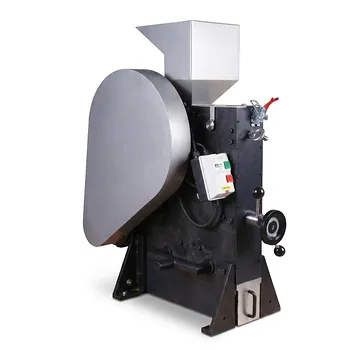
Heavy Duty Industrial Laboratory Jaw Crusher for Primary Sample Preparation and Hard Material Size Reduction
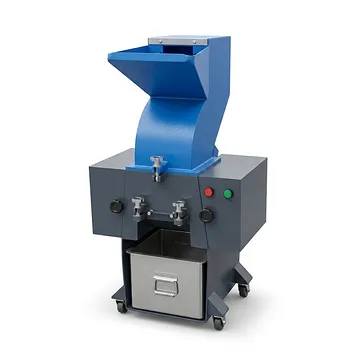
Heavy-Duty Crusher for Laboratory and Industrial Material Size Reduction
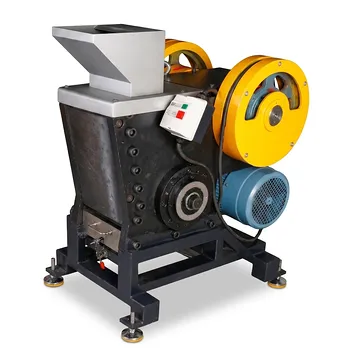
Heavy Duty Industrial Jaw Crusher for Primary Ore Crushing and High Capacity Mineral Material Size Reduction
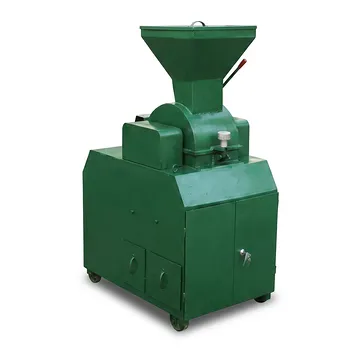
Industrial Sealed Hammer Knife Crusher for Mining Ore and Coal Sample Preparation
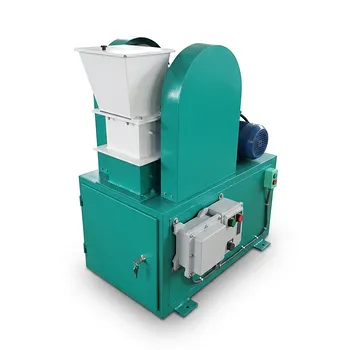
Custom Explosion-Proof Sealed Jaw Crusher for Laboratory and Industrial Sample Preparation
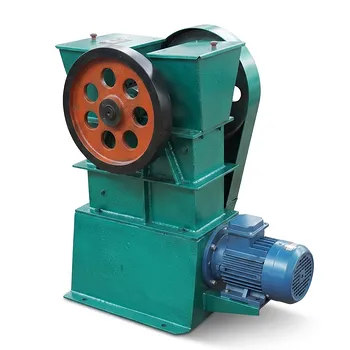
150×125mm Laboratory Jaw Crusher for Medium and Fine Crushing of Brittle Materials
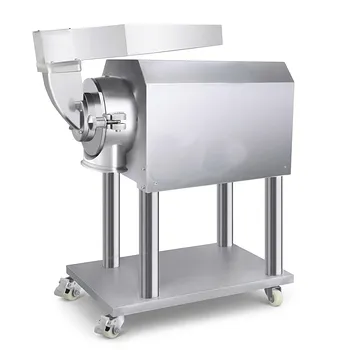
High Speed Small Laboratory Crusher for Dry Material Sample Preparation
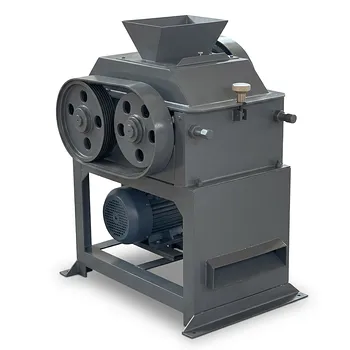
Sealed Laboratory Double Roll Crusher for Coal, Mineral, Ore Sample Preparation
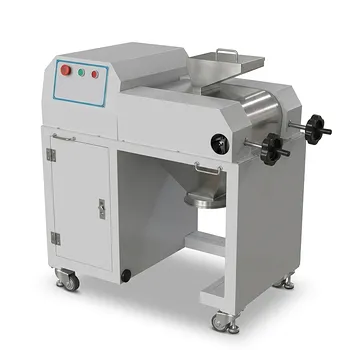
Laboratory Double Roller Crusher for Mining Construction Chemical Sample Preparation
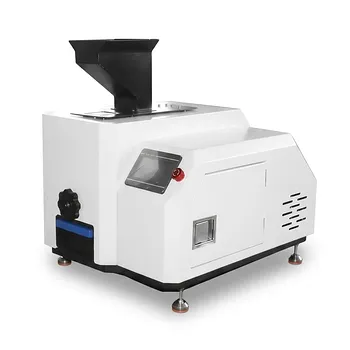
Laboratory Jaw Crusher 2025 Model for Ore and Brittle Material Crushing
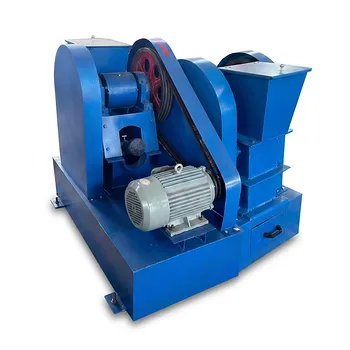
Horizontal Jaw Crusher Medium Hard Material Crushing Laboratory Sample Preparation Equipment
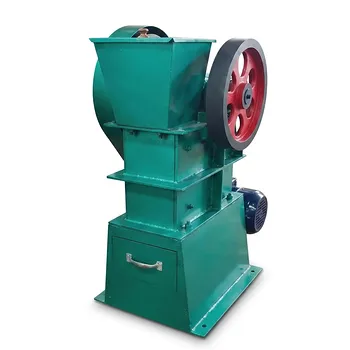
EP Series Small Jaw Crusher for Laboratory Sample Preparation
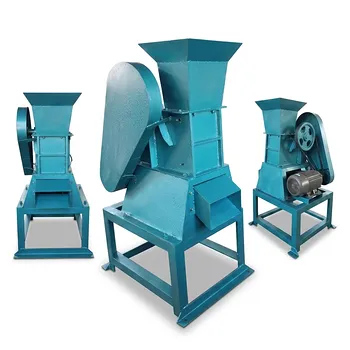
Custom Raised Height Laboratory Jaw Crusher for Precision Sample Preparation in Material Science
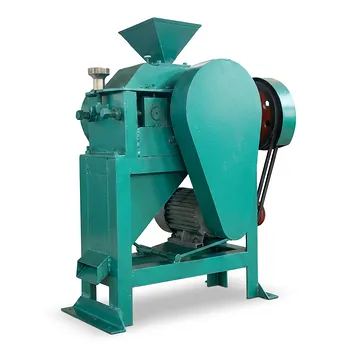
Laboratory Sealed Double Roll Crusher for Coal Ore Rock and Medium Hardness Materials Sample Preparation
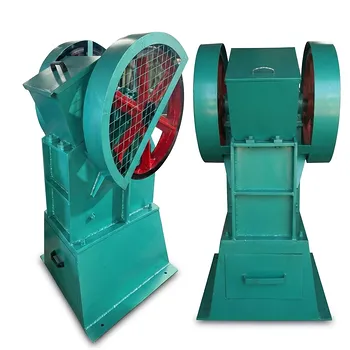
Sealed Jaw Crusher for Laboratory Material Crushing and Sample Preparation
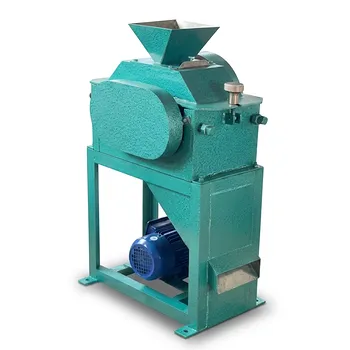
Laboratory Double Roll Crusher for Medium Hardness Materials Coal Ore Sample Preparation
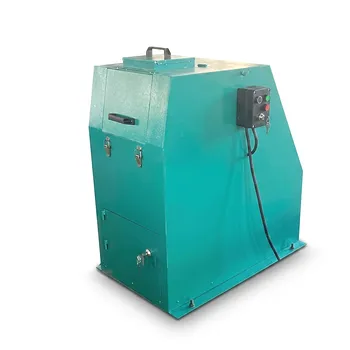
Environmentally Friendly Sealed Jaw Crusher for Laboratory Sample Preparation
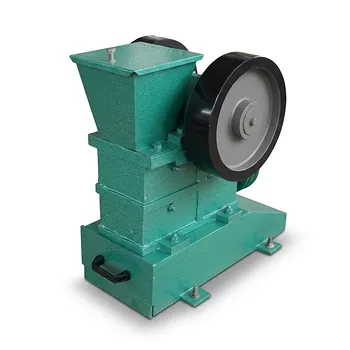
Laboratory Small Jaw Crusher 100x60mm
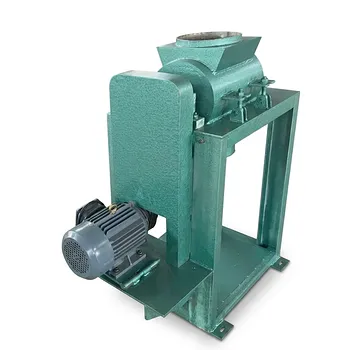
Customized Sealed Laboratory Hammer Crusher for Coal and Medium Hardness Sample Preparation