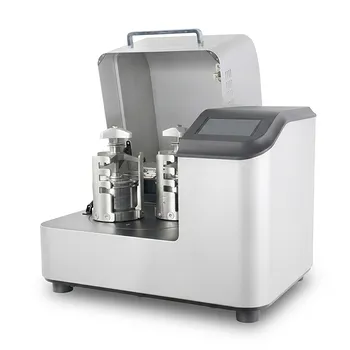
What is the role of an ultra-centrifugal mill in cork research? Achieve uniform powder for high-precision analysis.
Updated 4 months ago
The ultra-centrifugal mill is the primary tool used to transform resilient cork byproducts into a standardized, fine powder suitable for high-precision chemical analysis. By utilizing high-speed centrifugal force combined with physical shearing and impact, this equipment disrupts the robust microstructure of cork to ensure complete sample homogenization. This mechanical refinement is essential for increasing the specific surface area, which directly enhances the efficiency of solvent extraction and the release of chemical components.
The core role of an ultra-centrifugal mill in cork research is to provide a uniform particle size distribution—typically between 0.45 and 0.70 mm—that maximizes the accessibility of internal chemical compounds. This process ensures that subsequent analytical results are both representative of the entire sample and highly reproducible.
The Mechanics of Size Reduction in Cork
Two-Stage Grinding via Impact and Shear
The mill employs a high-speed rotor equipped with wedge-shaped teeth that accelerate the cork material toward a fixed ring sieve. Initial size reduction occurs through high-energy impact as the cork hits the rotor teeth, followed by intense shearing in the narrow gap between the rotor and the sieve.
Precision Control of Particle Size
Researchers can precisely control the final fineness of the cork powder by selecting specific aperture ring sieves. This allows for the creation of standardized reference materials where the particle size distribution is tightly clustered, typically reaching fineness levels required for micron-scale debris or specialized chemical assays.
Centrifugal Acceleration and Residence Time
The centrifugal action ensures that material is rapidly processed and forced through the sieve as soon as it reaches the target size. This results in a short residence time, which is vital for maintaining the integrity of the sample by preventing unnecessary mechanical stress or over-processing.
Impact on Chemical Analysis and Extraction
Disruption of the Cork Microstructure
Cork is a naturally resilient material designed to resist environmental degradation; therefore, its microstructure must be fully disrupted to access internal compounds. The ultra-centrifugal mill provides the mechanical force necessary to break down these cellular walls, ensuring that no chemical components remain trapped within the raw byproduct.
Maximizing Specific Surface Area
By converting cork blocks into a powder with a uniform range (0.45 to 0.70 mm), the mill significantly increases the specific surface area. This larger surface area allows solvents to penetrate the material more effectively during extraction, leading to a higher yield and more accurate quantification of chemical constituents.
Enhancement of Volatile Component Release
For research involving thermal desorption, the high level of sample homogenization is critical. The fine particles produced by the mill ensure a consistent and representative release of volatile components, which is essential for identifying the "chemical fingerprint" of different cork varieties.
Understanding the Trade-offs and Limitations
Thermal Sensitivity and Heat Generation
While the short residence time helps, high-speed grinding naturally generates some heat through friction. If the mill is run at excessive speeds or for too long, it can potentially degrade temperature-sensitive compounds within the cork, such as certain volatile oils or delicate polymers.
Sieve Clogging and Material Loss
Fibrous or slightly moist cork byproducts can sometimes clog the fine apertures of the ring sieve. This can lead to sample loss or cross-contamination between batches if the equipment is not meticulously cleaned between runs, particularly when working with micron-scale requirements.
Mechanical Shear vs. Chemical Integrity
While shearing is necessary for surface area, extreme mechanical force can occasionally alter the physical state of certain polymers. Researchers must balance the need for particle refinement with the preservation of the chemical structures they intend to study.
How to Apply This to Your Research Project
Choosing the Right Configuration for Your Goal
To achieve the best results in cork chemical composition research, the milling parameters must be aligned with the specific analytical objectives of the study.
- If your primary focus is maximizing solvent extraction yield: Utilize a sieve aperture between 0.45 and 0.50 mm to ensure the highest possible surface-area-to-volume ratio.
- If your primary focus is analyzing temperature-sensitive volatiles: Operate the mill at a lower RPM and use a larger sieve aperture to minimize heat generation and residence time.
- If your primary focus is creating standardized reference materials: Use a 12 or 24-tooth rotor to ensure maximum homogenization and a very narrow particle size distribution.
Proper sample preparation with an ultra-centrifugal mill transforms raw cork into a scientifically viable substrate, ensuring that your chemical analysis is both accurate and exhaustive.
Summary Table:
| Feature | Mechanism/Action | Benefit for Cork Research |
|---|---|---|
| Two-Stage Grinding | Impact & Shear (Rotor/Sieve) | Breaks down resilient microstructure & cell walls |
| Sieve Control | Adjustable aperture (0.45-0.70mm) | Ensures standardized particle size distribution |
| Centrifugal Force | Rapid material throughput | Short residence time prevents thermal degradation |
| Increased Surface Area | Fine powderization | Maximizes solvent extraction & volatile release |
Optimize Your Research with Precision Sample Preparation
Accurate chemical analysis starts with perfect sample homogenization. We provide complete laboratory sample preparation solutions tailored for material science, specializing in high-performance powder processing and compaction equipment.
Our extensive product lines are designed to handle even the most resilient materials like cork:
- Grinding & Milling: Ultra-centrifugal mills, liquid nitrogen cryogenic grinders, planetary ball, jet, and disc mills.
- Sizing & Mixing: Vibratory and air-jet sieve shakers, plus advanced powder and defoaming mixers.
- Compaction Solutions: A full spectrum of hydraulic presses, including Cold/Warm Isostatic Presses (CIP/WIP), vacuum hot presses, and XRF pellet presses.
Whether you need to disrupt microstructures for solvent extraction or create standardized pellets for XRF, our equipment ensures high yield and reproducibility.
Ready to elevate your lab's efficiency? Contact our experts today to discuss your application!
References
- María Verdum, Patrícia Jové. Novel Sustainable Alternatives for the Study of the Chemical Composition of Cork. DOI: 10.3390/su16020575
Mentioned Products
- Ultra Centrifugal Mill for Rapid Laboratory Sample Preparation and Fine Powder Grinding
- Ultra Centrifugal Mill High Speed Laboratory Grinder for Fibrous and Brittle Sample Preparation
- High Viscosity Planetary Centrifugal Mixing and Vacuum Defoaming Machine for Laboratory Material Preparation
- Industrial Planetary Centrifugal Vacuum Defoaming Mixer for High Viscosity Paste and Advanced Material Science
- Dual Cup Vacuum Centrifugal Mixer Planetary Paste Defoaming Machine Industrial Material Processor
People Also Ask
- How Does Sieve Ring Aperture Affect Microplastic Powder Prep? Ensure Precise Particle Size & Reproducibility
- What is the function of a centrifugal mill in dietary fiber processing? Ensure precise size & preserve fiber integrity
- What is the role of a high-speed centrifugal mill in the preparation of microplastic reference materials? Precision Guide
- What is the function of an ultra-centrifugal mill and ring sieve? Optimize Wood Powder for Better Wet Extrusion
- What are the mechanical protection benefits of using a V-belt drive in a centrifugal mixer? Ensure Equipment Longevity

Tech Team · PowderPreparation
Last updated on Jun 03, 2026
Related Products
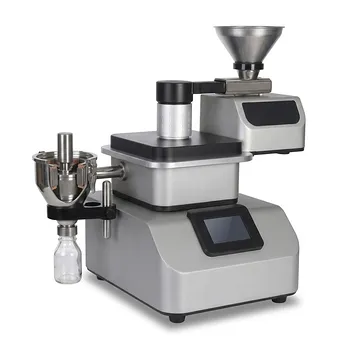
Ultra Centrifugal Mill for Rapid Laboratory Sample Preparation and Fine Powder Grinding
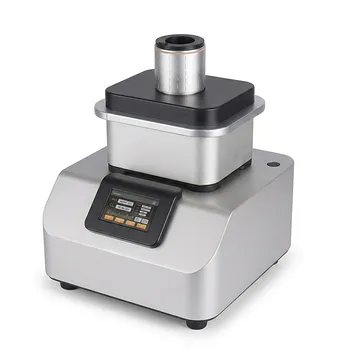
Ultra Centrifugal Mill High Speed Laboratory Grinder for Fibrous and Brittle Sample Preparation
High Viscosity Planetary Centrifugal Mixing and Vacuum Defoaming Machine for Laboratory Material Preparation
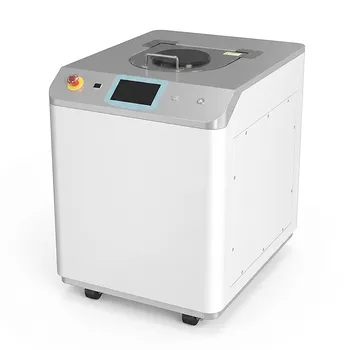
Industrial Planetary Centrifugal Vacuum Defoaming Mixer for High Viscosity Paste and Advanced Material Science
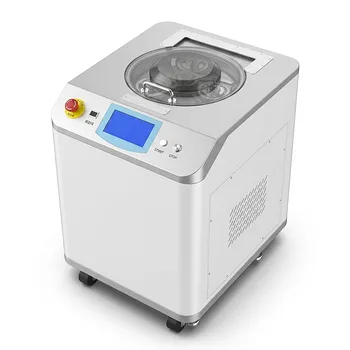
Dual Cup Vacuum Centrifugal Mixer Planetary Paste Defoaming Machine Industrial Material Processor
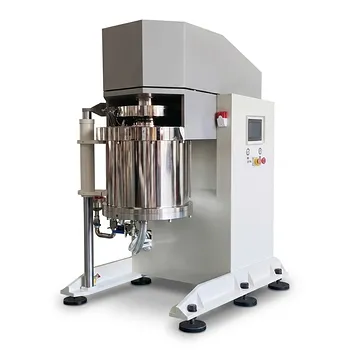
Vertical Nano Bead Mill for Ceramic Materials with Permanent Magnet Motor and High Efficiency Grinding
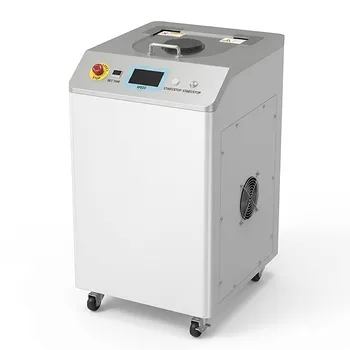
High Viscosity Planetary Centrifugal Vacuum Mixer for Material Defoaming and Uniform Mixing
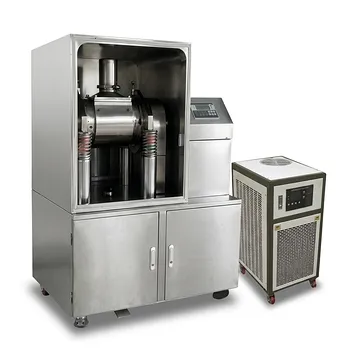
Small Vibrating Ultrafine Grinder for Traditional Chinese Medicine
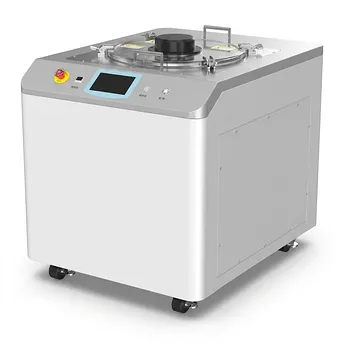
Industrial Planetary Centrifugal Vacuum Defoaming Mixer for High Viscosity Paste and Powder Homogenization
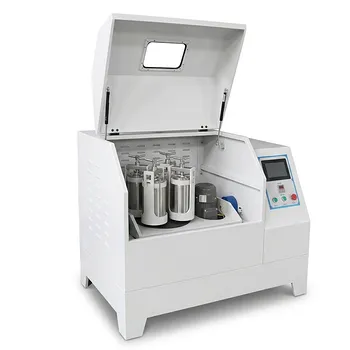
360° Rotating Omnidirectional Laboratory Planetary Ball Mill for Homogeneous Ultra-Fine Grinding and Mixing
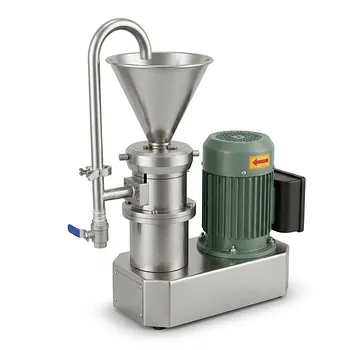
Small Laboratory Colloid Mill for Ultra-Fine Wet Grinding and Emulsification
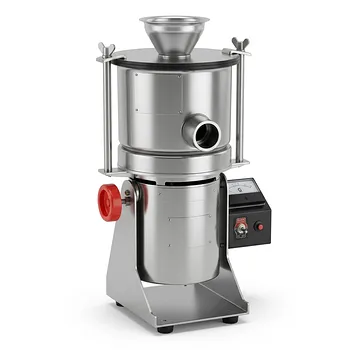
Laboratory Ultrafine Impact and Airflow Grinder for Precise Particle Size Control
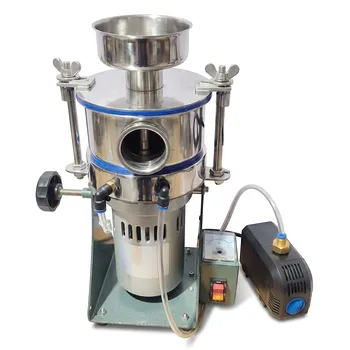
Water Cooled Airflow Ultra Fine Grinder for Low Temperature Material Processing
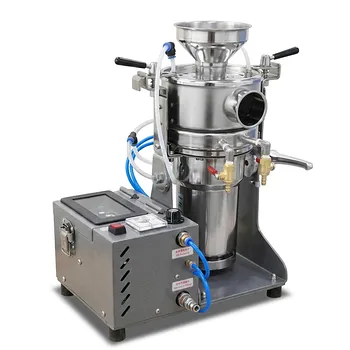
Water Cooled Pulse Jet Ultrafine Grinder
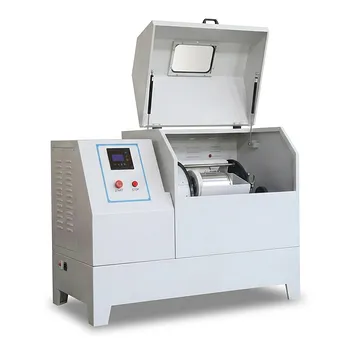
Heavy Duty Horizontal Planetary Ball Mill for Efficient Industrial Grinding and Sample Preparation

High Energy Omnidirectional Planetary Ball Mill 16L
High Energy Omnidirectional Planetary Ball Mill 20L
High Speed Vibratory Disc Mill for Spectral Analysis Sample Preparation and Rapid Powder Grinding

Vertical Production Planetary Ball Mill for High Throughput Powder Processing