What are the mechanical protection benefits of using a V-belt drive in a centrifugal mixer? Ensure Equipment Longevity
Updated 4 months ago
The V-belt drive acts as a mechanical buffer between the motor and the mixing shaft. In centrifugal mixers, it specifically protects against start-up shocks and sudden overloads caused by material inconsistencies. By dampening vibrations, it also preserves the integrity of high-precision bearings and improves overall machine stability.
A V-belt drive provides a critical layer of mechanical insulation, protecting expensive motors and bearings from the unpredictable stresses and fluctuations inherent in centrifugal mixing operations.
Buffering Against Operational Shocks
Managing Start-up Loads
Centrifugal mixers require significant torque to move stationary raw materials. The V-belt drive provides smooth power transmission, allowing the motor to reach operational speeds without absorbing the full impact of the initial resistance.
Handling Instantaneous Overloads
When processing materials with fluctuating moisture levels or abrasive properties, the resistance within the mixing chamber can spike suddenly. The belt acts as a safety "fuse," absorbing these instantaneous overloads that might otherwise stall or burn out the motor.
Preserving Precision through Vibration Control
Dampening High-Frequency Oscillations
High-speed centrifugal operations naturally generate mechanical noise and resonance. The elastomeric nature of the V-belt allows it to absorb and dampen high-frequency vibrations before they can propagate through the drive train.
Extending Bearing Lifespan
By isolating the main shaft from motor-induced vibrations and vice versa, the belt protects the precision of the bearing components. This reduction in mechanical stress prevents premature wear and maintains the long-term operational stability of the entire system.
Understanding the Trade-offs
Efficiency and Maintenance Requirements
While V-belts offer superior protection, they are generally less energy-efficient than direct-drive systems due to friction and potential slippage. Owners must also account for periodic tensioning and belt replacements to ensure the drive remains effective and safe.
Environmental Sensitivities
V-belts can be sensitive to extreme temperatures or chemical exposure, which may cause the material to degrade or lose its grip. In specialized mixing environments, the choice of belt material becomes a critical factor in maintaining the protective benefits described above.
Optimizing Your Drive Configuration
When determining if a V-belt drive is the right choice for your centrifugal mixing application, consider your primary operational priority:
- If your primary focus is Equipment Longevity: Utilize a V-belt drive to isolate sensitive components from vibration and sudden torque spikes.
- If your primary focus is Process Consistency: Implement a V-belt system to smooth out power delivery when working with materials that have highly variable physical properties.
By prioritizing mechanical protection through a V-belt drive, you ensure your equipment remains resilient against the harsh realities of industrial mixing.
Summary Table:
| Feature | Mechanical Protection Benefit | Impact on Equipment Performance |
|---|---|---|
| Start-up Buffering | Smooths power transmission during initial torque | Prevents motor burnout and high-stress fatigue |
| Overload Fuse | Absorbs spikes from material inconsistencies | Protects drive train from sudden mechanical failure |
| Vibration Dampening | Absorbs high-frequency oscillations | Preserves precision of high-speed bearings |
| Load Isolation | Separates motor from mixing shaft stresses | Improves overall machine stability and lifespan |
Elevate Your Powder Processing Reliability
At Advanced Material Solutions, we understand that equipment durability is the foundation of research and production success. We provide complete laboratory sample preparation solutions for material science, specializing in advanced powder processing and compaction equipment.
Whether you are looking for high-stability centrifugal mixers and defoaming mixers featuring protective V-belt drives, or require precision planetary ball mills, jet mills, and sieve shakers, our catalog is designed to meet the most rigorous standards. We also manufacture a full spectrum of hydraulic presses, including Cold/Warm Isostatic Presses (CIP/WIP), vacuum hot presses, and XRF pellet presses, ensuring your materials are processed with ultimate precision.
Don't let mechanical stress compromise your results. Contact our technical experts today to find the perfect equipment configuration for your lab.
References
- Andrey Globin, A. M. Kurgansky. Theoretical studies of the process of mixing feed with a centrifugal mixer. DOI: 10.51419/202145504.
Mentioned Products
- High Viscosity Planetary Centrifugal Vacuum Mixer for Material Defoaming and Uniform Mixing
- Dual Cup Vacuum Centrifugal Mixer Planetary Paste Defoaming Machine Industrial Material Processor
- Industrial Planetary Centrifugal Vacuum Defoaming Mixer for High Viscosity Paste and Powder Homogenization
- High Efficiency Vacuum Planetary Centrifugal Mixer and Defoaming Machine for Industrial Material Research and Precise Laboratory Powder Dispersion
- High Speed Vacuum Planetary Centrifugal Mixer and Defoamer for Industrial Paste Processing
People Also Ask
- What core functions does a planetary centrifugal mixer perform? Optimize Hard Carbon Anode Slurry & Degassing
- Why is a planetary centrifugal mixer recommended for geopolymer slurries? Achieve high-shear, air-free homogenization.
- Why is a planetary centrifugal mixer utilized for wood powder and HPMC? Achieve uniform dispersion & rapid defoaming.
- How does a planetary centrifugal mixer address key challenges in Tyr-CDs@EVA optical films? Ensure Optical Clarity.
- What is the role of a planetary centrifugal mixer in UHTC slurry preparation? Achieve Void-Free, High-Viscosity Mixing

Tech Team · PowderPreparation
Last updated on May 14, 2026
Related Products
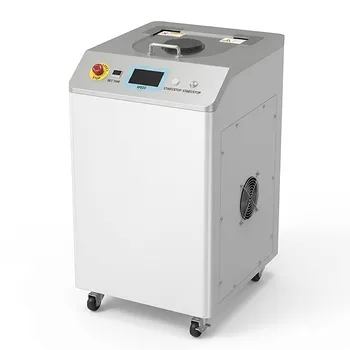
High Viscosity Planetary Centrifugal Vacuum Mixer for Material Defoaming and Uniform Mixing
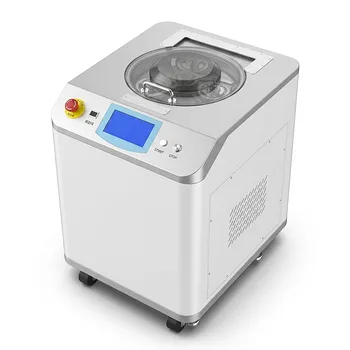
Dual Cup Vacuum Centrifugal Mixer Planetary Paste Defoaming Machine Industrial Material Processor
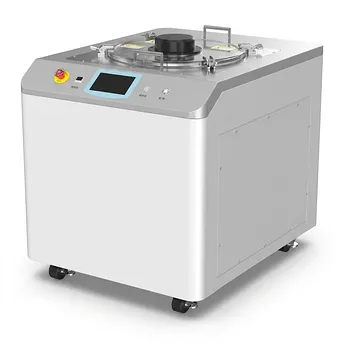
Industrial Planetary Centrifugal Vacuum Defoaming Mixer for High Viscosity Paste and Powder Homogenization
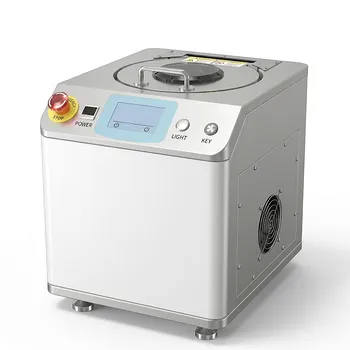
High Efficiency Vacuum Planetary Centrifugal Mixer and Defoaming Machine for Industrial Material Research and Precise Laboratory Powder Dispersion
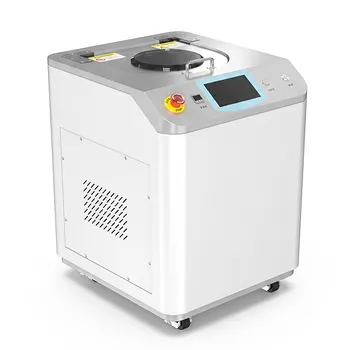
High Speed Vacuum Planetary Centrifugal Mixer and Defoamer for Industrial Paste Processing
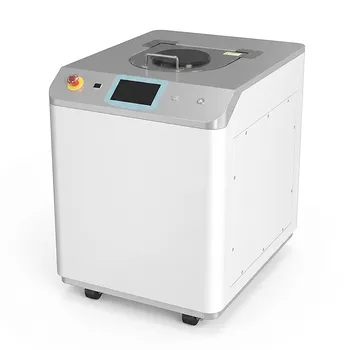
Industrial Planetary Centrifugal Vacuum Defoaming Mixer for High Viscosity Paste and Advanced Material Science
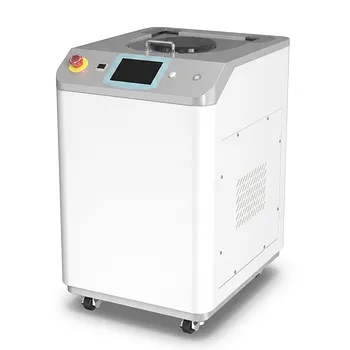
High Viscosity Planetary Centrifugal Mixing and Vacuum Defoaming Machine for Laboratory Material Preparation
Ultra Centrifugal Mill High Speed Laboratory Grinder for Fibrous and Brittle Sample Preparation
非介入式材料均质机真空脱泡行星搅拌高粘度混合设备
Ultra Centrifugal Mill for Rapid Laboratory Sample Preparation and Fine Powder Grinding
Inclined Mixer for Homogeneous Powder Blending and Grinding
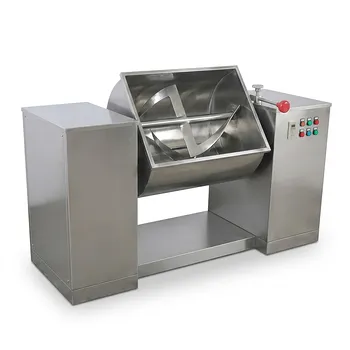
Horizontal Trough Mixer for Uniform Powder and Paste Blending
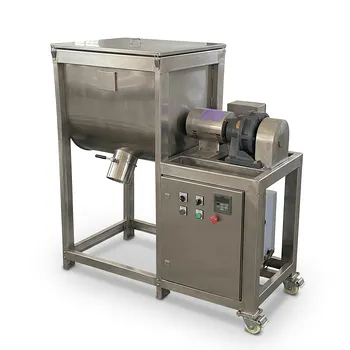
Horizontal Ribbon Mixer for Dry Powder and Slurry Blending
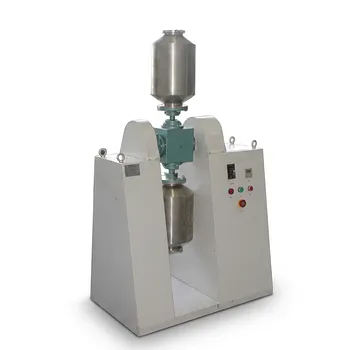
Multi Dimensional Universal Mixer for High Uniformity Powder Blending
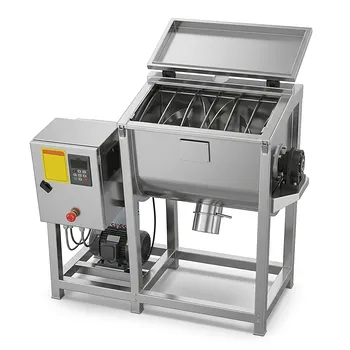
Horizontal Ribbon Mixer for Uniform Powder and Slurry Mixing
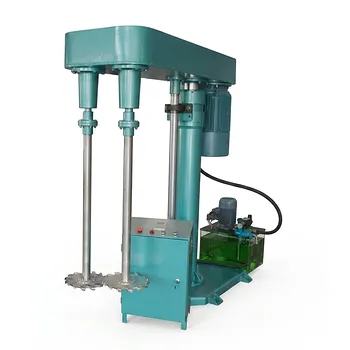
Hydraulic Double Shaft Disperser for High Viscosity Liquid Mixing and Dispersion
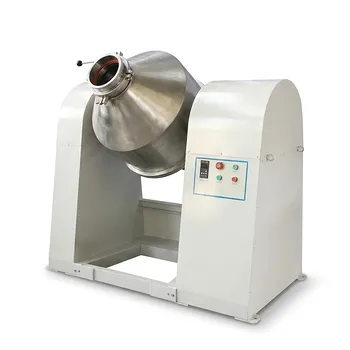
Industrial Double Cone Mixer for Powder Blending and Homogeneous Mixing
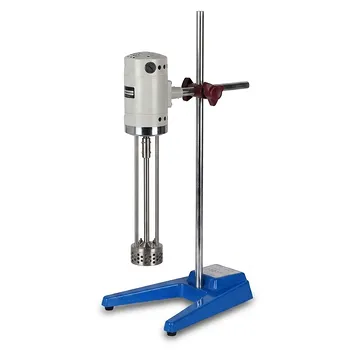
High Shear Laboratory Emulsifier for Mixing and Homogenization
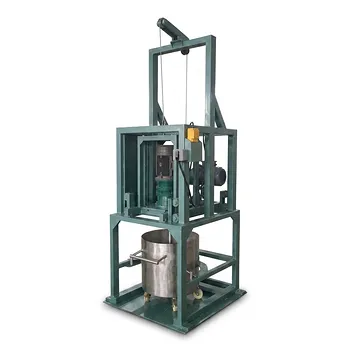
High-Speed Simple Disperser for Efficient Mixing, Dispersion, and Emulsification