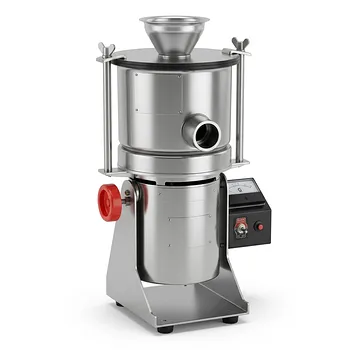
What is the role of a high-speed centrifugal mill in the preparation of microplastic reference materials? Precision Guide
Updated 4 months ago
High-speed centrifugal mills serve as the precision mechanical engine for transforming bulk polymers into standardized microplastic reference materials. These mills utilize high-speed impact and shear forces generated between a rotating rotor and a stationary sieve ring to achieve micron-scale particle reduction.
The high-speed centrifugal mill is essential for producing standardized microplastics because it allows for precise control over particle size distribution while maintaining the original chemical integrity of the polymer. This process ensures that reference materials used in recovery rate experiments are both consistent and representative of environmental pollutants.
The Mechanism of Particle Size Reduction
High-Speed Impact and Shear Forces
The core function of the mill relies on a high-speed rotor that accelerates polymer samples against a sieve ring. This creates intense mechanical shear, which rapidly breaks down the molecular structure of large plastic products into fine, micron-scale debris.
Precision Control Through Aperture Selection
The final particle size is determined by the specific aperture of the sieve ring and the rotation speed of the mill. By using sieves with varying openings (such as 500 µm, 250 µm, or 80 µm), researchers can produce powders with a narrow and predictable size distribution.
Multi-Stage Grinding for Nanoscale Results
For advanced research, these mills act as the primary reduction stage, transforming centimeter-scale waste into micrometer-scale powders. When combined with secondary processes like wet ball milling, this technology establishes the foundation for creating nanoplastic particles as small as 70 nanometers.
Preserving Material Integrity
Mitigating Thermal Degradation
A critical challenge in grinding polymers is the heat generated by friction, which can melt or degrade the plastic. To counter this, high-speed centrifugal mills are often used in conjunction with ultra-low temperature cryogenic technology to embrittle the material and prevent heat-induced changes.
Maintaining Chemical Consistency
Because the milling process is a physical preparation method, it avoids the need for chemical solvents or modifiers. This ensures that the physical and chemical properties of the resulting microplastic fragments remain identical to the original source material.
Increasing Specific Surface Area
The pulverization process significantly increases the specific surface area of the particles. This is vital for reference materials, as it mimics the high reactivity and absorption potential of "weathered" microplastics found in the environment.
Understanding the Trade-offs
Heat Management Constraints
Despite high efficiency, the intense friction of high-speed rotation can still cause localized heating. Without active cooling or cryogenic pre-treatment, some sensitive polymers may undergo structural deformation or "gumming" that clogs the sieve.
Material Recovery and Loss
Small-scale sample preparation in high-speed mills can result in material loss due to fine dust adhering to the internal chambers or sieve rings. This requires rigorous cleaning protocols to prevent cross-contamination between different batches of reference materials.
How to Apply This to Your Project
Recommendations for Material Preparation
- If your primary focus is precise size distribution: Utilize a series of decreasing sieve ring apertures in a multi-stage grinding process to achieve a highly uniform powder.
- If your primary focus is preserving chemical signatures: Integrate cryogenic cooling (liquid nitrogen) during the milling process to prevent any thermal degradation of the polymer chains.
- If your primary focus is recovery rate validation: Use the mill to create standardized "spiking" materials that match the specific micron-scale dimensions of the pollutants you expect to find in your environmental samples.
By mastering the mechanical variables of high-speed centrifugal milling, researchers can produce the high-quality, standardized materials necessary for accurate and reproducible microplastic research.
Summary Table:
| Feature | Role in Microplastic Preparation | Key Benefit |
|---|---|---|
| Grinding Mechanism | Uses high-speed impact and shear forces | Achieves rapid micron-scale reduction |
| Sieve Ring Control | Defines final particle size (e.g., 80µm to 500µm) | Ensures narrow, predictable size distribution |
| Cryogenic Integration | Prevents heat-induced polymer melting | Maintains original chemical integrity |
| Multi-Stage Processing | Primary reduction for secondary ball milling | Foundation for nanoplastic production |
Elevate Your Material Research with Precision Engineering
At [Brand Name], we provide complete laboratory sample preparation solutions for material science, specializing in advanced powder processing and compaction equipment. Whether you are producing standardized microplastic reference materials or developing new polymers, our technology ensures unmatched consistency and integrity.
Our extensive product line includes:
- Grinding & Milling: High-speed centrifugal mills, liquid nitrogen cryogenic grinders, planetary ball mills, jet mills, and disc/rotor mills.
- Size Analysis: Vibratory and air-jet sieve shakers with a full range of test sieves.
- Compaction & Pressing: A full spectrum of hydraulic presses, including Cold/Warm Isostatic Presses (CIP/WIP), XRF pellet presses, and vacuum hot presses.
- Processing: Industrial-grade crushers (jaw/roll) and high-efficiency powder/defoaming mixers.
Ready to achieve micron-scale precision in your lab? Contact our experts today to find the perfect solution for your workflow!
References
- Berit Schütze, Robert Kreuzig. Comparison of different salt solutions for density separation of conventional and biodegradable microplastic from solid sample matrices. DOI: 10.1007/s11356-022-21474-6
Mentioned Products
- Ultra Centrifugal Mill High Speed Laboratory Grinder for Fibrous and Brittle Sample Preparation
- Ultra Centrifugal Mill for Rapid Laboratory Sample Preparation and Fine Powder Grinding
- High Viscosity Planetary Centrifugal Mixing and Vacuum Defoaming Machine for Laboratory Material Preparation
- High Viscosity Planetary Centrifugal Vacuum Mixer for Material Defoaming and Uniform Mixing
- High Efficiency High Speed Grinder Laboratory Mill 1300W 25000rpm
People Also Ask
- What is the role of an ultra-centrifugal mill in cork research? Achieve uniform powder for high-precision analysis.
- How Does Sieve Ring Aperture Affect Microplastic Powder Prep? Ensure Precise Particle Size & Reproducibility
- What is the function of a centrifugal mill in dietary fiber processing? Ensure precise size & preserve fiber integrity
- How does high-speed grinding equipment facilitate the preparation of lignin binders? Optimize Powder for Stronger Bonds
- Why is a cutting mill utilized for processing fibrous Agarwood distillation waste? Efficient Shearing Solutions

Tech Team · PowderPreparation
Last updated on Jun 03, 2026
Related Products
Ultra Centrifugal Mill High Speed Laboratory Grinder for Fibrous and Brittle Sample Preparation
Ultra Centrifugal Mill for Rapid Laboratory Sample Preparation and Fine Powder Grinding
High Viscosity Planetary Centrifugal Mixing and Vacuum Defoaming Machine for Laboratory Material Preparation
High Viscosity Planetary Centrifugal Vacuum Mixer for Material Defoaming and Uniform Mixing
High Efficiency High Speed Grinder Laboratory Mill 1300W 25000rpm
Industrial Planetary Centrifugal Vacuum Defoaming Mixer for High Viscosity Paste and Powder Homogenization
Industrial Planetary Centrifugal Vacuum Defoaming Mixer for High Viscosity Paste and Advanced Material Science
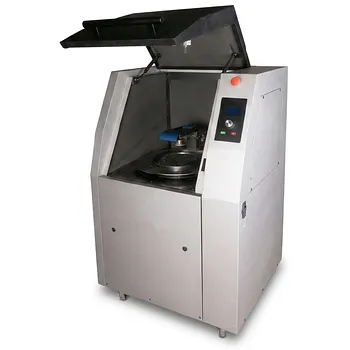
High Speed Vibratory Disc Mill for Spectral Analysis Sample Preparation and Rapid Powder Grinding
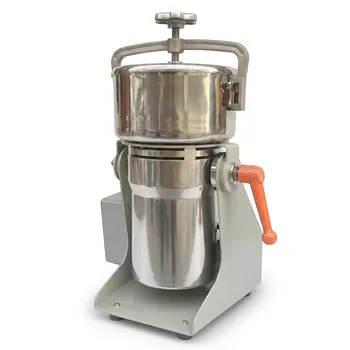
High Speed Laboratory Grinder Efficient Stainless Steel Powder Pulverizer Universal Material Science Mill for Sample Preparation
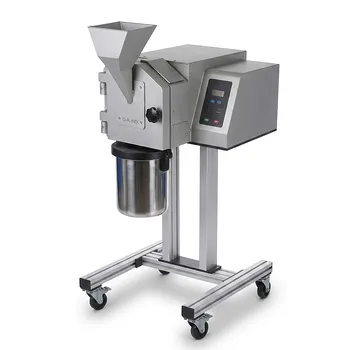
Industrial Rotor Beater Mill for High Speed Impact and Shear Grinding in Laboratory Sample Preparation
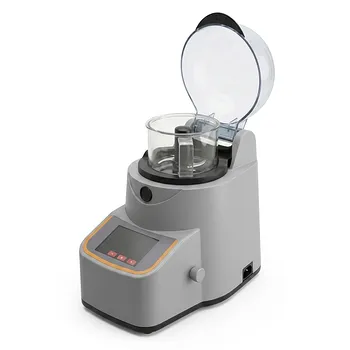
Industrial Knife Mill for Food and Biological Sample Preparation High Speed Laboratory Homogenizer
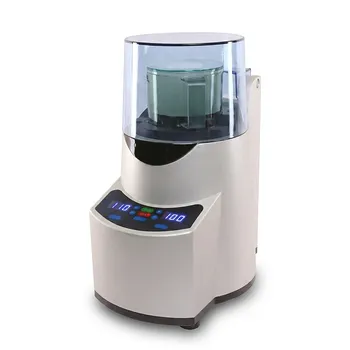
High Speed Laboratory Knife Mill for Oily Fibrous and Wet Sample Homogenization
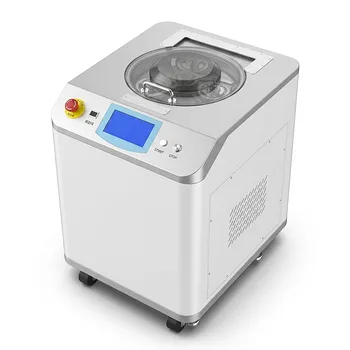
Dual Cup Vacuum Centrifugal Mixer Planetary Paste Defoaming Machine Industrial Material Processor
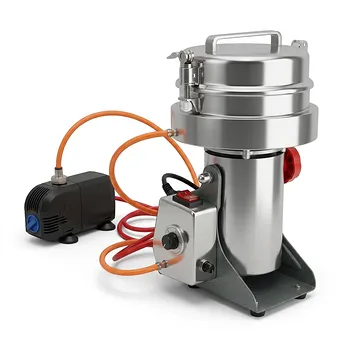
Water Cooled High Speed Grinder with Cryogenic Option for Laboratory Sample Preparation
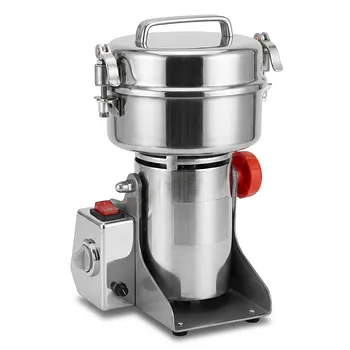
High Speed Laboratory Powder Grinder Small Batch Sample Preparation Mill
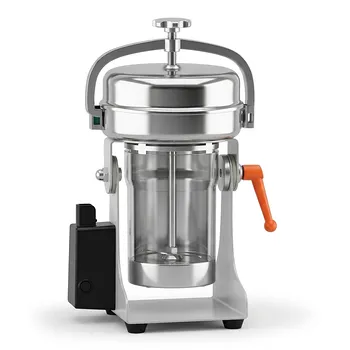
High Efficiency High Speed Grinder 2200W 25000 RPM Laboratory Sample Preparation
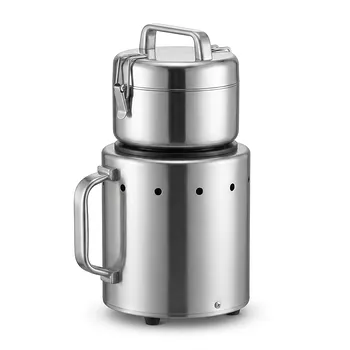
Small High Speed Grinder for Laboratory Sample Preparation
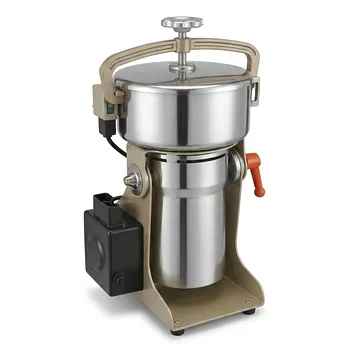
Multifunctional High Efficiency High Speed Laboratory Grinder
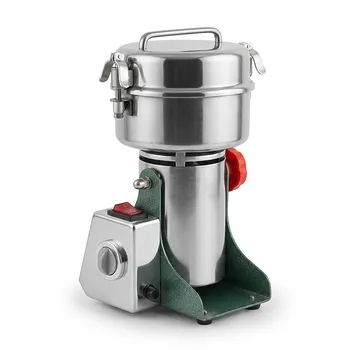
Small High-Speed Swing Grinder for Laboratory Sample Preparation