How Does Sieve Ring Aperture Affect Microplastic Powder Prep? Ensure Precise Particle Size & Reproducibility
Updated 5 months ago
The aperture configuration of a sieve ring determines the precise dimensional limits and uniformity of microplastic powders during the grinding process. By acting as a mechanical grading interface, the sieve ring ensures that only particles meeting specific size requirements are discharged through its holes. This level of control is fundamental for creating standardized materials with a consistent surface area and particle size distribution.
The sieve ring serves as a precision grading device that uses centrifugal force to control the maximum nominal particle size of microplastic powders. This standardization is critical for ensuring that subsequent scientific experiments, such as degradation tests, yield reproducible and reliable data.
The Mechanics of Precision Grading
Centrifugal Force and Particle Discharge
During the grinding process, the ultra-centrifugal mill generates intense centrifugal force that drives material against the sieve ring. Only the fine powder that matches or falls below the specific aperture size can pass through the holes to be collected.
High-Speed Impact and Shear
The configuration works in tandem with a high-speed rotor to create impact and shear forces. These forces break down large polymer products into micron-scale debris efficiently before the sieve ring performs the final grading.
Controlling Maximum Particle Size
The sieve ring acts as a strict gatekeeper for the maximum nominal particle size. By selecting a specific aperture, researchers can prevent oversized fragments from contaminating the sample, ensuring the powder meets exact experimental specifications.
Impact on Research Outcomes
Ensuring Consistent Surface Area
A specific aperture configuration guarantees a consistent specific surface area across different batches of microplastics. This consistency is vital because the surface area directly influences how microplastics interact with chemicals, light, and heat in a laboratory setting.
Improving Experimental Reproducibility
Precision in particle size distribution significantly improves the reproducibility of degradation tests. Whether performing photodegradation or thermal degradation experiments, having a standardized powder ensures that results can be compared accurately over time.
Creating Standardized Reference Materials
By adjusting both the rotation speed and the sieve aperture, labs can produce standardized reference materials. These materials are essential for verifying the accuracy of recovery rate experiments and other analytical procedures.
Understanding the Trade-offs
Aperture Size vs. Processing Time
While a smaller aperture produces finer powder, it can also lead to longer processing times and potential heat buildup. Excessive heat may inadvertently alter the physical properties of certain thermoplastic microplastics during the grinding phase.
Mechanical Wear and Sieve Integrity
The constant impact of polymer fragments can cause mechanical wear on the sieve ring over time. If the aperture holes become deformed or enlarged, the precision of the particle grading will be compromised, leading to inconsistent research data.
Selecting the Right Configuration for Your Research
When configuring your ultra-centrifugal mill, the choice of sieve ring should be dictated by the specific requirements of your downstream analysis.
- If your primary focus is photodegradation or thermal testing: Use a fine-aperture sieve ring to maximize surface area consistency and ensure high experimental reproducibility.
- If your primary focus is recovery rate validation: Select an aperture that matches the specific "standardized" size required for your reference materials to ensure data alignment.
- If your primary focus is high-throughput sample preparation: Balance aperture size with rotor speed to minimize heat generation while maintaining an acceptable particle size limit.
Selecting the correct sieve ring configuration transforms raw polymers into the high-precision tools necessary for rigorous microplastic research.
Summary Table:
| Feature | Impact on Powder | Key Research Benefit |
|---|---|---|
| Aperture Size | Controls maximum nominal particle diameter | Ensures standardized reference materials |
| Centrifugal Force | Drives efficient discharge through the sieve | Guarantees consistent specific surface area |
| High-Speed Shear | Breaks down polymers to micron-scale | Improved experimental reproducibility |
| Configuration Choice | Balances throughput vs. heat buildup | Prevents thermal alteration of samples |
Elevate Your Microplastic Research with Precision Sample Preparation
Achieving consistent results in microplastic degradation and recovery studies requires high-precision equipment. We provide complete laboratory sample preparation solutions tailored for material science, specializing in advanced powder processing and compaction.
Why partner with us?
- Precision Milling: From ultra-centrifugal and planetary ball mills to liquid nitrogen cryogenic grinders, we ensure your powders meet exact micron-scale specifications.
- Comprehensive Size Control: Our range includes vibratory and air-jet sieve shakers with various meshes to verify particle distribution.
- Complete Workflow Support: We offer everything from jaw/roll crushers and powder mixers to a full spectrum of hydraulic presses, including Cold/Warm Isostatic Presses (CIP/WIP), vacuum hot presses, and XRF pellet presses.
Ready to optimize your lab's efficiency and data reliability? Contact our technical experts today to find the ideal equipment configuration for your specific research needs!
References
- Andrea Corti, Valter Castelvetro. Natural iron-containing minerals catalyze the degradation of polypropylene microplastics: a route to self-remediation learnt from the environment. DOI: 10.1007/s11356-024-34120-0
Mentioned Products
- Ultra Centrifugal Mill for Rapid Laboratory Sample Preparation and Fine Powder Grinding
- Ultra Centrifugal Mill High Speed Laboratory Grinder for Fibrous and Brittle Sample Preparation
- High Efficiency Vacuum Planetary Centrifugal Mixer and Defoaming Machine for Industrial Material Research and Precise Laboratory Powder Dispersion
- High Viscosity Planetary Centrifugal Mixing and Vacuum Defoaming Machine for Laboratory Material Preparation
- Vertical Nano Bead Mill for Ceramic Materials with Permanent Magnet Motor and High Efficiency Grinding
People Also Ask
- What is the role of an ultra-centrifugal mill in cork research? Achieve uniform powder for high-precision analysis.
- What is the function of a centrifugal mill in dietary fiber processing? Ensure precise size & preserve fiber integrity
- What is the role of a high-speed centrifugal mill in the preparation of microplastic reference materials? Precision Guide
- What is the function of an ultra-centrifugal mill and ring sieve? Optimize Wood Powder for Better Wet Extrusion
- What are the mechanical protection benefits of using a V-belt drive in a centrifugal mixer? Ensure Equipment Longevity

Tech Team · PowderPreparation
Last updated on May 14, 2026
Related Products
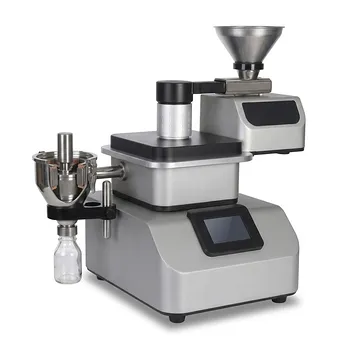
Ultra Centrifugal Mill for Rapid Laboratory Sample Preparation and Fine Powder Grinding
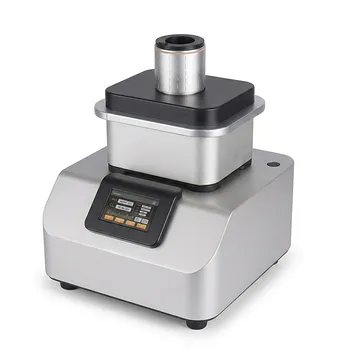
Ultra Centrifugal Mill High Speed Laboratory Grinder for Fibrous and Brittle Sample Preparation
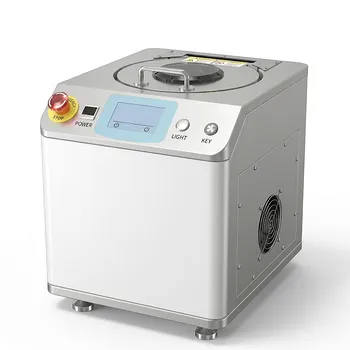
High Efficiency Vacuum Planetary Centrifugal Mixer and Defoaming Machine for Industrial Material Research and Precise Laboratory Powder Dispersion
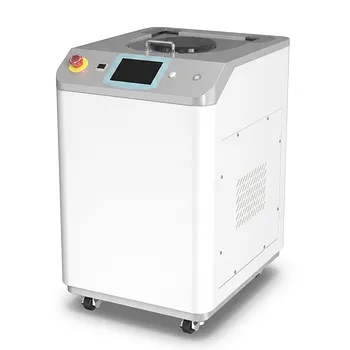
High Viscosity Planetary Centrifugal Mixing and Vacuum Defoaming Machine for Laboratory Material Preparation
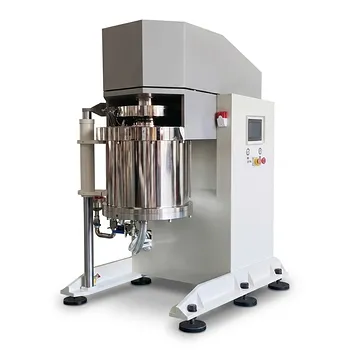
Vertical Nano Bead Mill for Ceramic Materials with Permanent Magnet Motor and High Efficiency Grinding
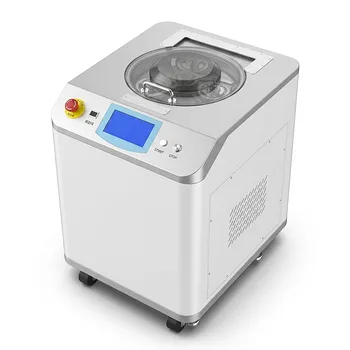
Dual Cup Vacuum Centrifugal Mixer Planetary Paste Defoaming Machine Industrial Material Processor
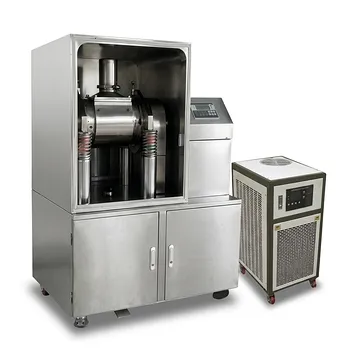
Small Vibrating Ultrafine Grinder for Traditional Chinese Medicine
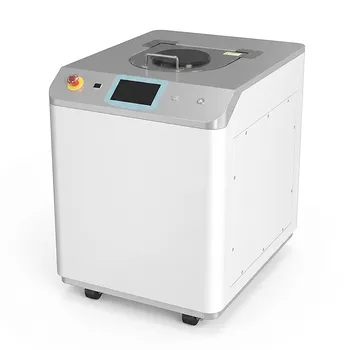
Industrial Planetary Centrifugal Vacuum Defoaming Mixer for High Viscosity Paste and Advanced Material Science
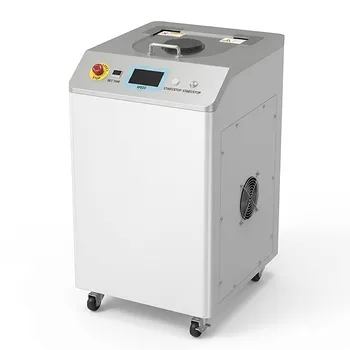
High Viscosity Planetary Centrifugal Vacuum Mixer for Material Defoaming and Uniform Mixing
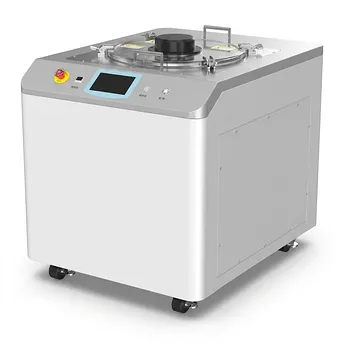
Industrial Planetary Centrifugal Vacuum Defoaming Mixer for High Viscosity Paste and Powder Homogenization
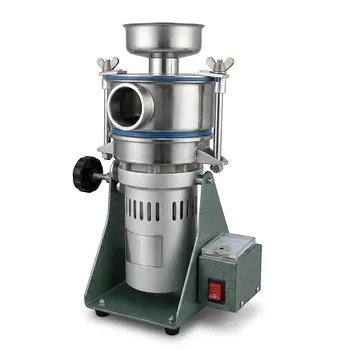
Small Airflow Ultra-Fine Grinder for Laboratory Sample Preparation
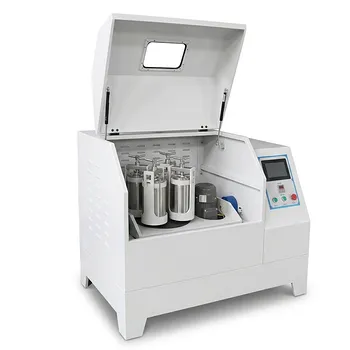
360° Rotating Omnidirectional Laboratory Planetary Ball Mill for Homogeneous Ultra-Fine Grinding and Mixing
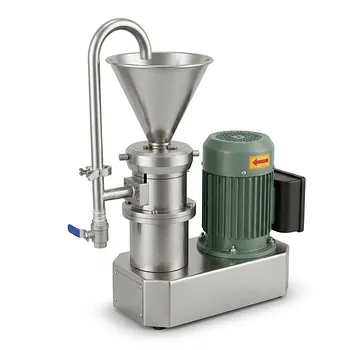
Small Laboratory Colloid Mill for Ultra-Fine Wet Grinding and Emulsification
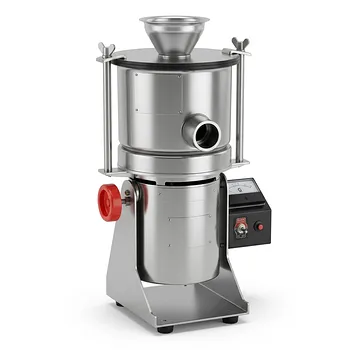
Laboratory Ultrafine Impact and Airflow Grinder for Precise Particle Size Control
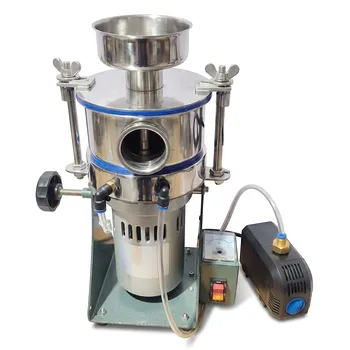
Water Cooled Airflow Ultra Fine Grinder for Low Temperature Material Processing
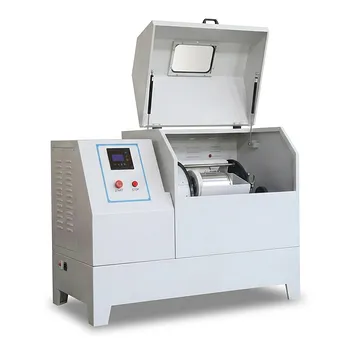
Heavy Duty Horizontal Planetary Ball Mill for Efficient Industrial Grinding and Sample Preparation
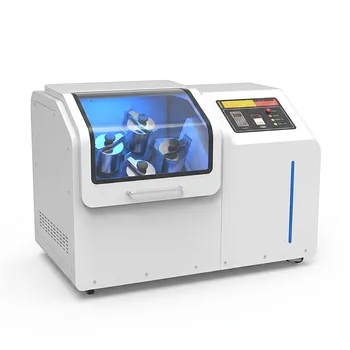
High Energy Omnidirectional Planetary Ball Mill 16L
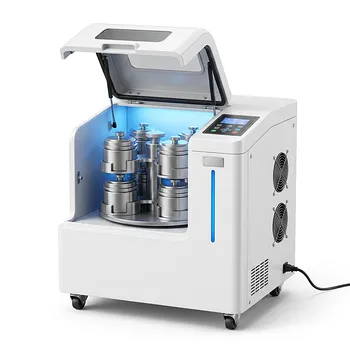
High Energy Omnidirectional Planetary Ball Mill 20L
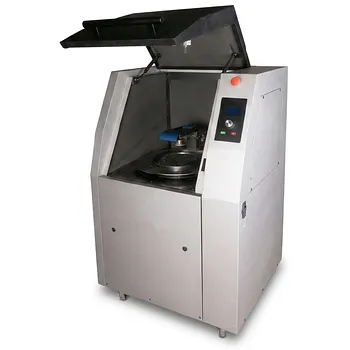
High Speed Vibratory Disc Mill for Spectral Analysis Sample Preparation and Rapid Powder Grinding