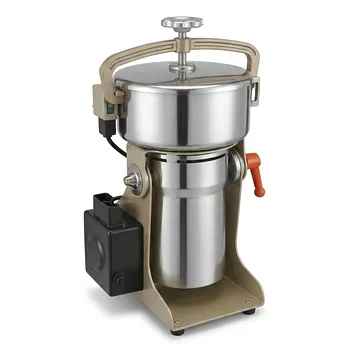
What is the function of an ultra-centrifugal mill and ring sieve? Optimize Wood Powder for Better Wet Extrusion
Updated 5 months ago
The integration of an ultra-centrifugal mill and a ring sieve is critical for achieving precise particle size distribution through high-speed shear forces. This combination refines wood powder to a micron-scale level, which is essential for optimizing material flowability and ensuring stable extrusion performance. By reducing the material to a consistent fineness, the system ensures the resulting mixture is homogeneous enough for high-quality wet extrusion.
This mechanical pretreatment process utilizes high-speed centrifugal acceleration and calibrated sieves to transform raw wood fibers into a highly uniform, high-surface-area powder. This refinement is the foundational requirement for ensuring consistent material flow and structural integrity during the subsequent extrusion phase.
The Mechanical Principles of Particle Refinement
Dual-Action Processing: Impact and Shear
The ultra-centrifugal mill operates using a high-speed rotor equipped with wedge-shaped teeth, typically in configurations of 6, 12, or 24. These teeth accelerate the wood material centrifugally, causing a primary impact pre-grinding phase as the material hits the rotor.
The Role of the Ring Sieve
Fine grinding occurs exclusively in the narrow gap between the high-speed rotor and the fixed ring sieve. As the wood powder is forced through this gap, intense shear forces break down the fibrous structure of the wood into micron-scale particles.
Precision Size Control
The ring sieve acts as a definitive gatekeeper for particle size, with specific apertures commonly ranging from 0.12mm to 0.5mm. This ensures that only particles meeting the exact size requirements can exit the milling chamber, resulting in a narrow particle size distribution.
Enhancing Material Properties for Wet Extrusion
Improving Flowability and Processing
In wet extrusion, the consistency of the paste is dictated by the particle size of the solid phase. Refining the wood powder to a uniform, fine scale significantly enhances flowability, preventing blockages and ensuring a smooth, continuous extrusion through the die.
Increasing Specific Surface Area
The mechanical disruption of the wood’s microstructure increases the specific surface area of the powder. This allows for more efficient interaction between the wood particles and the liquid phase (solvents or binders), leading to a more stable and representative mixture.
Managing Temperature-Sensitive Fibers
Wood is a fibrous and often temperature-sensitive material that can degrade under high heat. The ultra-centrifugal mill minimizes thermal damage due to short residence times in the grinding chamber, preserving the chemical integrity of the wood powder for the extrusion process.
Understanding the Trade-offs
Equipment Wear and Abrasive Samples
While highly effective for soft to medium-hard wood, the high-speed interaction between the rotor and the sieve can lead to mechanical wear over time. If the wood contains high mineral content or contaminants, the precision of the ring sieve may drift as the aperture edges degrade.
Limitations of Sieve Apertures
Choosing an excessively fine sieve (e.g., 0.08mm) can lead to clogging or "blinding" if the wood powder has a high moisture content. Users must balance the need for micron-scale fineness with the physical throughput limits of the specific sieve size to avoid overheating the motor.
Optimizing Pretreatment for Your Goal
When configuring your pretreatment workflow, the choice of rotor and sieve should be dictated by the specific requirements of your extrusion mixture.
- If your primary focus is maximum flowability in narrow dies: Use a 0.12mm ring sieve with a 24-tooth rotor to achieve the highest possible fineness and surface area.
- If your primary focus is high-throughput production: Opt for a 0.5mm sieve to increase the volume of material processed while maintaining a size distribution suitable for standard extrusion.
- If your primary focus is preserving temperature-sensitive compounds: Ensure the shortest residence time by using a high-speed setting and a medium-aperture sieve (0.25mm) to minimize friction-induced heat.
Selecting the correct combination of centrifugal force and sieve aperture ensures that your wood powder is perfectly conditioned for a stable and efficient extrusion process.
Summary Table:
| Component/Feature | Primary Function | Impact on Wet Extrusion |
|---|---|---|
| High-Speed Rotor | Impact & centrifugal shear | Efficiently breaks down tough fibrous wood structures |
| Ring Sieve | Precise aperture filtration | Ensures narrow particle size distribution & consistency |
| Short Residence Time | Thermal management | Minimizes heat buildup to preserve chemical integrity |
| Micron-Scale Milling | Surface area increase | Enhances binder interaction & material flowability |
Elevate Your Material Research with Precision Pretreatment
Achieving the perfect wood powder consistency is the first step toward high-quality wet extrusion. At [Company Name], we provide complete laboratory sample preparation solutions for material science, specializing in advanced powder processing and compaction equipment.
Whether you need to refine fibrous materials using our rotor mills, planetary ball mills, or jet mills, or you require high-pressure consolidation with our Cold/Warm Isostatic Presses (CIP/WIP) and vacuum hot presses, our technology ensures your samples meet the strictest research standards. From jaw crushers for initial reduction to vibratory sieve shakers for final analysis, we offer the tools to optimize your entire workflow.
Ready to enhance your lab’s efficiency and extrusion quality? Contact our experts today to find the ideal solution for your material processing needs!
References
- Takuma Matsuoka, Hiroshi Nonaka. Wet Extrusion of Wood Powder Using a Cellulose Derivative. DOI: 10.2524/jtappij.74.516
Mentioned Products
- Ultra Centrifugal Mill for Rapid Laboratory Sample Preparation and Fine Powder Grinding
- Ultra Centrifugal Mill High Speed Laboratory Grinder for Fibrous and Brittle Sample Preparation
- Vertical Production Planetary Ball Mill for High Throughput Powder Processing
- High Speed Air Induced Ultrafine Pulverizer Laboratory Superfine Powder Mill for Pharmaceutical and Material Science Sample Preparation
- High Speed Laboratory Powder Grinder Small Batch Sample Preparation Mill
People Also Ask
- What is the role of an ultra-centrifugal mill in cork research? Achieve uniform powder for high-precision analysis.
- How Does Sieve Ring Aperture Affect Microplastic Powder Prep? Ensure Precise Particle Size & Reproducibility
- What is the function of a centrifugal mill in dietary fiber processing? Ensure precise size & preserve fiber integrity
- What is the role of a high-speed centrifugal mill in the preparation of microplastic reference materials? Precision Guide
- What are the mechanical protection benefits of using a V-belt drive in a centrifugal mixer? Ensure Equipment Longevity

Tech Team · PowderPreparation
Last updated on May 14, 2026
Related Products
Ultra Centrifugal Mill for Rapid Laboratory Sample Preparation and Fine Powder Grinding
Ultra Centrifugal Mill High Speed Laboratory Grinder for Fibrous and Brittle Sample Preparation
Vertical Production Planetary Ball Mill for High Throughput Powder Processing
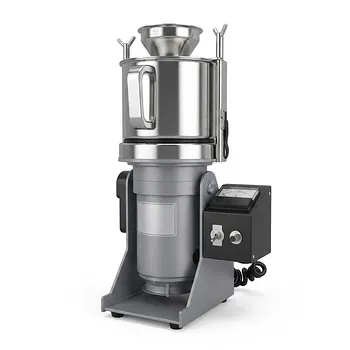
High Speed Air Induced Ultrafine Pulverizer Laboratory Superfine Powder Mill for Pharmaceutical and Material Science Sample Preparation
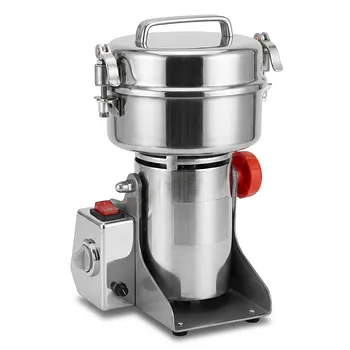
High Speed Laboratory Powder Grinder Small Batch Sample Preparation Mill
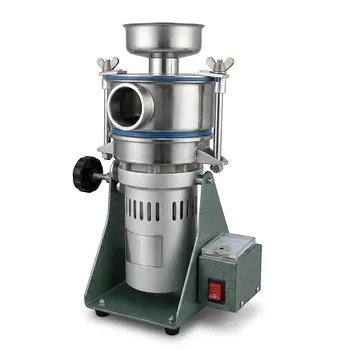
Small Airflow Ultra-Fine Grinder for Laboratory Sample Preparation
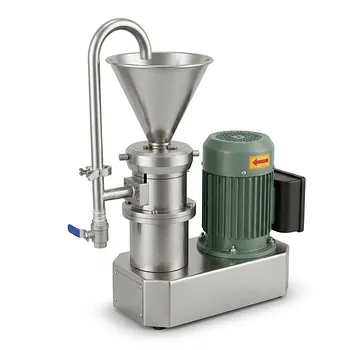
Small Laboratory Colloid Mill for Ultra-Fine Wet Grinding and Emulsification

Three Dimensional Rotary Vibrating Sieve
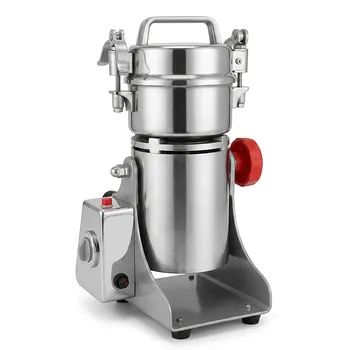
Industrial High Speed Small Sample Pulverizer Swing Type Laboratory Grinder for Powder Processing
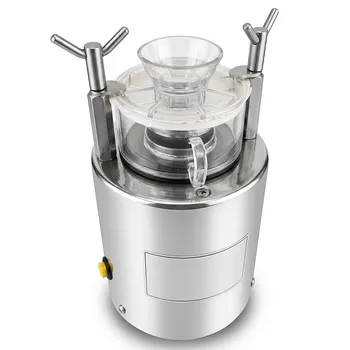
Laboratory Desktop Ultra Fine Powder Grinder High Speed Micronizing Pulverizer
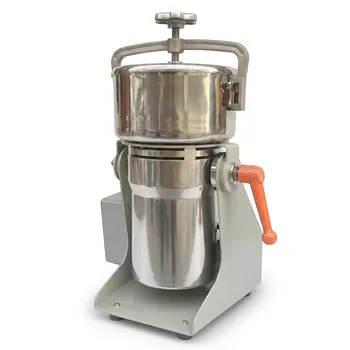
High Speed Laboratory Grinder Efficient Stainless Steel Powder Pulverizer Universal Material Science Mill for Sample Preparation
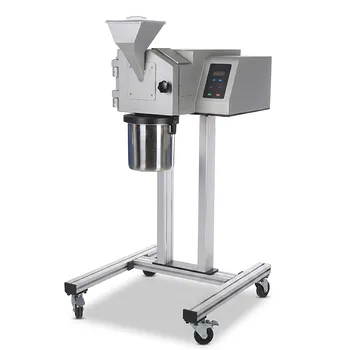
Cross Beater Mill for Brittle Material Grinding and Continuous Fine Crushing Industrial Sample Preparation
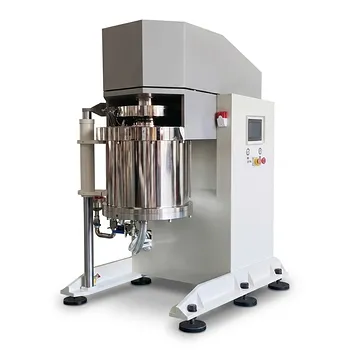
Vertical Nano Bead Mill for Ceramic Materials with Permanent Magnet Motor and High Efficiency Grinding
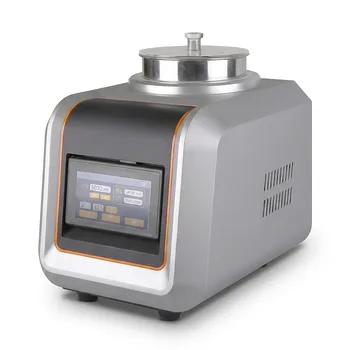
Laboratory Air Jet Sieving Machine for Fine Powder Particle Size Analysis and Deagglomeration
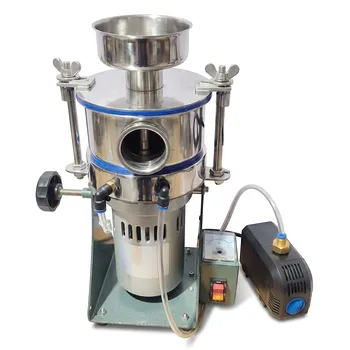
Water Cooled Airflow Ultra Fine Grinder for Low Temperature Material Processing
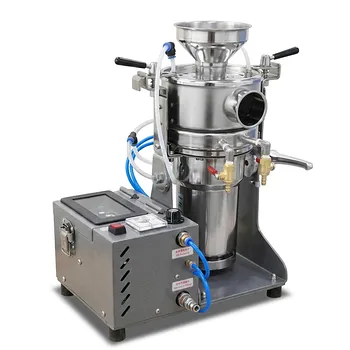
Water Cooled Pulse Jet Ultrafine Grinder

Stainless Steel Rotary Vibrating Sieve High Precision Circular Vibratory Separator Industrial Powder Grading Machine Multi Layer Sifting Equipment
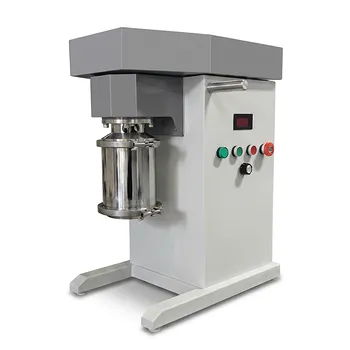
Nano Laboratory Bead Mill Desktop Sub Micron Sand Mill Screenless Seal Less Powder Grinder
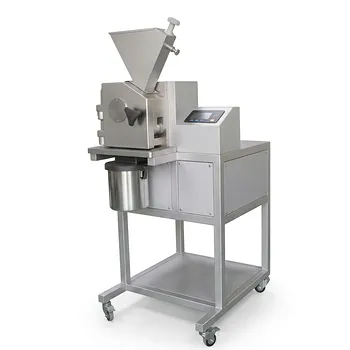
Heavy Metal Free RoHS WEEE Testing Sample Pretreatment Cutting Mill Industrial Solid Waste Grinder for Plastics and Electronics