What is the role of a two-stage grinding process in preparing biochar fillers for wood modification? Achieve Micron Precision
Updated 5 months ago
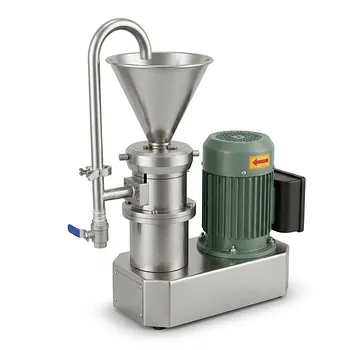
The two-stage grinding process is the critical bridge between raw material and functional filler. It utilizes a combination of crude and fine grinding equipment to systematically reduce bulk biochar into ultra-fine, micron-level powders. This phased reduction is essential because only particles at this microscopic scale can successfully penetrate the intricate pore structures of wood to achieve effective modification.
A two-stage grinding approach ensures precise particle size control, transforming bulk biochar into a microscopic filler capable of deep penetration into wood fibers. This phased method maximizes surface area and optimizes the physical interaction between the biochar and the wood matrix.
The Mechanics of Phased Reduction
Crude Grinding for Initial Volumetric Reduction
The first stage focuses on breaking down bulk commercial biochar into manageable fragments. This phase handles the high-volume throughput required to transition from raw charred material to a coarse powder.
Fine Grinding for Micron-Level Precision
The second stage employs specialized equipment to refine the coarse powder into ultra-fine particles. This level of precision is necessary to reach the micron-level scale required for high-performance wood fillers.
The Role of Sieving in Size Control
Incorporating industrial-grade mills with specific ring sieves allows for a strict upper limit on particle size. This ensures uniformity across the entire batch, preventing oversized particles from clogging wood pores during the modification process.
Enhancing Wood-Filler Interaction
Penetrating the Intricate Wood Pore Structure
Wood is a naturally porous material with microscopic channels that vary in size. The two-stage process ensures the biochar is fine enough to travel deep into these structures rather than simply sitting on the surface.
Maximizing Specific Surface Area
Reducing biochar to an ultra-fine state significantly increases its specific surface area. A higher surface area facilitates better bonding and interaction between the biochar filler and the wood substrate.
Improving Substrate Accessibility
Just as grinding wood chips improves acid penetration during pretreatment, ultra-fine biochar grinding improves the overall "reach" of the filler. This leads to a more homogenous modification of the wood’s physical properties.
Understanding the Trade-offs
Energy Consumption and Processing Time
Achieving ultra-fine particle sizes requires significantly more energy than simple crushing. A two-stage process is more efficient than a single-stage attempt, but it still demands higher operational costs and longer processing times.
Material Handling and Dust Management
As particles reach the micron level, they become more difficult to contain and handle. Advanced filtration and dust collection systems are mandatory to prevent material loss and ensure workplace safety.
Potential for Over-Processing
Extreme grinding can sometimes alter the chemical properties or structural integrity of the biochar itself. Finding the balance between "fine enough for penetration" and "too fine for structural benefit" is a constant technical challenge.
How to Apply This to Your Project
When implementing a grinding strategy for biochar fillers, align your equipment choices with your specific modification goals:
- If your primary focus is deep structural infusion: Prioritize the fine-grinding stage and utilize a 0.5 mm or smaller ring sieve to ensure particles can enter the smallest wood pores.
- If your primary focus is cost-effective surface coating: Lean more heavily on the crude grinding stage to maintain a larger particle size, which reduces energy costs while still providing a functional surface layer.
- If your primary focus is maximizing chemical reactivity: Focus on achieving the highest possible specific surface area through extended fine-grinding cycles to expose more active sites on the biochar.
By mastering the transition from bulk material to micron-level powder, you can unlock the full potential of biochar as a transformative wood modification agent.
Summary Table:
| Grinding Stage | Equipment Type | Particle Size Goal | Primary Benefit for Wood Modification |
|---|---|---|---|
| Stage 1: Crude | Jaw/Roll Crushers | Coarse Powder | Efficient volumetric reduction of bulk biochar. |
| Stage 2: Fine | Planetary/Jet Mills | Micron-Level | Enables deep penetration into microscopic wood pores. |
| Sieving | Sieve Shakers | Uniform Limit | Prevents clogging and ensures homogenous distribution. |
Elevate Your Material Research with Precision Grinding
Achieving the perfect micron-level filler is critical for successful wood modification. At our core, we provide complete laboratory sample preparation solutions tailored for material science. Whether you are processing biochar, ceramics, or polymers, our expert-grade equipment ensures consistent results.
Our Specialized Solutions Include:
- Size Reduction: Advanced jaw/roll crushers and a diverse range of mills (planetary ball, jet, sand, disc, and rotor) for achieving ultra-fine powders.
- Classification: Precision vibratory and air-jet sieve shakers for strict particle size control.
- Compaction & Processing: A full spectrum of hydraulic presses, including Cold/Warm Isostatic Presses (CIP/WIP), vacuum hot presses, and high-performance powder mixers.
Ready to optimize your biochar processing workflow? Contact our technical team today to find the ideal equipment configuration for your specific research or production goals!
References
- Tania Langella, David DeVallance. Modification of wood via biochar particle impregnation. DOI: 10.1007/s00107-023-02032-4
Mentioned Products
- Low Temperature Water Cooled Continuous Feed Grinder Two Stage Coarse and Fine Grinding System
- Cryogenic Liquid Nitrogen Grinder for DNA Analysis and Polymer Pulverization with Automatic Cooling and Electromagnetic Impact Technology
- Water Cooled Graduated Continuous Feed Pulverizer for Industrial Powder Processing and Laboratory Material Preparation
- Small High Speed Grinder for Laboratory Sample Preparation
- Industrial Knife Mill for Food and Biological Sample Preparation High Speed Laboratory Homogenizer
People Also Ask
- What is the primary function of grinding equipment during the raw material preparation stage for aluminum matrix composites?
- Why are agate grinding elements preferred when preparing plant powder samples through micronization? For Purity
- Why is Warm Isostatic Pressing (WIP) used for laser-sintered parts? Maximize Density & Structural Integrity
- Why is laboratory hydraulic pressing necessary for Bi-2212 specimens? Achieve High Density & Grain Alignment
- What is the primary purpose of using grinding equipment during the pretreatment of natural fiber raw materials? Boost Surface Area

Tech Team · PowderPreparation
Last updated on May 14, 2026
Related Products
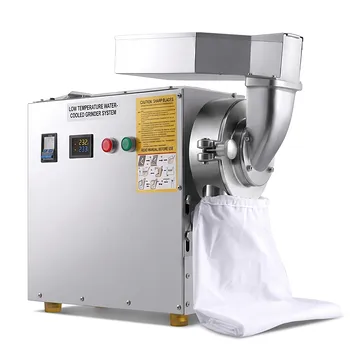
Low Temperature Water Cooled Continuous Feed Grinder Two Stage Coarse and Fine Grinding System
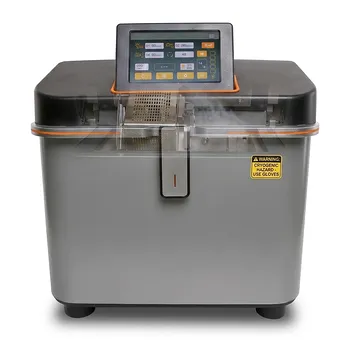
Cryogenic Liquid Nitrogen Grinder for DNA Analysis and Polymer Pulverization with Automatic Cooling and Electromagnetic Impact Technology
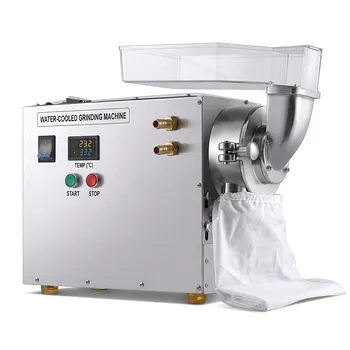
Water Cooled Graduated Continuous Feed Pulverizer for Industrial Powder Processing and Laboratory Material Preparation
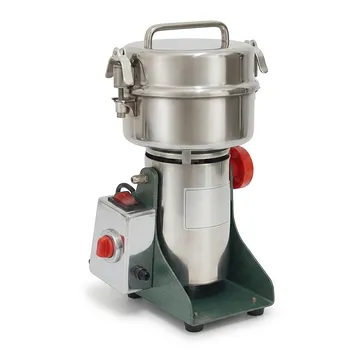
Small High Speed Grinder for Laboratory Sample Preparation
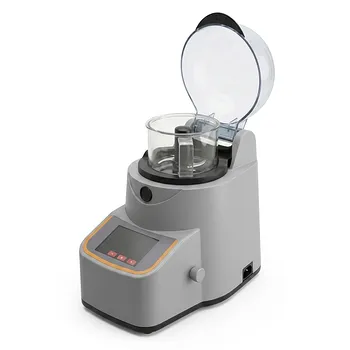
Industrial Knife Mill for Food and Biological Sample Preparation High Speed Laboratory Homogenizer
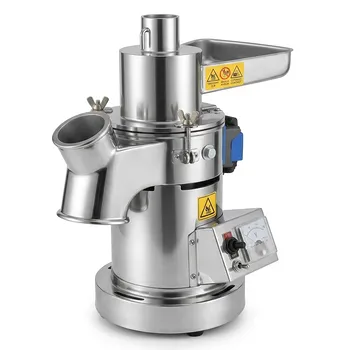
Continuous Feeding Grinder High Efficiency Pulverizer for Lab Sample Preparation
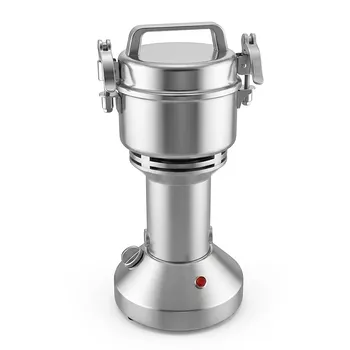
Small High Speed Upright Grinder for Laboratory Sample Preparation
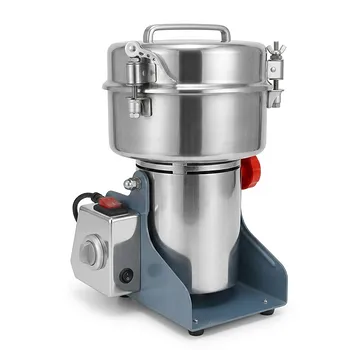
Small High-Speed Grinder for Efficient Laboratory Sample Preparation
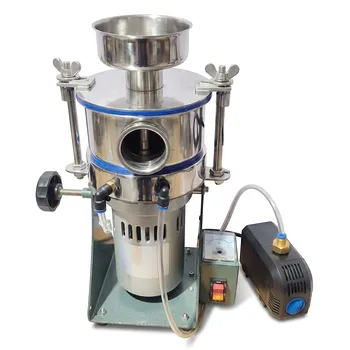
Water Cooled Airflow Ultra Fine Grinder for Low Temperature Material Processing
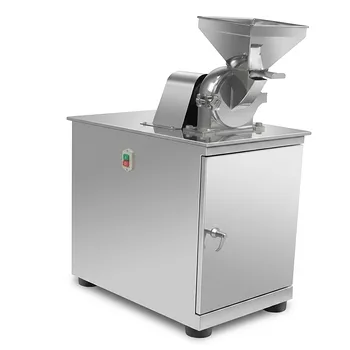
Universal Laboratory Pulverizer Grinder for Small Batch Powder Processing and Material Science Research
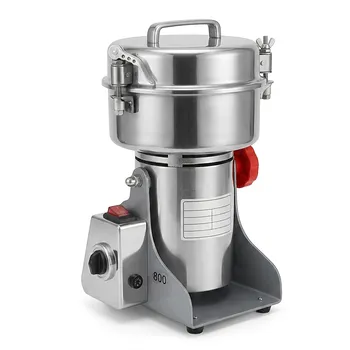
Small High-Speed Laboratory Grinder for Rapid Sample Preparation
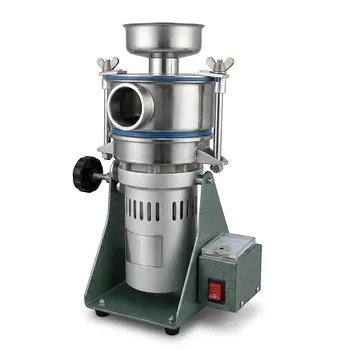
Small Airflow Ultra-Fine Grinder for Laboratory Sample Preparation
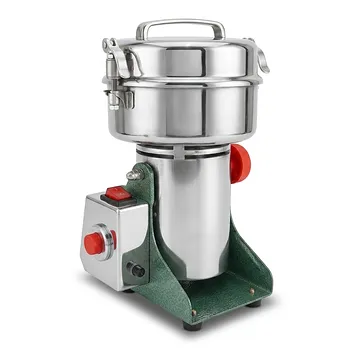
Small High-Speed Laboratory Grinder for Powder Processing
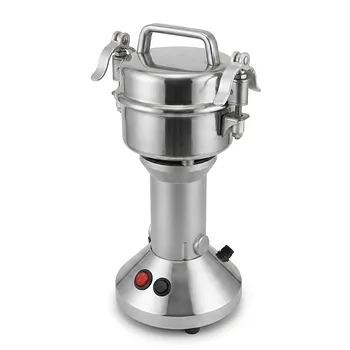
Continuous Feeding Grinding Mill for Dry Fibrous Tough and Hard Materials in Laboratory and Small Production
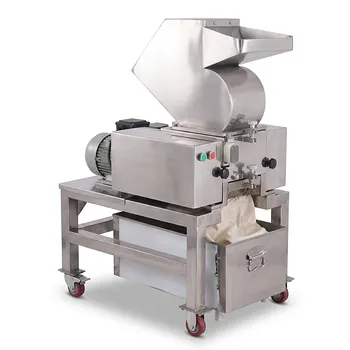
Stainless Steel Coarse Crusher for Pharmaceutical Food and Plastic Material Processing
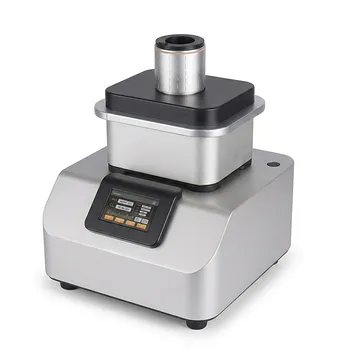
Ultra Centrifugal Mill High Speed Laboratory Grinder for Fibrous and Brittle Sample Preparation
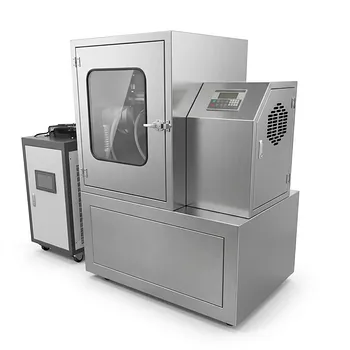
Vibratory Superfine Grinder for Ultra Fine Laboratory Powder Milling
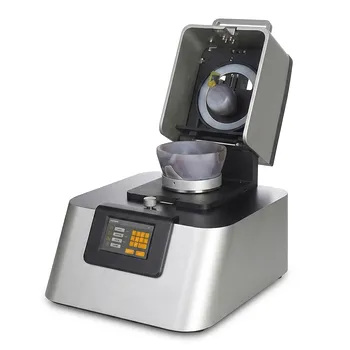
Laboratory Mortar Grinder for Sample Preparation and Cryogenic Powder Homogenization
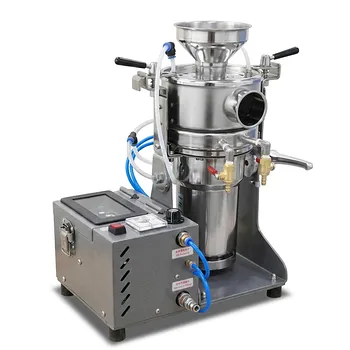
Water Cooled Pulse Jet Ultrafine Grinder