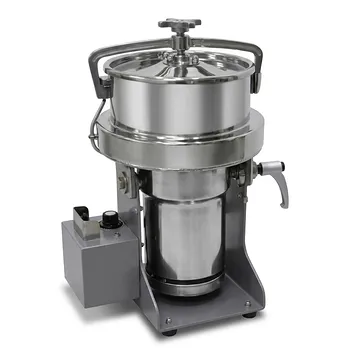
How does a cooling system in a grinding chamber contribute to the stability of drug nanosuspensions during milling? API Care
Updated 5 months ago
Temperature control is the primary safeguard against thermal degradation and physical instability during the milling process. By actively offsetting the high-intensity mechanical heat generated during grinding, a cooling system ensures that the drug substance remains within its optimal thermal range, preventing chemical breakdown and maintaining the desired crystalline structure of the nanosuspension.
High-energy milling generates substantial process heat that can jeopardize the integrity of heat-sensitive pharmaceuticals. A precision cooling system maintains a stable, low-temperature environment, which is essential for preventing drug degradation and ensuring the repeatability of the nanonization process.
The Thermal Challenge of High-Energy Milling
Heat Generation from Mechanical Stress
The process of reducing particles to the nanoscale requires high-intensity mechanical stress. This energy input inevitably converts into significant process heat within the grinding chamber.
Impact on the Grinding Environment
Without intervention, this heat causes the internal temperature of the container to rise rapidly. This localized heating can reach levels that exceed the thermal stability threshold of many active pharmaceutical ingredients (APIs).
Protecting Molecular and Physical Integrity
Preventing Chemical Degradation
Many modern drug compounds are heat-sensitive and will undergo chemical decomposition if exposed to elevated temperatures. A cooling system keeps the internal environment at a low and stable level, effectively halting thermal degradation pathways.
Avoiding Unintended Physical State Changes
Excessive heat can trigger polymorphic transitions or cause a drug to shift from a crystalline to an amorphous state. By maintaining a constant temperature, the cooling system ensures the physical stability of the nanosuspension and preserves the intended solid-state characteristics.
Ensuring Process Repeatability
Stability is not just about the drug, but the process itself. Precise temperature control allows for consistent milling conditions across different batches, ensuring that every run produces a nanosuspension with the same quality profile.
Understanding the Trade-offs and Limitations
Energy Efficiency vs. Thermal Precision
Achieving extremely low, precise temperatures requires significant energy consumption and more complex equipment. Manufacturers must balance the need for thermal stability with the operational costs of high-powered chilling units.
Potential for Over-Cooling
While heat is the enemy, excessive cooling can sometimes increase the viscosity of the suspension medium. This change in fluid dynamics can occasionally reduce milling efficiency or lead to blockages in high-precision grinding systems.
How to Apply Temperature Control to Your Milling Project
Effective thermal management is critical for translating a laboratory-scale formula into a robust manufacturing process.
- If your primary focus is Heat-Sensitive APIs: Prioritize a grinding chamber with a jacketed cooling system and real-time temperature monitoring to prevent any risk of chemical degradation.
- If your primary focus is Polymorphic Stability: Ensure the cooling system can maintain a narrow temperature window to prevent energy-induced shifts in the drug’s crystalline structure.
- If your primary focus is High-Throughput Production: Implement a high-capacity chiller that can rapidly dissipate heat to allow for continuous operation without thermal spikes.
By integrating a robust cooling system into the grinding chamber, you transform a high-stress mechanical process into a controlled environment that guarantees the long-term stability of the drug nanosuspension.
Summary Table:
| Key Factor | Impact Without Cooling | Benefit of Cooling System |
|---|---|---|
| Chemical Integrity | Thermal degradation & API decomposition | Halts degradation; maintains molecular purity |
| Physical Stability | Amorphous shifts & polymorphic transitions | Preserves intended crystalline structure |
| Process Control | Inconsistent batches & thermal spikes | Ensures process repeatability and quality |
| Milling Efficiency | Rapid internal temperature rise | Enables continuous, high-intensity operation |
Optimize Your Nanonization with Precision Thermal Control
Maintaining the integrity of heat-sensitive APIs requires more than just a mill—it requires a controlled environment. We provide complete laboratory sample preparation solutions for material science, specializing in advanced powder processing and compaction equipment.
Whether you are developing drug nanosuspensions or advanced materials, our extensive line includes:
- High-Precision Milling: Planetary ball mills, liquid nitrogen cryogenic grinders, jet mills, and disc mills.
- Sample Preparation: Jaw/roll crushers, sieve shakers, and high-performance powder mixers.
- Advanced Compaction: A full spectrum of hydraulic presses, including Cold/Warm Isostatic Presses (CIP/WIP), vacuum hot presses, and XRF pellet presses.
Ready to elevate your lab's efficiency and ensure product stability? Our experts are here to help you select the right equipment for your specific thermal and mechanical requirements.
Contact our specialists today to find your solution!
References
- Ann-Cathrin Willmann, Karl Wagner. Itraconazole Nanosuspensions via Dual Centrifugation Media Milling: Impact of Formulation and Process Parameters on Particle Size and Solid-State Conversion as Well as Storage Stability. DOI: 10.3390/pharmaceutics14081528
Mentioned Products
- Water Cooled Continuous Feed Pulverizer Laboratory Grade Herb and Material Grinding System
- Water Cooled Pulse Jet Ultra Fine Pulverizer for Continuous Grinding
- Low Temperature Water Cooled Continuous Feed Grinder Two Stage Coarse and Fine Grinding System
- Water Cooled Cryogenic Ultra Fine Cell Wall Breaking Mill
- Water Cooled Graduated Continuous Feed Pulverizer for Industrial Powder Processing and Laboratory Material Preparation
People Also Ask
- What are the core processing advantages of vacuum hot pressing for magnesium alloy composites? Maximize Material Purity.
- What is the role of a vacuum hot press sintering furnace in CBST target prep? Achieve high-density & pure alloy targets.
- Why are perforated metal frames and venting liners required in hot pressing bio-based particleboard? Manage Steam Pressure
- Why is a vacuum hot press sintering furnace necessary for producing silicon-based advanced materials? Achieve High-Purity
- Why is Warm Isostatic Pressing (WIP) used for laser-sintered parts? Maximize Density & Structural Integrity

Tech Team · PowderPreparation
Last updated on May 14, 2026
Related Products
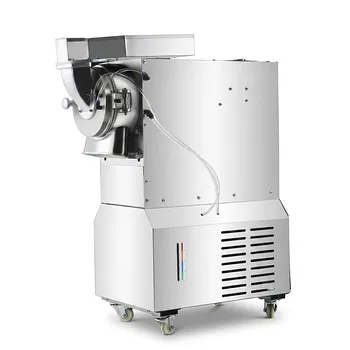
Water Cooled Continuous Feed Pulverizer Laboratory Grade Herb and Material Grinding System
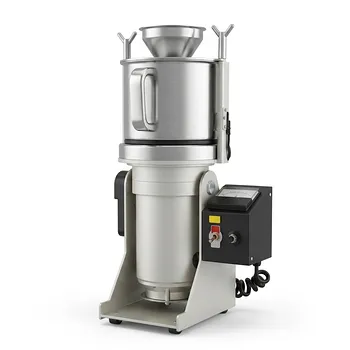
Water Cooled Pulse Jet Ultra Fine Pulverizer for Continuous Grinding
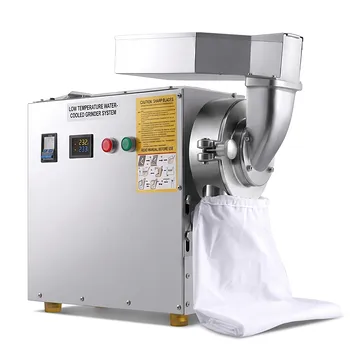
Low Temperature Water Cooled Continuous Feed Grinder Two Stage Coarse and Fine Grinding System
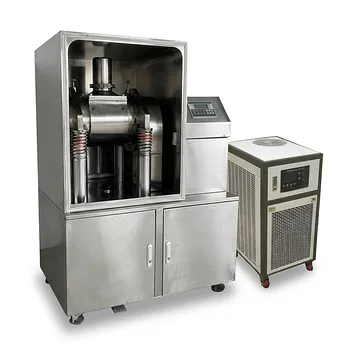
Water Cooled Cryogenic Ultra Fine Cell Wall Breaking Mill
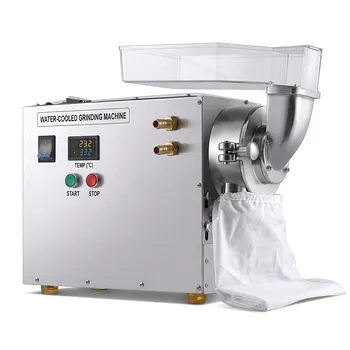
Water Cooled Graduated Continuous Feed Pulverizer for Industrial Powder Processing and Laboratory Material Preparation
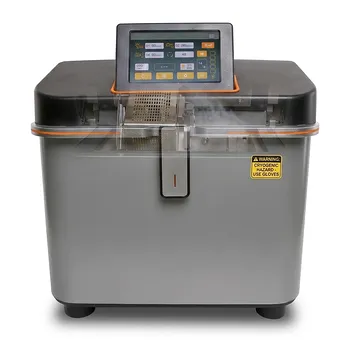
Cryogenic Liquid Nitrogen Grinder for DNA Analysis and Polymer Pulverization with Automatic Cooling and Electromagnetic Impact Technology
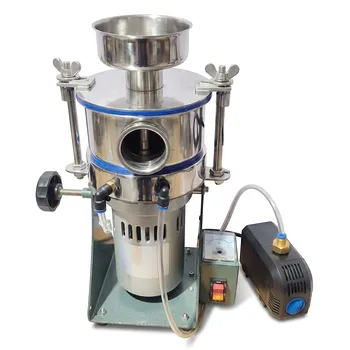
Water Cooled Airflow Ultra Fine Grinder for Low Temperature Material Processing
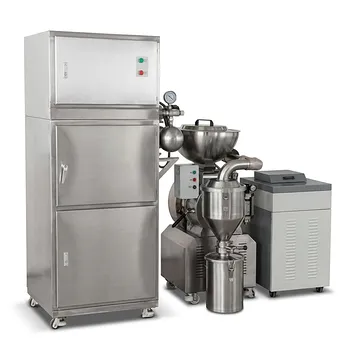
Water-Cooled Pulse Dust Removal Air Classifying Ultrafine Grinder
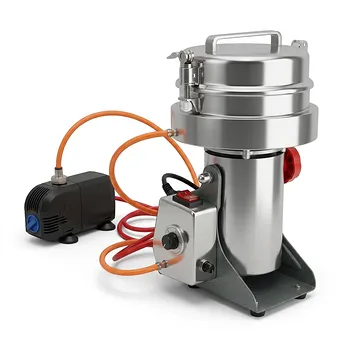
Water Cooled High Speed Grinder with Cryogenic Option for Laboratory Sample Preparation
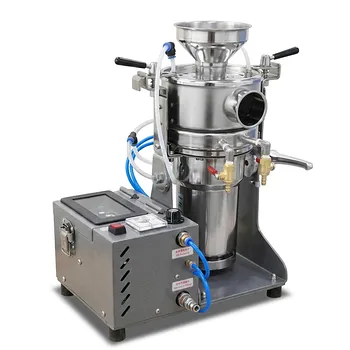
Water Cooled Pulse Jet Ultrafine Grinder