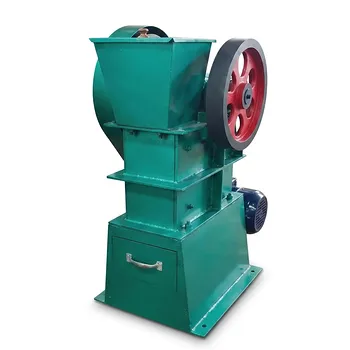
How do crushing & division equipment ensure coal sample representativeness? Essential Lab Prep Guide.
Updated 4 months ago
The representativeness of a coal sample depends on the precision of crushing and division equipment to maintain the chemical integrity of the bulk material at a smaller scale.
Crushing equipment achieves this by reducing particle size to eliminate physical heterogeneity, while division equipment reduces mass without altering the proportional distribution of coal components. By strictly controlling the particle size, mixing frequency, and the specific amount of sample retained, these systems eliminate systematic deviations. This ensures that the final laboratory-grade sample is a technically accurate proxy for the original bulk material.
Core Takeaway: To ensure a laboratory sample is representative, a preparation system must mechanically standardize particle size to remove physical variances and divide the mass using precise ratios that preserve the material's original composition.
The Role of Controlled Crushing in Eliminating Heterogeneity
Achieving Uniform Particle Size
Crushing equipment reduces large, irregular coal chunks into a specified, uniform particle size. This process standardizes the physical state of the material, which is essential because raw coal is inherently heterogeneous. By cutting and grinding the material down—often to sizes as small as 1.3 cm or even 210 microns—the equipment ensures that the physical differences between individual pieces are minimized.
Increasing Specific Surface Area for Analysis
Reducing particle size significantly increases the specific surface area of the coal sample. This is a critical step for ensuring that subsequent chemical reactions during industrial analysis—such as moisture, ash, and volatile matter determination—are complete and accurate. A higher surface area allows for more uniform exposure to reagents and heat, leading to more reliable data.
Homogenizing Diverse Components
In many coal-based or fuel-derived systems, the raw material contains diverse components like fibers or minerals. Advanced crushing equipment grinds these disparate elements into a consistent matrix. This standardization ensures that the small test sample used in the lab accurately represents the true composition of the entire batch.
Precision Division and the Retention of Proportional Mass
Controlling Retained Sample Ratios
Once the coal is crushed, division equipment must reduce the total mass to a manageable laboratory size. This is not a random process; the equipment is designed to retain a specific portion of the sample that remains representative of the whole. By strictly controlling the amount of sample retained, the system prevents the over-representation or under-representation of specific coal fractions.
Eliminating Systematic Deviations
Division equipment is engineered to minimize "bias" or systematic errors that can occur when a sample is split. High-quality dividers ensure that every part of the crushed coal stream has an equal probability of being included in the final sample. This mechanical objectivity is what allows a few grams of coal to stand in for thousands of tons of bulk material.
Maintaining Uniformity Through Mixing
Many division systems include a mixing component or frequency control to ensure the material is homogenized before it is split. This internal mixing prevents the "settling" of heavier particles, such as minerals or ash-forming components, at the bottom of the sample. Maintaining this uniformity throughout the division stage is vital for protecting the integrity of the data.
Understanding the Trade-offs and Risks
Managing Moisture Loss and Heat
Mechanical crushing and grinding generate heat through friction, which can inadvertently drive off inherent moisture. If the temperature is not controlled, the moisture analysis in the lab will be artificially low, skewing the total energy value (CV) of the coal. Operators must balance the need for fine grinding with the risk of thermal degradation.
The Risk of Cross-Contamination
In high-throughput systems, material carryover between different batches is a common pitfall. If the crushing chambers are not designed for easy cleaning or do not feature self-cleaning mechanisms, residues from a previous high-ash sample could contaminate a subsequent low-ash sample. This "memory effect" can lead to significant errors in reporting.
Particle Size vs. Dust Loss
Extremely fine grinding increases representativeness but also increases the risk of "fines" or dust loss. If the lightest and finest particles escape the system as dust, the remaining sample is no longer representative of the original bulk. Effective systems must be sealed or utilize dust collection that returns the fines to the sample stream.
How to Apply This to Your Project
Selecting Equipment Based on Your Analysis Goals
- If your primary focus is elemental analysis (C, H, N): Prioritize equipment capable of fine-grinding to the 210-micron level to ensure complete chemical combustion.
- If your primary focus is moisture or volatile matter: Ensure your crushing system minimizes heat generation and has a sealed grinding chamber to prevent the loss of moisture or light gases.
- If your primary focus is high-volume quality control: Invest in automated division systems with high mixing frequencies to ensure consistency across large batches without manual bias.
True representativeness is achieved only when mechanical precision in size reduction is perfectly matched with a proportional and unbiased reduction in mass.
Summary Table:
| Process | Primary Function | Key Impact on Representativeness |
|---|---|---|
| Crushing | Reduces particle size (1.3cm - 210µm) | Eliminates physical heterogeneity and increases specific surface area. |
| Division | Reduces mass via specific ratios | Preserves proportional distribution and prevents over-representation of fractions. |
| Mixing | Homogenizes material before splitting | Prevents settling of heavy minerals/ash to maintain batch-wide consistency. |
| Sealing | Contains dust and moisture | Prevents loss of "fines" and thermal degradation of inherent moisture levels. |
Achieve Uncompromising Accuracy in Your Material Preparation
True representativeness in laboratory analysis starts with precision engineering. At our company, we provide complete laboratory sample preparation solutions for material science, specializing in high-performance powder processing and compaction equipment designed to eliminate systematic bias.
Our extensive product lines are engineered to meet the strictest industry standards:
- Crushing & Grinding: High-durability jaw/roll crushers, liquid nitrogen cryogenic grinders, and a variety of mills (planetary ball, jet, sand/bead, disc, rotor).
- Sizing & Mixing: Precision sieve shakers (vibratory/air-jet) with various test sieves, along with high-efficiency powder and defoaming mixers.
- Advanced Compaction: A full spectrum of hydraulic presses, including Cold/Warm Isostatic Presses (CIP/WIP), standard lab presses, XRF pellet presses, and vacuum hot presses.
Whether you are processing coal or advanced minerals, our solutions ensure your laboratory samples are technically accurate proxies of your bulk material. Contact our technical experts today to discuss your specific requirements and enhance your lab's reliability.
References
- H. Xi, Fei Mi. Research on Control Measures for Coal Testing Accuracy. DOI: 10.47297/taposatwsp2633-456902.20240504
Mentioned Products
- Laboratory Sealed Hammer Crushers for Coal Sample Preparation and Medium Strength Material Crushing
- Sealed Laboratory Double Roll Crusher for Coal, Mineral, Ore Sample Preparation
- Precision Toothed Roll Crusher for Laboratory Coal and Mineral Sample Preparation
- Sealed Double Roll Crusher for Laboratory Coal and Ore Sample Preparation
- Laboratory Sealed Double Roll Crusher for Coal Ore Rock and Medium Hardness Materials Sample Preparation
People Also Ask
- What is the primary role of laboratory crushers in the recycling process of inorganic old sand? Essential for Sand Reuse
- What is the primary function of laboratory-scale crushers in the pre-treatment stage of iron ore bio-dephosphorization?
- Lab Crusher's Role in Banana Stem Cellulose Extraction? Enhance Your Raw Material Preparation Now
- What role does a laboratory hammer mill play in composite powder prep? Precision Grinding for Uniform Blending.
- What role does a laboratory hammer mill play in bio-based particleboard prep? Optimize Feedstock for Better Bonding

Tech Team · PowderPreparation
Last updated on Jun 03, 2026
Related Products
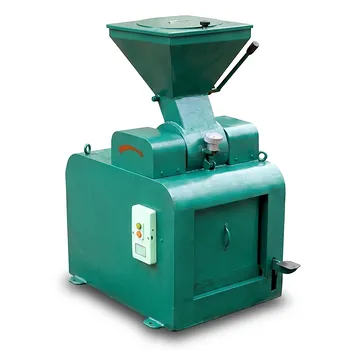
Laboratory Sealed Hammer Crushers for Coal Sample Preparation and Medium Strength Material Crushing
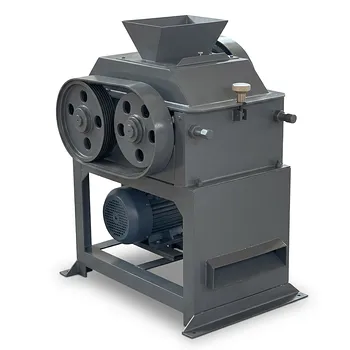
Sealed Laboratory Double Roll Crusher for Coal, Mineral, Ore Sample Preparation
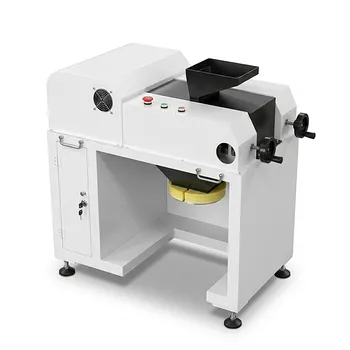
Precision Toothed Roll Crusher for Laboratory Coal and Mineral Sample Preparation
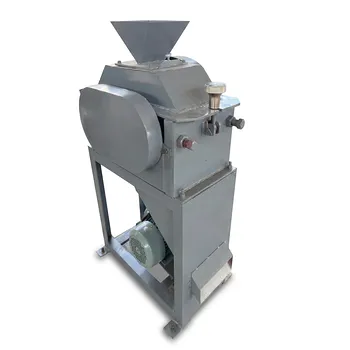
Sealed Double Roll Crusher for Laboratory Coal and Ore Sample Preparation
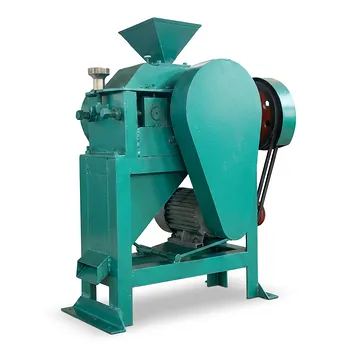
Laboratory Sealed Double Roll Crusher for Coal Ore Rock and Medium Hardness Materials Sample Preparation
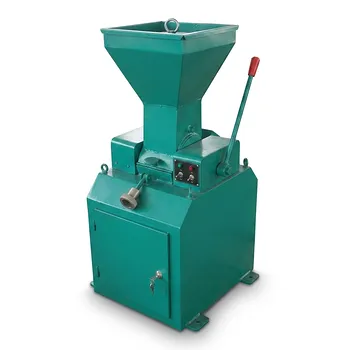
Laboratory Sealed Hammer Crusher for Coal and Mineral Sample Preparation
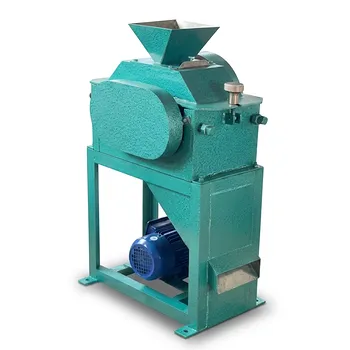
Laboratory Double Roll Crusher for Medium Hardness Materials Coal Ore Sample Preparation
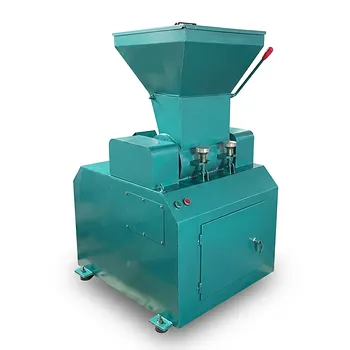
Sealed Hammer Crusher for Laboratory Coal Sample Preparation Adjustable Output Size
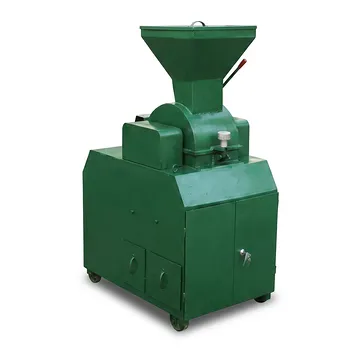
Industrial Sealed Hammer Knife Crusher for Mining Ore and Coal Sample Preparation
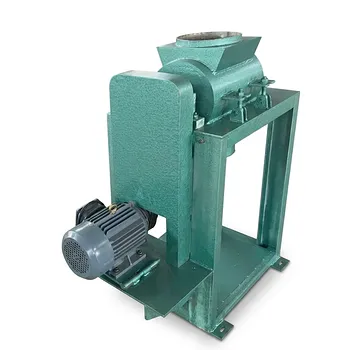
Customized Sealed Laboratory Hammer Crusher for Coal and Medium Hardness Sample Preparation
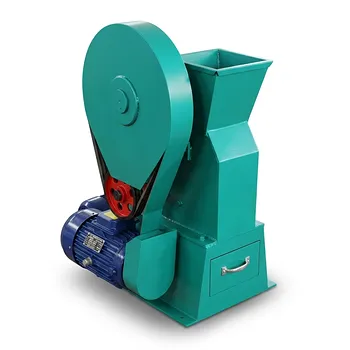
Small Laboratory Jaw Crusher 125x100mm Feed Opening for Sample Preparation
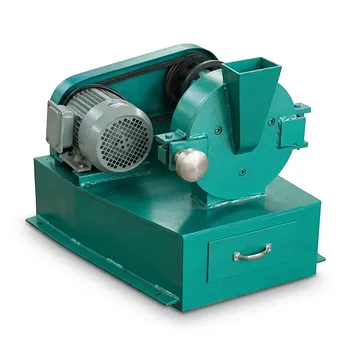
Medium Hardness Material Disc Pulverizer for Coal Ore Sample Preparation
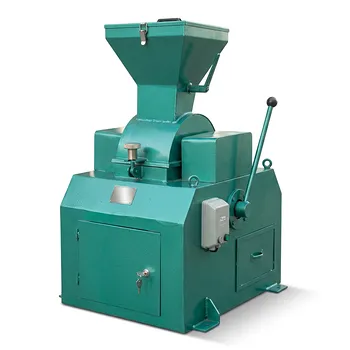
Laboratory Sealed Hammer Blade Crusher Divider for High Hardness Sample Preparation
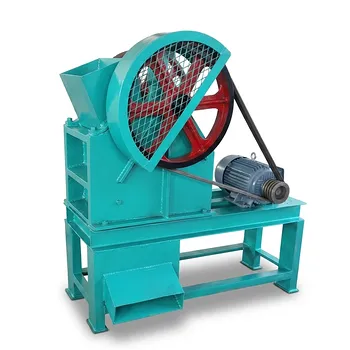
150x250mm Custom Laboratory Jaw Crusher for Coal Ore Mineral Crushing
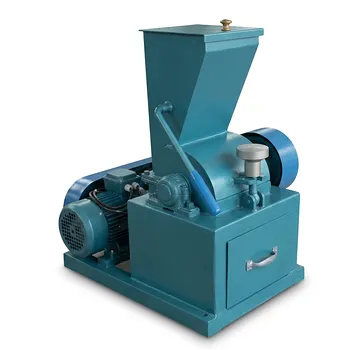
Small Hammer Crusher for Brittle Material Crushing in Mining Metallurgy and Lab Sample Preparation
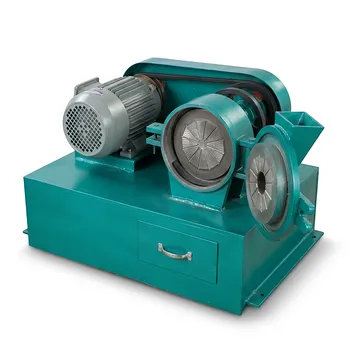
Laboratory Disc Pulverizer for Coal Coke Ore and Medium Hard Materials Sample Preparation
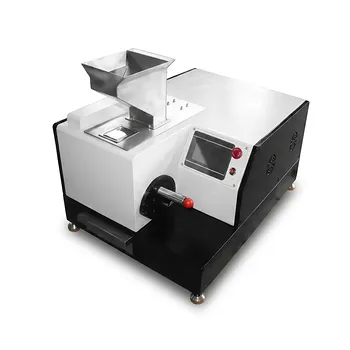
Experimental Jaw Crusher for Laboratory Ore Crushing and Sample Preparation
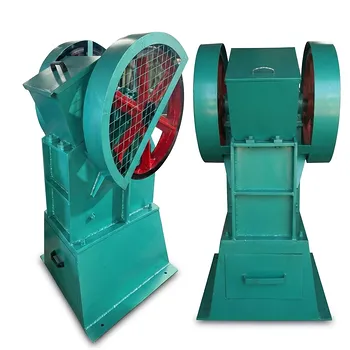
Sealed Jaw Crusher for Laboratory Material Crushing and Sample Preparation
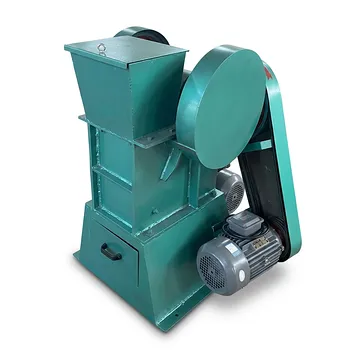
Small Laboratory Jaw Crusher 150x200mm Feed Opening for Sample Preparation and Medium Fine Crushing