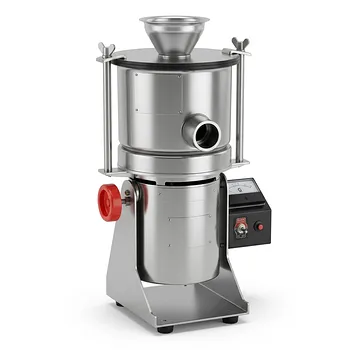
What is the role of a high-speed sand mill in zinc phosphate modified epoxy coatings? Achieve Superior Uniformity
Updated 3 months ago
A high-speed sand mill is the critical mechanical engine for achieving microscopic uniformity in zinc phosphate modified epoxy coatings.
By applying intense shear forces and high-frequency collisions, the mill breaks down pigment agglomerates to ensure zinc phosphate is evenly distributed throughout the resin matrix. This process is essential for creating a continuous physical barrier that protects the substrate from corrosion and ensures the structural integrity of the final film.
The high-speed sand mill transforms coarse pigment clusters into a stable, homogenous dispersion, which is the fundamental requirement for the anti-corrosive performance of epoxy coatings. Without this precise mechanical processing, the coating would suffer from structural voids and inconsistent shielding.
The Mechanics of Dispersion and De-agglomeration
Overcoming Interfacial Forces
Pigments like zinc phosphate naturally tend to clump together into "agglomerates" due to high surface energy and intermolecular forces. The sand mill uses internal grinding media to generate intense impact, shear, and friction that overcome these attractive forces.
Achieving Nanoscale Refinement
Operating at speeds typically between 1000 and 1500 rpm, the mill utilizes high-frequency collisions to refine particles. This mechanical action can reduce materials to the nanometer scale (often reaching a D90 of 100-200 nm), allowing them to integrate seamlessly into the epoxy polymer network.
Creating a Homogenous Slurry
The goal of the milling process is to produce a homogenous slurry where every pigment particle is fully wetted by the resin. This uniformity prevents the "clumping" that leads to weak spots in the cured coating.
Impact on Coating Performance
Formation of a Dense Physical Barrier
Uniform distribution of zinc phosphate creates a dense, non-porous layer within the epoxy. This "shielding effect" is what physically blocks moisture, oxygen, and corrosive ions from reaching the metal substrate.
Enhancing Chemical Stability
A homogenous dispersion ensures that the active inhibitive properties of zinc phosphate are available across the entire surface. This prevents localized corrosion that often occurs when pigments are poorly distributed.
Maximizing Surface Area
By breaking down large clusters into smaller particles, the mill significantly increases the active surface area of the zinc phosphate. This allows for better chemical interaction between the pigment and the resin, leading to a more robust composite material.
Understanding the Trade-offs
Energy Input vs. Material Degradation
Excessive milling time or excessively high speeds can generate significant heat, which may prematurely kick-start the curing process or degrade the epoxy resin. Precise thermal management and monitoring are required to maintain the chemical integrity of the mixture.
Grinding Media Wear
The choice of grinding media is a delicate balance; while harder media disperse pigments faster, they can also wear down and contaminate the coating with impurities. These impurities can sometimes act as initiation sites for osmotic blistering or other coating failures.
Viscosity Management
As particles are refined and surface area increases, the viscosity of the slurry typically rises. This can make the milling process more difficult and may require the addition of specialized dispersants to keep the mixture processable.
Optimizing the Milling Process for Your Goal
How to Apply This to Your Project
To achieve the best results with zinc phosphate modified coatings, tailor your milling parameters to your specific performance requirements:
- If your primary focus is maximum corrosion resistance: Ensure the milling duration is sufficient to eliminate all macroscopic voids, focusing on a uniform distribution that creates a "tortuous path" for corrosive elements.
- If your primary focus is thin-film application: Utilize higher RPM settings and smaller grinding beads to achieve ultra-fine refinement, ensuring the particles do not protrude through the surface of the thin coating.
- If your primary focus is production throughput: Optimize the pigment loading to find the "saturation point" where further milling provides diminishing returns in dispersion quality.
Mastering the high-speed sand milling process is the definitive step in moving from a simple mixture to a high-performance functional coating.
Summary Table:
| Key Role | Mechanical Action | Impact on Coating Performance |
|---|---|---|
| De-agglomeration | Intense shear & impact | Eliminates structural voids and pigment clumping |
| Nano-refinement | High-frequency collisions | Achieves particle sizes of 100-200nm for dense shielding |
| Homogenization | Precise wetting & mixing | Ensures a continuous physical barrier against moisture |
| Surface Activation | Particle size reduction | Maximizes chemical interaction between pigment and resin |
Optimize Your Coating Formulations with Precision Milling
Achieving the perfect dispersion in zinc phosphate modified coatings requires the right mechanical energy. Our company specializes in providing complete laboratory sample preparation solutions for material science, focusing on high-performance powder processing and compaction equipment.
Whether you are refining anti-corrosive pigments or developing advanced composites, our extensive product line supports every stage of your workflow:
- Advanced Milling: High-speed sand/bead mills, planetary ball mills, jet mills, and cryogenic grinders.
- Particle Size Control: Vibratory and air-jet sieve shakers with various test sieves.
- Mixing & De-aeration: Specialized powder mixers and vacuum defoaming mixers.
- Compaction Excellence: A full spectrum of hydraulic presses, including Cold/Warm Isostatic Presses (CIP/WIP), hot presses, and XRF pellet presses.
Ready to enhance your material performance? Contact us today to discover how our equipment can streamline your research and production processes.
References
- Ahsan Riaz Khan, Imran Siddique. Electrochemical corrosion protection of neat and zinc phosphate modified epoxy coating: A comparative physical aging study on Al alloy 6101. DOI: 10.3389/fchem.2023.1142050
Mentioned Products
- Laboratory Disperser and Sand Mill for Grinding Dispersing Emulsifying
- High Efficiency High Speed Grinder Laboratory Mill 1300W 25000rpm
- Mass Production Nano Sand Mill for Industrial Nanomaterial Grinding and Dispersion
- High Efficiency High Speed Grinder 2200W 25000 RPM Laboratory Sample Preparation
- High Speed Laboratory Grinder Efficient Stainless Steel Powder Pulverizer Universal Material Science Mill for Sample Preparation
People Also Ask
- Why is a sand mill used to process solid carbon-forming agents like PPVA and PER? Enhance Dispersion & Flame Retardancy
- How does the bead filling rate affect the grinding performance and equipment wear in a bead mill? Optimization Guide
- Why is it necessary to precisely control the grinding media loading ratio? Master Nanosuspension Yield & API Stability
- Why is a ceramic lining preferred over stainless steel for a bead mill? Protect Enzymes and Ensure Biomass Purity
- Why is an external cooling circulation system necessary during the high-speed operation of a bead mill? Protect Integrity

Tech Team · PowderPreparation
Last updated on Jun 03, 2026
Related Products
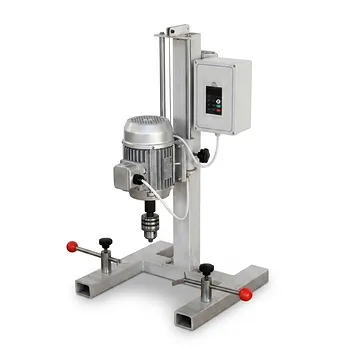
Laboratory Disperser and Sand Mill for Grinding Dispersing Emulsifying
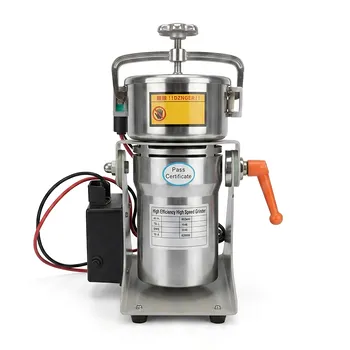
High Efficiency High Speed Grinder Laboratory Mill 1300W 25000rpm
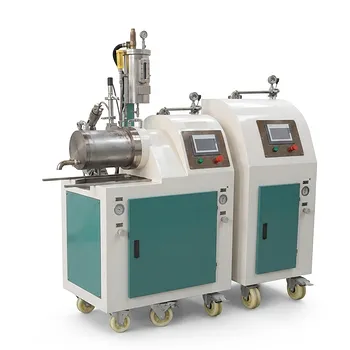
Mass Production Nano Sand Mill for Industrial Nanomaterial Grinding and Dispersion
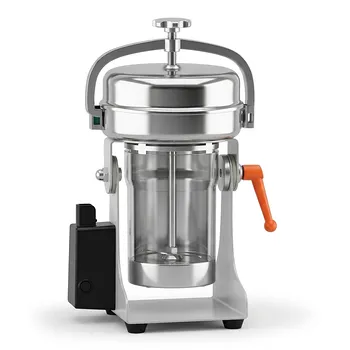
High Efficiency High Speed Grinder 2200W 25000 RPM Laboratory Sample Preparation
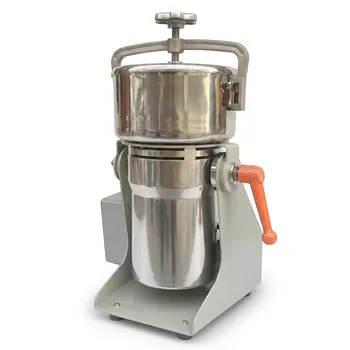
High Speed Laboratory Grinder Efficient Stainless Steel Powder Pulverizer Universal Material Science Mill for Sample Preparation
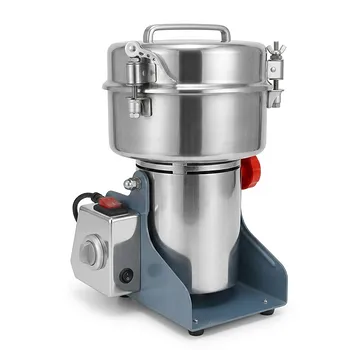
Small High-Speed Grinder for Efficient Laboratory Sample Preparation
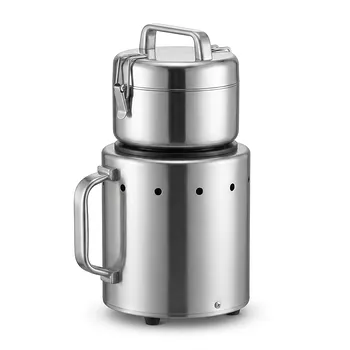
Small High Speed Grinder for Laboratory Sample Preparation
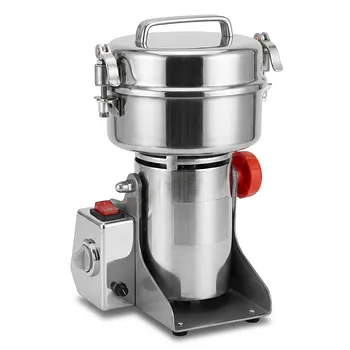
High Speed Laboratory Powder Grinder Small Batch Sample Preparation Mill
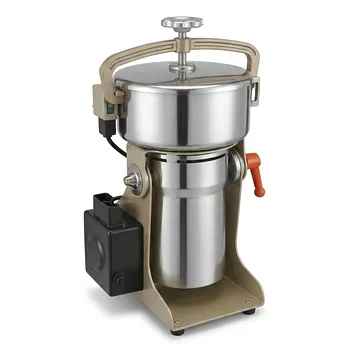
Multifunctional High Efficiency High Speed Laboratory Grinder
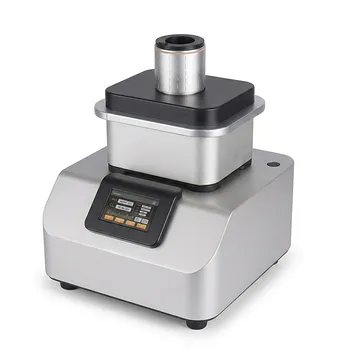
Ultra Centrifugal Mill High Speed Laboratory Grinder for Fibrous and Brittle Sample Preparation
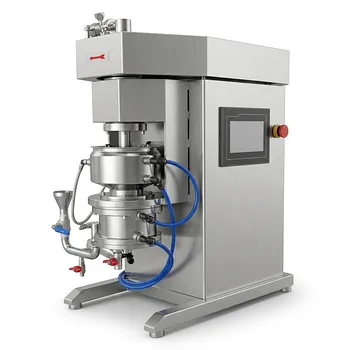
Small Ceramic Structure Laboratory Sand Mill Nanoscale Grinding Dispersion Equipment Seal-less Screen-less Design
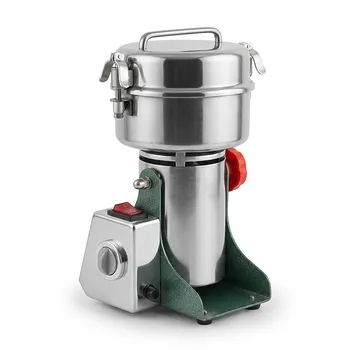
Small High-Speed Swing Grinder for Laboratory Sample Preparation
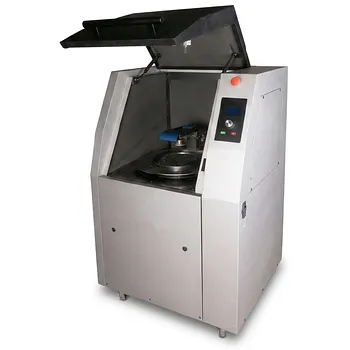
High Speed Vibratory Disc Mill for Spectral Analysis Sample Preparation and Rapid Powder Grinding
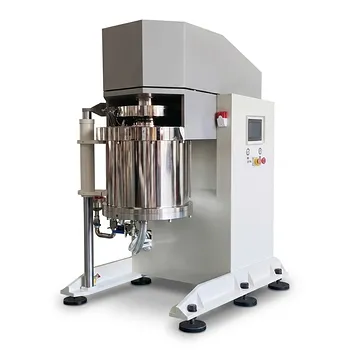
Vertical Nano Bead Mill for Ceramic Materials with Permanent Magnet Motor and High Efficiency Grinding
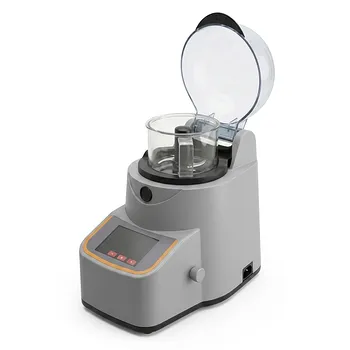
Industrial Knife Mill for Food and Biological Sample Preparation High Speed Laboratory Homogenizer
Small High Speed Grinder for Laboratory Sample Preparation
Small High-Speed Laboratory Grinder for Rapid Sample Preparation
Small High-Speed Laboratory Grinder for Powder Processing
Laboratory Small Horizontal Sand Mill for Nano Materials Wet Grinding