What is the role of a high-speed centrifugal mixer in titanium MIM? Achieve Uniform Coating and Air-Free Feedstock
Updated 3 months ago
The high-speed centrifugal mixer is the primary tool for achieving uniform binder distribution and particle coating in coarse titanium Metal Injection Molding (MIM) feedstocks. It utilizes intense shear and centrifugal forces to blend titanium powder—typically with a median particle size of 75 µm—with multi-component polymer binders like PEG, PMMA, and stearic acid. This process ensures every titanium particle is fully encapsulated by the binder, creating a homogenous feedstock that is essential for defect-free injection molding.
High-speed centrifugal mixing transforms raw titanium powder and polymers into a uniform, air-free feedstock by applying mechanical energy that forces binders into the interstitial spaces of the coarse powder. This ensures microscopic consistency and optimal rheological properties for subsequent processing.
The Mechanics of Centrifugal Mixing in MIM
Dual Force Application: Shear and Centrifugal
The mixer operates by generating powerful shear forces and centrifugal action, often through a planetary motion involving simultaneous revolution and rotation. These forces work in tandem to break down polymer agglomerates and drive the binder into contact with the titanium surfaces.
Achieving Particle-Level Encapsulation
For coarse titanium powders (~75 µm), the primary goal is ensuring the surface of every particle is fully coated with the binder system. The high-energy environment of the mixer facilitates this coating, which is critical for maintaining the structural integrity of the "green" part after molding.
Rapid Processing Times
Unlike traditional stirred tanks, high-speed centrifugal mixers can achieve a high degree of dispersion in a very short timeframe. In many industrial applications, uniform distribution of active ingredients and binders can be reached in as little as 60 seconds.
Impact on Feedstock Homogeneity
Managing Multi-Component Binder Systems
MIM feedstocks often use complex binders like PEG (polyethylene glycol) and PMMA (polymethyl methacrylate) along with surfactants like stearic acid. The centrifugal mixer ensures these components are distributed at a molecular level, preventing "binder-rich" or "powder-rich" zones that cause warping.
Air Bubble Elimination (Defoaming)
A significant advantage of planetary centrifugal mixing is its ability to remove micro-bubbles (defoaming) during the mixing process. By utilizing composite centrifugal forces, air is forced out of the viscous feedstock, which prevents pinholes, cracks, and internal voids in the final molded product.
Handling Extreme Mixing Ratios
The centrifugal field is exceptionally effective at homogenizing components with significant proportion differences, such as 1:100. This capability is vital when adding small amounts of lubricants or specialized additives to a large volume of titanium powder.
Understanding the Trade-offs
Heat Generation and Thermal Management
The high-energy shear required for dispersion naturally generates frictional heat within the feedstock. If the temperature exceeds the melting point or degradation temperature of the polymer binders (especially PEG), it can alter the rheology of the mix or damage the binder’s chemistry.
Scalability and Batch Limits
Most high-speed centrifugal mixers are designed for small to medium-sized batches, which is ideal for high-value titanium components but may pose challenges for mass-scale commodity production. Managing consistent cooling and cycle times across multiple batches is necessary to maintain feedstock stability.
Mechanical Wear on Coarse Particles
While titanium is robust, the intense physical shearing in the mixer can lead to minor surface abrasion or the breakdown of more fragile powder structures. It is essential to calibrate the rotation speed (often up to 2000 rpm) to balance thorough mixing with the physical preservation of the powder geometry.
Making the Right Choice for Your Goal
How to Apply This to Your Project
To optimize the preparation of titanium MIM feedstocks, your mixing strategy should align with your specific performance requirements:
- If your primary focus is reducing part defects: Prioritize a planetary centrifugal mixer with a vacuum function to ensure total air removal and prevent internal porosity.
- If your primary focus is rapid prototyping: Use high-speed settings (near 2000 rpm) to achieve feedstock homogenization in under two minutes, allowing for faster iterative testing.
- If your primary focus is binder stability: Monitor the internal temperature of the mixing vessel closely to ensure the shear-induced heat does not degrade sensitive components like stearic acid.
By mastering the high-speed centrifugal mixing process, you establish the necessary foundation for high-performance titanium components that meet rigorous industrial standards.
Summary Table:
| Key Feature | Role in Titanium MIM Preparation | Primary Benefit |
|---|---|---|
| Dual Force Action | Combines intense shear with planetary revolution/rotation. | Rapidly breaks down binder agglomerates. |
| Particle Encapsulation | Forces binders into interstitial spaces of 75 µm powder. | Ensures structural integrity of "green" parts. |
| Vacuum Defoaming | Removes micro-bubbles from viscous polymer-metal mixes. | Eliminates internal voids and surface pinholes. |
| High-Ratio Mixing | Homogenizes small additives (1:100 ratio) effectively. | Consistent rheology across the entire batch. |
| Rapid Processing | Achieves full dispersion in as little as 60 seconds. | Increases R&D throughput and prototyping speed. |
Elevate Your Material Research with Precision Engineering
Achieving the perfect titanium MIM feedstock requires more than just mixing; it requires a complete, integrated approach to powder processing. At [Company Name], we provide comprehensive laboratory sample preparation solutions tailored for material science professionals.
Whether you are working with coarse titanium powders or advanced ceramics, our extensive product line is designed to ensure consistency and quality at every stage:
- Mixing & Dispersion: High-speed centrifugal and defoaming mixers for air-free, homogeneous feedstocks.
- Powder Processing: Specialized crushers (jaw/roll), liquid nitrogen cryogenic grinders, and high-energy planetary ball or jet mills.
- Compaction & Forming: A full spectrum of hydraulic presses, including Cold/Warm Isostatic Presses (CIP/WIP), vacuum hot presses, and XRF pellet presses.
- Sieving & Analysis: Vibratory and air-jet sieve shakers for precise particle size control.
Ready to optimize your powder metallurgy workflow? Contact our technical experts today to find the ideal equipment configuration for your specific material challenges and project goals.
References
- Mohammed Shbeh, Russell Goodall. Microporous Titanium through Metal Injection Moulding of Coarse Powder and Surface Modification by Plasma Oxidation. DOI: 10.3390/app7010105
Mentioned Products
- High Speed Vacuum Planetary Centrifugal Mixer and Defoamer for Industrial Paste Processing
- High Efficiency Vacuum Planetary Centrifugal Mixer and Defoaming Machine for Industrial Material Research and Precise Laboratory Powder Dispersion
- High Viscosity Planetary Centrifugal Vacuum Mixer for Material Defoaming and Uniform Mixing
- Ultra Centrifugal Mill High Speed Laboratory Grinder for Fibrous and Brittle Sample Preparation
- High Viscosity Planetary Centrifugal Mixing and Vacuum Defoaming Machine for Laboratory Material Preparation
People Also Ask
- What is the function of a planetary centrifugal mixer in electrode slurry prep? Achieve high-energy, uniform dispersion.
- Why increase revolution radius for high-viscosity materials? Optimize Mixing Performance with Centrifugal Acceleration
- Why is a planetary centrifugal mixer utilized for wood powder and HPMC? Achieve uniform dispersion & rapid defoaming.
- What is the role of a planetary centrifugal mixer in grayscale DLP 3D printing? Achieve Perfect Resin Homogenization
- How does a planetary centrifugal mixer contribute to the preparation of magnetic polymer composites? Expert Guide

Tech Team · PowderPreparation
Last updated on Jun 03, 2026
Related Products
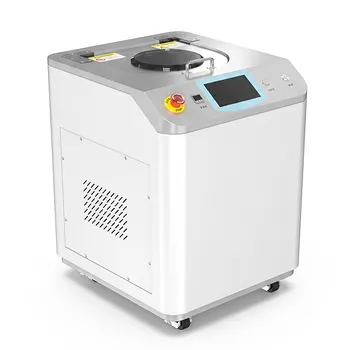
High Speed Vacuum Planetary Centrifugal Mixer and Defoamer for Industrial Paste Processing
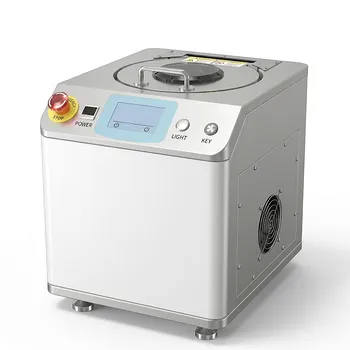
High Efficiency Vacuum Planetary Centrifugal Mixer and Defoaming Machine for Industrial Material Research and Precise Laboratory Powder Dispersion
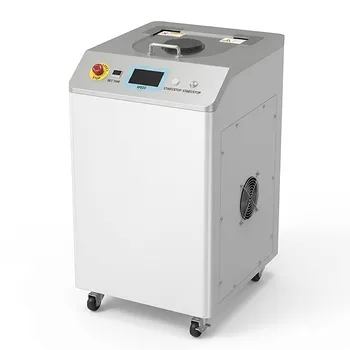
High Viscosity Planetary Centrifugal Vacuum Mixer for Material Defoaming and Uniform Mixing
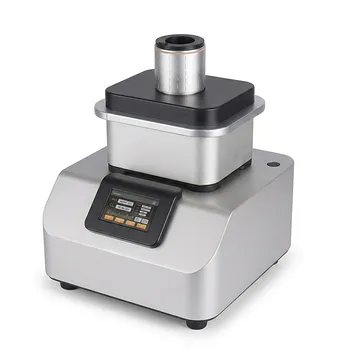
Ultra Centrifugal Mill High Speed Laboratory Grinder for Fibrous and Brittle Sample Preparation
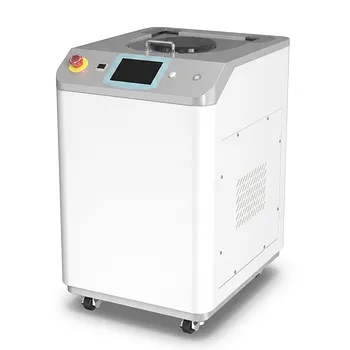
High Viscosity Planetary Centrifugal Mixing and Vacuum Defoaming Machine for Laboratory Material Preparation
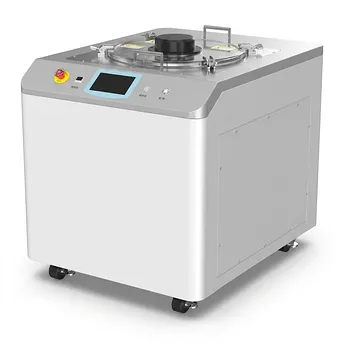
Industrial Planetary Centrifugal Vacuum Defoaming Mixer for High Viscosity Paste and Powder Homogenization
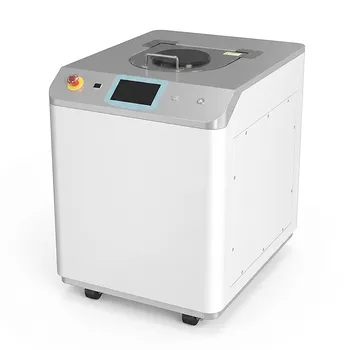
Industrial Planetary Centrifugal Vacuum Defoaming Mixer for High Viscosity Paste and Advanced Material Science
Dual Cup Vacuum Centrifugal Mixer Planetary Paste Defoaming Machine Industrial Material Processor
非介入式材料均质机真空脱泡行星搅拌高粘度混合设备
High-Speed Simple Disperser for Efficient Mixing, Dispersion, and Emulsification
Ultra Centrifugal Mill for Rapid Laboratory Sample Preparation and Fine Powder Grinding
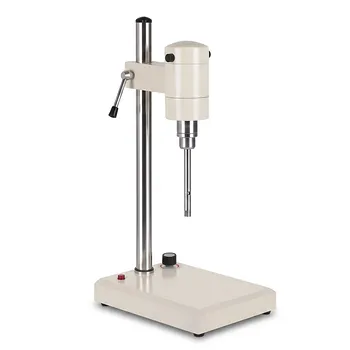
High Speed Dispersing Homogenizer for Laboratory Emulsification Dispersion and Cell Disruption
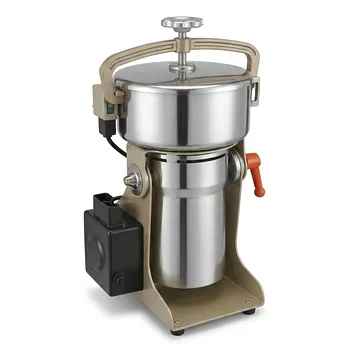
Multifunctional High Efficiency High Speed Laboratory Grinder
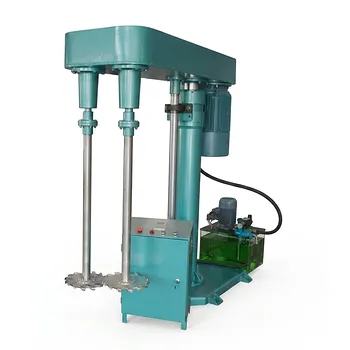
Hydraulic Double Shaft Disperser for High Viscosity Liquid Mixing and Dispersion
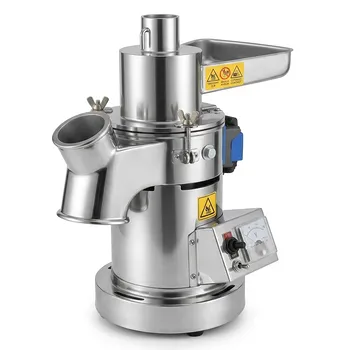
Continuous Feeding Grinder High Efficiency Pulverizer for Lab Sample Preparation
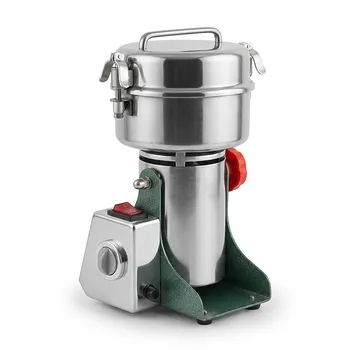
Small High-Speed Swing Grinder for Laboratory Sample Preparation
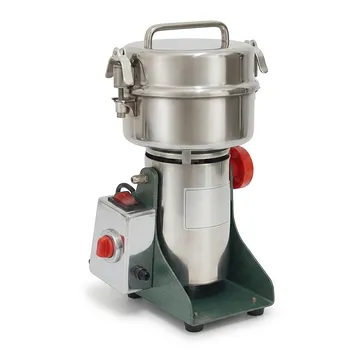
Small High Speed Grinder for Laboratory Sample Preparation
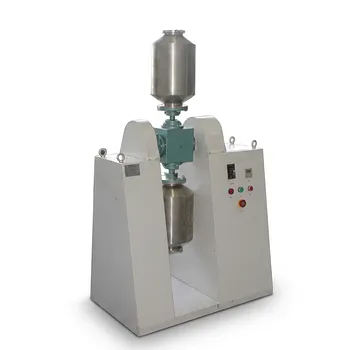
Multi Dimensional Universal Mixer for High Uniformity Powder Blending
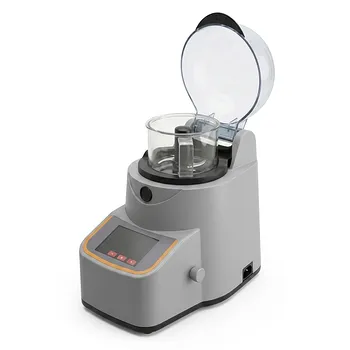
Industrial Knife Mill for Food and Biological Sample Preparation High Speed Laboratory Homogenizer