What is the purpose of high-hardness grinding balls in Al7075-BNNT milling? Achieve Superior Dispersion & Strength
Updated 4 months ago
The use of high-hardness grinding media and specific ball-to-powder ratios is the fundamental mechanism for achieving uniform reinforcement dispersion in metal matrix composites. In high-energy ball milling (HEBM), these materials act as kinetic energy transfer agents that subject the ductile Al7075 matrix to intense plastic deformation, fragmentation, and cold welding. This mechanical energy is required to physically force Boron Nitride Nanotubes (BNNTs) into the aluminum structure, resulting in a nanocomposite powder with high interfacial bonding strength.
Using high-hardness steel media at precise ratios ensures that the kinetic energy generated during milling is sufficient to overcome the plastic deformation energy of the Al7075 matrix. This process facilitates the structural evolution and grain refinement necessary for embedding BNNTs while maintaining chemical purity.
The Mechanics of Kinetic Energy Transfer
Overcoming the Plasticity of Al7075
High-hardness bearing steel or stainless steel balls possess the mechanical strength and density required to generate significant impact forces. These forces are essential to overcome the inherent toughness and plastic deformation energy of the ductile Al7075 alloy. Without this high-energy input, the media would fail to deform the aluminum enough to trap the reinforcement particles.
The Fragmentation and Cold Welding Cycle
The mechanical energy from the grinding balls causes the Al7075 matrix to undergo repeated cycles of fracturing and welding. During these collisions, BNNTs are caught between the media and the matrix, eventually becoming physically embedded within the aluminum particles. This cycle is critical for transforming a simple mixture into a true nanocomposite powder with high interfacial bonding.
Achieving High Interfacial Bonding Strength
By using high-hardness materials, the milling system provides the shear forces necessary to break down BNNT clusters. This ensures that the nanotubes are not merely resting on the surface of the aluminum but are integrated into the refined grain structure. This deep integration is what provides the final composite with its superior mechanical properties.
Optimizing the Ball-to-Powder Ratio (BPR)
Balancing Collision Frequency
The ball-to-powder ratio (often set at 10:1) determines the frequency of collisions within the milling jar. A specific ratio ensures that there is enough media to provide dense, frequent strikes against the powder without over-occupying the jar volume. This balance is necessary to maintain high grinding efficiency over extended milling durations, such as 40+ hours.
Energy Input and Structural Evolution
Precisely controlling the BPR allows for a consistent energy input that drives the structural evolution of the powder. If the ratio is too low, the energy transfer is insufficient to refine the grains; if too high, the excessive heat and force may cause unwanted macroscopic agglomeration. The correct ratio ensures that the aluminum reaches the desired level of grain refinement.
Thermal Management and Energy Conversion
Steel grinding balls have specific thermal conductivity properties that allow them to absorb and dissipate the instantaneous heat produced during impacts. Managing this "collision heating" is vital for studying energy conversion efficiency and preventing the powder from overheating. High-hardness steel media act as a stable thermal sink during the high-frequency vibration of the mill.
Material Integrity and Wear Resistance
Minimizing Media Contamination
High-hardness materials like AISI 420 stainless steel or alloy bearing steels are selected for their extreme wear resistance. Because HEBM involves violent, long-duration collisions, softer media would rapidly wear down, introducing iron (Fe) and other impurities into the Al7075-BNNT powder. Utilizing hard materials ensures the purity of the high-strength composite.
Maintaining Media Geometry
The effectiveness of ball milling depends on the geometry and surface integrity of the grinding balls. High-hardness steel resists the pitting and flattening that can occur during high-energy impacts with ceramic reinforcements like BNNTs. Maintaining a consistent spherical shape ensures that the impact energy and shear action remain predictable throughout the process.
Understanding the Trade-offs and Risks
Iron Contamination vs. Strengthening
While high-hardness steel minimizes wear, some trace iron (Fe) contamination is often unavoidable during prolonged milling. In some aluminum systems, these trace elements can actually form secondary strengthening phases during subsequent heat treatments. However, if the contamination is excessive, it can lead to brittleness or reduced corrosion resistance in the Al7075 matrix.
Energy Saturation and Over-Milling
There is a point of diminishing returns where additional milling time or higher energy ratios no longer improve dispersion. Over-milling can lead to excessive particle size reduction, making the powder difficult to handle or causing the BNNTs to sustain structural damage. It is critical to balance the hardness of the media with the duration of the process to avoid degrading the nanotubes.
How to Apply This to Your Project
Recommendations for High-Energy Ball Milling
- If your primary focus is maximum reinforcement dispersion: Use a high ball-to-powder ratio (e.g., 10:1 or 12:1) with a mix of different ball diameters to increase collision frequency and shear.
- If your primary focus is maintaining chemical purity: Prioritize high-hardness AISI 420 stainless steel or tungsten carbide media to minimize the introduction of iron or chromium wear debris.
- If your primary focus is achieving the finest grain size: Utilize high-hardness bearing steel with longer milling durations, ensuring you monitor the temperature to prevent unwanted thermal recovery.
Selecting the appropriate media hardness and ball-to-powder ratio is the most effective way to ensure that the kinetic energy of the system is successfully converted into the mechanical work required for nanocomposite synthesis.
Summary Table:
| Key Factor | Primary Function | Technical Benefit |
|---|---|---|
| High-Hardness Media | Kinetic Energy Transfer | Overcomes Al7075 plasticity for effective grain refinement. |
| Specific BPR (e.g. 10:1) | Collision Frequency | Balances energy input to prevent macroscopic agglomeration. |
| Fracture/Welding Cycle | Mechanical Embedding | Ensures BNNTs are integrated with high interfacial bonding. |
| Material Wear Resistance | Contamination Control | Minimizes iron/impurities to maintain chemical purity. |
| Thermal Management | Energy Dissipation | Absorbs collision heat to maintain structural stability. |
Elevate Your Nanocomposite Research with Precision Equipment
Achieving perfect reinforcement dispersion in material science requires more than just high-quality powders—it demands the right mechanical energy. At [Company Name], we provide complete laboratory sample preparation solutions tailored for advanced powder processing and compaction.
Whether you are synthesizing Al7075-BNNT composites or exploring new alloys, our extensive product line supports every stage of your workflow:
- Advanced Milling: Planetary ball mills, jet mills, and cryogenic grinders for optimal grain refinement.
- Precision Compaction: A full spectrum of hydraulic presses, including Cold/Warm Isostatic Presses (CIP/WIP), vacuum hot presses, and XRF pellet presses.
- Sizing & Mixing: Vibratory sieve shakers and high-efficiency powder/defoaming mixers.
Ready to enhance your lab's efficiency and achieve superior material properties? Contact our technical experts today to find the ideal equipment for your specific research needs!
References
- Sohail M.A.K. Mohammed, Arvind Agarwal. Boron nitride nanotubes induced strengthening in aluminum 7075 composite via cryomilling and spark plasma sintering. DOI: 10.1007/s42114-024-01173-1
Mentioned Products
- Vertical Semi Circular Planetary Ball Mill for Laboratory Precision Grinding
- Heavy Duty Horizontal Planetary Ball Mill for Efficient Industrial Grinding and Sample Preparation
- Vertical Square Planetary Ball Mill for Laboratory Sample Preparation and Nanoscale Grinding
- High Energy Laboratory Planetary Ball Mill for Nano Grinding and Material Science Sample Preparation
- High Energy Planetary Ball Mill for Nano Scale Grinding and Mechanical Alloying
People Also Ask
- What role does a planetary ball mill play in the synthesis of Li6PS5Cl (LPSCl)? Unlock High Ionic Conductivity
- Why is a planetary ball mill essential for SiBCN-rGO wet-spinning? Achieve Superior Dispersion and Spinnability
- Why is an intermittent grinding process required for perovskites in a planetary ball mill? Ensure Stability & Purity
- Why is a planetary ball mill required for PET micronization? Ensure Accurate Chemical Analysis of Reprocessed PET
- How does mechanized planetary ball milling compare to manual agate grinding? Optimize sulfide standard material precision.

Tech Team · PowderPreparation
Last updated on Jun 03, 2026
Related Products
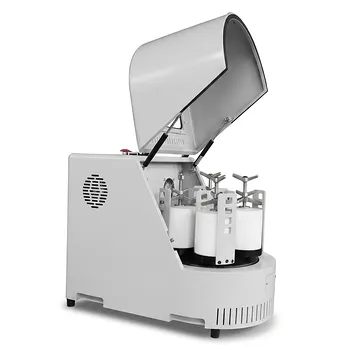
Vertical Semi Circular Planetary Ball Mill for Laboratory Precision Grinding
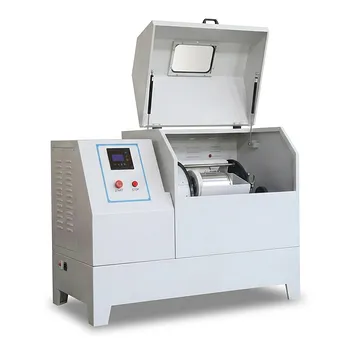
Heavy Duty Horizontal Planetary Ball Mill for Efficient Industrial Grinding and Sample Preparation
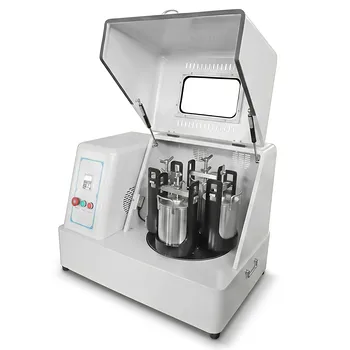
Vertical Square Planetary Ball Mill for Laboratory Sample Preparation and Nanoscale Grinding
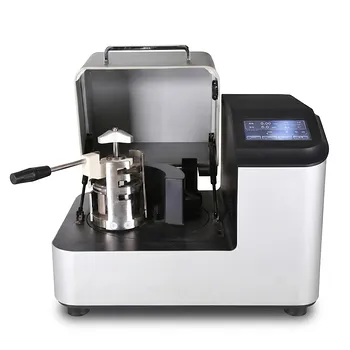
High Energy Laboratory Planetary Ball Mill for Nano Grinding and Material Science Sample Preparation
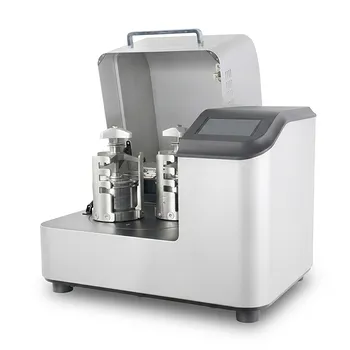
High Energy Planetary Ball Mill for Nano Scale Grinding and Mechanical Alloying

8L Planetary Ball Mill for Laboratory Grinding and Sample Preparation
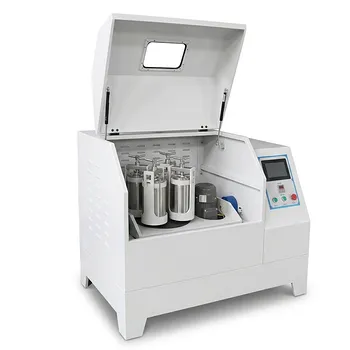
360° Rotating Omnidirectional Laboratory Planetary Ball Mill for Homogeneous Ultra-Fine Grinding and Mixing
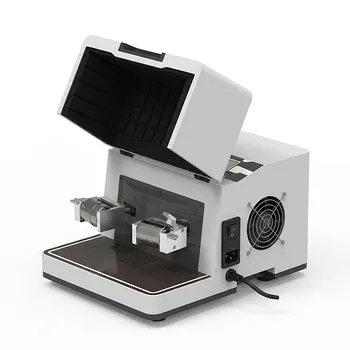
High Energy Hybrid Vibratory Ball Mill for Grinding Mixing and Cell Disruption

High Throughput Micro Ball Mill for Cryogenic Grinding and Laboratory Cell Disruption
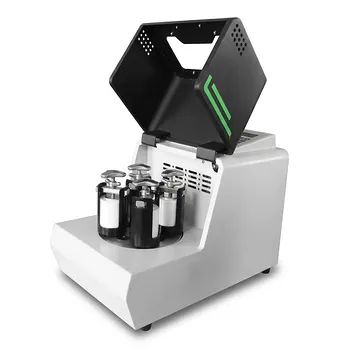
Miniature Planetary Ball Mill with Vacuum Grinding and High Efficiency for Laboratory Sample Preparation
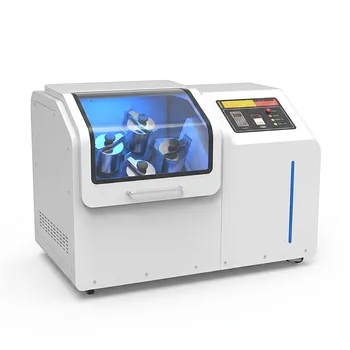
High Energy Omnidirectional Planetary Ball Mill 16L
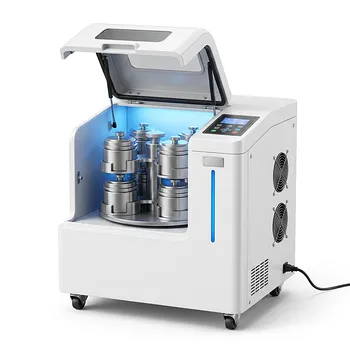
High Energy Omnidirectional Planetary Ball Mill 20L
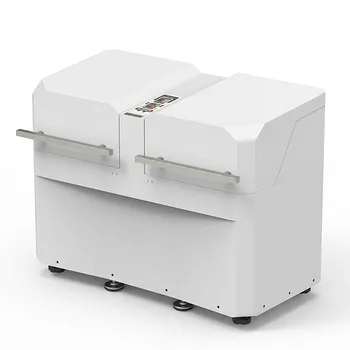
Dual Station Planetary Ball Mill 24L
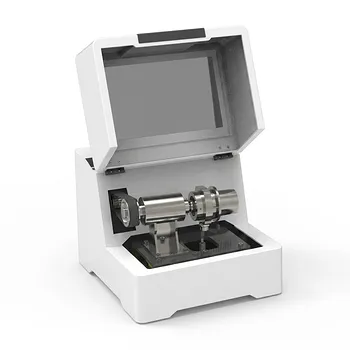
Single Tank High Energy Vibratory Ball Mill for Laboratory Grinding and Mixing
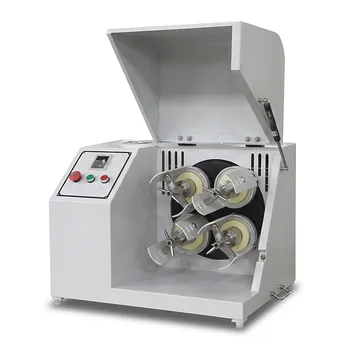
Horizontal Light Duty Planetary Ball Mill for Laboratory Sample Preparation
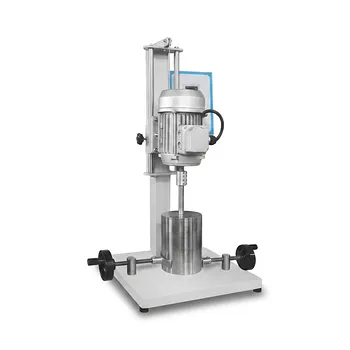
Laboratory Basket Sand Mill for Wet Grinding and Dispersion of Viscous Slurries
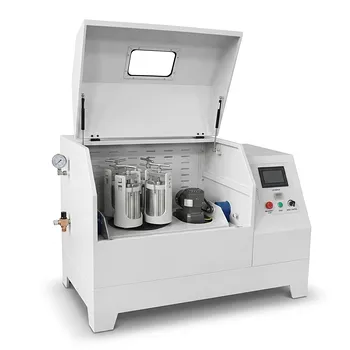
Vertical Production Planetary Ball Mill for High Throughput Powder Processing
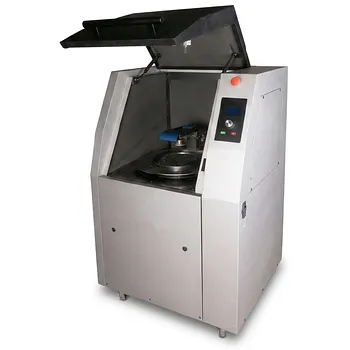
High Speed Vibratory Disc Mill for Spectral Analysis Sample Preparation and Rapid Powder Grinding
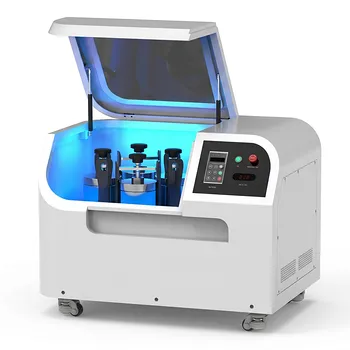
Planetary Ball Mill 12L