What is the purpose of employing impact mills and precision sieves during the pulverization of solid dispersions? Enhance Drug Bioavailability
Updated 5 months ago
The integration of impact mills and precision sieves is the standard approach for transforming bulk solid dispersions into high-quality pharmaceutical powders. This specific combination uses high-energy mechanical force to shatter large blocks of material, followed by calibrated filtration to ensure a uniform particle size. The primary goal is to maximize the surface area for drug dissolution while ensuring the powder remains easy to handle during high-speed manufacturing.
The use of impact mills and precision sieves ensures that solid dispersions achieve a specific, controlled particle size distribution. This precision is critical for balancing the biological requirement for rapid drug dissolution with the mechanical requirement for consistent material flow.
The Mechanics of Size Reduction
High-Energy Fragmentation via Impact
Impact mills utilize high-speed rotating blade assemblies to deliver intense energy to the solid dispersion. This mechanical force effectively shatters large, dense blocks of material that would otherwise be difficult to process.
Precise Particle Control
The inclusion of precision sieves—often with specific apertures like 0.033 inch—acts as a critical quality gate. This ensures that only particles meeting the exact size requirements pass through, preventing oversized fragments from entering the final batch.
Efficiency in Bulk Conversion
This system is designed for efficiency and throughput. By combining fragmentation and sieving into a single process, manufacturers can rapidly convert bulk materials into standardized powders without the need for multiple, disconnected processing steps.
Optimizing Drug Performance and Handling
Maximizing Dissolution Rates
For many poorly soluble drugs, the dissolution rate is the limiting factor for efficacy. By significantly increasing the particle surface area through pulverization, the drug can dissolve more rapidly once administered to the patient.
Enhancing Downstream Flowability
Consistent particle size is a prerequisite for successful downstream manufacturing. Powders with controlled dimensions exhibit better flowability, which is essential for ensuring accurate dosing during tablet compression or capsule filling.
Ensuring Batch-to-Batch Consistency
Precision sieving eliminates the variability inherent in bulk materials. This creates a homogeneous powder that performs predictably in every production run, reducing the risk of manufacturing delays or quality failures.
Understanding the Trade-offs
Thermal Sensitivity and Degradation
High-energy impact milling generates localized heat due to the friction of the high-speed blades. If the solid dispersion contains heat-sensitive active ingredients, there is a risk of chemical degradation or a transition from an amorphous state back to a crystalline state.
The Problem of "Fines"
While the goal is to reduce size, over-milling can create an excess of fine particles (dust). These "fines" can paradoxically reduce flowability by increasing inter-particle friction and can also pose inhalation hazards in the manufacturing facility.
Applying This to Your Manufacturing Strategy
Making the Right Choice for Your Goal
- If your primary focus is maximizing bioavailability: Prioritize smaller sieve apertures to maximize surface area, though you must carefully monitor for potential heat-related degradation of the API.
- If your primary focus is high-speed tableting efficiency: Focus on achieving a narrow particle size distribution that optimizes flow, ensuring the powder feeds consistently into the tablet press.
- If your primary focus is processing heat-sensitive materials: Consider utilizing cryogenic cooling or slower blade speeds to mitigate the thermal energy generated during the impact process.
By precisely controlling the pulverization of solid dispersions, you bridge the gap between raw chemical synthesis and a functional, life-saving medical product.
Summary Table:
| Feature | Impact Mill Role | Precision Sieve Role | Key Benefit |
|---|---|---|---|
| Size Reduction | High-energy fragmentation of bulk solids | Calibrated filtration of oversized particles | Achievement of uniform powder dimensions |
| Drug Performance | Maximizes particle surface area | Ensures particle size distribution limits | Accelerated dissolution and bioavailability |
| Manufacturing | Enables high-throughput processing | Optimizes material flowability | Consistent dosing for tablets and capsules |
| Quality Control | Mechanical standardization | Eliminates batch variability | Reliable batch-to-batch consistency |
Optimize Your Powder Processing with Expert Lab Solutions
Achieving the perfect particle size distribution is critical for the efficacy and manufacturability of your solid dispersions. We provide complete laboratory sample preparation solutions tailored for material science and pharmaceutical research.
Our specialized equipment range includes:
- Advanced Milling: Planetary ball mills, jet mills, rotor mills, and liquid nitrogen cryogenic grinders for heat-sensitive materials.
- Precision Sieving: Vibratory and air-jet sieve shakers with a full range of test sieves and meshes.
- Size Reduction: Heavy-duty jaw and roll crushers.
- Compaction & Pressing: A full spectrum of hydraulic presses, including Cold/Warm Isostatic Presses (CIP/WIP), XRF pellet presses, and vacuum hot presses.
- Mixing: High-efficiency powder mixers and vacuum defoaming mixers.
Whether you are focusing on maximizing bioavailability or streamlining high-speed tableting, our tools deliver the precision you need. Contact our technical team today to find the ideal equipment for your laboratory workflow!
References
- Justin S. LaFountaine, Robert O. Williams. Thermal Processing of PVP- and HPMC-Based Amorphous Solid Dispersions. DOI: 10.1208/s12249-015-0417-7
Mentioned Products
- Industrial Rotor Beater Mill for High Speed Impact and Shear Grinding in Laboratory Sample Preparation
- Laboratory Ultrafine Impact and Airflow Grinder for Precise Particle Size Control
- Small Ceramic Structure Laboratory Sand Mill Nanoscale Grinding Dispersion Equipment Seal-less Screen-less Design
- Vibratory Disc Mill for Rapid Fine Grinding and High Throughput Sample Preparation of Hard and Brittle Materials
- Small Vibrating Ultrafine Grinder for Traditional Chinese Medicine
People Also Ask
- How does a high-speed rotor mill contribute to the preparation of hard biomass seeds for thermal processing? Optimize Yield
- What is the function of a rotary mill for Inconel 625 & carbide composites? Achieve Perfect Powder Homogeneity
- Why is it necessary to use a rotary mill for nanocellulose grinding before FTIR or XRD? Achieve peak analytical precision.
- What are the advantages of using high-speed rotating ball mills for woody biomass? Maximize Reactivity & Efficiency
- What function does an industrial-grade impact hammer mill serve in turning mango kernels into powder? High-Efficiency Micronization

Tech Team · PowderPreparation
Last updated on May 14, 2026
Related Products
Industrial Rotor Beater Mill for High Speed Impact and Shear Grinding in Laboratory Sample Preparation
Laboratory Ultrafine Impact and Airflow Grinder for Precise Particle Size Control
Small Ceramic Structure Laboratory Sand Mill Nanoscale Grinding Dispersion Equipment Seal-less Screen-less Design
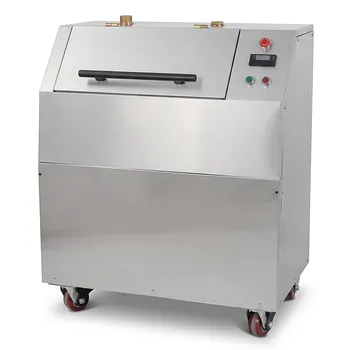
Vibratory Disc Mill for Rapid Fine Grinding and High Throughput Sample Preparation of Hard and Brittle Materials
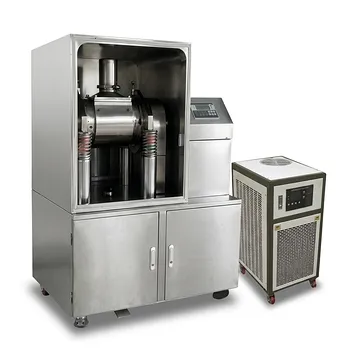
Small Vibrating Ultrafine Grinder for Traditional Chinese Medicine
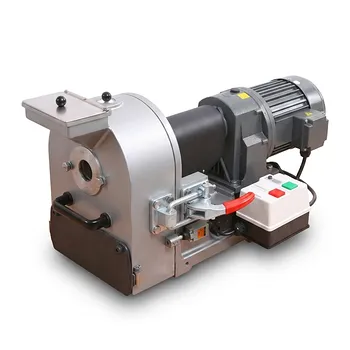
Laboratory Disc Mill for Fine Sample Preparation of Hard and Brittle Materials
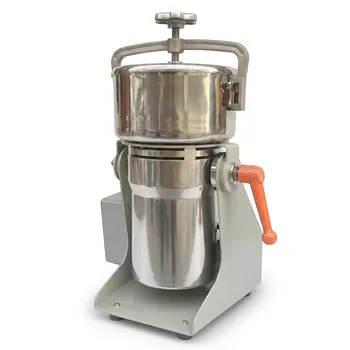
High Speed Laboratory Grinder Efficient Stainless Steel Powder Pulverizer Universal Material Science Mill for Sample Preparation
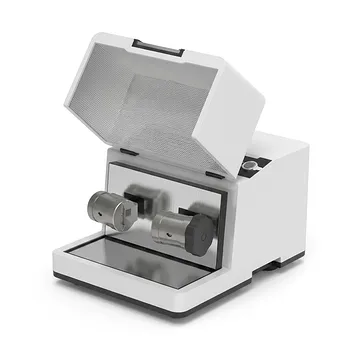
Heating Temperature Controlled High Energy Vibratory Ball Mill
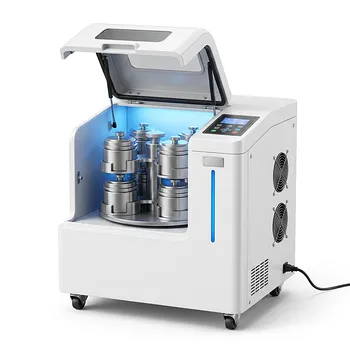
High Energy Omnidirectional Planetary Ball Mill 20L
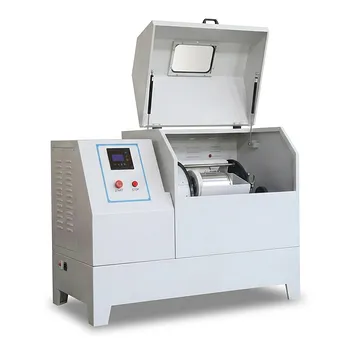
Heavy Duty Horizontal Planetary Ball Mill for Efficient Industrial Grinding and Sample Preparation
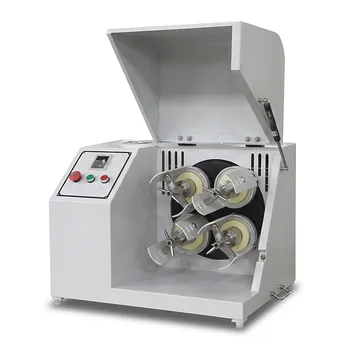
Horizontal Light Duty Planetary Ball Mill for Laboratory Sample Preparation
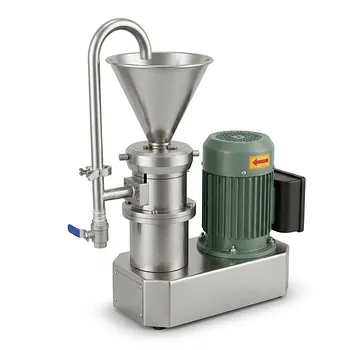
Small Laboratory Colloid Mill for Ultra-Fine Wet Grinding and Emulsification
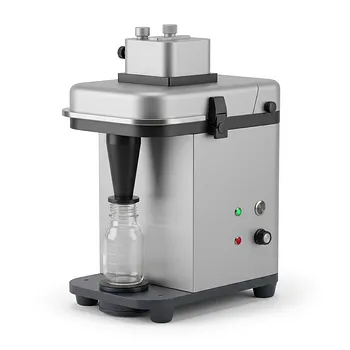
Cyclonic Laboratory Mill for NIR Spectroscopy Sample Preparation Food and Feed Grinding

Automatic Vibrating Powder Feeder for Laboratory Material Processing Precision Vibratory Hopper Feeder for Granular and Powder Material Handling Industrial Grade Vibrating Tray Feeder for Consistent Material Sample Preparation
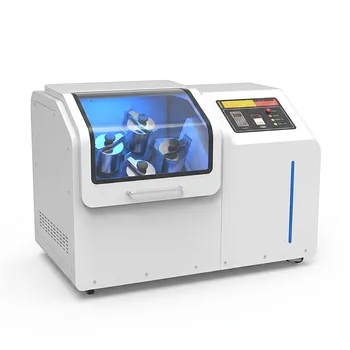
High Energy Omnidirectional Planetary Ball Mill 16L
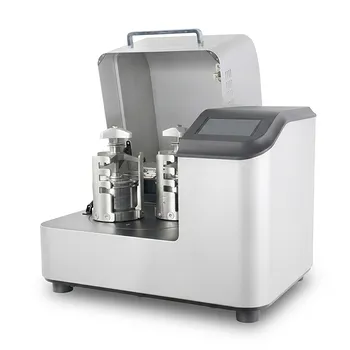
High Energy Planetary Ball Mill for Nano Scale Grinding and Mechanical Alloying
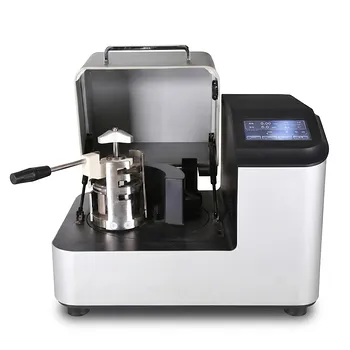
High Energy Laboratory Planetary Ball Mill for Nano Grinding and Material Science Sample Preparation
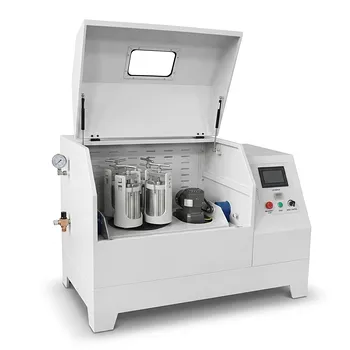
Vertical Production Planetary Ball Mill for High Throughput Powder Processing
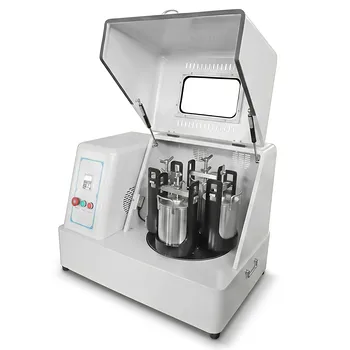
Vertical Square Planetary Ball Mill for Laboratory Sample Preparation and Nanoscale Grinding