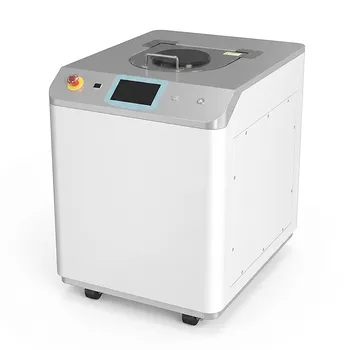
How does a laboratory rotary mixer ensure the mixing quality of WPC? Master Homogeneity for Material Science Research
Updated 5 months ago
A laboratory rotary mixer ensures mixing quality through a combination of multi-dimensional tumbling and high-intensity mechanical shear that forces high-viscosity resins to uniformly coat diverse particle surfaces. By utilizing multi-stage mixing protocols, the equipment prevents the formation of "resin-rich" or "resin-deficient" zones, which are the primary causes of structural failure in wood-plastic composites (WPC).
Core Takeaway: The laboratory rotary mixer acts as a critical bridge between raw, disparate components and a homogeneous composite precursor. It ensures that every wood particle and plastic flake is encapsulated by an adhesive matrix, establishing the robust interfacial bond necessary for mechanical performance.
Achieving Homogeneity Through Mechanical Action
Multi-Dimensional Tumbling and Stirring
The mixer employs a complex motion pattern that prevents material stratification based on density or particle size. This ensures that lighter wood particles, such as pine or eucalyptus, are thoroughly integrated with heavier polystyrene or PET waste flakes.
Breaking Down Particle Agglomerates
Lignocellulosic particles naturally tend to clump together due to moisture and surface energy. The mechanical shear provided by the mixer provides continuous stress to diffuse these particles within the matrix, preventing weak zones in the final composite.
High-Intensity Pre-Mixing
For processes involving subsequent extrusion, the rotary mixer establishes a foundation for high-quality melt mixing. It distributes polymer particles, organic fillers (like walnut shell powder), and compatibilizers into a uniform dry blend before they ever reach the heat of the extruder.
Optimizing the Interfacial Bond
Precision Coating of High-Viscosity Resins
High-viscosity adhesives, such as castor oil-based polyurethane (PUR), are difficult to distribute manually. The rotary mixer facilitates the uniform coating of these resins onto every wood and plastic particle surface, which is essential for load transfer between the matrix and the reinforcement.
Multi-Stage Inclusion Protocols
Quality is often dependent on the sequence of addition, such as blending polyols with wood and PET particles before introducing isocyanates. This two-stage approach ensures secondary homogenization and prevents localized hardening that could lead to performance defects.
Uniform Distribution of Chemical Additives
Beyond the primary matrix, the mixer evenly disperses accelerators, hardeners, and anti-settling agents. This prevents the formation of stress concentration points and ensures that the curing process occurs at a molecular level across the entire material volume.
Understanding the Trade-offs
Heat Generation vs. Mixing Speed
High-speed mechanical motion is effective for homogenization but generates significant friction-induced heat. Excessive heat can prematurely trigger curing agents or degrade sensitive bio-fillers, requiring careful monitoring of mixing duration.
Particle Attrition and Size Reduction
While high-intensity mixing breaks down agglomerates, it can also lead to the unintended fracturing of wood fibers. This reduction in aspect ratio may diminish the reinforcing properties of the wood particles in the final structural panel.
Cleaning and Cross-Contamination
The high-viscosity resins that ensure a strong bond also make the equipment difficult to clean. Residual cured resin from previous batches can introduce impurities and surface defects if not meticulously managed between runs.
Applying This to Your Research Project
Recommendations for Success
- If your primary focus is Maximum Structural Strength: Prioritize multi-stage protocols where the wood fibers are pre-coated with the resin's primary component before adding the hardener.
- If your primary focus is Using Recycled Feedstock: Utilize high-intensity mechanical stirring to overcome the inconsistent surface energies and shapes of mixed plastic waste and bio-aggregates.
- If your primary focus is Processing High-Viscosity Matrices: Ensure the mixer is capable of providing continuous shear stress to prevent the resin from pooling in "pockets" rather than coating the filler.
By mastering the sequence of addition and the intensity of mechanical shear, you can transform inconsistent raw materials into a high-performance, homogeneous composite.
Summary Table:
| Mixing Mechanism | Action on WPC Materials | Benefit to Final Composite |
|---|---|---|
| Multi-Dimensional Tumbling | Prevents density-based stratification | Ensures uniform particle distribution |
| High-Intensity Shear | Breaks down lignocellulosic agglomerates | Eliminates structural weak zones |
| Precision Coating | Forces high-viscosity resins onto surfaces | Establishes robust interfacial bonding |
| Multi-Stage Protocols | Controls the sequence of chemical addition | Prevents localized hardening & defects |
| Dry-Blend Homogenization | Prepares uniform precursors for extrusion | Enhances melt-mixing efficiency |
Elevate Your Composite Material Research with Expert Solutions
Achieving superior interfacial bonding in wood-plastic composites requires more than just mixing—it requires precision. At [Brand Name], we provide complete laboratory sample preparation solutions tailored for material science. From ensuring perfect homogeneity with our powder mixers and defoaming mixers to finalizing structural panels using our advanced Cold/Warm Isostatic Presses (CIP/WIP) and vacuum hot presses, we cover every stage of your workflow.
Whether you are processing recycled plastics or complex bio-fillers, our extensive line of crushers, cryogenic grinders, planetary ball mills, and sieve shakers ensures your raw materials meet exact specifications.
Ready to optimize your WPC processing and compaction? Contact our experts today to find the perfect equipment for your lab!
References
- Felipe Reis Rodrigues, Sérgio Augusto Mello da Silva. Particleboard Composite Made from Pinus and Eucalyptus Residues and Polystyrene Waste Partially Replacing the Castor Oil-Based Polyurethane as Binder. DOI: 10.1590/1980-5373-mr-2022-0594
Mentioned Products
- 360° Rotating Omnidirectional Laboratory Planetary Ball Mill for Homogeneous Ultra-Fine Grinding and Mixing
- Industrial Rotor Beater Mill for High Speed Impact and Shear Grinding in Laboratory Sample Preparation
- High Viscosity Planetary Centrifugal Mixing and Vacuum Defoaming Machine for Laboratory Material Preparation
- Horizontal Ribbon Mixer for Uniform Powder and Slurry Mixing
- High Efficiency Vacuum Planetary Centrifugal Mixer and Defoaming Machine for Industrial Material Research and Precise Laboratory Powder Dispersion
People Also Ask
- What role does an omni-directional planetary ball mill play in brass/cobalt antimonide pretreatment? Achieve Nano-Scale Homogeneity.
- What is the function of an omni-directional planetary ball mill? Achieve Streak-Free Glass Homogenization
- Why is an intermittent grinding process required for perovskites in a planetary ball mill? Ensure Stability & Purity
- Why is a planetary ball mill essential for SiBCN-rGO wet-spinning? Achieve Superior Dispersion and Spinnability
- What role does a planetary ball mill play in the synthesis of Li6PS5Cl (LPSCl)? Unlock High Ionic Conductivity

Tech Team · PowderPreparation
Last updated on May 14, 2026
Related Products

360° Rotating Omnidirectional Laboratory Planetary Ball Mill for Homogeneous Ultra-Fine Grinding and Mixing
Industrial Rotor Beater Mill for High Speed Impact and Shear Grinding in Laboratory Sample Preparation
High Viscosity Planetary Centrifugal Mixing and Vacuum Defoaming Machine for Laboratory Material Preparation
Horizontal Ribbon Mixer for Uniform Powder and Slurry Mixing
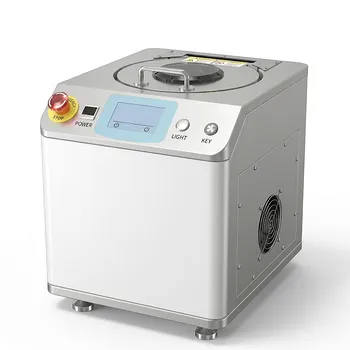
High Efficiency Vacuum Planetary Centrifugal Mixer and Defoaming Machine for Industrial Material Research and Precise Laboratory Powder Dispersion
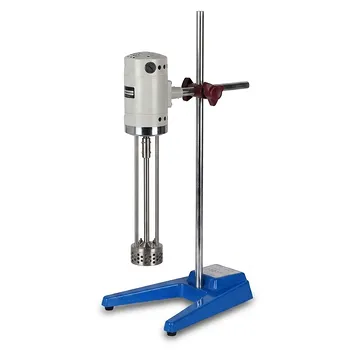
High Shear Laboratory Emulsifier for Mixing and Homogenization
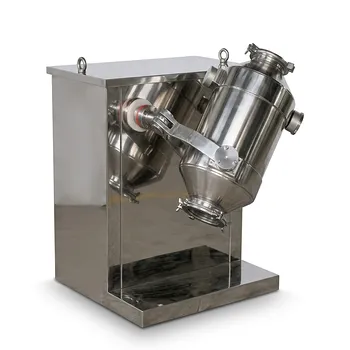
Three-Dimensional Motion Mixer for Laboratory Powder and Granule Blending
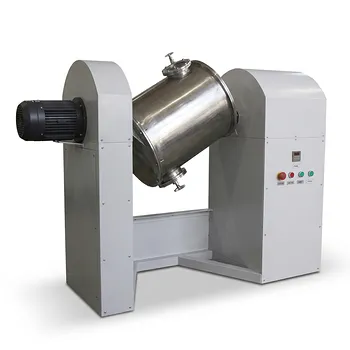
Inclined Mixer for Homogeneous Powder Blending and Grinding
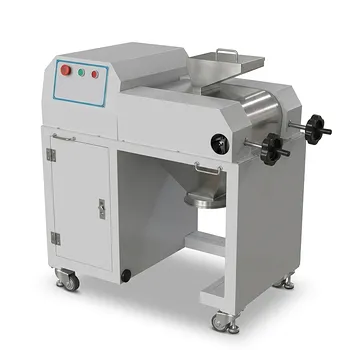
Laboratory Double Roller Crusher for Mining Construction Chemical Sample Preparation
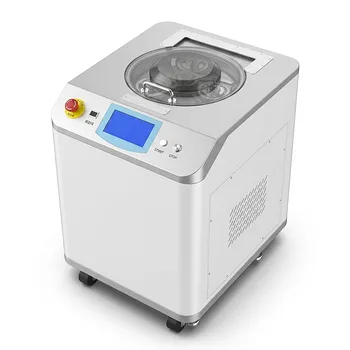
Dual Cup Vacuum Centrifugal Mixer Planetary Paste Defoaming Machine Industrial Material Processor
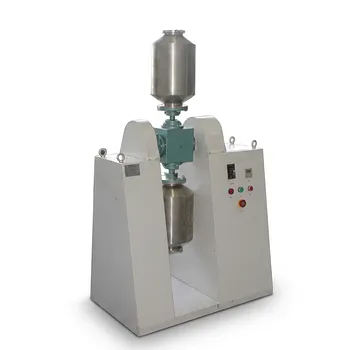
Multi Dimensional Universal Mixer for High Uniformity Powder Blending
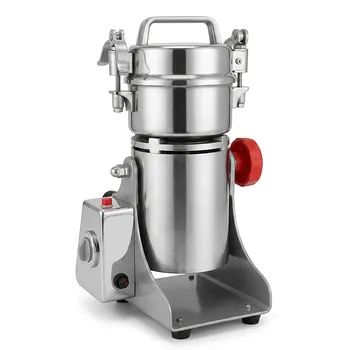
Industrial High Speed Small Sample Pulverizer Swing Type Laboratory Grinder for Powder Processing
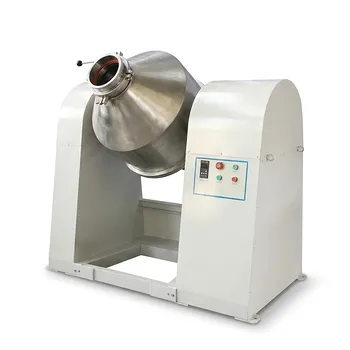
Industrial Double Cone Mixer for Powder Blending and Homogeneous Mixing
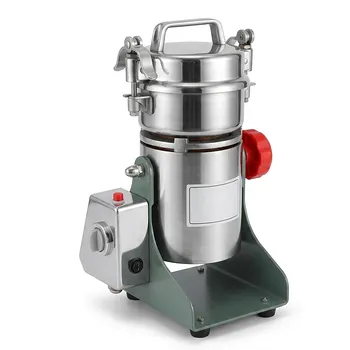
High Speed Swing Type Laboratory Pulverizer for Fine Powder Grinding and Sample Preparation
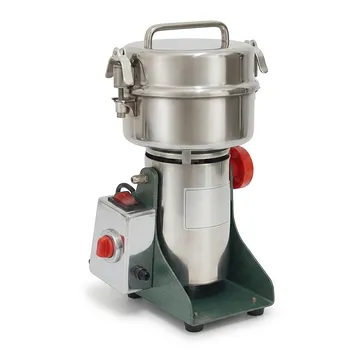
Small High Speed Grinder for Laboratory Sample Preparation
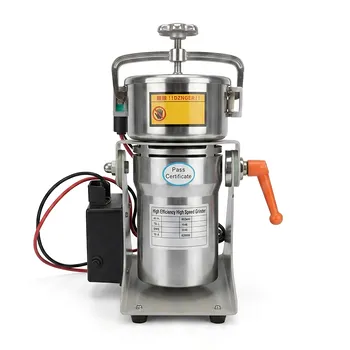
High Efficiency High Speed Grinder Laboratory Mill 1300W 25000rpm
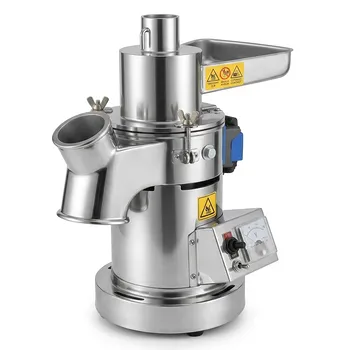
Continuous Feeding Grinder High Efficiency Pulverizer for Lab Sample Preparation
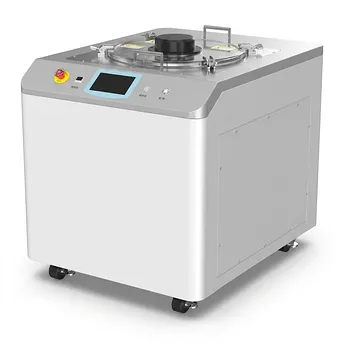
Industrial Planetary Centrifugal Vacuum Defoaming Mixer for High Viscosity Paste and Powder Homogenization
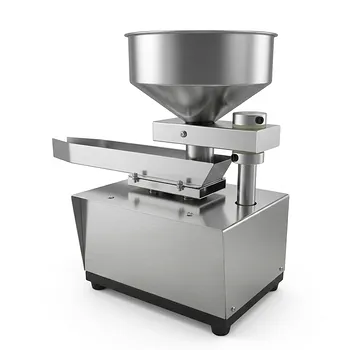
Automatic Vibrating Powder Feeder for Laboratory Material Processing Precision Vibratory Hopper Feeder for Granular and Powder Material Handling Industrial Grade Vibrating Tray Feeder for Consistent Material Sample Preparation