What is the primary role of ball milling in the preparation of Cr-31.2 mass% Ti alloy powder precursors?
Updated 5 months ago
The primary role of ball milling in the preparation of Cr-31.2 mass% Ti alloy powder precursors is to use mechanical force to uniformly coat or adhere sub-micron titanium powder onto the surfaces of larger, micron-sized chromium powder particles.
This specific processing method ensures a homogeneous distribution of chemical components across the mixture. Crucially, it prevents the severe cold welding that typically occurs due to the high ductility of titanium, establishing the necessary foundation for achieving high-density sintered billets in subsequent manufacturing stages.
Core Takeaway: In Cr-Ti alloy preparation, ball milling functions as a precision surface-coating mechanism rather than a simple mixing or grinding tool. By adhering ductile titanium to hard chromium, the process creates a stable, uniform precursor that resists unwanted particle bonding and enables superior sintering results.
Overcoming Material Limitations through Surface Coating
The Interaction Between Chromium and Titanium
The process relies on the disparity between the hard, micron-sized chromium particles and the soft, sub-micron titanium powder. Mechanical energy forces the smaller titanium particles to bond physically to the surface of the larger chromium "cores."
Preventing Severe Cold Welding
Titanium is highly ductile, which often leads to "cold welding"—a phenomenon where particles fuse together prematurely during milling. By strategically coating the titanium onto the harder chromium particles, the milling process inhibits this uncontrolled fusion, maintaining a manageable powder state.
Ensuring Chemical Homogeneity
Traditional mixing often fails to distribute elements evenly, leading to compositional gradients in the final alloy. Ball milling forces a uniform distribution at the particle level, ensuring that every chromium grain is surrounded by the correct proportion of titanium.
Establishing the Foundation for Sintering
Facilitating High-Density Billets
The structural integrity of the final alloy depends on the quality of the initial powder precursors. The coated morphology created during milling allows for more efficient packing and diffusion, which is critical for achieving high-density sintered billets.
Enhancing Elemental Diffusion
Because the titanium is already adhered to the chromium surfaces, the distance for atomic diffusion during sintering is significantly reduced. This pre-arranged proximity accelerates the formation of a stable alloy structure during heat treatment.
Managing Powder Reactivity
The high energy of ball milling can activate particle surfaces by increasing dislocation density. This surface activation, combined with the uniform coating, creates a high-energy state that promotes reactivity during the subsequent solid-state sintering process.
Understanding the Trade-offs and Risks
Balancing Energy Input
High-energy milling is required to achieve the coating effect, but excessive energy can lead to unwanted mechanical alloying or contamination from the milling media. The process must be carefully calibrated to ensure coating occurs without transforming the powders into a brittle intermetallic phase too early.
Sensitivity to Oxygen and Contamination
Both chromium and titanium are sensitive to oxygen at the high temperatures generated by intense mechanical impact. If the milling environment is not strictly controlled (e.g., using an inert atmosphere), the formation of oxides on the particle surfaces can hinder subsequent sintering and degrade the alloy’s mechanical properties.
How to Apply This to Your Process
Making the Right Choice for Your Goal
- If your primary focus is maximizing alloy density: Prioritize the uniformity of the titanium coating during the milling stage to ensure optimal particle packing during compaction.
- If your primary focus is preventing powder agglomeration: Monitor the milling duration and intensity to ensure titanium adheres to the chromium rather than cold welding into large, unworkable clumps.
- If your primary focus is rapid sintering kinetics: Use high-energy settings to increase surface activation and dislocation density, which will facilitate faster elemental diffusion.
By mastering the mechanical coating of titanium onto chromium, manufacturers can produce high-quality alloy precursors that serve as the essential starting point for advanced Cr-Ti materials.
Summary Table:
| Key Role | Mechanism | Primary Benefit |
|---|---|---|
| Surface Coating | Adhering sub-micron Ti particles onto micron-sized Cr surfaces. | Ensures homogeneous chemical distribution. |
| Cold Welding Prevention | Inhibiting ductile Ti fusion by strategic adherence to hard Cr cores. | Maintains stable and manageable powder morphology. |
| Sintering Facilitation | Reducing diffusion distances and increasing dislocation density. | Achieves high-density billets and faster kinetics. |
| Reactivity Management | Mechanical activation of particle surfaces via high-energy impact. | Promotes solid-state sintering efficiency. |
Optimize Your Advanced Material Synthesis
Achieving the perfect precursor morphology for Cr-Ti alloys requires more than just mixing—it requires precision mechanical energy. Our laboratory specializes in providing complete sample preparation solutions tailored for material science research and industrial production.
From high-energy planetary ball mills, jet mills, and cryogenic grinders that ensure uniform surface coating, to our full spectrum of Hydraulic Presses (CIP/WIP, Hot Presses, and Vacuum Hot Presses) for creating high-density billets, we offer the tools you need for superior alloy performance.
Whether you are a researcher refining chemical homogeneity or a manufacturer scaling up powder production, our experts are ready to support your process with reliable, high-performance equipment.
Ready to enhance your lab’s efficiency? Contact Our Technical Team Today
References
- Shih‐Hsien Chang, Kuo-Tsung Huang. Investigation of Vacuum Hot-Press Sintering Temperatures on the Sintered Characteristics of Cr-31.2 mass% Ti Alloys. DOI: 10.2320/matertrans.m2017048
Mentioned Products
- Heavy Duty Horizontal Planetary Ball Mill for Efficient Industrial Grinding and Sample Preparation
- Vertical Semi Circular Planetary Ball Mill for Laboratory Precision Grinding
- Vertical Production Planetary Ball Mill for High Throughput Powder Processing
- Vertical Square Planetary Ball Mill for Laboratory Sample Preparation and Nanoscale Grinding
- High Energy Planetary Ball Mill for Nano Scale Grinding and Mechanical Alloying
People Also Ask
- Why grind lime-pozzolan specimens for TG/DTA for 3 mins? Master sample prep for high-precision thermal analysis.
- What is the role of a planetary ball mill in the mechanical activation of ZTA powder? Boost Sintering Performance
- What is the function of a planetary ball mill in wollastonite ceramic prep? Achieve Molecular Homogenization & Reactivity
- How does a planetary ball mill contribute to the homogenization of trace elements? Achieve Sub-Micron Uniformity
- What is the function of a high-performance planetary ball mill in AMZ laminates? Master Ceramic Homogenization.

Tech Team · PowderPreparation
Last updated on May 14, 2026
Related Products
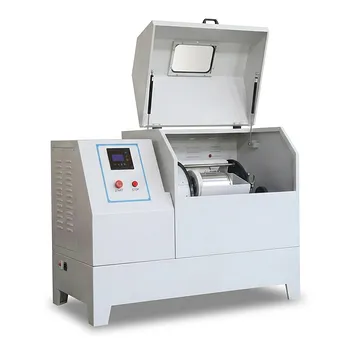
Heavy Duty Horizontal Planetary Ball Mill for Efficient Industrial Grinding and Sample Preparation
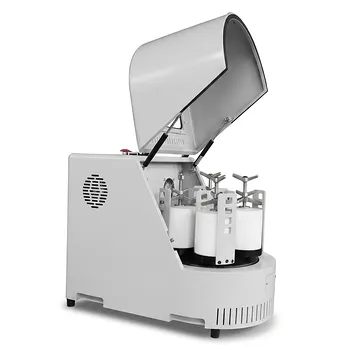
Vertical Semi Circular Planetary Ball Mill for Laboratory Precision Grinding

Vertical Production Planetary Ball Mill for High Throughput Powder Processing
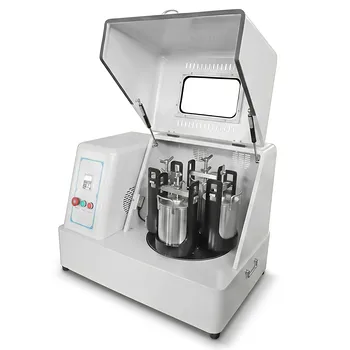
Vertical Square Planetary Ball Mill for Laboratory Sample Preparation and Nanoscale Grinding
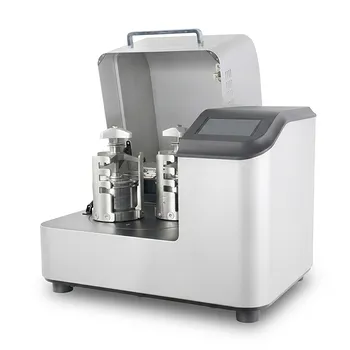
High Energy Planetary Ball Mill for Nano Scale Grinding and Mechanical Alloying
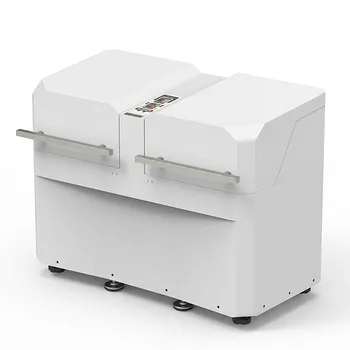
Dual Station Planetary Ball Mill 24L
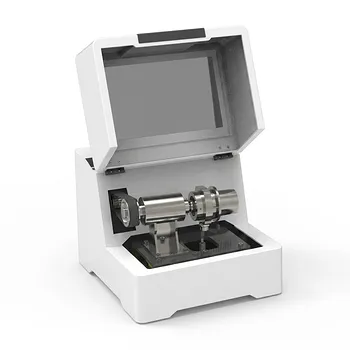
Single Tank High Energy Vibratory Ball Mill for Laboratory Grinding and Mixing
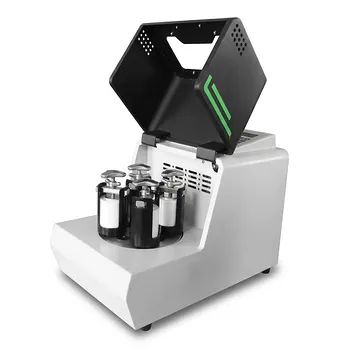
Miniature Planetary Ball Mill with Vacuum Grinding and High Efficiency for Laboratory Sample Preparation
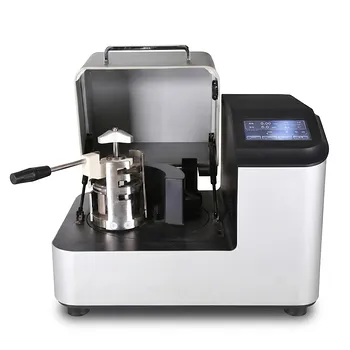
High Energy Laboratory Planetary Ball Mill for Nano Grinding and Material Science Sample Preparation
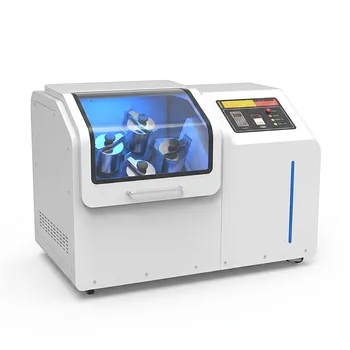
High Energy Omnidirectional Planetary Ball Mill 16L
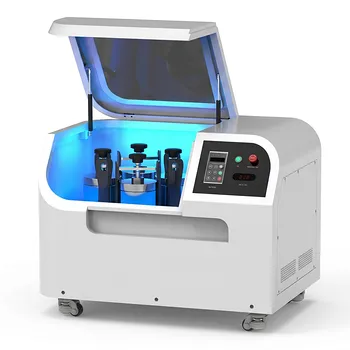
Planetary Ball Mill 12L

360° Rotating Omnidirectional Laboratory Planetary Ball Mill for Homogeneous Ultra-Fine Grinding and Mixing
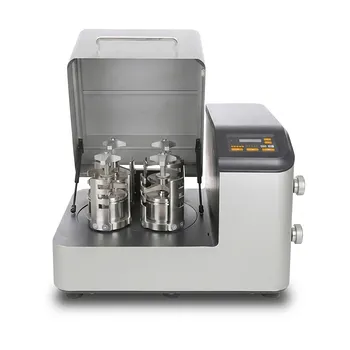
High Energy Planetary Ball Mill for Nano Scale Grinding and Colloidal Mixing in Material Science Research
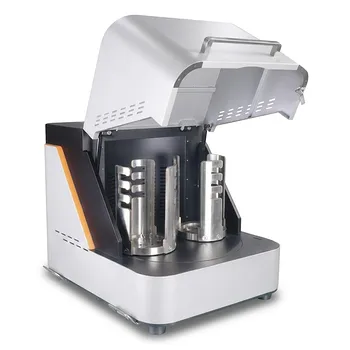
High Energy Laboratory Planetary Ball Mill for Nano Grinding and Colloidal Mixing of Hard and Brittle Materials
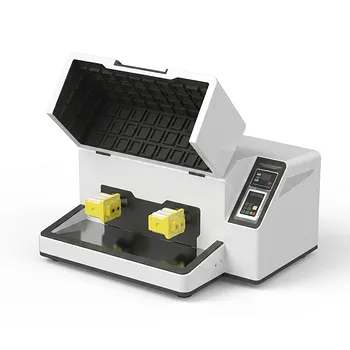
Multi-Platform Nanoscale High-Energy Vibratory Ball Mill
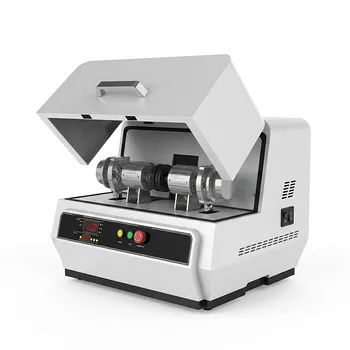
Dual Jar High Energy Vibratory Ball Mill
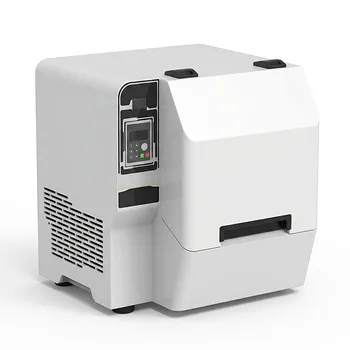
Nano High Energy Vibratory Ball Mill for Laboratory Sample Preparation
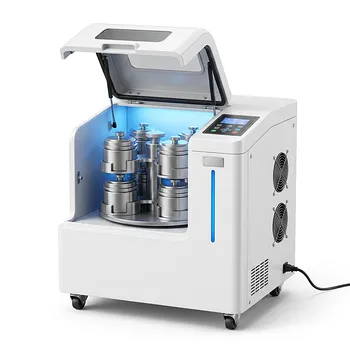
High Energy Omnidirectional Planetary Ball Mill 20L
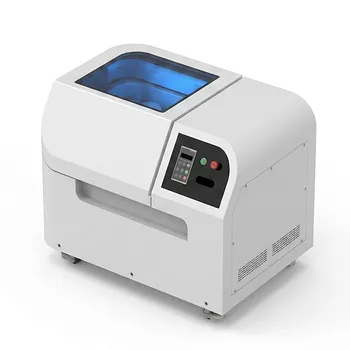
8L Planetary Ball Mill for Laboratory Grinding and Sample Preparation